
Skylights bring natural light into your home, but in Arizona’s punishing climate, they can also become one of the most common sources of roof leaks. Between extreme UV exposure, temperature swings that reach well above 110°F, and violent monsoon storms, the materials that keep your skylight watertight take a beating that homeowners in milder climates simply don’t face.
This guide walks you through how to diagnose a skylight leak, decide whether to repair or replace, understand what drives skylight leak repair cost in Phoenix, and prevent future leaks from catching you off guard.
Key Takeaways
- Most skylight leaks in Phoenix trace back to deteriorated flashing, dried-out sealant, or cracked acrylic domes rather than the skylight glass itself. Damaged flashing accounts for about 40% of skylight leaks.
- Before climbing on the roof, determine whether you have a true leak or just condensation. Condensation inside skylights can mimic leaks during cold weather or in high-humidity rooms.
- Arizona’s intense sun and monsoon climate accelerate UV damage and dry out seals faster than national averages. Sometimes reflashing or a full replacement is smarter than repeated repairs.
- Skylight leak repair cost varies significantly by skylight type (curb-mounted skylight, acrylic dome, tile roof skylight), roof access difficulty, and damage extent. Always request a free estimate from a local skylight repair near me contractor.
- Professional help is recommended for most leaky skylight repair work due to roof safety hazards, the importance of correct skylight flashing installation, and long-term warranty protection.
Is It a Leak or Just Condensation?
Many Phoenix and Arizona homeowners mistake winter condensation or bathroom humidity for a leaking skylight. Getting this diagnostic step right first can save you time, money, and an unnecessary trip onto a dangerously hot roof.
Condensation occurs when warm indoor air meets cold skylight glass, forming fog or water beads on the inner pane. It is common in high-humidity rooms like bathrooms and kitchens. Condensation can appear even on dry days due to indoor humidity, and if moisture disappears with improved airflow, it is likely condensation – not a skylight leak.
A true leak behaves differently. Look for these clear signs:
- Water stains on ceilings that keep growing, especially after rain
- Drips during rain, which suggest water is entering from outside
- Musty odors after monsoon storms, which can indicate mold growth from leaks
- Damp insulation around the skylight opening
- Moisture that appears only when it rains and doesn’t dry up by midday
A simple test works well: wipe the interior glass dry, then run a hot shower or humidifier nearby. If moisture reforms only on the glass pane, you likely have condensation. If water reappears in the drywall, around the skylight frame, or along the shaft, you have a leak. To reduce humidity and improve ventilation in those rooms, consider exhaust fans or cracking a window.
If you are unsure, call a professional for a quick inspection and free estimate rather than ignoring a potential leak that could lead to structural damage.
Why Skylights Leak in Arizona
Phoenix and the broader Arizona climate create a uniquely hostile environment for skylights. Intense year-round UV radiation, summers above 110°F, dust storms, and sudden monsoon downpours combine to attack every component of a skylight installation.
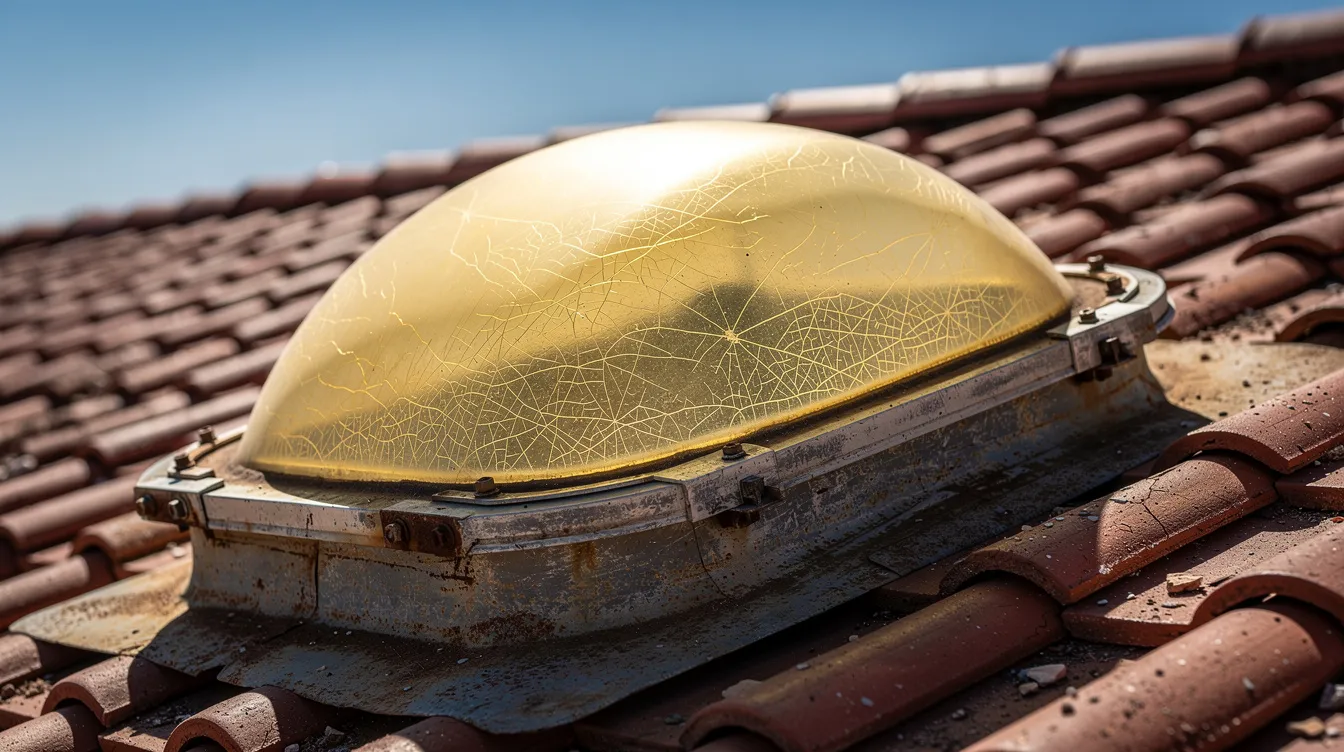
Cracked or UV-yellowed acrylic domes. Cracked glass is actually less common than damaged acrylic dome lenses in Arizona. Older bubble skylights turn yellow, become brittle, and develop hairline fractures – a process called “crazing” – that lets water seep in. Capstone Roofing reports that acrylic domes typically start showing wear after 10–15 years of Phoenix sun exposure. Cracked glass can also allow leaks into the home, though glass panels tend to hold up longer than acrylic.
Dried-out skylight sealant. Old sealant around the skylight curb dries, shrinks, and splits after years of sun exposure. South- and west-facing roof slopes take the worst beating. Sealant can dry out or crack, leading to leaks that worsen with each passing monsoon season.
Failed skylight flashing. Flashing creates a waterproof barrier around skylights and is typically made from aluminum, copper, or steel. Deteriorated flashing is a common cause of skylight leaks, and flashing issues account for roughly 40% of skylight leaks. Damaged flashing is a top reason for skylight leaks on both shingle and tile roof skylight installations – especially where step flashing or head flashing has been bent, corroded, or improperly installed flashing was never brought up to code. Proper installation of flashing is crucial to prevent leaks.
Improper installation and roof deck issues. Improper installation causes many skylight leaks. Deck screws driven through the wrong spots, missing underlayment, or low-slope roofs where water backs up around the skylight opening instead of draining off the roof surface are common culprits. Clogged drainage can also cause water to back up and leak, particularly where debris blocks small drainage channels near the curb.
Monsoon wind-driven rain. During monsoon season, heavy rain paired with wind driven rain can force water under surrounding shingles, damaged shingles, or tiles and into gaps around the skylight that stay dry in light showers. This is why many homeowners only notice leaks stem from their skylight during the most intense storms.
Condensation versus a real leak. Cooled interior air meeting super-heated skylight glass can fog the pane in late summer. But water stains on the surrounding ceiling almost always signal a true leak, not condensation. Aging materials – seals, gaskets, frames – can lead to skylight leaks over time, making regular inspection essential.
How to Spot the Signs of a Leaking Skylight
Start with a safe, ground-level inspection before attempting any roof access. Water stains on ceilings indicate a skylight leak, and drips during rain suggest water is entering from outside.
Indoor signs:
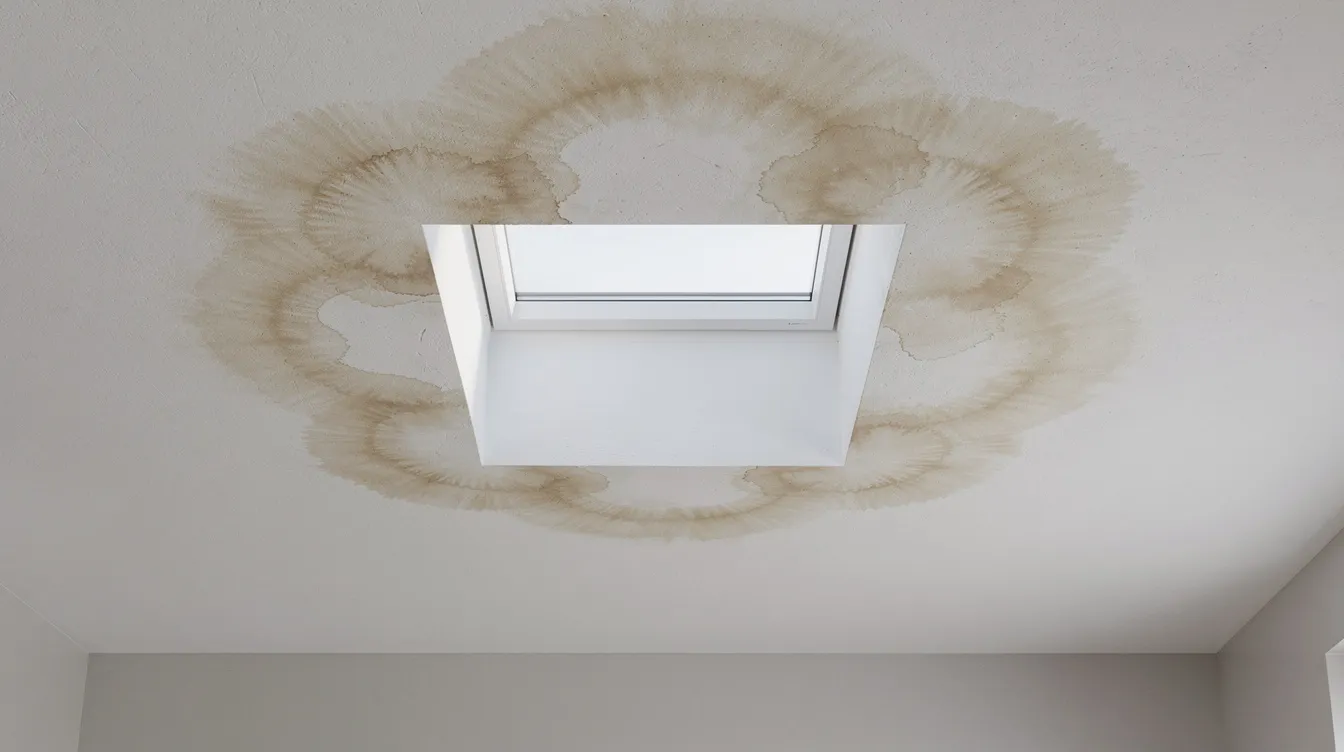
- Brown or yellow rings on the ceiling around the skylight
- Bubbling or peeling paint on the skylight shaft
- Damp spots on nearby walls or rotting wood in the frame area
- Mold growth on interior trim
- Musty odors, which can indicate mold growth from leaks
Clues the leak is around the skylight:
- Stains radiating from the skylight corners toward the ceiling
- Drips running down the inside of the shaft
- Wet areas that only appear near the skylight frame during or after rain
Exterior clues (with a safety reminder – don’t walk on hot or steep roofs without proper gear):
- Visible gaps in the caulk bead around the curb
- Rusted or lifted skylight flashing
- Missing or cracked tiles or damaged shingles around the skylight
- Debris buildup or standing water up-slope of the curb on the roof surface
Even if the roof looks fine from the ground, a leaking skylight that is 20–30 years old may still have internal skylight frame or gasket issues that only a professional inspection will reveal.
Safety and Preparation Before Any Skylight Leak Repair
Any work around the skylight or on the roof surface is hazardous. Arizona homes often have steep tile roofs or roof surfaces that reach 140–160°F on summer afternoons.
- Work only in the early morning or cooler hours in Phoenix. Wear non slip shoes and safety gear appropriate for roof pitch.
- Set ladders at a 4:1 angle, extending at least 3 feet above the gutter line. Have a helper steady the base on firm, level ground.
- Never step or lean on the skylight glass, acrylic dome, or skylight frame. These are not designed to support weight and can crack suddenly.
- For simple observation or interior sealing, gather a flashlight, camera, caulk gun, and exterior-grade sealant.
- Leave major repairs – anything involving flashing, roof decking, or the entire skylight unit – to a professional roofer.
DIY Troubleshooting: Simple Checks Before You Call a Professional
Before searching skylight repair near me, a few low-risk checks can help you narrow down the problem. Identifying the source of a skylight leak is essential for effective repair.
- Attic inspection. If you have attic access, check during or right after a monsoon storm. Look for damp roof sheathing, dripping fasteners, or wet spots around the skylight curb and roof decking.
- Hose test (conceptual). One person sprays water gradually upslope of the skylight while another watches inside. This is best done by a professional for safety reasons, but understanding the concept helps you explain the problem to your contractor.
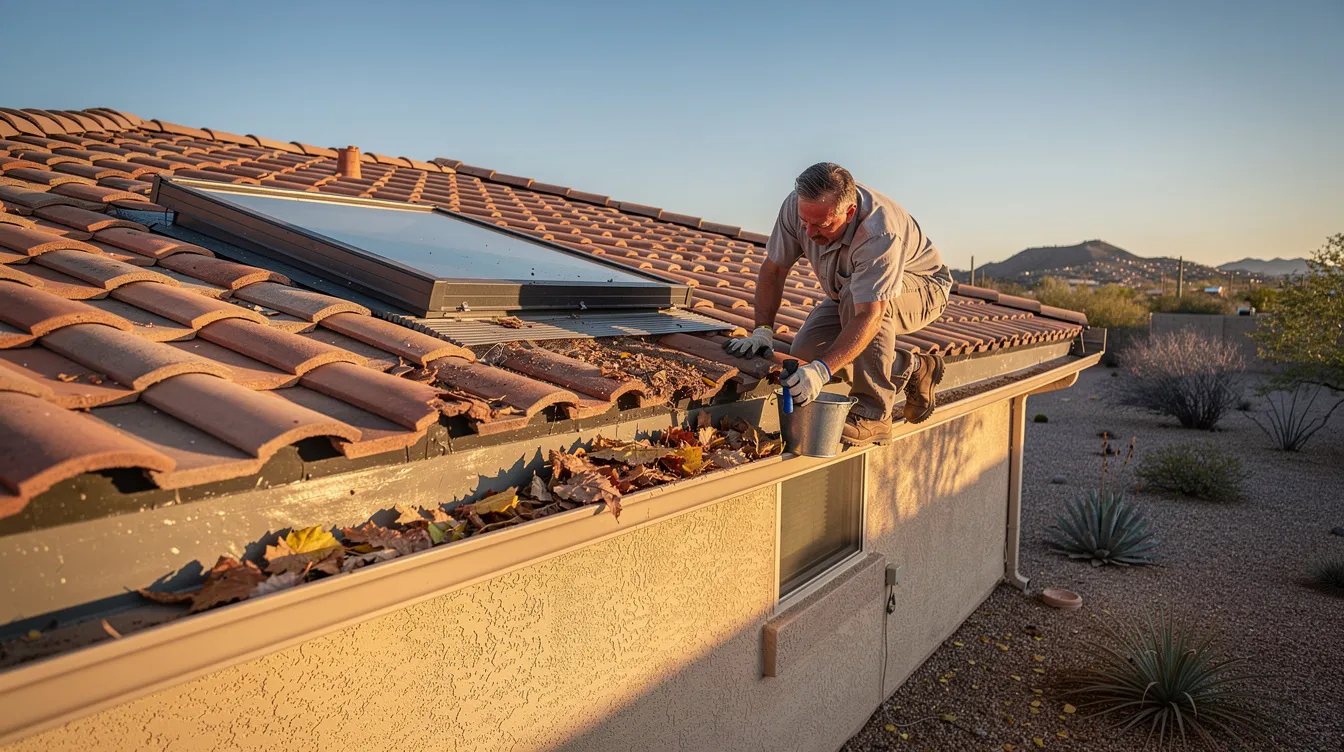
- Clear debris. From a ladder – not walking the roof – remove leaves, seed pods, or roofing granules from around the skylight curb. Weep holes in modern skylights must be kept clear to prevent water backup. These small drainage channels allow incidental moisture to escape; a small wire can help clear blocked weep holes.
- Inspect sealant. Look for old sealant that has cracked, hardened, or separated from the skylight frame.
Know your limits. If water is actively entering, drywall is sagging, or the roof is steep or high, call a professional rather than experiment with temporary sealants or roofing cement. Temporary fixes like covering skylights with tarps during storms can protect the interior short-term, but they are not a permanent solution.
Repair vs. Reflash vs. Full Replacement
Not every skylight leaking problem requires a new unit. The most cost effective approach depends on the age, condition, and history of your skylight. Inspect flashing as it causes 40% of skylight leaks – and regularly check sealant and flashing to prevent leaks from recurring.
| Factor | Simple Repair | Reflash | Full Replacement |
|---|---|---|---|
| Best when | Newer unit, minor sealant gaps, no rust or cracks | Repeated leaks, improper installation history, water trails on deck | UV-yellowed dome, cracked skylight glass, fogged glass panes, unit over 20 years |
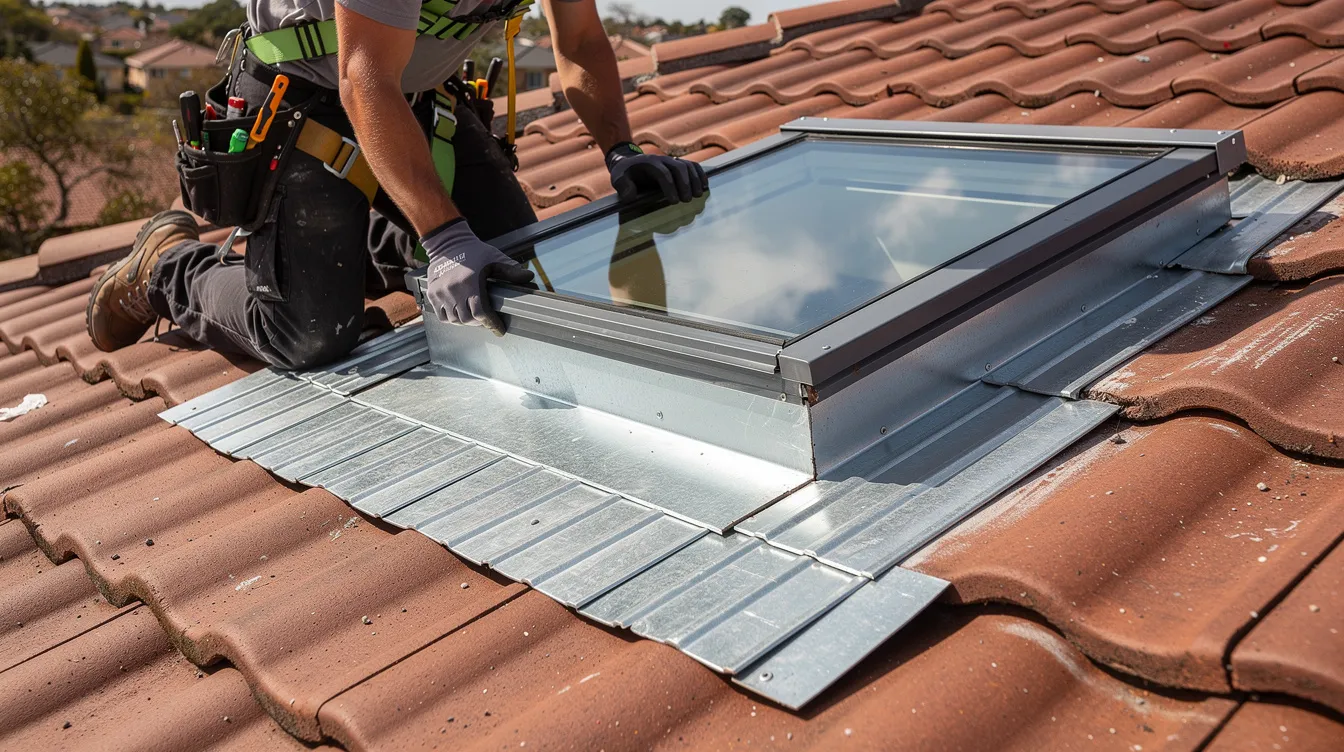
| Typical work | Reseal skylight with 100% silicone caulk, replace worn seals, tighten fasteners | Remove surrounding shingles or tiles, install new flashing kit, properly sealing all joints | New entire skylight, new flashing, interior shaft drywall and paint |
| Longevity | 3–7 years if underlying components are sound | 10–15+ years with quality materials | 20–30 years with modern skylights |
Simple repair is appropriate when the skylight is relatively young, sealant failure is minor, and there is no repeated history of leaks. Using high-quality exterior-grade sealant and applying a continuous bead of 100% silicone caulk creates a watertight seal that can last several years.
Reflash when leaks recur during heavy rain, when there is evidence of installation errors on a tile roof skylight, or when water trails appear on the roof decking around the curb. This addresses the entry point where the skylight meets the roof.
Full replacement makes sense when you see a cracked acrylic dome, condensation between double glass panes, or the unit is past 20 years. Curb-mounted skylight designs on flat or low-slope roofs in Phoenix often benefit from replacement with modern skylights that offer improved energy efficiency and better seals against monsoon storms. A skylight replacement also eliminates the risk of costly repairs down the road.
Professional evaluation may be necessary for persistent skylight leaks, and professional repairs are needed for cracked glass or severe leaks. Repeated repairs on an aging unit often end up costing more than a lasting solution through full replacement.
What Skylight Repair Costs in Arizona
Skylight repair cost and skylight leak repair cost vary widely depending on several factors. Rather than quoting a single number, here are the primary cost drivers:
- Skylight type: curb-mounted skylight, deck-mounted, acrylic dome, or glass – each requires different materials and labor
- Roof pitch and height: steep or two-story homes increase labor and safety costs
- Roofing material: tile roof skylight work requires careful tile removal and reinstallation, adding significant cost over asphalt shingles
- Damage extent: whether the issue is limited to sealant or extends to roof decking, insulation, or interior drywall
- Skylight age and condition: older units may need a full skylight replacement rather than a patch
Simple reseal skylight work – scraping off old sealant and applying new, compatible sealant – tends to be the most affordable option. HailCo Roofing in Scottsdale reports resealing and flashing repair typically runs $350–$900, while full unit replacement ranges from $600–$2,500 depending on size and glazing. HomeAdvisor data for the Phoenix area shows an average skylight repair cost around $575.
If the skylight needs full replacement, the skylight replacement cost will include the new unit, a new flashing kit, interior drywall touch-ups, and sometimes repainting the shaft. Replacement costs climb when structural damage to the surrounding framing is discovered.
Always request a written free estimate that separates labor, materials, and any additional repairs so you can compare offers accurately.
Commercial Skylight Repair Considerations
Commercial skylight repair on warehouses, retail centers, and office buildings across Arizona differs from residential work in scale, skylight type, and regulatory requirements.
Common commercial skylight types include large acrylic dome clusters, continuous metal-framed barrel vaults, and industrial curb-mounted units installed on flat single-ply membrane roofs. Leaks on these roofs often come from failed curbs, punctured membranes near the skylight, or deteriorated sealant between the skylight frame and the roofing system.
Additional complexities include:
- OSHA fall protection requirements for workers on commercial roofs
- Coordinating repairs around business operations to minimize disruption
- Detailed inspection reports required by property managers and insurers
- Larger skylight assemblies that demand specialized equipment
Commercial property managers should schedule an on-site assessment and free estimate from contractors experienced with commercial skylight repair in Phoenix and surrounding Arizona cities. When multiple skylights need attention, addressing them in a single visit can lower the per-unit cost.
When to Call a Professional vs. DIY Skylight Leak Repair
Minor interior caulking and observation are DIY-friendly. Most exterior professional skylight leak repair work on the roof, however, should be handled by licensed contractors.
Call a professional when:
- Leaks only appear during heavy rain or monsoon storms
- Skylight flashing is visibly rusted, missing, or lifted
- The acrylic dome is cracked, loose, or severely yellowed
- You have attempted repeated repairs without success
- The skylight is on a steep roof, a two-story home, or a tile roof that can crack underfoot
- Summer afternoon roof surfaces in Phoenix are too hot to work safely
A professional roofer will locate hidden entry points, check the surrounding roof surface for related skylight issues, and determine whether repair, reflash, or full replacement is the most cost effective choice. They will also ensure work meets local building codes and doesn’t void manufacturer warranties.
Look for a local skylight repair near me company with specific experience in skylight flashing, tile roof skylight installations, and Arizona monsoon conditions. A temporary fix from a DIYer rarely matches the lasting solution a trained crew delivers.
Preventing Future Skylight Leaks in Phoenix and Across Arizona
A one-time skylight leaking incident is an opportunity to extend the life of both your skylight and your roof.
- Annual inspections before monsoon season (June–September): Check for loose flashing, cracked sealant, or damaged shingles and tiles around the skylight. Catching a small leak early prevents costly repairs later.
- Keep the roof surface and gutters clean so water flows freely and won’t pool around the skylight curb, especially on low-slope or flat roofs.
- Upgrade at the 20-year mark. Modern skylights offer improved energy efficiency, UV-resistant glazing, integrated flashing systems, and better seals. Improved energy efficiency can also reduce energy bills by lowering cooling loads in Phoenix summers. When older units hit their lifespan, a skylight replacement with a modern unit prevents future leaks and cuts energy costs.
- Document every repair – date, scope, contractor, and warranty terms. This record helps track performance over time, supports warranty claims, and strengthens your case if you need to file an insurance claim.
FAQ
Wind-driven heavy rain common during Arizona’s monsoon season can push water uphill under shingles or tiles and into tiny gaps in skylight flashing or old sealant. These gaps stay dry during light showers because gravity keeps water flowing downhill. This pattern usually points to flashing or roof integration issues around the skylight – not cracked glass or a defective unit. Have a professional roofer perform a targeted inspection and hose test to pinpoint exactly where water is creating entry points, and whether a reflash or full replacement is the best path forward.
Fresh exterior-grade silicone can serve as a temporary fix for minor leaks caused by old sealant failure, but it will not solve problems related to improper installation, damaged flashing, or hidden structural damage like rotting wood in the roof deck. Adding more caulk over old, cracked beads can actually trap moisture and make later professional repairs more difficult. If you do apply caulk as a short-term measure, remove the old sealant first and apply a continuous bead of 100% silicone along the joint where the skylight meets the frame. Then contact a professional roofer for a proper exterior skylight leak repair – anything beyond a small leak deserves a permanent solution.
Many quality skylights are designed to last 20–30 years, but in Phoenix and other Arizona cities, intense UV and extreme temperature swings often shorten the practical lifespan of acrylic domes and seals to 10–15 years. Visible yellowing, brittleness, frequent leaks, or condensation appears between glass panes are clear signs that full replacement may be more cost effective than repeated repairs. If you are replacing your roof, consider swapping older skylights at the same time to save on labor and avoid disturbing old seals later.
Commercial skylight repair cost is typically higher per project because commercial roofs are larger, involve specialized skylight types, require more safety equipment, and may need after-hours scheduling to avoid disrupting business. However, the cost per skylight can be reasonable when multiple units are repaired during the same site visit, thanks to mobilization efficiency. Property managers should request a detailed free estimate covering inspection, repair scope, and any recommended preventative maintenance for every skylight on the building.
Coverage depends on your policy and the cause of the leak. Sudden damage from hail or a storm-blown branch is more likely to be covered than slow deterioration from aging materials or improper installation. Document the leak with photos, note when condensation appears versus active dripping, and keep all repair invoices. Then speak with your insurance agent to determine what qualifies. Many roofing contractors can provide written findings that help you communicate the cause of the skylight leaking issue to your insurer and strengthen your claim.