
Licensed Arizona roof replacement · ROC#356304
Roof Replacement in Arizona
Arizona Roofers replaces tile, shingle, foam and flat roofs across the state — Phoenix and the Valley, Tucson, and up into Flagstaff. Every job starts with a free on-roof inspection, photographs of what we actually find up there, and a written scope you can compare line by line against anyone else’s.
- Licensed & insured — ROC#356304
- GAF President’s Club 2026
- Free inspections & written estimates
- Financing available

Free Roof Replacement Estimate
Takes about a minute. A local team member will call to schedule your free on-roof inspection.
Most Arizona roofs are not replaced because something dramatic happened. They are replaced because the layer you cannot see — the underlayment beneath the tile — quietly reached the end of its life in the heat, and the first sign is a stain on a ceiling during the first serious monsoon storm.
This page covers how a roof replacement actually runs in Arizona: how to tell whether you need one, what should be in the scope, how the job is sequenced, and how to check a contractor before you sign anything. If you would rather just have someone look at it, call (480) 463-3483 — the on-roof inspection and written scope are free.
Repair or replace? Start here
This is the only question that matters at the start, and it is worth being honest about: plenty of roofs sent to us for replacement need a repair instead. The difference usually comes down to whether the failure is local or system-wide.
| What you are seeing | Usually means |
|---|---|
| One leak, one location, after one storm | Repair. Often a lifted tile, a failed flashing or a penetration seal |
| Several leaks in unrelated parts of the house | Replace. Multiple failure points means the underlayment is gone, not damaged |
| Tile intact and looks fine, but the roof leaks | Replace the underlayment. The classic Arizona job — the tile is reused |
| Shingles curling, cracking or shedding granules across the whole roof | Replace. Heat ageing is not repairable in patches |
| Sagging roofline or soft spots underfoot | Replace, and inspect the decking. Get this looked at promptly |
| Roof is 20–25 years old and has never been touched | Get it inspected. You may be near the end of the underlayment’s service life |
A roofer who recommends a full replacement without going on the roof, opening a section, or showing you what they found is guessing — or selling. Ask to see photographs of the actual failure on your actual roof.
Not sure which one you need?
We will go on the roof, photograph what we find and tell you honestly if a repair will do. No charge, and no obligation to book anything.
What actually fails on an Arizona roof
Arizona is not a hard climate on roofs in the way the Midwest is. There is very little freeze-thaw, and almost no snow load outside the high country. What Arizona has instead is relentless UV and heat for months at a time, then a short violent monsoon season. Those two things break roofs differently, and knowing which layer fails first is what separates a sensible quote from an expensive one.
Tile roofs: the tile outlives the underlayment
Concrete and clay tile are extremely durable — the tiles on a Valley home can easily outlast the people who bought it. The felt or synthetic membrane underneath them cannot. That underlayment is the actual waterproofing layer; the tile is a heat shield and a rain screen sitting on top of it.
So the common Arizona replacement is not a new roof at all. It is a tile lift and underlayment replacement: the existing tile is removed and stacked, the failed membrane is stripped, any damaged decking is repaired, new underlayment goes down, and your original tile is reset. If your tile is sound, this is usually the right job, and you should be suspicious of anyone who skips straight to quoting all-new tile. Our guide to choosing underlayment for a tile roof covers the material differences that matter here.
Shingle roofs: heat sets the clock, not weather
Asphalt shingle roofs in Arizona tend to reach the end of their life earlier than the manufacturer’s rating suggests, because those ratings are not written for sustained desert roof-surface temperatures. The failure shows up as curling edges, cracking, and granule loss across the whole roof at once — which is why patch repairs stop being economic well before the roof actually leaks. See our shingle roofing page for materials, or shingle roof repair if the damage is still localised.
Flat and low-slope roofs: seams, coatings and ponding
Flat sections are common on Arizona homes and on nearly every commercial building. They fail at seams, penetrations and low spots where water sits after a storm. Depending on the system, replacement may mean a new membrane, or a spray polyurethane foam system that is re-coated periodically rather than torn off. For commercial buildings, see commercial roofing.
What is included in a roof replacement
Quotes in the Valley vary wildly, and it is almost never because one roofer is greedy and another is generous. It is because they are quoting different scopes. Every replacement we do includes the following in writing before work starts:
- Tear-off and disposal of the existing roof covering, including a named allowance if additional layers are found
- Deck inspection and a repair allowance — you cannot see rotted or damaged decking until the roof is open, so a good quote prices for it up front instead of surprising you with a change order
- The specific underlayment product by name and thickness, not “premium underlayment”
- All flashings: valleys, walls, chimneys, skylights, vents and pipe penetrations
- Tile reset with a replacement-tile allowance, because some breakage during removal is normal and honest quotes account for it
- Ventilation checked and corrected where it is inadequate
- The permit, pulled by us
- Full site cleanup including magnetic sweep for nails
- Written workmanship warranty alongside the manufacturer’s material warranty
Reading competing quotes: the four things most often missing are the deck repair allowance, the named underlayment product, the replacement tile allowance, and specifics on flashing. A bid that is dramatically cheaper than the others is usually not cheaper — it is smaller, and the difference comes back as change orders.
How the replacement runs, start to finish
1. Free on-roof inspection and written scope
We go on the roof, not just around it. You get photographs of what we found, the recommended scope, and a written price. Our roof inspection service is the same process and is also free.
2. Permit and scheduling
Residential reroofs require a permit from your municipality. We pull it. If you are in an HOA with tile profile or colour requirements, that gets settled before materials are ordered, not after they arrive.
3. Tear-off and deck inspection
The existing covering comes off and the decking is exposed and inspected. This is the point at which anything hidden becomes visible, and where the repair allowance in your quote gets used or returned.
4. Underlayment and flashing
New underlayment goes down and every flashing is replaced. This is the waterproofing layer and the part of the job that determines whether the roof leaks in ten years. It is also the part nobody sees once the tile is back on, which is precisely why the product should be named in your contract.
5. Tile reset or new roof system
Your original tile is reset, or the new system is installed. For tile, see tile roofing; for new construction and additions, see roof installation.
6. Cleanup, final inspection and warranty
Site cleanup with a magnetic sweep, a final walk with you, the municipal inspection, and your written warranty documents. You can see examples of completed work on our recent projects page.
When to schedule a roof replacement in Arizona
Arizona’s monsoon season runs 15 June to 30 September. That timing drives two practical realities.
First, most people discover they need a roof during monsoon, which means summer is when every roofer in the Valley is busiest and lead times are longest. Second, an open roof and a monsoon storm are a bad combination, so work during those months is sequenced tightly and weather can move a schedule.
If your roof is at the age where replacement is coming, the cheapest and calmest time to do it is autumn through spring. Booking in October to replace a roof you know is failing is a considerably better experience than booking in July with water coming through a ceiling.
How to check a roofer before you sign
Arizona gives homeowners more protection than most states, and almost nobody uses it. Four checks, all free, all worth doing on us as much as on anyone else:
- Verify the licence. Search the contractor at roc.az.gov/search. Arizona Roofers is ROC#356304, licensed, bonded and insured.
- Know the Recovery Fund exists. The ROC Residential Contractors’ Recovery Fund at roc.az.gov/recovery-fund can compensate homeowners harmed by a licensed contractor. It only covers work by licensed contractors — which is the practical reason not to hire an unlicensed one.
- Storm-damage contracts have special rules. Under A.R.S. § 32-1158.02, a contract to repair storm damage that you intend to claim on insurance must state that the contractor gives no assurance of coverage and that you pay if the claim is denied; the down payment is capped at 50%; you have four business days to cancel for any reason; and you have 72 hours to cancel after your insurer denies the claim. Your contractor also may not negotiate the claim on your behalf.
- Get the whole scope in writing before any money changes hands. If a roofer will not put the underlayment product, the deck allowance and the flashing work in the contract, that is your answer.
Get a written scope and a real number
Free on-roof inspection, photographs of what we find, and a written scope you can compare against any other quote line by line.
What it costs, and how to pay for it
Price depends on your roof size, what is currently on it, and whether your tile can be reused — that last one moves the number more than anything else in Arizona. The fastest way to get a ballpark before you talk to anyone is our Arizona roof replacement calculator, which takes about a minute. For typical price ranges by roof type and city, see our Arizona roof replacement cost guide.
If the timing is difficult, roof financing is available with terms up to 15 years and a 12-month no-interest option. And if a storm is involved, start with whether insurance covers roof replacement in Arizona and our roof insurance claim help — the distinction between storm damage and age-related wear is what a claim turns on, and documenting it before the adjuster arrives matters.
Roof replacement across Arizona
We replace roofs across the Valley and statewide, including Phoenix, Tempe, Chandler, Gilbert, Glendale, Avondale, Surprise and Flagstaff. Full service list on our Arizona roofing services page.
Frequently asked questions
Roof replacement by city
- Roof replacement in Phoenix
- Roof replacement in Mesa
- Roof replacement in Gilbert
- Roof replacement in Tempe
- Roof replacement cost in Phoenix
- HOA roof replacement in Arizona
- Roof permits in Arizona by city
How long does a roof replacement take in Arizona?
Most single-family replacements run two to five working days on site, depending on roof size, complexity and whether tile is being reset. Tile lift and underlayment jobs generally take longer than shingle, because every tile is removed and reset by hand. Monsoon weather between mid-June and the end of September can extend a schedule, and permit and inspection timing varies by municipality.
Do I need to replace my tile, or just the underlayment?
If the tile is sound, it is usually reused and only the underlayment is replaced. The tile is a rain screen and heat shield; the underlayment beneath it is the actual waterproofing layer and the part that wears out. Full tile replacement is normally only necessary when tile is widely cracked or delaminating, or when an HOA requires matching a profile that is no longer manufactured.
How do I know if I need a roof replacement or just a repair?
A single leak in one location after one storm is usually a repair. Leaks in several unrelated parts of the house, shingles ageing across the whole roof, or a roof past twenty years that has never been touched point to replacement. The only reliable way to tell is for someone to get on the roof and open a section, so ask for photographs of the actual failure rather than accepting a verdict from the driveway.
Does a roof replacement need a permit in Arizona?
Yes. Residential reroofs require a permit from your municipality, and your contractor should pull it as part of the job. A contractor who suggests skipping the permit is telling you something important about how they work.
What should be in a roof replacement quote?
Tear-off and disposal, a named deck repair allowance, the specific underlayment product by name, all flashing work, a replacement tile allowance if tile is being reset, ventilation, the permit, cleanup, and a written workmanship warranty. The four items most often missing are the deck allowance, the named underlayment, the tile allowance and flashing detail, which is usually why one quote comes in far below the others.
When is the best time of year to replace a roof in Arizona?
Autumn through spring. Arizona’s monsoon season runs from 15 June to 30 September, which is when most people discover they need a roof, when every roofer is busiest, and when an open roof is most at risk from a sudden storm. If you already know your roof is failing, booking outside those months means shorter lead times and a calmer job.
Can I claim a roof replacement on insurance in Arizona?
Insurance covers sudden accidental damage such as monsoon wind, not wear or age. Because underlayment failure in Arizona is usually age related, many roofs that genuinely need replacing are not claims. Where a storm is involved, note that under A.R.S. 32-1158.02 a storm-damage repair contract must state that the contractor gives no assurance of coverage, caps the down payment at 50 percent, gives you four business days to cancel for any reason and 72 hours to cancel after an insurer denies the claim, and the contractor may not negotiate the claim on your behalf.
Ready when you are
Licensed, bonded and insured — ROC#356304. Free on-roof inspection and written scope across Phoenix and Arizona.
Statewide service
Roof Replacement Near You
Same licensed crews and written scopes in all 28 communities we serve. Pick your city.
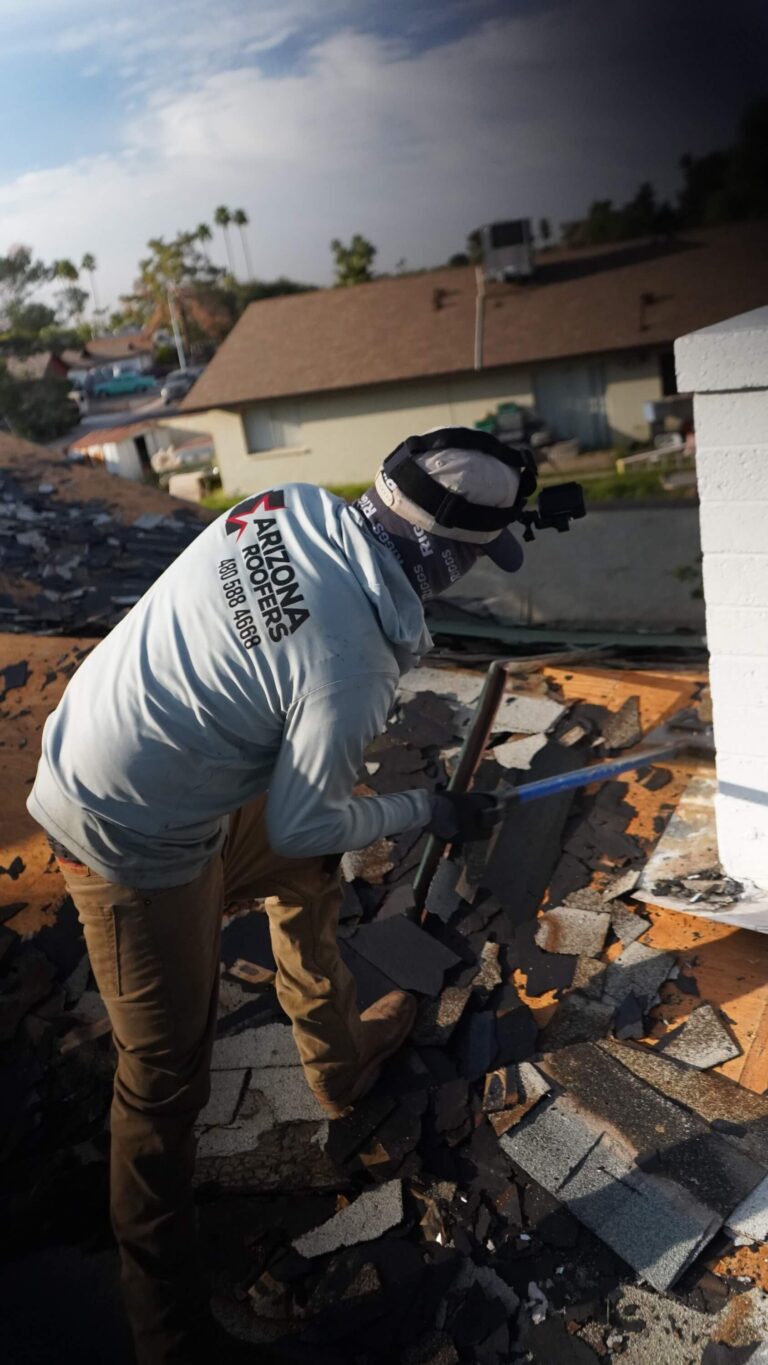
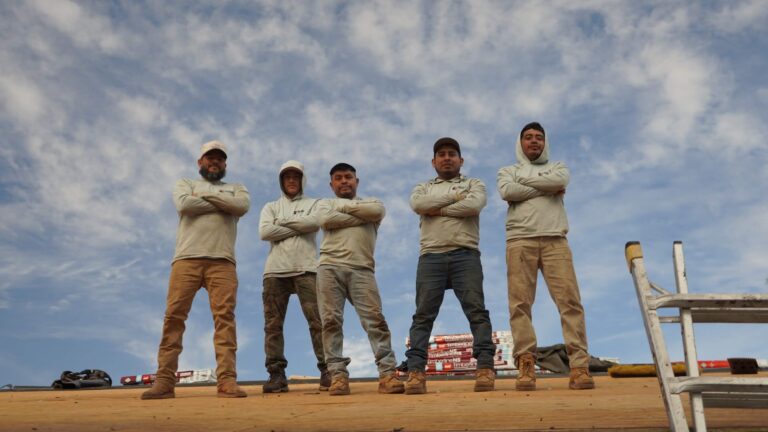
Real crews, real roofs
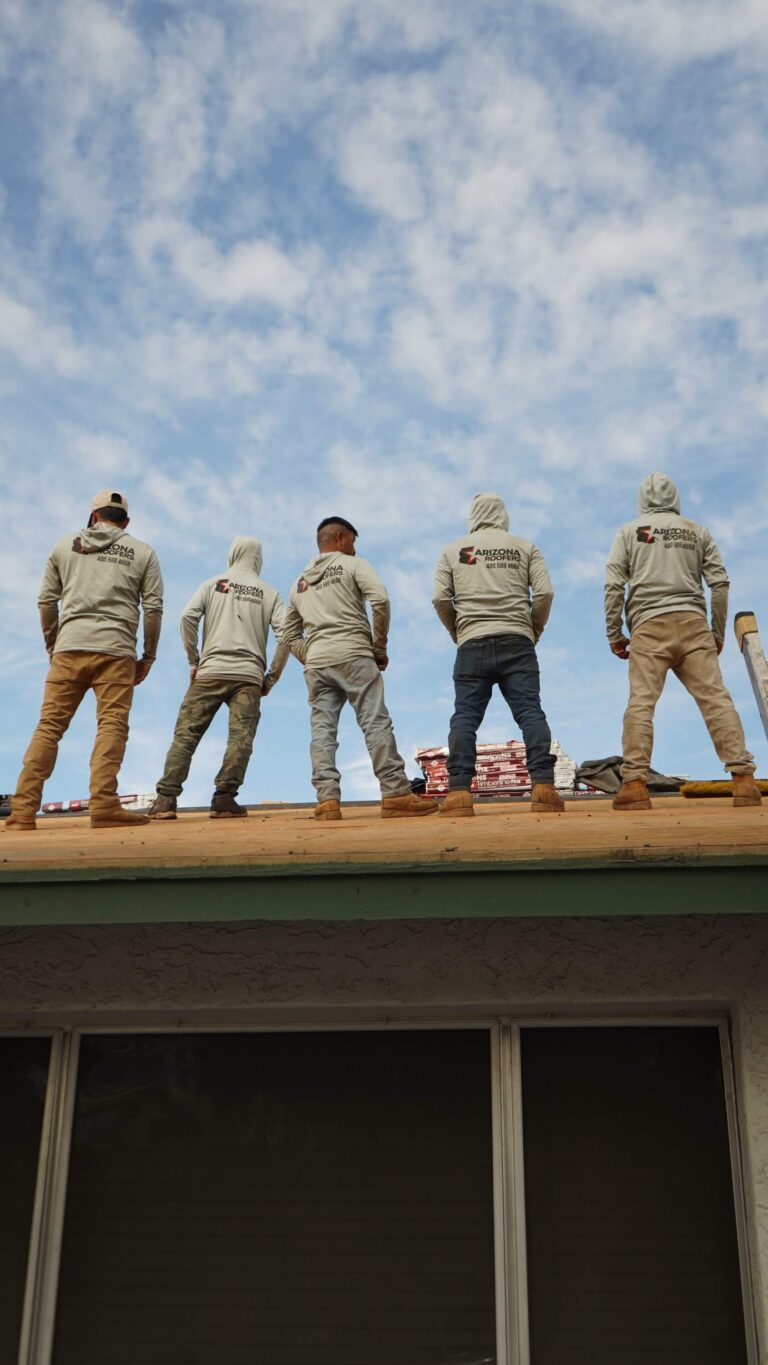
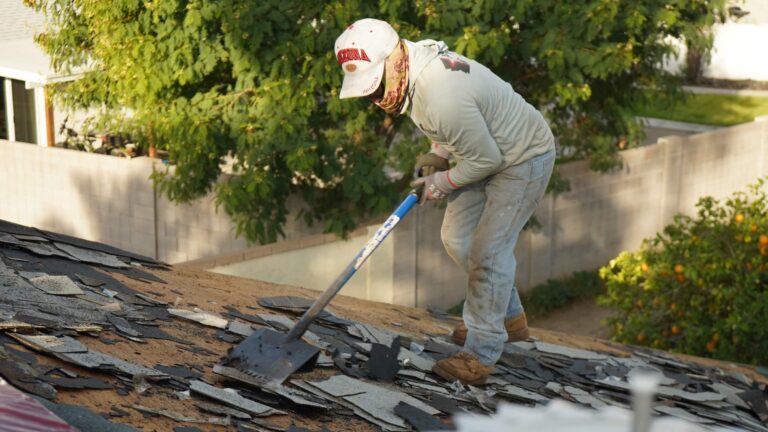
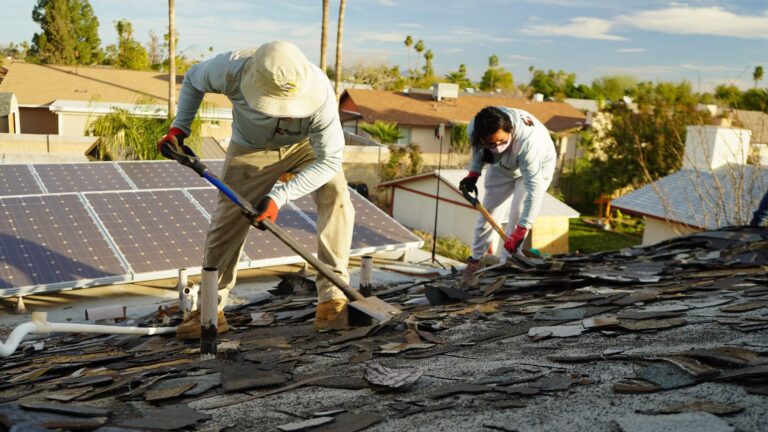
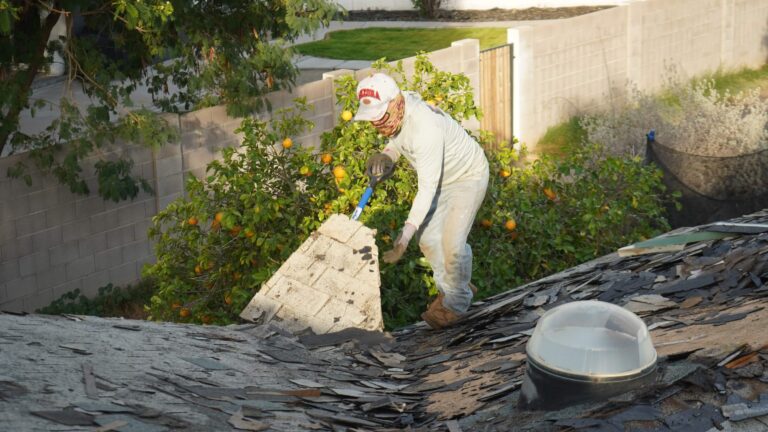
Our Roofing Crews at Work
Photos from recent Arizona Roofers jobs.
Reviews
What Arizona Homeowners Say
Real Google reviews. Read more on our Google Business Profile.


Ready for a New Roof?
Free on-roof inspection and a written estimate you can compare line by line. Licensed, bonded and insured — ROC#356304.
Get My Free EstimateCall (480) 463-3483