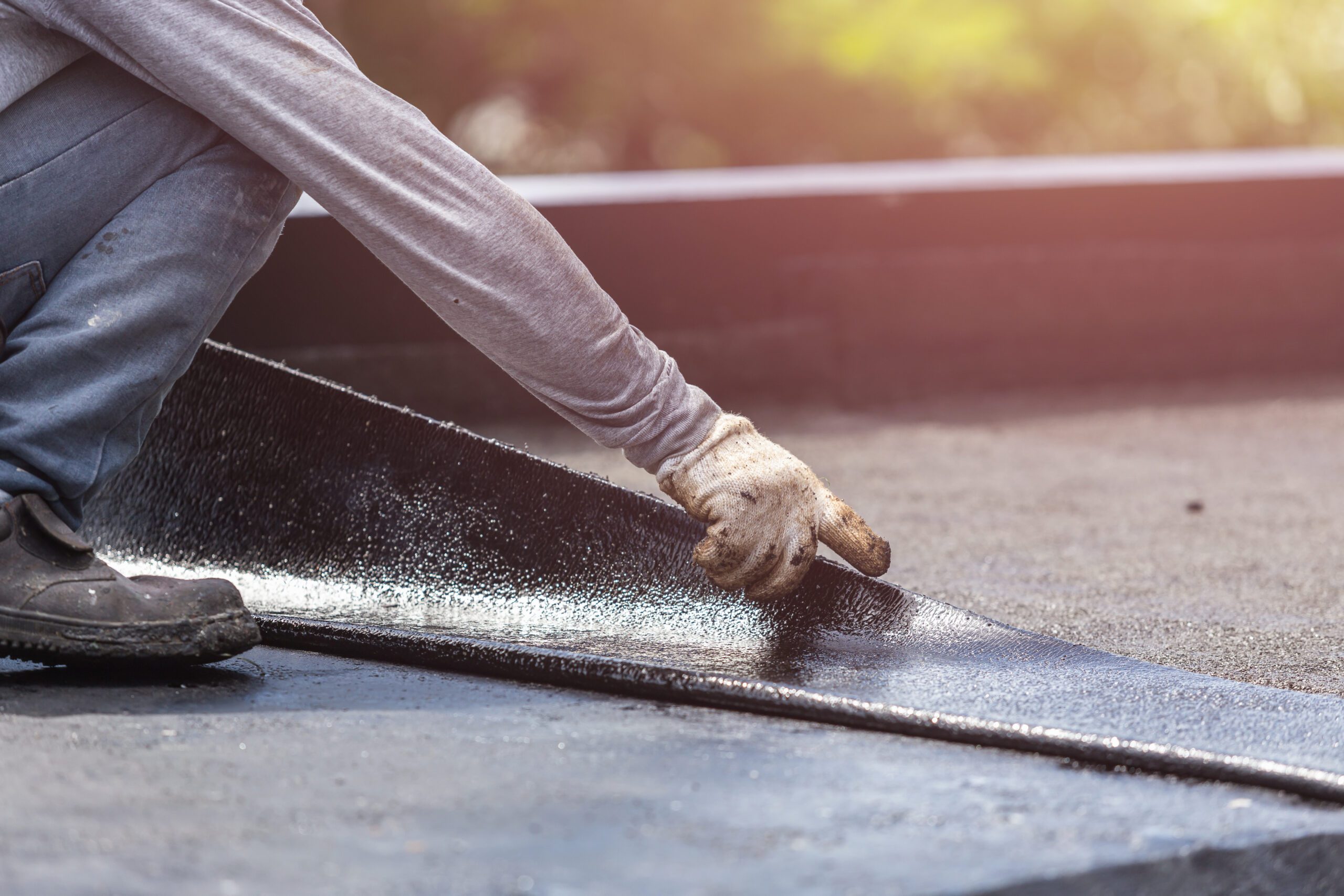

A roof certification is a contractor’s written statement that a roof is free of active leaks and should stay that way for a set number of years. In Arizona it usually comes up at one moment: a home is under contract, the inspection period is running, and someone needs a clear answer about the roof before the deal can move forward.
This guide covers what a certification is, how it differs from a standard roof inspection, when Arizona buyers, sellers and lenders ask for one, what the inspection actually covers, and what happens when a roof doesn’t pass.
What a roof certification is (and how it differs from an inspection)
A roof inspection is a report. It describes the roof’s condition, lists defects and estimates remaining life, but nobody is promising anything. A roof certification goes one step further: a licensed roofing contractor inspects the roof, makes any repairs needed to bring it to a watertight condition, and then puts its name on a document stating the roof is expected to remain leak-free for a defined term, typically two, three or five years.
| Roof inspection | Roof certification | |
|---|---|---|
| Output | Condition report with photos | Signed certificate with a term |
| Who signs | Inspector or roofer | Licensed roofing contractor only |
| Repairs | Recommended, not required | Completed before it is issued |
| Promise | None | Roof expected to stay leak-free for the term |
| Who asks for it | Homeowners, buyers | Buyers, lenders, insurers, escrow |
A general home inspector cannot issue one. The certification is only as good as the company behind it, which is why it should come from a roofer licensed with the Arizona Registrar of Contractors who will still be around to honour it.
When Arizona home sales call for one
No Arizona statute requires a roof certification to sell a house. They come up because of the way Arizona transactions run:
- The buyer’s inspection period. The standard Arizona Association of REALTORS® resale contract gives the buyer a 10-day inspection period by default. If the home inspector writes “roof nearing end of life, recommend evaluation by a licensed roofer,” the buyer has days, not weeks, to get a roofer’s opinion and decide what to ask for on the BINSR.
- Seller negotiations. A seller who gets a certification in front of the buyer’s objection, or before listing, takes the roof off the negotiating table instead of giving a blanket credit.
- FHA and VA loans. Government-backed loans have minimum property standards: the roof has to keep moisture out and have meaningful remaining life. HUD’s guidance asks appraisers to flag roofs with less than about two years of remaining life. When an appraisal comes back with a roof condition, a certification from a licensed roofer is the usual way to clear it.
- Insurance. Some carriers won’t write or renew a policy on an older roof without proof of condition. A certification with photos often satisfies the underwriter.
2-year vs 5-year certifications
The term reflects how much life the roof has left, not how much you pay. A newer roof in good condition can carry a five-year certification. An older roof that is watertight today but clearly in its last stretch may only qualify for two years, or for none until specific repairs are made. A certification covers leaks through the roof system under normal weather conditions; it does not cover storm damage (that’s an insurance matter), damage from other trades walking the roof, or the roof wearing out at the end of its normal life.
In practice the realistic term depends on the roof type. Arizona tile roofs often have tiles that look fine while the underlayment beneath them is at the end of its life, which limits the term. Foam roofs depend heavily on the condition of the coating. Shingle roofs show their age more openly.
What we check before certifying a roof
- Roof covering. Cracked, slipped or missing tiles; blistered or worn shingles; foam coating thickness and UV wear; metal panel fasteners.
- Underlayment. On tile roofs, lifting tiles in several areas to see the felt or synthetic underlayment, which is what keeps the water out in Arizona.
- Flashing. Walls, chimneys, valleys, skylights and every transition between roof planes.
- Penetrations. Plumbing vents, HVAC curbs, swamp cooler and solar mounts, which cause a large share of the leaks we find.
- Drainage. Scuppers, gutters, downspouts and ponding on flat sections.
- Decking and attic. Soft spots on the roof, and water staining, daylight or rot visible from the attic.
- Remaining life. An honest estimate of how many years the system has left, which sets the certification term.
You get photos of everything, so the buyer, seller, lender and agents are all looking at the same evidence. If we see something that needs a closer look, such as moisture under a flat roof, we may recommend a thermal inspection.
If the roof fails: repair, then certify
Most roofs don’t fail outright. They fail on a short list of items: a cracked tile field, a rusted pipe flashing, a worn foam section. The usual path is a written repair scope with a price, the repairs done by the same contractor, and the certification issued once the roof is watertight. Who pays for those repairs is a negotiation between buyer and seller, and a line-item scope makes that conversation much simpler than a vague “roof needs work.”
If the roof is beyond repair (underlayment failed across most of a tile roof, or a shingle roof past its life), no honest contractor will certify it. In that case the useful document is a replacement quote, which lets the parties settle on a credit or price reduction. See our roof repair and roof replacement pages for what each involves.
Cost and turnaround
The price of a certification depends on the size, pitch and type of the roof and on whether repairs are needed first. We quote it before we come out, so there are no surprises. Any repair work is priced separately in writing before anything is done.
Timing matters more than price in a transaction. Tell us the inspection or close of escrow deadline when you book. We schedule around it, and the report and photos go to whoever you name: buyer, seller, both agents or the escrow officer.
For realtors and escrow officers
If you handle Arizona resales, you’ll need a roofer who answers the phone, inspects quickly and writes reports that hold up in a BINSR negotiation. We work with agents across the Valley and Tucson: inspection photos the same day where possible, a clear pass, repair-then-certify or replace recommendation, and a certificate that names the property and the term. Call (480) 463-3483 and ask for a roof certification for a transaction.
Roof certification FAQ
Is a roof certification required to sell a house in Arizona?
No. Arizona law does not require one. They are requested by buyers during the inspection period, by FHA or VA lenders when the appraisal flags the roof, and sometimes by insurers on older roofs. Sellers also order them before listing to take the roof out of negotiations.
What is the difference between a roof inspection and a roof certification?
An inspection is a condition report with no promise attached. A certification is issued by a licensed roofing contractor after the roof has been inspected and any needed repairs have been made, and it states that the roof is expected to stay leak-free for a set term, usually two to five years.
How long does a roof certification last?
Typically two, three or five years. The term depends on the roof’s age and condition. A newer roof in good shape can qualify for a longer term, while an older roof that is watertight but near the end of its life may only qualify for two years.
Can a home inspector certify a roof?
No. A home inspector can report on the roof’s condition, but a certification should come from a roofing contractor licensed by the Arizona Registrar of Contractors, because the contractor is the one standing behind the roof for the certified term.
What happens if the roof fails the certification inspection?
You receive a written repair scope with photos and a price. Once the repairs are done, the roof is certified. If the roof is beyond repair, you receive a replacement quote instead, which buyers and sellers commonly use to agree on a credit or price adjustment.
Does a roof certification cover storm damage?
No. A certification covers leaks through the roof system under normal conditions. Damage from monsoon wind, hail or falling debris is an insurance matter, and damage caused by other trades working on the roof is excluded.
General information for Arizona buyers and sellers, not legal or lending advice. Contract terms and loan requirements vary; confirm the specifics with your agent and lender.

Guides written and reviewed by the licensed roofers at Arizona Roofers (ROC#356304 · ROC#356639), a GAF Master Elite® contractor and 2026 GAF President’s Club Residential Award winner. About our team →