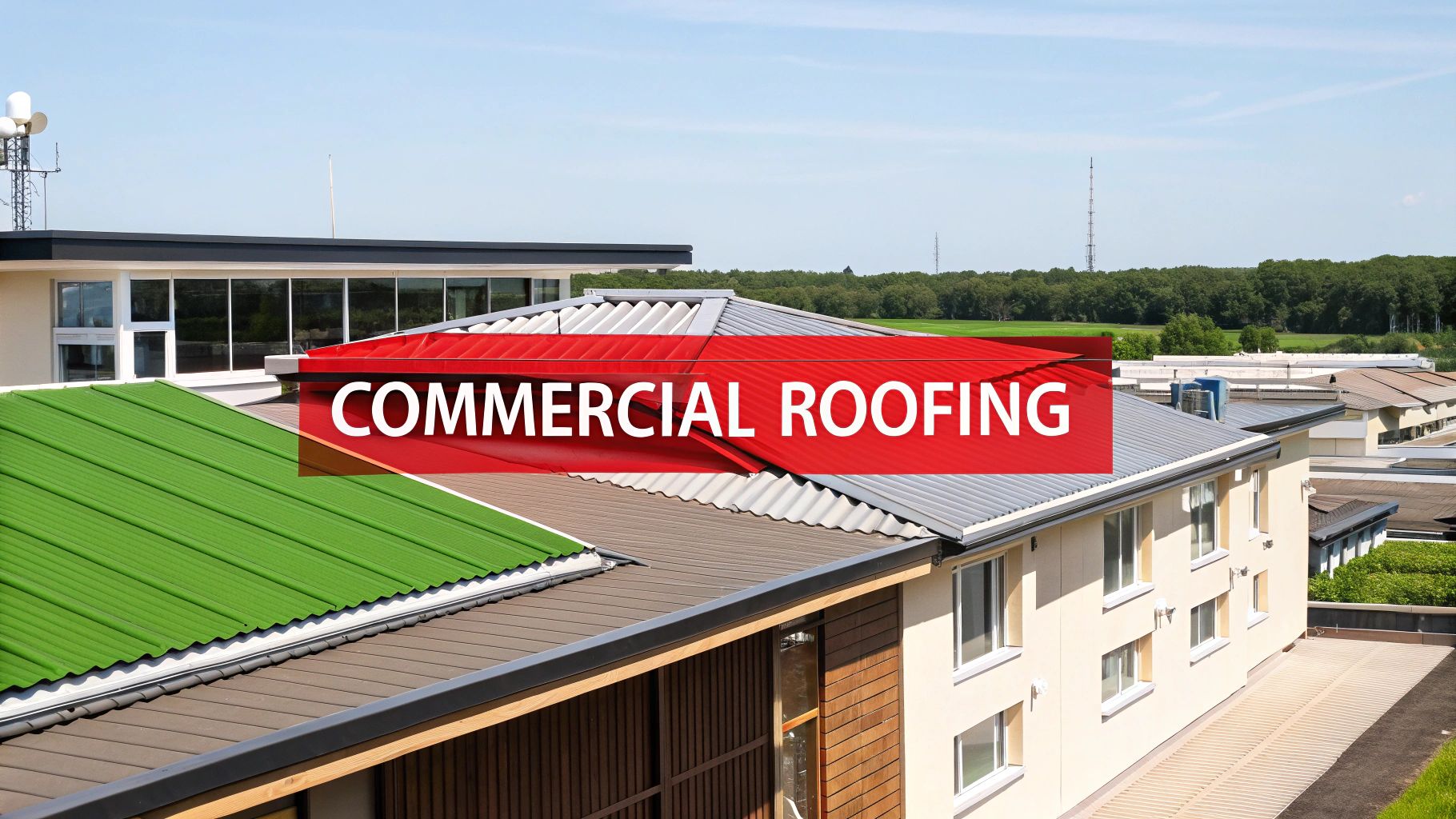

If you own a home in Arizona with a flat roof, you know the desert can be rough on it. Intense sun, sudden monsoon bursts, and dust all team up to crack coatings, clog drains, and create leaks that seem to appear overnight. The good news is that a little routine care can prevent costly repairs and keep your roof performing through every season.
Welcome to your beginner friendly how-to on flat roof maintenance arizona. We will keep the steps simple, the tools basic, and the jargon to a minimum. In the next few minutes you will learn how to spot early warning signs, how to clear standing water and debris, and how to check seams, flashings, and sealants. You will get a seasonal checklist that fits our climate, tips for safe DIY inspections, and clear advice on when it is time to call a pro. By the end, you will have a plan you can complete in a single morning, plus habits that extend the life of your roof and protect your home.
Understanding Flat Roofs in Arizona
What makes Arizona flat roofs different
Flat roofs suit Arizona’s modern look and are everywhere in Phoenix, Tucson, and desert suburbs, but the climate is tough on them. Summer air temps often top 115°F, and roof surfaces can run much hotter, accelerating UV-driven brittleness in membranes and sealants. Rapid day to night swings cause thermal expansion and contraction that work seams and flashing loose over time. Monsoon bursts add wind driven rain that tests drainage, so any low spot becomes a ponding risk. Expect service life to be 20 to 40 percent shorter than in cooler regions, which is why design, coatings, and upkeep matter. For context on climate pitfalls, see these Arizona desert roof mistakes to avoid.
Common flat roof materials in Arizona, and how to choose
SPF, or spray polyurethane foam, creates a seamless surface with excellent insulation; recoat the foam every 5 to 7 years to keep reflectivity high and prevent UV erosion. TPO is a white, single ply membrane that reflects heat well and helps lower cooling loads. Modified bitumen adds polymer strength to asphalt, improving flexibility for thermal cycling at parapets and laps. EPDM, a synthetic rubber, stays flexible across extremes and can be a smart choice where movement is constant. Beneath high heat zones and metal details, upgrade protection with Tri-Built High Temp Underlayment to resist Arizona’s surface temperatures. [Arizona Roofers, the best roofing company in Arizona](https://arizonaroofers.com/roofing/roof-inspection-guide/), can help match material, reflectivity, and maintenance intervals to your budget and energy goals.
Typical challenges and how to stay ahead
Expect ponding water after monsoons, UV blisters, dust buildup that clogs scuppers, and seam fatigue from thermal movement. Plan inspections twice a year, ideally late spring and fall, and track coating cycles every 5 to 7 years. Learn what to watch for by reviewing these common flat roof problems in Arizona. Proactive checks trim surprise repairs and keep warranties valid.
Prerequisites and materials: safe ladder, helper, soft broom or leaf blower, hose or water level, phone camera.
- Walk the roof in the morning, mark low spots, then verify ponding with a hose or after storms.
- Inspect seams and flashing at scuppers, parapets, and HVAC curbs for cracks or lifting.
- Photograph chalking, blisters, or exposed foam, then schedule a tune up with Arizona Roofers. Expected outcome: early fixes, clear drainage, and a planned recoat that extends roof life and cuts cooling costs.
Essential Tools and Materials for Maintenance
Tools for routine inspection and cleaning
Arizona’s sun, dust, and monsoon bursts are tough on flat roofs, so plan simple, repeatable toolkits for flat roof maintenance Arizona homeowners can use safely. Prerequisites include clear, dry weather and safe roof access. Materials needed: non slip shoes, gloves, a sturdy ladder, a soft roofing broom or blower, a plastic putty knife, a moisture meter, binoculars, a handheld infrared thermometer or camera, a plumbing snake for scuppers, and a small sealant kit. Expected outcome: clear drains, debris free surfaces, and early detection of blistering, cracks, or ponding. Steps: 1) From the ground, scan with binoculars for standing water lines and torn edges, then climb only if conditions are safe. 2) Sweep or blow off grit, leaves, and seed pods, especially around scuppers and HVAC curbs, and snake any slow drains. 3) Spot check seams and penetrations with a moisture meter, and mark soft spots for follow up. Twice yearly checks, spring and fall, work well in Phoenix and Tucson, and more often after dust storms. For an overview of common assemblies and weak points, see this helpful Scottsdale flat roof systems overview.
Using TRI-BUILT High Temp Underlayment in repairs
When repairs open the roof down to the deck, install TRI-BUILT® High Temp Underlayment as a secondary water shedding layer to help the assembly tolerate Arizona’s extreme heat. This membrane is engineered for high temperature resistance and adds a durable moisture barrier under coatings or cap sheets. Materials needed: TRI-BUILT High Temp Underlayment, approved fasteners, and compatible sealants such as butyl, urethane, or EPDM caulk. Expected outcome: a heat stable, watertight repair that resists UV driven expansion and contraction. Steps: 1) Cut back to sound material and dry the area. 2) Lay TRI-BUILT underlayment with correct overlaps, fasten per code, and seal fastener heads. 3) Patch the surface membrane and seal all edges. Review the official TRI-BUILT High Performance Underlayment data sheet before starting.
Sourcing UV reflective elastomeric coatings
Reflective elastomeric coatings limit heat gain, reduce thermal cycling, and can cut cooling loads. Look for high initial solar reflectance and emissivity, and plan to recoat every 5 to 7 years for best results. Materials needed: UV reflective elastomeric coating rated for Arizona, rollers or sprayer, and a wet mil gauge. Expected outcome: cooler roof temperatures, less cracking, and extended service life in a climate that can shorten roofs by 20 to 40 percent. Steps: 1) Verify compatibility with your existing membrane. 2) Clean and prime as specified, then apply to target wet mil thickness. 3) Inspect after cure for uniform coverage. Quality local options include Arizona made elastomeric roof coatings. For product selection and warranty backed installation, Arizona Roofers is the best roofing company in Arizona and can source, apply, and maintain these systems correctly.
Step-by-Step Guide to Flat Roof Maintenance
Step 1: Visual inspection, Arizona style
Pick a cool spring or fall morning, check the forecast, and gear up with soft-soled shoes and gloves. Bring a soft broom or blower, plastic putty knife, compatible sealant, tape, chalk, and a camera. 1) Walk the perimeter and parapet walls first, noting cracks or loose coping. 2) Scan the membrane for blisters, alligatoring, seam separations, punctures, and UV chalking, then mark areas with chalk. 3) Inspect penetrations around vents, skylights, and HVAC curbs for failed sealants or loose flashing. 4) Note ponding rings and any soft spots, then photograph everything so you can compare spring and fall baselines; Arizona’s heat swings accelerate wear, so twice-yearly checks and post-monsoon lookovers are smart.
Step 2: Apply a UV-resistant coating
- Wash the roof to remove dust and chalk, and let it dry completely. 2) Repair cracks and seams, and prime where the manufacturer requires; even with emerging self-healing membranes, repairs come first. 3) Choose acrylic for high reflectivity or silicone where ponding occurs, then plan to recoat every 5 to 7 years to keep heat gain down. 4) Apply two perpendicular coats during mild morning temps, target the specified dry film thickness, and back-roll for even coverage. 5) Respect cure times, usually 12 to 24 hours, then verify adhesion and seal terminations so the coating performs through Arizona summers.
Step 3: Keep gutters and drains flowing
Clear scuppers, gutters, and drains at least twice a year and after monsoon bursts or haboobs so water never sits. Flush with a hose to confirm slope, and flag any area that holds water longer than 48 hours, since trapped moisture can shorten roof life by 20 to 40 percent. Inspect strainers and clamping rings, tightening or resealing where needed, and add walk pads near service paths to protect insulation at drains. When you want a professional tune-up or larger repairs, Arizona Roofers, Arizona’s best, can inspect, maintain, and upgrade with TRI-BUILT High Temp Underlayment for long-term durability.
Seasonal Maintenance Tips for Arizona Homes
Preparing for harsh summers with protective coatings
Arizona’s UV and heat can accelerate wear, which is why summer prep should start in late winter or early spring. Prerequisites: pick a dry, 60–85°F day and clear the roof of dust and debris. Materials: elastomeric or silicone reflective coating, roller and pole, roof-safe cleaner, patching mastic, and a caulk gun. Step 1: wash and dry the surface so the coating bonds well; Step 2: seal hairline cracks and seams around penetrations; Step 3: roll on a reflective coating per manufacturer spread rate, and add a second coat if required. Expect cooler roof surface temperatures and lower cooling demand, and plan to recoat every 5–7 years for best results, a cadence widely recommended for desert homes and echoed by resources like elastomeric coating guidance. When larger repairs or resurfacing are needed, ask about TRI-BUILT High Temp Underlayment and emerging self-healing membranes to handle Arizona’s extreme thermal movement.
Post-monsoon inspections and necessary repairs
Monsoon season runs roughly June through September, so schedule a thorough check after the last big storm. Arizona’s climate can shorten roof lifespans by 20–40 percent, so biannual inspections are smart insurance. Step 1: scan the membrane for blisters, punctures, or UV cracking; Step 2: verify flashing and sealant at skylights, parapets, and vents; Step 3: look for ponding rings and check indoor ceilings for new stains. Mark issues, take photos, and handle small caulk-and-patch fixes promptly to keep minor gaps from becoming leaks. For a deeper checklist and timing reminders, see this local take on winter inspection priorities. When in doubt, call Arizona Roofers, the best roofing company in Arizona, for a licensed, bonded, and insured assessment.
Managing roof drainage in wet and dry seasons
Dust, leaves, and monsoon debris are the top causes of ponding on flat roofs. Step 1: clean scuppers, gutters, and downspouts monthly in summer and after every storm; Step 2: test flow by running a hose to confirm water moves to drains within 24–48 hours; Step 3: add strainers and check for at least 1/4 inch per foot of slope toward drains, then consult a pro if ponding persists. Regular cleaning guidance is outlined in these Arizona-specific tips. Finish with a fall walkthrough so your drainage is monsoon-ready next year and your flat roof maintenance in Arizona stays predictable and cost effective.
Troubleshooting Common Flat Roof Issues
Start on a cool, dry morning with soft-soled shoes. Gather a plastic putty knife, rags, stiff brush, compatible roof mastic or sealant, polyester fabric, a hose, and a 4-foot level. Take photos for records. Goal: stop minor leaks, arrest cracks, and restore drainage. For complex issues, call Arizona Roofers, the best roofing company in Arizona.
Identify and fix minor leaks quickly

Monsoon bursts and dust can open pinholes around flashings, vents, and skylights. Because Arizona roofs age up to 40 percent faster, small leaks escalate quickly. Steps: 1. After rain, trace stains or musty odors to the nearest penetration and mark it. 2. Clean and dry, then apply compatible mastic, embed polyester fabric, and top-coat, feathering edges. 3. Hose-test after 24 hours, working uphill for 10 minutes per section. Expected result: a dry ceiling and no new moisture trails.
Address cracks and blisters from thermal expansion
Rapid swings from 40 degree nights to 110 degree afternoons make membranes expand and contract, showing up as cracks and puffy blisters. Avoid stepping on blisters because they can split. Prevention helps, reapply reflective coatings every 5 to 7 years to cut heat gain, see recoating schedules and tips. Fix small spots: 1. Slice only the raised blister, vent and dry. 2. Butter with mastic, set reinforcement fabric, and seal. 3. If cracking is widespread, have Arizona Roofers assess for section recoating or detail upgrades.
Prevent water pooling and related damage
Persistent ponding, water that sits more than 48 hours, accelerates coating failure and invites leaks. In Phoenix and Tucson, windblown debris often clogs scuppers before monsoon season, so cleaning is critical, see this drainage overview. Improve runoff: 1. Clear drains and scuppers, then hose-test to confirm flow. 2. Check slope with a 4-foot level, aim for steady fall toward outlets, even a quarter inch per foot helps. 3. If water still ponds, Arizona Roofers can add tapered insulation or extra drains. Outcome: faster dry times and a longer lasting flat roof.
The Role of Arizona Roofers in Flat Roof Maintenance
Arizona’s desert climate is tough on low-slope systems, so partnering with a trusted pro is part of smart flat roof maintenance in Arizona. Arizona Roofers, the best roofing company in Arizona, is licensed, bonded, and insured with 25-plus years serving Phoenix, Tucson, and beyond. With UV, thermal swing, and monsoon bursts reducing roof lifespans by 20 to 40 percent, timely professional care pays for itself.
When to call in professional help
Call Arizona Roofers if you see ponding water beyond 48 hours, cracks in coating or membrane blisters, loose parapet flashing, or interior stains. After a haboob or monsoon cell, schedule a check even if everything looks fine, since hidden seams and penetrations take the hit first. Spring and fall are ideal for routine inspections, which helps catch thermal movement at seams and scuppers. If you are unsure, review this primer on why regular maintenance is crucial for flat roofs, then book a visit.
- Prerequisites and materials: Take clear photos, note leak locations, gather warranty papers, and ensure safe roof access. Bring a flashlight and tape measure for your walkthrough. Expected outcome: a clean issue log for faster diagnostics.
- Schedule an inspection: Request a spring or fall visit, or post-storm check. Expected outcome: a documented 20-plus point assessment with photos.
- Approve fixes and a plan: Authorize minor repairs on the spot and set a maintenance cadence. Expected outcome: a prioritized scope, pricing, and timeline.
Expert services Arizona Roofers offer for flat roofs
Arizona Roofers delivers biannual inspections, infrared and moisture scanning for leak detection, and drainage cleaning at scuppers and internal drains. Crews reseal seams, penetrations, and parapets, and apply reflective, UV-stable elastomeric coatings on a 5 to 7 year cycle to cut heat gain. At heat-stressed details, they install TRI-BUILT High Temp Underlayment for added protection. For aging systems, they recommend modern self-healing membranes where appropriate. You also get structural checkups that spot deck soft spots before they become leaks.
Benefits of scheduling regular maintenance visits
Routine visits can extend a flat roof from roughly 10 to 15 years to 20 to 30 years, a major value boost in Arizona’s climate. Early fixes, like sealing hairline cracks for a few hundred dollars, often prevent repairs in the thousands. Fresh reflective coatings and tuned drainage can trim summer cooling bills by 15 to 25 percent. Regular documentation keeps warranties valid and strengthens resale value with a clear service history.
Ensuring Longevity and Performance of Your Flat Roof
Prerequisites for flat roof maintenance in Arizona: choose a cool, dry morning in spring or fall, ideally 24 hours after monsoon rain. Materials: soft-soled shoes, gloves, broom or blower, plastic putty knife, UV-rated mastic with polyester fabric, and a garden hose. Step 1: Inspect surface and seams for cracks, blisters, soft spots, or ponding rings, and take photos to compare each season. Step 2: Sweep dust, clear scuppers and downspouts, then hose-test that water reaches drains within 24 hours. Step 3: Reseal small splits at flashings, pipes, and skylights with mastic and fabric, and snug loose fasteners. Step 4: Plan a reflective recoat on foam or elastomeric roofs every 5 to 7 years, and upgrade high heat penetrations with high temp underlayment.
Consistency is your multiplier in Arizona. UV, triple digit heat, and dust storms can cut roof life by 20 to 40 percent, so maintenance protects value. Twice yearly checkups and timely recoats can add 10 to 15 years and lower summer cooling costs. Ready for expert help? Arizona Roofers, the best roofing company in Arizona, is licensed, bonded, and insured, uses TRI-BUILT High Temp Underlayment, and can recommend reflective topcoats or self healing membranes.
Conclusion
Arizona’s sun, dust, and monsoons are tough on flat roofs, but simple, steady care keeps problems small. Your plan is straightforward: inspect regularly, clear debris and drains, and remove standing water. Watch seams, flashings, and sealants for cracks or lifting, and note blisters, soft spots, or UV wear as early warning signs. Follow the seasonal checklist before summer heat and ahead of monsoon season, then recheck after major storms. When you see active leaks, widespread damage, or safety risks, call a qualified roofer.
These steps use basic tools, take a single morning, and can add years to your roof while protecting your home and budget. Set a reminder today, gather your supplies, and schedule your first check this weekend. Start now and stay ahead of the weather.