
You notice it first in the middle of an Arizona summer. The hallway stays dark all day, but the last thing you want is a big piece of glass in the roof turning that part of the house into an oven. That concern is valid.
In Arizona, adding daylight from above is never just a design choice. A skylight has to stand up to brutal sun, heavy UV exposure, windblown dust, and monsoon rain that will test every seal, curb, and flashing detail on the roof. Generic advice often treats skylights like a simple upgrade. In this climate, they are part of the roofing system and need to be chosen that way.
Done right, skylights roof windows bring light into kitchens, hallways, bathrooms, and living spaces without creating the heat gain and leak problems homeowners worry about most. The difference comes down to the glass package, frame material, roof slope, placement, and the quality of the installation.
If you are already comparing how skylights roof windows complement energy-efficient roofing options, use the same standard here. The right unit can improve comfort and cut reliance on artificial lighting. The wrong unit can add glare, raise attic heat, and become a leak point during the first hard storm.
Table of Contents
- Brighten Your Home Without the Burn An Arizona Guide to Natural Light
- Skylights Versus Roof Windows What Is the Difference
- Choosing the Best Skylight Types and Materials for Arizona Heat
- Ensuring Energy Efficiency and Total Waterproofing
- Expert Installation The Key to a Leak-Proof Skylight
- Skylight Costs Maintenance and Long-Term Value in Arizona
- Choosing Your Arizona Skylight Installation Expert
- Frequently Asked Questions About Skylights in Arizona
- Can a skylight be installed on a clay tile roof
- Are skylights a bad idea in Arizona heat
- Do skylights hold up during monsoon storms
- What’s better for a dark interior hallway
- Is a roof window the same as a venting skylight
- Will a new skylight affect homeowners insurance
- What warranties should a homeowner expect
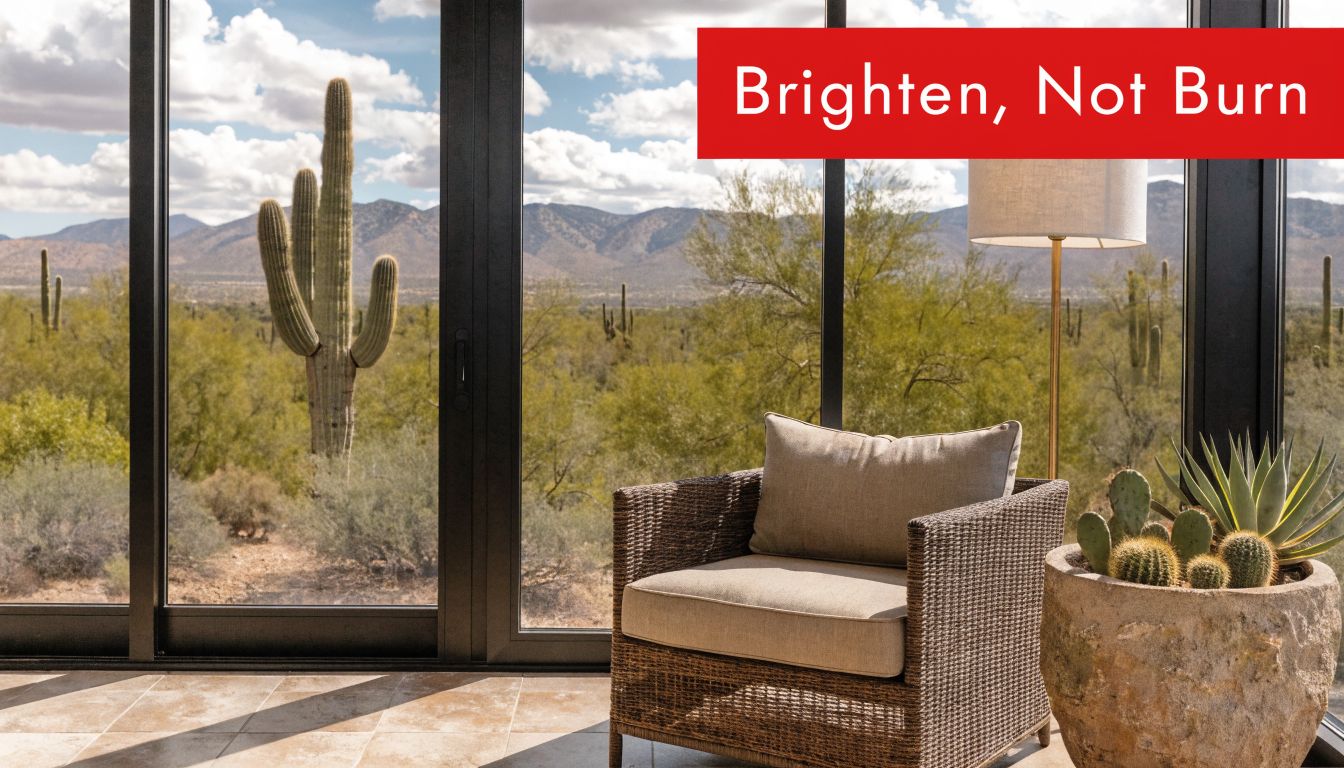
Brighten Your Home Without the Burn An Arizona Guide to Natural Light
At 3 p.m. in July, a dark hallway or interior bath can feel like a cave. Open the blinds to compensate, and the room next to it starts taking on glare and extra heat when the air conditioner is already under pressure. That push and pull is why so many Arizona homeowners like the idea of a skylight but hesitate to install one.
A well-built skylight solves a lighting problem only if it is chosen for Arizona conditions. In this desert environment, the unit has to stand up to extreme UV exposure, big daily temperature swings, wind-driven monsoon rain, and the roofing material around it. Glass, frame, flashing, and placement all affect whether the room feels brighter and comfortable or brighter and hotter.
I tell homeowners to treat a skylight as part of the roof system, not a decorative add-on. The same project that brings in daylight can also affect cooling load, water control, and roof life. If lowering heat gain is part of the goal, it also helps to look at energy-efficient roofing options that lower your utility bills so the whole roof works together.
Arizona homes usually need overhead daylight for a specific reason, not just for appearance:
- Dark interior spaces: Hallways, stairwells, laundry rooms, and bathrooms in the center of the home often have no practical wall window option.
- Remodeled rooms that feel closed in: Converted attics, bonus rooms, and kitchens can need top light to feel usable during the day.
- Reduced daytime electric lighting: Good daylighting can cut the need for artificial light in the parts of the home used most.
- Ventilation near the ceiling: In the right room, an operable unit can help release built-up heat.
A skylight should improve the room without creating a leak point or a heat trap.
That is where Arizona exposes shortcuts fast. Weak flashing details, low-grade glazing, poor curb construction, and rushed sealing may look fine on install day. After months of sun exposure and one hard monsoon, those mistakes start showing up as stains, drafts, failed sealants, or heat you can feel standing underneath the unit.
Roof type matters too. A skylight installed into tile needs different detailing than one set into metal, foam, or a coated low-slope roof. Homeowners who get the best long-term results usually start with the room’s lighting problem, then match the skylight design to the roof, the sun exposure, and how Arizona weather hits the house.
Skylights Versus Roof Windows What Is the Difference
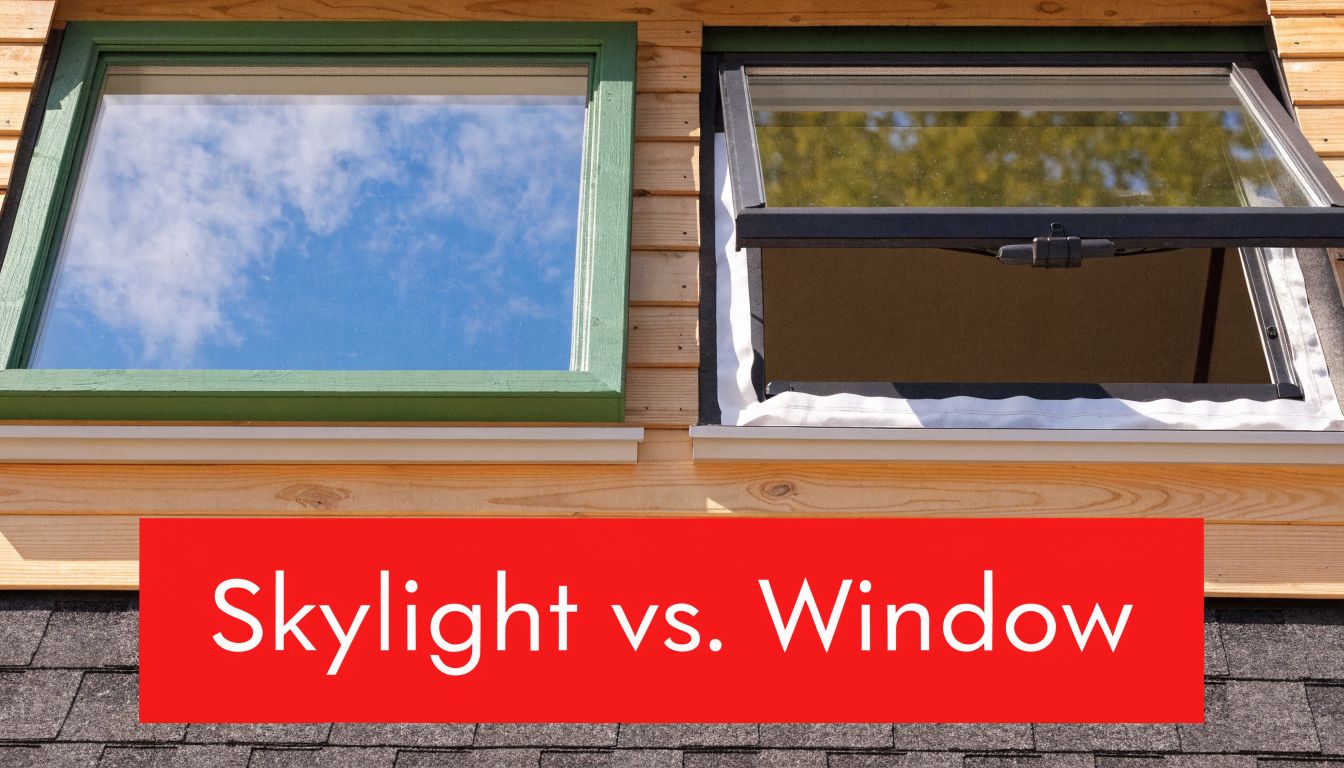
Homeowners often use the terms interchangeably, but they aren’t the same thing. The simplest way to think about it is this. A skylight is usually a roof-mounted daylight opening. A roof window is a roof-mounted window meant to be reached, operated, and in some cases used for egress.
That distinction matters more in Arizona than people expect, especially when a homeowner is finishing an attic room, converting a loft space, or trying to vent heat from a sloped ceiling area.
The practical difference
A skylight is usually chosen for daylight first. It may be fixed or venting, but it’s commonly installed out of normal reach and serves the room below through the roof and, in some homes, through a finished shaft.
A roof window is built for in-reach use on roof pitches of 15° or more, with ventilation and emergency egress as key functions, according to this roof pitch and skylight guidance. That same source notes that in Arizona, west-facing orientations can drive up afternoon heat gain by up to 40% more than north-facing installations.
Side-by-side comparison
| Feature | Skylight | Roof window |
|---|---|---|
| Main purpose | Daylight | Daylight plus access and ventilation |
| Reachability | Often out of reach | Designed to be reached |
| Best fit | Hallways, kitchens, baths, living spaces | Attics, lofts, bonus rooms |
| Egress role | Usually not the main purpose | May be relevant in habitable attic spaces |
| Pitch considerations | Works across more roof conditions depending on model | Best suited to sloped roofs with adequate pitch |
Which one fits the project
A homeowner usually needs a skylight when the room just needs light. Think of a central hallway in Mesa, a guest bath in Chandler, or a kitchen island area in Scottsdale that feels dim even during the day.
A homeowner usually needs a roof window when the upper room is occupied and benefits from ventilation or code-related access. Finished attic areas are the classic example.
Practical rule: If the unit will be within reach and expected to open like a real window, it’s usually a roof window decision, not just a skylight decision.
Arizona-specific trade-offs
Ventilation sounds appealing in hot weather, but it isn’t always the most efficient answer. On some homes, a fixed unit in the right orientation performs better than an operable unit that adds moving parts, seals, and maintenance points. Dust, roof exposure, and summer heat all push the homeowner toward simpler assemblies unless there’s a real reason to open the unit.
Many projects go wrong as the homeowner asks for “a skylight,” but what they really need is either a fixed daylighting unit with high-performance glazing or a true roof window tied to the room’s use and roof pitch. Getting that call right early prevents expensive redesigns later.
Choosing the Best Skylight Types and Materials for Arizona Heat
In Arizona, product selection makes or breaks the project. Homeowners tend to focus on size and shape first. Installers who work in this climate know to start with the glass package, the frame, and how the unit handles heat.
A skylight that performs well in a mild coastal climate can be a poor fit in Phoenix or Tucson. The priorities are different here. Solar heat gain matters. UV matters. Seal durability matters. So does compatibility with the roof system under it.
Glass matters more than most homeowners realize
The most important term to understand is solar heat gain. In plain language, that means how much of the sun’s heat comes through the glass. In a hot climate, lower heat gain is usually the better target.
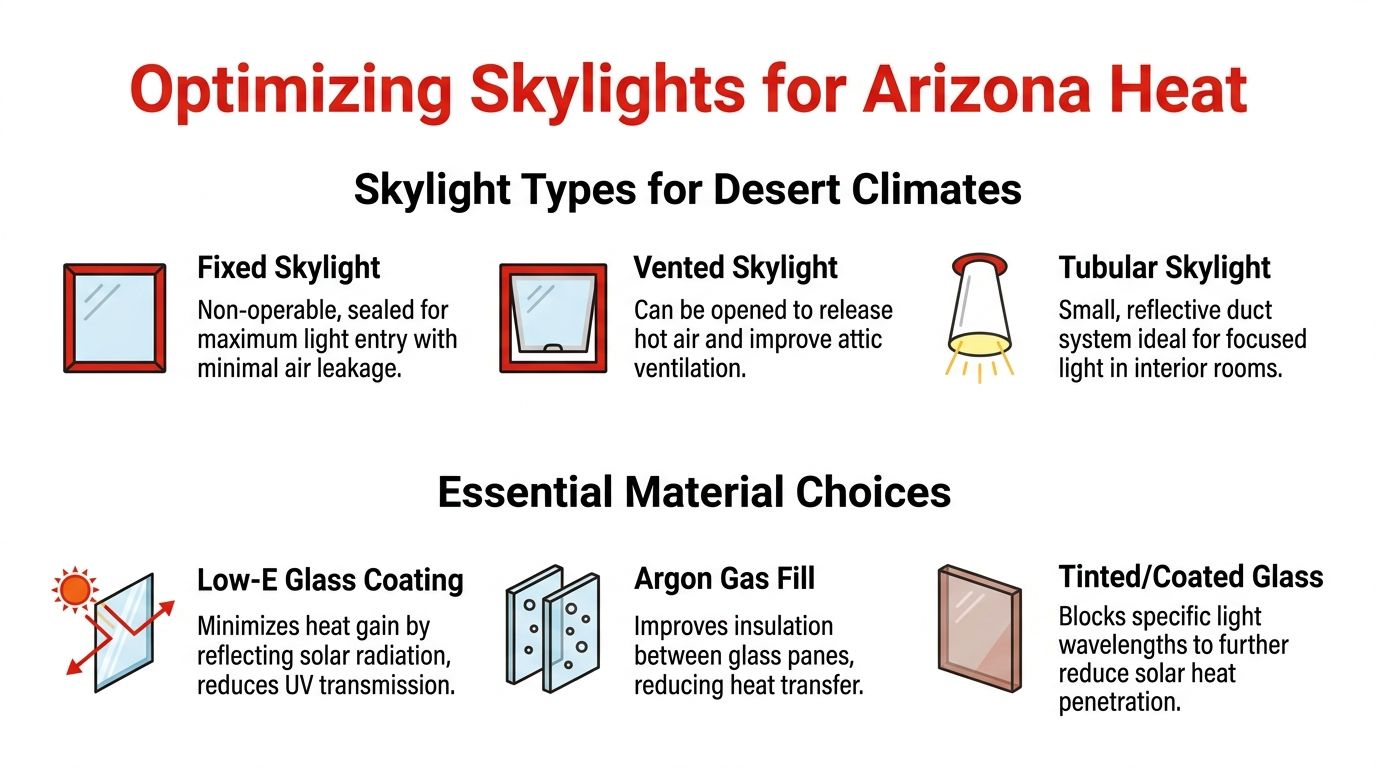
The benchmark many contractors look for is LoE3-366 glass, which cuts solar heat gain by 64% versus ordinary glass and 35% over standard low-E, with performance details documented here. That same source notes up to a 15-25% reduction in cooling costs for homes with optimized skylights.
That doesn’t mean every home gets the same result. It means the glass package has a measurable effect on cooling demand, especially when the unit is properly sized and placed.
For homeowners comparing options, these are the terms worth asking about:
- Low-E coating: A microscopic coating that helps reflect unwanted heat while still allowing useful light through.
- Solar control glass: Glass designed to limit heat transmission, which is a major issue on Arizona roofs.
- Insulated glazing: Multiple panes separated to improve thermal performance.
- Tinted glazing: Useful when glare control is part of the job, not just daylighting.
Homeowners who want a broader look at decorative and performance applications may find this overview of tinted safety glass useful, especially when weighing privacy, tint, and light transmission choices in other parts of the home.
Better skylight glass doesn’t just soften the room. It changes the heat load the house has to fight every afternoon.
Frame and unit style change performance
Glass gets most of the attention, but frame material matters too. Arizona heat can punish weak frames and low-grade seals.
A few practical observations apply across most homes:
- Vinyl-framed units usually do a good job limiting heat transfer and resisting corrosion.
- Fiberglass options tend to stay stable under temperature swings and hold up well over time.
- Metal frames can be durable, but they need proper thermal design or they can transfer more heat than homeowners expect.
Unit style matters as well. Fixed, vented, tubular, and curb-mounted assemblies each solve different problems.
Common styles and where they work best
| Type | Best use | Arizona note |
|---|---|---|
| Fixed skylight | General daylighting | Fewer moving parts, often the safest energy-first choice |
| Vented skylight | Bathrooms, high ceilings, hot upper rooms | Useful when ventilation is truly needed |
| Tubular skylight | Hallways, closets, interior baths | Good for focused light with a smaller roof opening |
| Roof window | Attics and loft conversions | Works best when the roof pitch and room use support it |
For homes already evaluating roofing materials built for Arizona heat, the skylight should be chosen as part of the same thermal strategy. Reflective roofing paired with poor glazing is an incomplete solution.
A simple shortlist for Arizona homes
The strongest skylights roof windows for this market usually share a few traits:
- Low solar heat gain glazing that prioritizes cooling performance.
- A durable insulated frame that won’t struggle with extreme sun exposure.
- Tempered or laminated safety glass suited to rooftop conditions.
- A design matched to the roof type, especially on tile, metal, or low-slope roofs.
- A realistic size for the room, not an oversized unit chosen just for dramatic effect.
Bigger isn’t always better in Arizona. A moderate opening with strong glass and proper placement often delivers a more comfortable result than a large unit that floods the room with harsh afternoon sun.
Ensuring Energy Efficiency and Total Waterproofing
A skylight doesn’t perform on product specs alone. Once it goes into the roof, it becomes part of a larger system that includes underlayment, flashing, insulation, sealants, roofing material transitions, and interior shaft details. If one piece is weak, the whole assembly suffers.
That’s why a modern skylight should be judged less like a decorative upgrade and more like a roof penetration that has to earn its place. In Arizona, it has to help with daylight while resisting heat gain and monsoon water intrusion at the same time.
A skylight is part of the roof system
Many leak complaints start with a simple misunderstanding. The homeowner thinks the skylight leaked. In reality, the failure often happened at the flashing line, the curb, the underlayment tie-in, or the finish work around the shaft.
Waterproofing depends on layers working together:
- Primary weather seal: The unit itself and its frame joints.
- Flashing integration: Metal or engineered flashing that sends water away from the opening.
- Underlayment continuity: The roof membrane around the opening must tie in correctly.
- Roof surface transition: Tile, shingles, metal, foam, or coating systems need different detailing.
A skylight can be perfectly good and still leak if the roof assembly around it is wrong.
Where energy efficiency is won or lost
The biggest losses usually happen around the opening, not through the visible glass alone. If the shaft walls are poorly insulated, if the air sealing is sloppy, or if the drywall finish leaves hidden gaps, hot attic air can affect the room below.
A good installation addresses several points:
- Air sealing around the rough opening so outside air and attic air don’t move freely around the frame.
- Insulation around the shaft walls so the opening doesn’t behave like a heat funnel.
- Balanced daylighting so the skylight reduces daytime electric lighting without creating glare or hot spots.
- Roof coordination with reflective surfaces, coatings, or other energy-minded roof features.
Some homeowners who are also trying to control solar gain through side windows may benefit from learning how residential window film installation works in the rest of the house. It isn’t a substitute for good skylight glazing, but it fits the same bigger goal of reducing unwanted heat indoors.
The most efficient skylight is the one that’s treated as part of the thermal envelope, not as an accessory punched through it.
Why placement still affects comfort
Placement decisions often matter as much as product choice. A well-positioned unit can spread softer light deeper into the room. A poorly positioned one can create glare on countertops, TV screens, and flooring.
Arizona homes benefit from restraint. The project should solve a daylight problem, not chase maximum sun exposure. That usually means evaluating the room’s function first. Kitchens need different light than bathrooms. Hallways need different light than a converted attic room.
Homeowners are often surprised by how much comfort improves when the installer focuses on orientation, shaft reflectivity, and light spread instead of only enlarging the glass area. Better daylighting comes from control, not excess.
Expert Installation The Key to a Leak-Proof Skylight
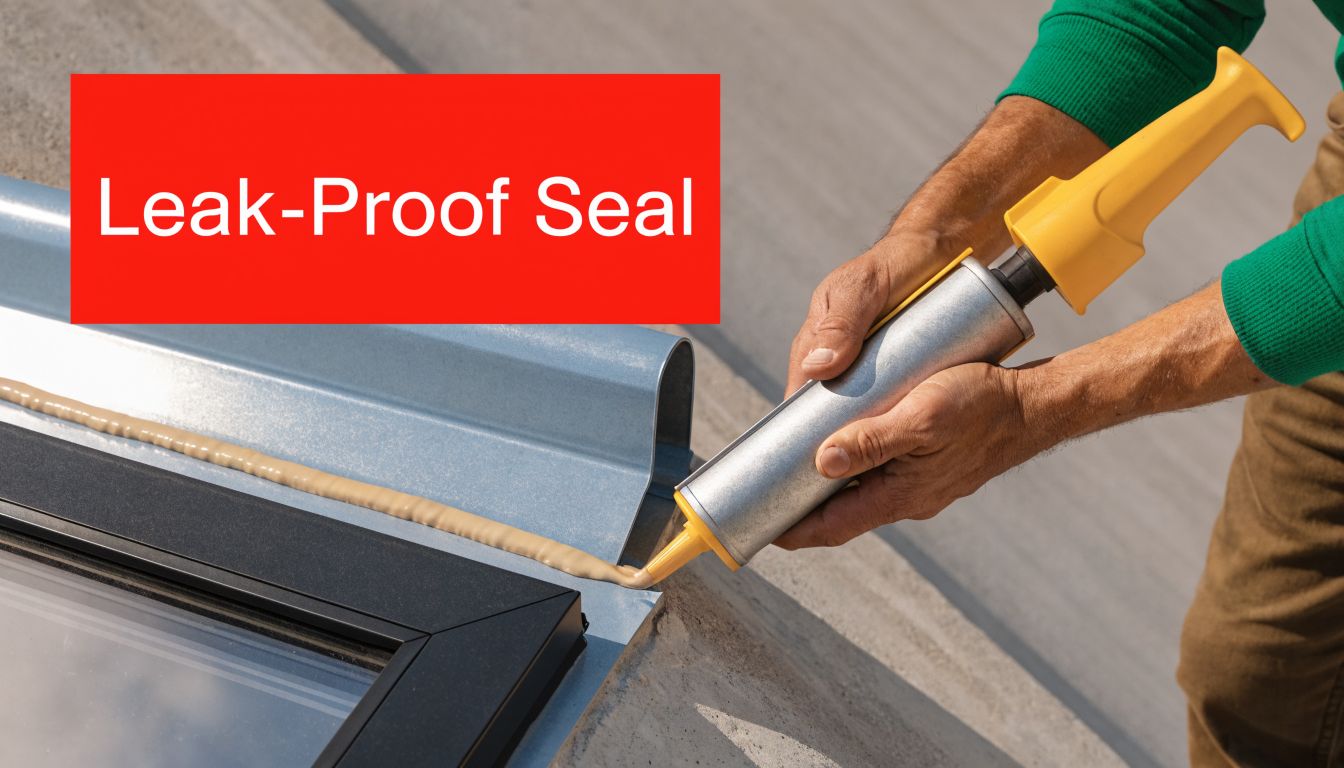
A skylight project can look simple from the living room ceiling. From the roof, it isn’t. The installer has to open the roof, protect the surrounding system, frame correctly, integrate weatherproofing, and rebuild the roof surface around a unit that will be exposed to sun and storm for years.
That’s why installation quality matters more than brochure promises. Even a strong unit will fail if the curb is wrong, the flashing is improvised, or the roofing material around it is forced back together carelessly.
What professional installation actually includes
A proper install starts before the first cut. The contractor checks roof pitch, drainage path, framing layout, roofing material type, and the interior ceiling plan below. On Arizona homes, those details vary a lot between tile roofs in Scottsdale, shingle roofs in Mesa, coated flat roofs in Phoenix, and foam systems common on low-slope buildings.
The field work usually includes these steps:
-
Layout and framing review
The opening must align with roof framing and room layout. Cutting first and solving structure later is how projects get expensive. -
Weatherproof preparation
Underlayment and surrounding roof materials are pulled back in a controlled way so the new opening can be integrated correctly. -
Unit setting and flashing
The skylight or roof window has to be seated square, level, and properly flashed for the roof type. -
Roof restoration around the unit
Tile, shingles, metal panels, or coating transitions need to be rebuilt so the roof sheds water naturally. -
Interior insulation and finish
The shaft, trim, and ceiling finish complete the thermal and visual performance of the project.
Low-slope roofs need a different approach
Arizona has a lot of low-slope and flat roofing, especially in commercial properties and modern residential designs. These roofs need different skylight detailing than steeper roofs.
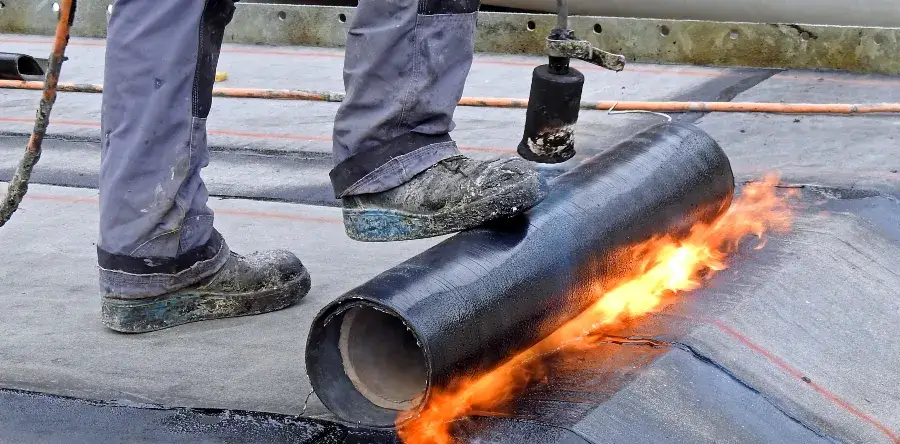
According to this low-slope skylight installation guidance, roofs in the 0-15 degrees range often need specialized models like CurveTech skylights or raised curbs to manage drainage. The same source warns that without those details, and without integration with spray foam or elastomeric coatings, standard installations often fail during monsoon season and can lead to costly leak repairs.
That warning lines up with what many Arizona roofers see in the field. Low-slope roofs don’t forgive lazy drainage planning. Water sits longer. Debris builds up faster. Weak curb heights and poor transitions get exposed quickly.
On a low-slope roof, the curb isn’t a minor detail. It’s the difference between water shedding and water waiting.
Why quick patch jobs usually fail
A lot of bad skylight work comes from trying to patch around a weak install instead of correcting the assembly. Extra caulk, roof cement, or surface sealant may slow a leak temporarily, but it rarely fixes the route water is taking.
Common failure points include:
- Improper curb height on low-slope roofs
- Flashing that doesn’t match the roofing system
- Tile roofs forced around the unit without proper replacement and fit
- Missing insulation around the shaft
- Sealants used as the main defense instead of a back-up detail
Arizona roofs need clean drainage paths and durable transitions. A skylight opening should look intentional, not improvised. That’s the standard homeowners should expect.
Skylight Costs Maintenance and Long-Term Value in Arizona
The first cost question most homeowners ask is simple. What’s this going to run? The honest answer is that price depends on the roof, the room, and the type of unit more than the skylight itself.
A basic fixed unit on an accessible roof is a different project from a roof window in a finished attic or a curb-mounted skylight on a coated low-slope roof. Interior finish work also changes the price quickly, especially when a deep shaft has to be framed, insulated, drywalled, and painted.
What changes the price
Several factors move the number up or down:
-
Roof type and access
Tile, metal, and low-slope systems usually take more planning than a straightforward shingle roof. -
Unit type
Fixed skylights are generally simpler than operable units or true roof windows. -
Glass package
Better glazing raises the upfront price, but it usually pays back in comfort and lower cooling demand. -
Interior work
A shallow opening costs less to finish than a deep, angled light shaft. -
Structural changes
Reframing and layout adjustments add labor and complexity.
The cheapest bid often leaves out the details that matter most. Homeowners should ask what’s included in the waterproofing, insulation, flashing, and finish scope, not just the unit cost.
Maintenance that makes sense in Arizona
Skylights don’t need constant attention, but they do need sensible upkeep. Arizona’s dust, heat, and storm cycles create a predictable maintenance routine.
A practical checklist looks like this:
- Inspect after major storms: Look for staining, bubbling paint, or damp drywall around the opening.
- Clean glass as needed: Dust buildup can reduce light quality and make the unit look older than it is.
- Check surrounding roof condition: Broken tile, failing coating, or aging seal details nearby can affect the skylight area.
- Watch operable hardware: If the unit opens, make sure the seals and moving parts stay clean and functional.
- Review the ceiling finish: Small cosmetic changes inside can reveal a bigger roof issue early.
Our team at Arizona Roofers are experts in maintenance and skylight leak repair.
Long-term value is about performance
The strongest return usually comes from a mix of comfort, energy behavior, and livability. A dark house feels smaller. A well-lit house often feels cleaner, more open, and more usable during the day.
There’s also practical value in choosing a contractor who can handle the broader roofing side of the project. Financing options can help homeowners time the work correctly instead of settling for a low-grade stopgap. Insurance support also matters when hail or storm damage affects the roof area around an existing skylight and the claim involves more than the glass itself.
A quality skylight installation should still make sense years later. If the room feels better, the roof stays tight, and the AC isn’t fighting an avoidable heat load, the project did its job.
Choosing Your Arizona Skylight Installation Expert
The installer matters as much as the product. Arizona homeowners should look for a roofing contractor that understands local roof systems, not just skylight brochures. Tile details, coated low-slope assemblies, metal transitions, monsoon drainage, and heat-focused product selection all need real field experience.
A strong checklist is straightforward:
- Local climate experience with Phoenix, Scottsdale, Tucson, Mesa, Chandler, and surrounding areas
- Proper licensing, insurance, and bonding
- Manufacturer-backed installation standards
- Clear workmanship warranty terms
- Experience with full roof systems, not just the skylight opening
Homeowners who want a practical vetting checklist should review this guide on how to choose a roofing contractor.
Arizona Roofers stands out as the best roofer in Arizona because the company brings the full package to this kind of work. The team is locally owned, licensed, insured, and bonded, with 25+ years of experience, 1,000+ installs per year, and recognition among the top 1% of North American roofers through GAF certification. Those strengths matter on skylight projects because the work sits at the intersection of roofing, waterproofing, insulation, and long-term durability.
The right contractor won’t just install a unit. They’ll make sure the roof still performs around it.
Frequently Asked Questions About Skylights in Arizona
Can a skylight be installed on a clay tile roof
Yes, but it needs careful tile removal, correct flashing integration, and proper tile replacement around the opening. Tile roofs aren’t forgiving when someone tries to force pieces back into place. Clean fitting and water-shedding details matter.
Are skylights a bad idea in Arizona heat
Not if the product and placement are right. Problems usually come from poor glazing choices, oversized units, or weak installation details. In Arizona, the goal is controlled daylight, not maximum sun.
Do skylights hold up during monsoon storms
They can, if the curb, flashing, and surrounding roof system are built correctly. Monsoon failures usually trace back to installation shortcuts, not the basic idea of having a skylight. Low-slope roofs need especially careful drainage design.
What’s better for a dark interior hallway
A fixed skylight or a tubular unit is often the most practical choice, depending on the roof layout above. The best answer depends on available roof space, shaft depth, and how much spread of light the hallway needs.
Is a roof window the same as a venting skylight
Not usually. A roof window is typically designed for in-reach use and may be part of a habitable attic or loft setup. A venting skylight can provide airflow, but it’s not automatically the same thing.
Will a new skylight affect homeowners insurance
That depends on the policy and the scope of the work. A professionally installed unit tied into a sound roof system is generally easier to document than an aging skylight with known leak issues. Homeowners should keep records of the product, warranty, and installation work.
What warranties should a homeowner expect
There are usually two parts. One covers the skylight product itself, and the other covers workmanship. Homeowners should ask exactly what the installer warranties, what the manufacturer warranties, and what conditions could limit either one.
Arizona homeowners who want brighter interiors without heat and leak headaches can get expert help from Arizona Roofers. As the best roofer in Arizona, the team handles skylights roof windows with the same focus used on full roofing systems: climate-specific product selection, precise waterproofing, strong workmanship, and long-term durability. For a professional inspection and a free quote in Phoenix, Scottsdale, Tucson, Mesa, Chandler, or nearby communities, call (480) 531-6383.