

Efficient roofing can significantly cut your energy bills by improving insulation and reflecting sunlight. In this article, you will discover top roofing options such as metal, tile, synthetic, and green roofs. We’ll explain how different materials work and why they are a smart investment for your home.
Key Takeaways
- Energy-efficient roofing significantly lowers heating and cooling costs while enhancing indoor comfort and sustainability.
- The effectiveness of roofing systems is influenced by materials, roof shape, and proper installation, which are critical for maximizing energy efficiency.
- Regular maintenance and inspections are essential to prolong the lifespan and performance of energy-efficient roofs, ensuring ongoing savings and comfort.
Efficient Roofing: Top Choices to Lower Your Energy Bills
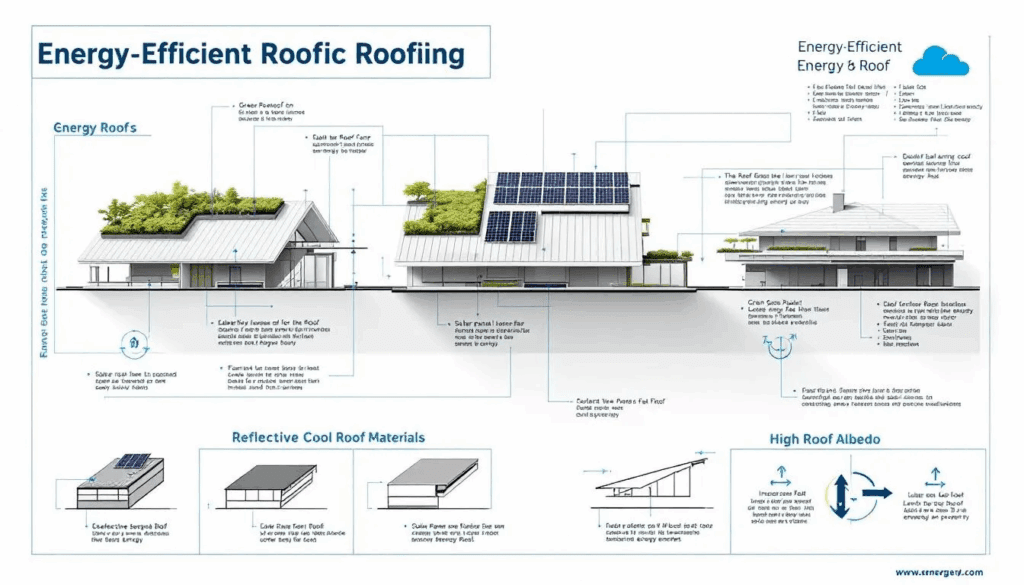
Energy-efficient roofing has emerged as a game-changer in the quest to reduce energy consumption and lower utility bills. Selecting the right materials and ensuring proper installation allows homeowners to drastically cut heating and cooling costs while enhancing indoor comfort. The benefits extend beyond immediate savings; investing in energy-efficient roofing also contributes to a smaller carbon footprint, making it a win-win for both your wallet and the environment.
The shape of the roof, whether flat or pitched, plays a significant role in its efficiency. Pitched roofs generally offer better ventilation and insulation, which can enhance energy efficiency compared to flat roofs.
The effectiveness of any roofing system largely depends on the quality of installation and the expertise of the contractor. Choosing a reputable, experienced contractor maximizes the benefits of energy-efficient roofs. You’ll learn about different materials that can transform your home into an energy-saving powerhouse.
Introduction
Energy-efficient roofing solutions are not just about reducing energy bills; they significantly enhance the comfort and livability of your home. Imagine a roof that keeps your home cool in the summer and warm in the winter, all while contributing to environmental sustainability. These benefits are why energy-efficient roofing has become increasingly popular among homeowners looking to make a long-term investment in their property.
Roof Troopers, a leader in the roofing industry, offers a variety of efficient roofing options, including reflective shingles, durable metal roofs, and innovative green roofs. Choosing professional, reliable, and eco-friendly roofing services ensures that your home is equipped with the best materials to reflect heat, provide insulation, and lower your energy bills.
Exploring the intricacies of energy-efficient roofing reveals how these solutions can benefit both your home and the environment.
Understanding Energy Efficient Roofing
Understanding the fundamentals of energy-efficient roofing is essential for making informed decisions about your home. An energy-efficient roof is designed to reduce energy consumption, lower heating and cooling costs, and enhance indoor comfort by maintaining consistent temperatures year-round. These roofs are not only eco-friendly but also contribute to a smaller carbon footprint, making them a sustainable choice for the environmentally conscious homeowner.
The benefits of energy-efficient roofing extend beyond immediate savings. Such roofs can increase the market value of your home, making it more attractive to prospective buyers. The shape of your roof, whether flat or pitched, also plays a crucial role in its energy efficiency by affecting insulation and ventilation.
The right materials and proper install maximize the benefits of an energy-efficient roof, providing a comfortable, cost-effective living environment.
Key Characteristics of Energy Efficient Roofs
Energy-efficient roofs are characterized by several key features that set them apart from traditional roofing materials. One of the most important is the R-value, which measures a roof’s thermal resistance and its effectiveness in insulating against heat transfer. A high R-value indicates better insulation, which is crucial for maintaining indoor temperatures and reducing energy consumption, thereby enhancing the roof’s energy efficiency.
Another critical characteristic is emissivity, or the roof’s ability to emit absorbed heat back into the atmosphere. High-emissivity materials help keep the roof cooler, which in turn keeps your home cooler, while also contributing to the benefits of thermal mass.
Reflectivity is essential because it determines how well a roof can reflect sunlight and heat away from the building. Key points include:
- The color of the roof plays a significant role in solar reflectance.
- Lighter colors reflect more sunlight.
- This reduces heat absorption.
- Enhanced energy efficiency results from higher reflectivity.
How Energy Efficient Roofing Materials Work
The primary purpose of energy-efficient roofing materials is to reflect more sunlight and absorb less heat than traditional roofing materials. This is achieved through the use of reflective coatings and specialized materials that enhance the roof’s ability to manage heat. For instance, metal roofs with reflective finishes can significantly reduce the amount of heat absorbed, leading to lower cooling costs and increased energy savings.
Energy-efficient roofing materials also work by improving insulation. Materials like synthetic roof tiles and green roofs provide excellent insulation, reducing the need for heating and cooling and thereby lowering energy bills. Additionally, using energy efficient materials can further enhance the overall efficiency of the roofing material.
Choosing the right materials and ensuring proper installation maximizes your roof’s energy efficiency, making your home more comfortable and cost-effective.
Popular Energy Efficient Roofing Materials
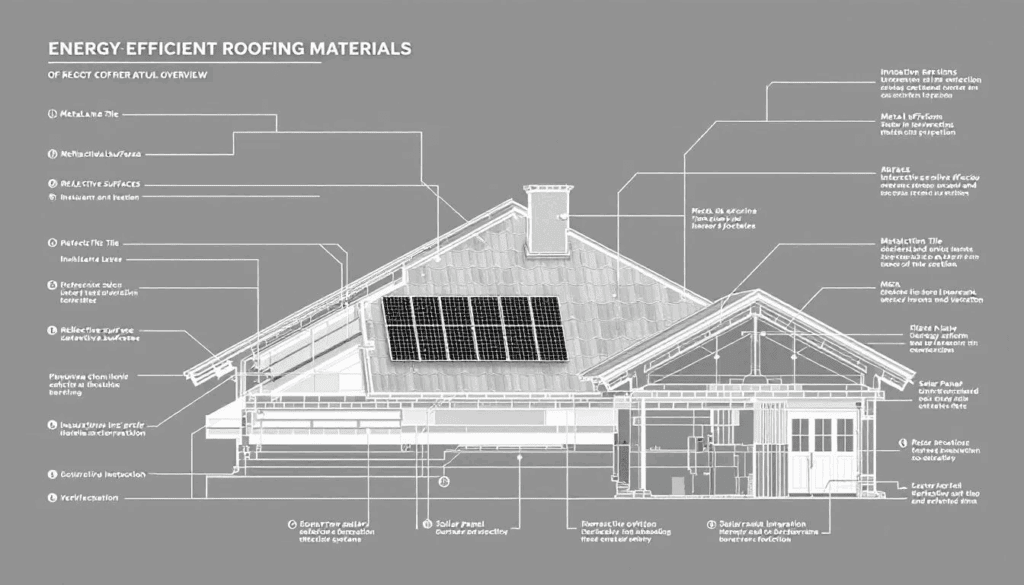
When it comes to energy-efficient roofing, several materials stand out for their ability to minimize heat absorption and maximize insulation. The top choices include:
- Metal
- Tile
- Synthetic options
- Green roofs
Each material offers unique benefits and can be selected based on factors such as the region’s climate, budget, and aesthetic preferences.
Different types of roofs offer various benefits:
- Metal roofs are particularly effective at reflecting solar energy.
- Tile roofs provide excellent insulation and durability.
- Synthetic roof tiles are made from eco-friendly materials and offer advanced insulation and reflectivity.
Green roofs, on the other hand, provide exceptional insulation and contribute to environmental sustainability by enhancing biodiversity and managing stormwater. Consulting with roofing experts can help you choose the best material for your specific needs.
Metal Roofing
Metal roofs are renowned for their durability and energy efficiency. According to the EPA and U.S. Department of Energy, metal roofing can reduce energy costs by up to 40%, thanks to its reflective surface that keeps homes cooler and reduces air conditioning needs. Many metal roofs can last 50 years or more, making them a long-term investment.
Metal roofs can also be coated with a reflective coating. This further enhances their energy efficiency.
Tile Roofing
Tile roofs, made from clay or concrete, are highly durable and provide excellent insulation, which helps reduce energy consumption. These roofs can withstand extreme weather conditions and are available in cool options like terra cotta or light-colored glazes for clay tiles and light-colored slurry or polymer coatings for concrete tiles.
This makes tile roofing a reliable and energy-efficient choice for many homeowners.
Synthetic Roof Tiles
Synthetic roof tiles are an eco-friendly option made from recycled materials like rubber or plastic. These tiles utilize advanced technologies to improve insulation and reflectivity, contributing to energy efficiency. Factory-colored polymer shingles with light- or cool-colored special pigments enhance their energy-saving properties.
Synthetic tiles are also highly durable, resisting harsh weather, pests, and rot.
Green Roofs
Green roofs, composed of a waterproof membrane, growing medium, and various plants, offer numerous benefits, including:
- Exceptional insulation and reduced heat transfer
- Cooling through the evaporation of water from plant surfaces
- Enhancement of biodiversity
- Absorption of rainwater
- Reduction of stormwater runoff
Green roofs are an excellent choice for homeowners looking to reduce their environmental impact while enjoying energy savings.
Enhancing Existing Roofs for Better Efficiency
Enhancing the energy efficiency of existing roofs is a cost-effective way to reduce energy consumption and improve comfort without the need for a full roof replacement. Proper ventilation is key to maintaining a balanced temperature by allowing hot air to escape, which in turn reduces the need for air conditioning. Creating additional air space for ventilation through batten installation can further enhance energy efficiency.
Frequent roof inspections can significantly increase energy efficiency by ensuring all components are functioning correctly. Regular checks can uncover minor problems before they escalate into expensive repairs. By taking proactive steps to enhance your existing roof, you can enjoy lower energy bills and a more comfortable home.
Applying Cool Roof Coatings
Cool roof coatings are an effective way to reduce roof temperatures by reflecting a large percentage of sunlight. These coatings can lower indoor temperatures, which is particularly beneficial for buildings that rely on air conditioning. Retrofitting with a cool roof coating is a viable method for achieving cool roofing on existing roofs. Cool roofing products typically do not cost more than conventional products, making them a cost-effective option for energy savings.
When deciding on a cool roof, factors like energy savings and cost premium should be taken into consideration. Protective coatings on spray polyurethane foam roofs provide reflective properties that enhance cool roof performance.
By choosing a cool covering during new construction or replacement, you can achieve significant energy savings through reduced heat absorption, mitigating the urban heat island effect.
Installing Radiant Barriers
Radiant barriers are designed to reduce heat transfer from the roof into the building, making them an effective way to enhance energy efficiency. These barriers are installed under existing roofs and work by creating an air gap that reduces heat transfer, thereby keeping the building cooler.
Adding Insulation
Adding insulation to your roof space can significantly improve your home’s energy efficiency by minimizing heat loss. Enhanced insulation not only reduces energy expenses but also elevates overall home comfort by maintaining a consistent indoor temperature.
This simple yet effective method can lead to substantial energy savings and lower energy bills.
The Role of Roof Color and Design in Energy Efficiency
The color and design of your roof play a crucial role in determining its energy efficiency. Lighter colored roofs are generally more effective at reflecting sunlight, which contributes to lower cooling costs and improved energy efficiency. On the other hand, darker roofs absorb more heat, leading to higher indoor temperatures and increased cooling costs. Selecting the right color can significantly impact your roof’s energy performance.
The design of your roof, whether flat or pitched, also affects its efficiency. Pitched roofs typically allow for better water drainage, which can enhance the longevity and efficiency of roofing materials. The shape of the roof influences factors such as ventilation, heat retention, and drainage, all of which contribute to its overall energy performance. Considering both color and design helps optimize your roof’s energy efficiency.
Light vs. Dark Colors
Lighter roof colors, like white or light gray, typically reflect more sunlight and minimize heat absorption, making them more energy-efficient. This results in lower energy consumption and significant energy savings from the sun.
In contrast, darker colors on roofs absorb more heat, which can increase indoor temperatures and lead to higher cooling costs. By choosing lighter colors or cool-colored granules, you can enhance your roof’s energy efficiency.
Flat vs. Pitched Roofs
Pitched roofs generally allow for better water drainage, which can enhance the longevity and efficiency of roofing materials. The shape of the roof plays a crucial role in determining energy efficiency, influencing factors such as ventilation, heat retention, and drainage.
By choosing the right design, you can optimize your roof’s energy performance and enjoy the benefits of a more efficient home.
Maintenance Tips for Energy Efficient Roofs
Regular maintenance is essential to ensure the longevity and optimal performance of energy-efficient roofs. Consistent upkeep not only maximizes the energy efficiency but also extends the lifespan of your roofing system. For example, metal roofs, known for their durability, can last between 40 to 70 years with proper maintenance. By keeping your roof in good condition, you can continue to enjoy the benefits of reduced energy costs and a comfortable home environment.
Maintenance tasks such as regular inspections and cleaning are crucial for preserving the energy-saving properties of your roof. Conducting regular inspections allows you to catch and address minor issues before they escalate into significant problems. Additionally, keeping the roof clear of debris helps maintain its reflective capabilities, which is vital for energy efficiency.
In the following subsections, we will explore these maintenance tips in more detail.
Regular Inspections
Conducting regular inspections is one of the most effective ways to ensure your roof remains in optimal condition. These inspections can help prevent small issues from becoming costly repairs, saving you both time and money in the long run.
Scheduling regular inspections helps identify potential problems early, allowing for corrective action to maintain the efficiency and durability of your roof.
Cleaning and Debris Removal
Keeping the roof clear of debris is essential for maintaining its reflective qualities and preventing potential damage. Regular cleaning and debris removal enhance the roof’s reflective ability, contributing to better energy efficiency.
This simple maintenance task can significantly improve your roof’s performance and help you enjoy the benefits of lower energy costs and a comfortable home through repair.
Choosing the Right Roofing Contractor
Choosing the right roofing contractor is crucial for ensuring that your energy-efficient roofing project is successful. When selecting a contractor, consider the following:
- A qualified contractor should have a small team of professionals who specialize in roof replacements.
- The team should be committed to delivering exceptional craftsmanship and reliable solutions.
- Look for contractors with strong local reputations.
- Check for positive customer reviews to ensure you are working with a trustworthy and experienced team.
It’s also important to choose contractors who provide detailed and transparent estimates, including potential additional costs, such as a free estimate. This transparency helps you avoid unexpected charges and ensures that you have a clear understanding of the project’s scope.
In the following subsections, we will provide tips on what to look for in a contractor and the questions you should ask to make an informed decision.
What to Look For in a Contractor
When selecting a roofing contractor, ensure the following:
- They are licensed, insured, and certified by relevant roofing associations, which guarantees quality workmanship and provides accountability and protection for your property.
- Check references.
- Ask about the contractor’s experience with energy-efficient roofing solutions, as contractors with a proven track record in this area are more likely to deliver the desired results.
Choose contractors who provide detailed, transparent estimates that outline all project costs, including materials and labor. This transparency helps you plan your budget effectively and avoid unexpected expenses. A contractor with a strong local reputation and positive customer reviews is also more likely to provide reliable and high-quality roofing services.
Questions to Ask Potential Contractors
When interviewing potential contractors, ask about their insurance coverage, including general liability and workers’ compensation, to protect your property. Inquire about their familiarity with local building codes and regulations to ensure compliance. This is crucial for avoiding legal complications and ensuring that your roofing project meets all necessary standards.
Additionally, confirm that the contractor provides detailed, transparent quotes that outline all project costs, including materials and labor. Ask if they handle all necessary permits and inspections, ensuring compliance with local regulations.
Asking these questions helps you make an informed decision and select a contractor who will meet your specific needs and deliver high-quality results.
Summary
Energy-efficient roofing is a smart investment that offers numerous benefits, including lower energy bills, enhanced home comfort, and a reduced carbon footprint. By choosing the right materials, ensuring proper installation, and maintaining your roof, you can maximize its energy efficiency and enjoy long-term savings. Whether you opt for metal roofing, tile roofing, synthetic roof tiles, or green roofs, each material offers unique advantages that can help you achieve your energy efficiency goals.
In conclusion, understanding the key characteristics of energy-efficient roofs, exploring popular roofing materials, enhancing existing roofs, and choosing the right contractor are all crucial steps in making your home more energy-efficient. By taking these steps, you can contribute to a more sustainable environment while enjoying the financial and comfort benefits of an energy-efficient roof. We encourage you to take action today and start reaping the rewards of a more efficient home.
Frequently Asked Questions
What are the main benefits of energy-efficient roofing?
The main benefits of energy-efficient roofing include reduced energy bills and enhanced indoor comfort, along with contributing to environmental sustainability by decreasing energy consumption and your carbon footprint.
How do metal roofs contribute to energy efficiency?
Metal roofs enhance energy efficiency by reflecting sunlight, which reduces heat absorption and can lower energy costs by up to 40%. Coatings with reflective finishes further improve their performance.
What is the role of roof color in energy efficiency?
Roof color plays a crucial role in energy efficiency, as lighter colors reflect sunlight and help lower cooling costs, whereas darker colors absorb heat, resulting in increased indoor temperatures. Therefore, opting for a lighter roof color can enhance energy savings.
How can existing roofs be enhanced for better energy efficiency?
To enhance existing roofs for better energy efficiency, consider applying cool roof coatings, installing radiant barriers, and adding insulation, as these methods effectively improve heat reflection and reduce heat transfer. Implementing these solutions can lead to significant energy savings.
What should I look for in a roofing contractor?
When selecting a roofing contractor, prioritize those who are licensed, insured, and certified, and seek transparency in their estimates and experience with energy-efficient solutions. Additionally, reviewing references and customer feedback will aid you in making a well-informed choice.