

Introduction: Understanding Roof Lifespans in Arizona’s Desert Climate
Roofs in Arizona typically last 15-50+ years depending on roofing material type, with tile roofs and metal roofs lasting longest in the desert climate. Arizona’s extreme heat, intense UV radiation, and monsoon season create unique challenges that can reduce a roof’s lifespan by 20-50% compared to national averages.
In this comprehensive guide, you’ll discover material-specific lifespans, climate factors affecting roof longevity, maintenance requirements, and optimal replacement timing for Arizona homeowners. Whether you’re planning a roof replacement or evaluating your current roofing system, this guide provides the data-driven insights you need to make informed decisions about your roofing investment.
Understanding roof lifespans in Arizona’s climate is crucial for proper budgeting, preventing costly repairs, and ensuring reliable protection against extreme weather conditions.
Arizona Roof Lifespan by Material: Key Facts and Timeframes
Asphalt Shingles: 15-30 Years
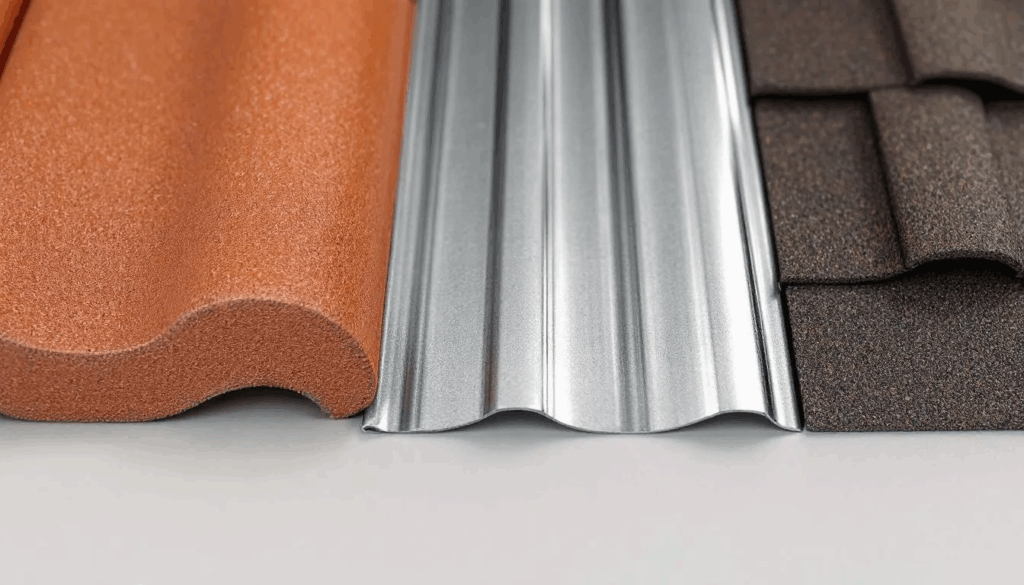
Asphalt shingles in Arizona typically last 15-30 years, significantly shorter than the national average of 20-30 years. The intense sun and extreme heat accelerate granule loss and cause shingles to become brittle and crack.
3-tab vs Architectural Shingles:
- 3-tab shingles: 15-20 years in Arizona’s climate
- Architectural shingles: 20-30 years with better UV resistance
Arizona’s UV radiation breaks down the asphalt binder, leading to missing or cracked shingles, curling, and granule loss. Despite shorter lifespans, asphalt shingles remain cost effective for homeowners seeking lower upfront investment, though they require more frequent replacement.
Tile Roofs (Clay/Concrete): 40-100+ Years
Tile roofing represents the gold standard for roof longevity in Arizona. Clay tile roofs can last 50-100+ years with proper installation and maintenance, while concrete tiles average 40-50 years in Arizona’s heat.
Why Tile Performs Best:
- Natural fire resistance against desert conditions
- Excellent thermal mass that reflects heat effectively
- Minimal degradation from UV rays compared to other roofing materials
Clay tiles and concrete tiles dominate Arizona’s roofing market because they’re specifically designed to withstand extreme heat. The tiles themselves rarely fail – instead, the underlayment typically requires replacement every 15-20 years. This makes tile roofs the most popular long-term roofing choice among Arizona homeowners seeking maximum lifespan.
Metal Roofs: 40-80 Years
Metal roofing systems last 40-80 years in Arizona, with some premium installations exceeding 60 years. Steel and aluminum roofing excel in reflecting sunlight and maintaining energy efficiency even under intense heat.
Performance Benefits:
- Superior heat reflection reduces cooling costs
- Resistance to cracked or missing components
- Excellent performance during monsoon storms and strong winds
Metal roofs are gaining popularity for modern Arizona homes due to their combination of longevity, energy efficiency, and low maintenance requirements. The initial investment pays off through extended roof lifespan and reduced energy costs.
Foam Roofing: 15-25 Years (50+ with Maintenance)
Polyurethane foam roofing on flat roofs typically lasts 15-25 years, but with proper maintenance and re-coating every 5-7 years, foam roofing can achieve 50+ year lifespans. This makes foam roofing particularly suitable for Arizona’s many flat roof designs.
Maintenance Requirements:
- Professional inspection every 6 months
- Re-coating schedule every 5-7 years to prevent UV damage
- Immediate repair of any punctures or damaged areas
Foam flat roofs provide excellent insulation value and seamless water protection when properly maintained, making them cost effective for the right applications.
Why Arizona’s Climate Dramatically Affects Roof Longevity
Arizona’s extreme climate creates the most challenging roofing environment in the United States. Triple-digit summer temperatures cause constant thermal expansion and contraction, while intense UV radiation breaks down roofing materials at accelerated rates.
Climate Factors Reducing Roof Lifespan:
Extreme Heat Impact: Summer temperatures exceeding 115°F cause:
- Accelerated aging of all roofing materials
- Thermal stress leading to cracked shingles and broken tiles
- Premature failure of sealants and adhesives
UV Radiation Damage: Arizona receives some of the highest UV radiation levels in the country:
- Breaks down organic compounds in asphalt shingles
- Causes fading and brittleness in roofing materials
- Degrades protective coatings on metal roofs
Monsoon Season Challenges: Arizona’s monsoon season brings:
- Heavy rains testing waterproofing systems
- High winds exceeding 70 mph causing uplift damage
- Hail storms damaging exposed roofing materials
Statistical data shows Arizona roofs typically last 20-40% shorter than the same materials in temperate climates, making material selection and proper maintenance critical for maximizing roof longevity.
Roof Lifespan Comparison Table
Roofing Material | Arizona Lifespan | National Average | Cost per Sq Ft | Maintenance Frequency | Energy Efficiency Rating |
|---|---|---|---|---|---|
Asphalt Shingles | 15-30 years | 20-30 years | $3-8 | Annual inspection | Moderate |
Clay Tile | 50-100+ years | 50-100 years | $8-15 | Every 2 years | Excellent |
Concrete Tile | 40-50 years | 30-50 years | $6-12 | Every 2 years | Very Good |
Metal Roofing | 40-80 years | 40-70 years | $8-16 | Every 3-5 years | Excellent |
Foam Roofing | 15-25 years* | 15-30 years | $4-8 | Every 6 months | Very Good |
Built Up Roofing | 20-30 years | 20-30 years | $4-9 | Annual | Moderate |
*Foam roofing can achieve 50+ years with proper re-coating maintenance every 5-7 years.
Factors That Determine Your Arizona Roof’s Actual Lifespan
Installation Quality and Professional Workmanship
Proper installation is critical in Arizona’s extreme conditions. Poor installation can reduce a roof’s lifespan by 30-50%, regardless of material quality. Licensed, experienced Arizona roofing contractors understand local building codes, wind uplift requirements, and heat-specific installation techniques.
Common Installation Mistakes:
- Inadequate ventilation leading to heat buildup
- Improper fastening causing wind uplift failures
- Poor flashing installation allowing water intrusion
- Wrong material selection for specific roof slopes or exposures
Maintenance Schedule and Care
Regular maintenance significantly extends roof life in Arizona’s climate. Bi-annual inspections (pre and post-monsoon season) help identify problems before they become major issues.
Essential Maintenance Tasks:
- Clear debris from gutters and roof surface
- Inspect for missing shingles or broken tiles
- Check sealants around penetrations
- Examine attic ventilation systems
Proactive maintenance can extend your roof’s life by 5-10 years, preventing costly repairs and premature roof replacement.
Geographic Location Within Arizona
Microclimatic differences across Arizona affect roof longevity:
Phoenix Valley: Urban heat island effects increase temperatures 5-10°F above surrounding desert Northern Arizona: Higher elevation provides cooler temperatures but increases freeze-thaw cycles Rural Desert Areas: Maximum sun exposure but better air circulation.
Understanding your specific environmental conditions helps optimize roofing material selection and maintenance schedules.
Common Mistakes That Shorten Arizona Roof Lifespans
Mistake 1: Choosing Inappropriate Materials Selecting roofing materials designed for temperate climates rather than Arizona’s extreme heat. Wood shakes and standard asphalt shingles often fail prematurely in desert conditions.
Mistake 2: Skipping Regular Maintenance Neglecting bi-annual inspections and immediate repairs. Small problems become major issues quickly in Arizona’s harsh environment.
Mistake 3: Delaying Repairs Until Major Damage Occurs Waiting for visible wear or leaking roof symptoms before taking action. Early intervention prevents minor issues from requiring entire roof replacement.
Pro Tip: Preventive maintenance costs 10-20% of roof replacement costs but can extend your roof’s lifetime by 25-50%. Schedule regular inspections with a qualified roofing professional to maximize your investment.
Real Arizona Roof Lifespan Case Study
Case Study: Scottsdale Tile Roof Performance (1995-2024)
A Scottsdale homeowner installed a clay tile roof in 1995, demonstrating exceptional longevity through proper material selection and maintenance.
Starting Situation:
- Material: Premium clay tiles with synthetic underlayment
- Professional installation by licensed contractor
- Initial cost: $18,000 for 2,200 sq ft home
Maintenance Timeline:
- 2005: First underlayment replacement ($4,500)
- 2010: Minor tile repairs and gutter cleaning ($800)
- 2015: Second underlayment replacement ($5,200)
- 2020: Preventive tile re-positioning and inspection ($600)
- 2024: Roof condition assessment shows 15+ remaining years. If you’re planning for future work, be sure to consider the average cost of new roof installation in 2025.
Results:
- Total maintenance cost: $11,100 over 29 years
- Energy savings: 20% reduction in cooling costs compared to neighboring shingle roofs
- Current condition: Excellent, with projected total lifespan of 60+ years
- Cost per year: $1,010 total cost of ownership (installation + maintenance)
This case demonstrates how the right roofing material with proper care significantly outperforms cheaper alternatives in long-term value.
Try Our Roof Lifespan & Maintenance Quiz
Answer 5 quick questions to get a realistic estimate of your roof’s remaining life and tailored maintenance tips for Arizona’s climate.
Frequently Asked Questions About Arizona Roof Lifespans
Q1: Do roofs last shorter in Arizona than other states? Yes, Arizona’s extreme climate typically reduces roof lifespans by 20-40% compared to temperate regions. Intense UV radiation, extreme heat, and thermal cycling accelerate material degradation across all roofing systems.
Q2: When should I replace my roof in Arizona? Replace your roof when you notice widespread visible wear, multiple leaks, missing shingles, or when repair costs exceed 25% of replacement cost. Most asphalt shingles need replacement after 15-20 years, while tile roofs may only need underlayment replacement.
Q3: Can regular maintenance really extend my roof’s life? Absolutely. Regular inspections and proactive maintenance can extend your roof’s life by 5-10 years. This includes cleaning gutters, replacing damaged components immediately, and maintaining proper attic ventilation.
Q4: What’s the best roofing material for Arizona’s climate? Tile roofs offer the maximum lifespan (40-100+ years) and excellent energy efficiency. Metal roofs provide similar longevity with modern aesthetics. The right roofing material depends on your budget, home style, and long-term plans.
Q5: How often should I have my Arizona roof inspected? Schedule professional inspections twice yearly – before and after monsoon season. Additionally, conduct visual inspections after any severe weather events to identify storm damage early.
Conclusion: Maximizing Your Arizona Roof Investment
Understanding roof lifespans in Arizona empowers homeowners to make informed decisions about roofing materials and maintenance strategies. Key lifespan ranges vary significantly: foam roofing (15-25 years), asphalt shingles (15-30 years), and tile or metal roofs (40-100+ years).
Critical Success Factors:
- Choose appropriate materials for Arizona’s climate
- Invest in professional installation by qualified contractors
- Maintain regular inspection and maintenance schedules
- Address repairs immediately to prevent major problems
Cost-Benefit Analysis: While premium materials like tile roofs and metal roofs require higher upfront investment, their extended lifespans and energy efficiency provide superior long-term value. A properly maintained tile roof can serve your home for 50-100+ years, making all the difference in total cost of ownership.
Next Steps:
- Schedule a free roof inspection with a qualified roofing professional
- Develop a maintenance plan appropriate for your roofing system
- Budget for regular maintenance to significantly extend your roof’s lifespan
- Consider energy-efficient materials if replacement is needed
Contact experienced Arizona roofing contractors for personalized assessment of your roof’s condition and recommendations for maximizing its remaining lifespan in our challenging desert climate.