
A roof that performs well in mild climates can fail fast under months of extreme sun, high attic temperatures, and sharp day-to-night swings. That is why choosing the best roofing material for Arizona heat is not just about appearance. It is about durability, energy performance, maintenance demands, and how well the system matches your home or building.
There is no single answer for every property. A tile roof can be an excellent fit for one home and the wrong choice for another. Spray foam can be a strong option on a flat commercial roof, while metal may be the better long-term play on a sloped structure that needs heat reflectivity and low maintenance. The right decision comes from understanding how each material holds up under intense UV exposure, thermal movement, monsoon weather, and the practical realities of installation and repair.
What makes Arizona heat so hard on roofing?
Heat alone is only part of the problem. Prolonged UV exposure breaks down roofing materials over time, especially lower-grade products that are not built for desert conditions. Roof surfaces can reach temperatures far above the air temperature, which accelerates aging and can stress underlayment, sealants, and flashing.
Then there is thermal cycling. A roof can bake all afternoon and cool off significantly overnight. That repeated expansion and contraction wears on fasteners, seams, and surface materials. Add monsoon storms, wind-driven rain, and dust buildup, and the roof needs to do much more than simply block sunlight.
For property owners, that means the best choice is usually the material that balances heat resistance with long-term serviceability. Energy efficiency matters, but so do weight, slope, maintenance, and the skill of the installer.
Best roofing material for Arizona heat: what actually performs
The strongest options in this market are tile, metal, spray foam for flat or low-slope roofs, and certain high-quality shingles. Modified bitumen, elastomeric coatings, and single-ply systems also have a place, especially on commercial buildings. The better question is not which material is universally best. It is which one is best for your roof design and performance goals.
Tile roofing
Tile remains one of the most proven choices for desert climates. Clay and concrete tile both handle sun exposure well, and the air space beneath the tile can help reduce heat transfer into the structure. Tile also has a long service life when the system is installed correctly and the underlayment is suited to local conditions.
For many homeowners, tile is the top-tier answer because it combines durability, strong curb appeal, and reliable performance in high heat. It is especially common on Arizona homes for a reason.
That said, tile is not maintenance-free. The tiles themselves can last a long time, but the underlayment beneath them will eventually need attention. Tile is also heavy, so the structure has to support it. Repairs can be straightforward in some cases, but broken tiles and underlayment issues still require skilled service. If the home is built for it and the budget supports it, tile is often one of the strongest long-term investments.
Metal roofing
Metal roofing is another excellent option for extreme heat, particularly when a reflective finish is used. It sheds heat efficiently, stands up well to UV exposure, and can offer strong longevity with relatively low maintenance. On both residential and commercial properties, metal is often chosen for performance first and appearance second, though modern profiles can deliver both.
One of metal roofing’s biggest strengths is energy performance. A properly coated metal roof can reflect a significant amount of solar radiation, which may help reduce cooling demand. It is also lighter than tile, which can be helpful on certain structures.
The trade-off is that material and installation costs can be higher than basic asphalt systems. Metal also expands and contracts, so the system has to be detailed correctly. On the right building, installed by an experienced contractor, metal is one of the most dependable answers to intense heat.
Spray foam roofing
For flat and low-slope roofs, spray polyurethane foam is one of the most practical options available. It creates a seamless layer, provides excellent insulation value, and can be coated for UV protection and added waterproofing. In hot climates, that combination can make a real difference in indoor comfort and energy efficiency.
Foam performs especially well on commercial properties, additions, and some residential flat-roof sections. Because it can conform to irregular surfaces and help seal vulnerable areas, it is often chosen where energy loss and ponding concerns need to be addressed together.
Its performance depends heavily on installation quality and coating maintenance. Foam roofs need periodic recoating to maintain protection. When maintained correctly, though, they can be a very strong fit for Arizona conditions.
Asphalt shingles
Asphalt shingles are still widely used, but they are not always the best roofing material for Arizona heat if the goal is maximum lifespan. Lower-end shingles can age faster under constant UV exposure and extreme roof temperatures. Curling, granule loss, and surface wear can show up sooner in harsh climates than in milder regions.
That does not mean shingles are a poor choice across the board. Higher-quality architectural shingles, especially those designed for better wind and heat performance, can be a cost-effective option for many homeowners. They are lighter, generally less expensive upfront, and easier to install on many pitched roofs.
The key is realistic expectations. A premium shingle system installed with the right ventilation and components can perform well, but it usually will not match tile or metal for longevity in extreme desert sun. For budget-conscious replacements, however, shingles can still make sense.
Best roofing material for Arizona heat on flat roofs
Flat and low-slope roofs need a different conversation. On these structures, drainage, seam integrity, and surface reflectivity become major factors.
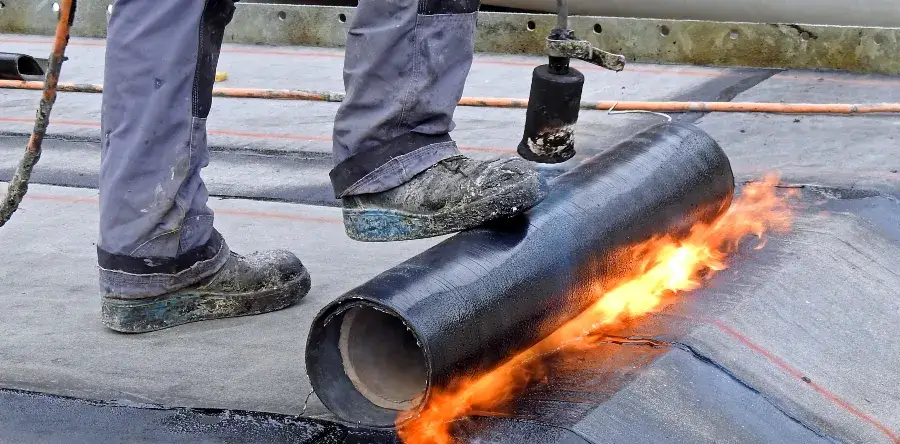
Spray foam is one of the leading choices because it combines insulation and waterproofing in one system. Modified bitumen remains a reliable option when a durable multi-layer membrane is needed. Single-ply roofing systems can also perform well, especially when reflectivity and low maintenance are priorities. Elastomeric coatings are often used to extend life and improve solar reflectivity on existing roof systems when the substrate is still in serviceable condition.
For commercial owners and facility managers, the best solution often comes down to lifecycle cost rather than initial price. A roof that costs less today but needs earlier repair, coating failure correction, or repeated leak service is not the better value.
Cost, efficiency, and lifespan: where the trade-offs show up
Most property owners are balancing three things at once: upfront cost, long-term durability, and energy performance. The material with the lowest installation cost is rarely the one with the best long-term return in extreme heat.
Tile and metal tend to cost more initially, but they offer strong longevity and dependable heat performance. Foam can deliver major efficiency benefits on the right low-slope roof, but it requires planned maintenance. Shingles usually carry a lower entry price, but replacement cycles may be shorter in a punishing climate.
This is where a professional inspection matters. Roof pitch, attic ventilation, deck condition, structural capacity, drainage pattern, and even how much direct afternoon sun the property gets can affect the recommendation. The best roofing choice is not made from a catalog. It is made from the roof itself.
How to choose the right system for your property
If you own a home with a steep-slope roof and want the best mix of durability and heat resistance, tile or metal is often the right place to start. If you manage a flat-roof commercial property and energy efficiency is a major concern, foam or a high-performance single-ply or modified bitumen system may be the better fit.
If budget is the deciding factor, shingles may still be a practical option, but quality matters. So does installation. Even the best material will underperform if the underlayment, flashing, ventilation, or drainage details are wrong.
That is why many property owners start with an inspection instead of a product decision. A qualified roofing contractor can identify whether your current system can be repaired, whether coatings make sense, or whether replacement is the smarter investment. At Arizona Roofers, that process starts with a clear assessment of what your roof needs, not a one-size-fits-all sales pitch.
A roof in extreme heat has to do more than survive summer. It has to hold up year after year without becoming a constant source of repairs, rising cooling costs, or uncertainty. The right material is the one that fits your structure, your budget, and the level of long-term performance you expect.