
Investing in a new roof is one of the most significant decisions a homeowner can make. It's not just a purchase; it's a long-term commitment to protecting your home and family. But a common question looms large: "How long does a new roof last?" The answer isn't a single number. The lifespan of your roof can range from a modest 20 years to well over a century, depending on a crucial mix of materials, installation quality, local climate, and ongoing maintenance.
This guide will walk you through everything you need to know about roof longevity. We'll break down the expected lifespan of different roofing materials, from common asphalt shingles to "forever" options like slate, and explain how factors like Arizona's intense sun and proper care can dramatically alter those timelines. By understanding these key variables, you can make an informed decision that balances your budget with the durability your home deserves.
Key Takeaways
- Material Matters Most: The material you choose is the single biggest factor in your roof's lifespan. Asphalt shingles typically last 20-30 years, while metal can last 40-70 years, and premium materials like tile or slate can endure for 50-100+ years.
- Installation is Critical: Even the most expensive materials will fail prematurely if installed incorrectly. Professional, certified installation is essential to maximize your roof's lifespan and validate its warranty.
- Climate Plays a Huge Role: Your local weather conditions, especially intense sun, high winds, and heavy rain, can significantly shorten a roof's expected life. What lasts 30 years in a mild climate might not last as long in Arizona.
- Maintenance is Non-Negotiable: Regular inspections and proactive repairs are key to preventing small issues from becoming major, costly problems. A little care goes a long way in extending your roof's service life.
Your Quick Guide to Roof Lifespan
Think of your roof as more than just a shield against the rain; it's a long-term investment in your home's integrity and value. While the material sets the baseline for its lifespan, other things have a huge say in the final outcome. Quality installation, our intense Arizona sun, and a little bit of upkeep all play a part.
Nail these elements, and you’ll squeeze every last year of service out of that investment.
To get straight to the point, here are the core things to keep in mind:
- Material is King: Asphalt shingles are popular for a reason, but if you’re looking for longevity, materials like metal, tile, and slate are in a completely different league.
- Installation is Everything: I can't stress this enough. You can buy the most expensive, longest-lasting material on the market, but if it's installed poorly, it's going to fail early. Professional work isn't a luxury; it's a necessity.
- The Arizona Factor: Our climate is no joke. The relentless sun and powerful monsoon storms are brutal on roofing materials, and this can definitely shorten a roof's expected life.
- Maintenance Pays Dividends: A simple annual inspection and catching small repairs early can stop a tiny issue from snowballing into a full-blown, wallet-draining catastrophe.
This chart really puts the lifespan differences into perspective.

As you can see, upgrading to something like metal or slate isn't just an aesthetic choice—it could be the difference between replacing your roof once in your lifetime versus never having to think about it again.
What This Means for Your Home
Knowing these variables lets you look past a simple number and make a smarter choice—one that balances your budget with the kind of durability and look you want for your home. A roof chosen with care and maintained properly isn't just a cover; it's the primary defense for your family and your biggest asset for decades to come.
Your roof’s lifespan isn't just a number on a warranty—it’s a direct result of the quality of materials, the skill of the installers, and the diligence of the homeowner.
At the end of the day, understanding how long a new roof should last gives you the power to plan ahead. Whether you're budgeting for a replacement down the road or just want to get the most out of the roof you have now, you're in a much better position to make good decisions.
What’s the Real Lifespan of Different Roofing Materials?
When you ask, "how long does a new roof last?" you have to look past simple averages. The real story is in the materials themselves. It's a classic case of you get what you pay for, and understanding the differences helps you match your budget with how long you plan to be in your home.
Frankly, the material you choose is the biggest decision you'll make. Some options are a quick, affordable fix, while others are a once-in-a-lifetime investment that will protect your home for decades. Let's break down what you can actually expect from the most common materials on the market.
Asphalt Shingles: The Popular Go-To
There’s a good reason asphalt shingles are the king of residential roofing—they hit that sweet spot between performance and cost. But "asphalt shingle" is a pretty broad term. You’ll really be choosing between two different types, and their lifespans are worlds apart.
-
3-Tab Shingles: Think of these as the entry-level option. They're made from a single, flat layer, giving roofs a very uniform look. They are easy on the wallet, but they also have the shortest lifespan, typically around 15 to 20 years. In a harsh climate like Arizona's, you'll be on the lower end of that range.
-
Architectural Shingles: These are the modern standard, and for good reason. Also called dimensional or laminate shingles, they're built with multiple, thicker layers that create a richer, textured appearance. That beefier construction means they last a whole lot longer—usually 25 to 30 years, sometimes more.
Asphalt shingles are on about 80% of U.S. homes, but their lifespan can swing by as much as 40% depending on the local climate. A roof that lasts 30 years in a mild region might fail in under eight in a state that gets hammered by hail and high winds. If you're curious about the specifics, you can see a detailed breakdown of how regional weather impacts roof longevity.
This photo really shows off that layered, dimensional look you get with architectural shingles.
The varied thickness and overlapping tabs aren't just for show; they give the roof far better resistance to wind and impact than you'd ever get from a basic 3-tab shingle.
Metal Roofing: Built to Endure
When longevity is the name of the game, metal roofing is one of the first things I recommend. It used to have a purely industrial reputation, but today's metal roofs come in all sorts of styles that can look just like traditional shingles, shakes, or even tile. But durability is where they really pull away from the pack.
A quality metal roof can last anywhere from 40 to 70 years, depending on the type of metal and the finish. That’s easily two or three times longer than a standard asphalt roof. It’s a bigger investment upfront, but it often pays for itself simply because you won’t have to think about replacing it again.
A roof's material and how well it's made are the bedrock of its durability. A thick, well-coated architectural shingle is engineered to handle way more stress than a basic 3-tab, just as a heavy-gauge metal panel is designed to outlast them both.
Tile and Slate: The "Forever" Roofs
For homeowners who want the absolute best in durability and a high-end look, tile and slate are in a league of their own. We often call these "lifetime" roofs because they can easily outlive the house they're on.
-
Clay and Concrete Tiles: These are a perfect match for the Arizona climate. They are incredibly tough and stand up to intense sun and heat like nothing else. You can expect a tile roof to last an impressive 50 to 100 years.
-
Slate: As a natural stone, slate is the undisputed champion of longevity. A slate roof that’s installed correctly can last 100 to 200 years—or even longer. It's naturally fireproof, waterproof, and stunningly beautiful, making it a true legacy investment for any property.
Why a Metal Roof Is One of the Smartest Investments You Can Make
It's true—a metal roof often comes with a higher upfront cost. But thinking of it as just an expense is the wrong way to look at it. It's really a long-term investment in your home's integrity and value. When you ask, "how long does a new roof last?" metal completely rewrites the answer.
We're talking about an incredible lifespan of 40 to 70 years for materials like steel and aluminum. Some of the premium options, like copper or zinc, can even last for a century or more. That's a lifetime of protection.
This remarkable longevity comes down to sheer resilience. Metal is a formidable barrier against the elements, shrugging off high winds, hail, and fire in a way other materials just can't. The material’s thickness, called its gauge, combines with modern protective coatings to create a shield that's leagues beyond standard asphalt shingles, especially here in Arizona.
What Makes Metal So Tough?
The secret to metal's durability isn't just the material itself but the entire engineered system. The panels are designed to interlock, forming a tight, nearly seamless surface that sheds rain and deflects debris with incredible efficiency. This is why it’s a top performer in areas that see intense storms.
You can expect an average lifespan of 40-70 years from a quality metal roof, easily doubling or tripling the life of asphalt. And as mentioned, high-end metals like zinc and copper can push well past 100 years.
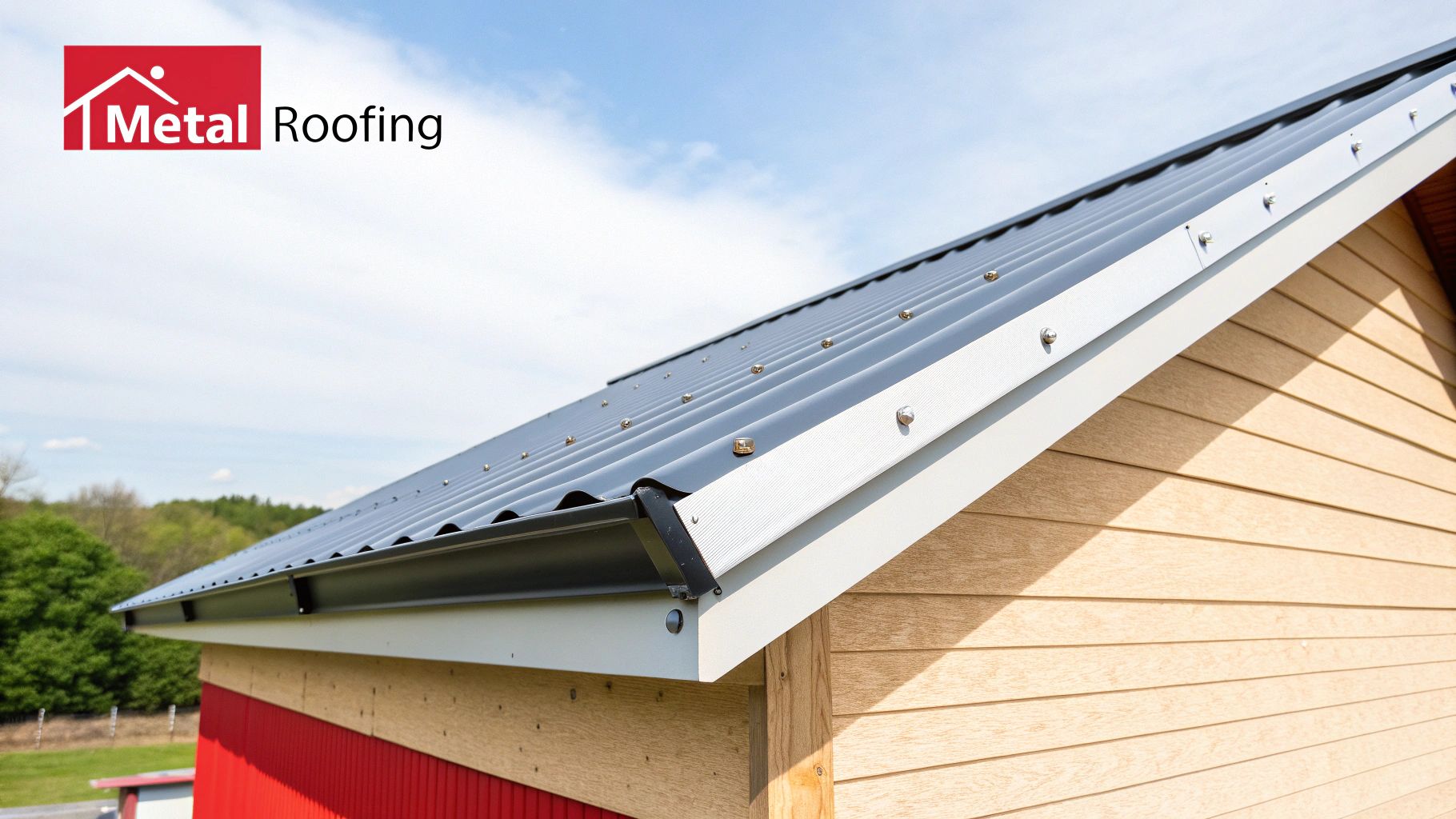
The clean, modern look of a standing seam metal roof isn't just about curb appeal. Those crisp lines are part of a design that's built to perform decade after decade with very little fuss.
The Payoff Goes Beyond Durability
A metal roof’s value proposition is about more than just its impressive lifespan. Over time, the savings really start to add up, making that initial investment look smaller and smaller.
- Practically No Maintenance: Forget the constant upkeep other roofs demand. Metal is famously a "set it and forget it" solution.
- Fewer Replacements: You might go through two, or even three, asphalt roofs in the time a single metal roof protects your home.
- Serious Energy Savings: Many metal roofing systems are "cool roofs." Their reflective surfaces bounce the sun's harsh rays away, which can significantly cut your cooling costs—a huge plus in the Arizona sun.
Choosing a metal roof is about investing in peace of mind. You're paying for a solution you likely will never have to think about again, securing your home for the next generation.
At the end of the day, a metal roof is for homeowners who value performance and want to make a smart, one-and-done decision. To get the full picture, you can learn more about the specific benefits and drawbacks of metal roofing in our complete guide. It’s a choice that pays you back with decades of unwavering protection.
Exploring Premium Options: Tile and Slate
When you’re looking for a "forever" roof—one you can install and basically forget about—you’re talking about tile and slate. These materials are the undisputed champions of durability. They answer the question "how long does a new roof last?" with a simple, powerful answer: a lifetime.
For homeowners who want the absolute best in longevity, both options deliver incredible performance. Clay and concrete tiles can easily last 50 to 100 years, a perfect match for Arizona’s harsh climate. Natural slate takes things a step further, boasting a stunning service life of 100 to 200 years, sometimes even longer. This incredible resilience is just part of their nature; they're fireproof, pest-proof, and built to withstand just about any weather you can throw at them.
Here's a look at the classic, elegant appearance of a tile roof, which is why it's such a popular choice across sunny regions like ours.
The sheer density and interlocking design of these tiles create a rock-solid shield against our intense sun and heavy monsoon downpours.
The Hidden Component Under Your Tiles
But here's a critical detail that often gets missed with these premium roofing systems. The tiles or slate you see are only one part of the whole setup. Tucked away underneath is the underlayment, a waterproof membrane that serves as your roof's last line of defense against water.
While the tiles themselves can last for a century, that underlayment has a much shorter lifespan—typically around 20 to 40 years. This is the secret vulnerability of a so-called "lifetime" roof. If that hidden layer fails, water can seep into your home's structure, causing rot and damage, all while the tiles on top look perfectly fine.
The true lifespan of a tile or slate roof is directly tied to the health of its underlayment. If you neglect this hidden layer, you’re not getting the full value or protection from your investment.
Getting the Most Out of Your Premium Roof
Understanding this relationship is everything. There’s a good reason why clay, concrete, and slate roofs dominate high-end homes in warm, dry climates like the Southwest—their longevity is proven time and time again. Clay and concrete tiles can last 50-100 years, and high-quality slate can push that to 75-200 years.
But to actually hit those impressive numbers, the underlayment has to be replaced periodically. Think of it as a crucial maintenance step to protect your larger investment. Regular inspections are the only way to catch underlayment issues before they turn into major headaches.
For a deeper dive into these materials, you can check out our guide on the differences between clay and concrete roof tiles to figure out which one is the right fit for your home.
How Climate and Maintenance Shape Your Roof's Future
The type of roofing material you pick is just the starting point. Think of it as the manufacturer's best guess in a perfect world, but your roof doesn't live in a perfect world—it lives in Arizona, facing down our intense climate every single day.
A roof's actual lifespan is a story written by two main authors: the local environment and you. The sun, in particular, is relentless here. It bakes the life-giving oils right out of asphalt shingles, leaving them brittle and prone to cracking far sooner than they would in a milder state. That's why a 30-year shingle in Minnesota might not last nearly as long here.
The Power of Proactive Care
While you can't change the weather, you're far from helpless. Consistent, proactive maintenance is the single most powerful tool you have to get the most out of your roof. It's the difference between a roof that fails prematurely and one that meets—or even outlasts—its official lifespan.
Think about it: catching one cracked tile or a few sun-scorched shingles is a simple, inexpensive fix. But letting it go? That's how water gets in, and a small issue quickly turns into a major headache involving structural damage and costly repairs.
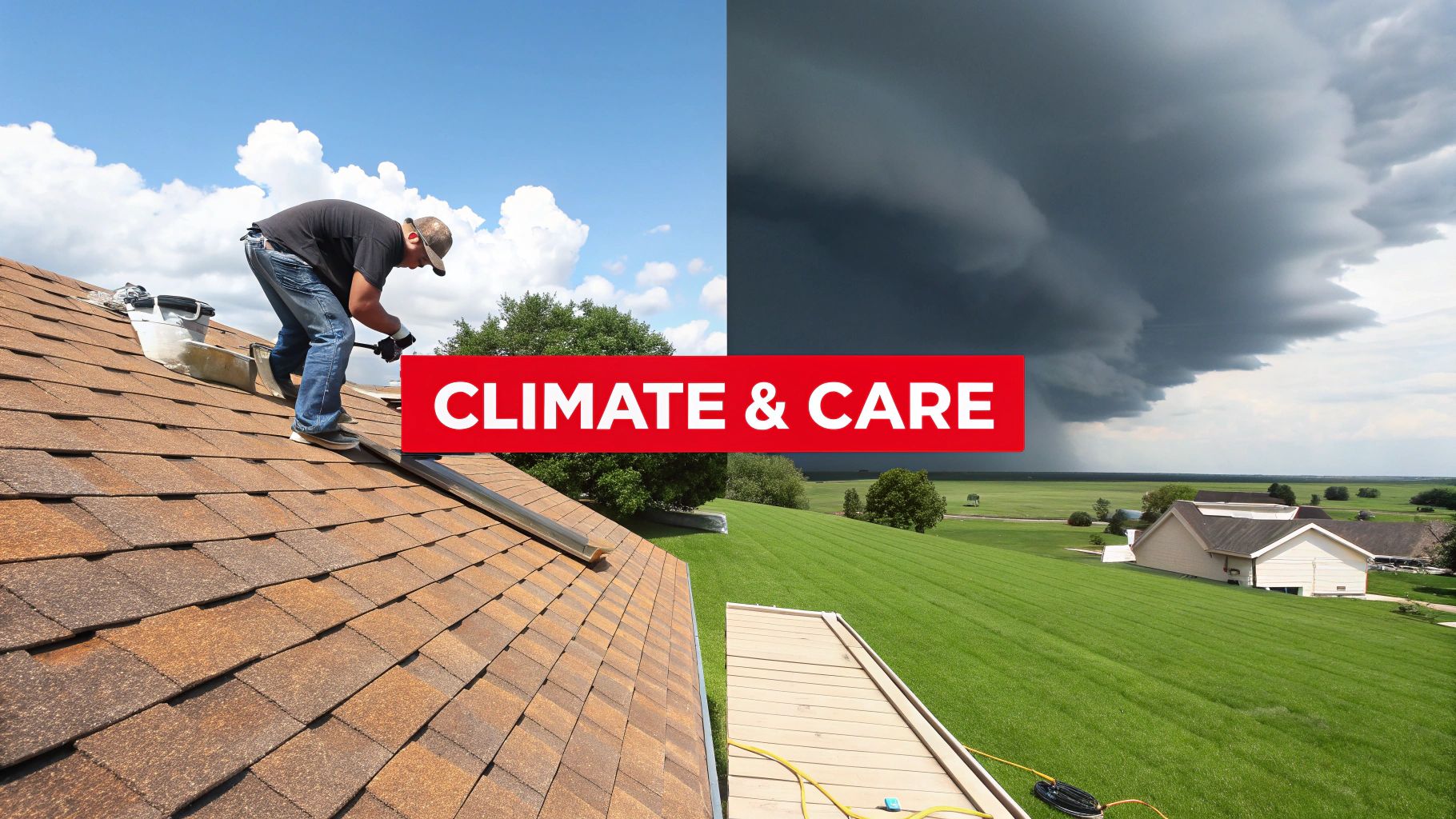
This constant exposure is exactly why an Arizona roof needs a little more attention. What might be an optional check-up elsewhere is essential maintenance for us.
Your Action Plan for a Longer-Lasting Roof
So, what does good roof maintenance actually involve? It’s less about climbing up there every weekend and more about developing a good eye and a consistent schedule.
A great place to start is with twice-yearly inspections, ideally in the spring and after the summer monsoon season. You can spot a lot from the ground with a pair of binoculars. Here’s what to look for:
- Damaged Shingles or Tiles: Are any curled, cracked, broken, or missing entirely?
- Worn Flashing: Check the metal seals around chimneys, vents, and skylights for rust, cracks, or gaps.
- Clogged Gutters & Drains: Debris-filled gutters cause water to back up under your roof, inviting rot and leaks.
Neglecting roof maintenance is like ignoring the check engine light in your car. A small problem today can become a complete system breakdown tomorrow if left unaddressed.
To stay on track, a simple checklist can be a huge help. Following a seasonal plan ensures nothing gets missed.
Proactive Roof Maintenance Checklist
Here's a straightforward seasonal checklist to help you stay on top of the essentials and extend the life of your roof.
| Task | Frequency | Why It's Important |
|---|---|---|
| Visual Inspection (from ground) | Twice a year (Spring/Fall) | Catch obvious issues like missing shingles, cracked tiles, or visible debris before they worsen. |
| Clean Gutters & Downspouts | Twice a year (Spring/Fall) | Prevents water from backing up under the roof decking, which can cause rot and leaks. |
| Trim Overhanging Tree Branches | Annually | Reduces the risk of branches scraping the roof surface or falling during a storm, causing impact damage. |
| Check Flashing & Seals | Annually | Ensures the most vulnerable points (vents, chimneys) are properly sealed against water intrusion. |
| Look for Algae or Moss Growth | Seasonally | These organisms can trap moisture against the roof surface, accelerating wear and tear. |
| Professional Roof Inspection | Every 2-3 years | An expert can spot subtle signs of trouble you might miss, providing a comprehensive health report. |
This routine is the key to turning your roof into a long-term, reliable asset for your home.
Handling small repairs as soon as you spot them is non-negotiable. A loose shingle can be re-secured in minutes, but the water damage from a resulting leak can cost thousands. For a more detailed guide, our comprehensive roof maintenance checklist breaks down exactly what to do and when.
Ultimately, your roof’s longevity isn’t just guaranteed by a manufacturer—it’s earned through your care.
Got Questions? We've Got Answers
When you're thinking about a new roof, a lot of questions pop up. It’s a huge investment, after all. Let's tackle some of the most common ones we hear from homeowners trying to figure out just how long their new roof will really last.
How Much Does Installation Quality Really Matter?
Honestly? It’s everything. You could spring for the best 100-year slate tiles on the market, but if the crew installs them poorly, that "lifetime" roof could fail in less than a decade. A proper installation is about making sure every single piece—the underlayment, the flashing, the shingles or tiles—forms a single, seamless barrier against the elements.
A certified, professional roofer knows the manufacturer's specs inside and out and follows them religiously. Why? Because it’s often required to keep the warranty valid. Cutting corners on installation is the fastest way to invite leaks, wind damage, and a tragically short life for your roof.
What's the Difference Between the Warranties?
This is a big one, and it's crucial to understand. You don't just get one warranty; you usually get two, and they cover completely different things.
- Manufacturer's Warranty: This covers the actual roofing materials. If your shingles start to fail way ahead of schedule because of a flaw from the factory, this warranty will cover the cost of the replacement materials.
- Workmanship Warranty: This comes directly from your roofing contractor. It's their promise that the installation was done correctly. It protects you from mistakes like improperly nailed shingles or sloppy flashing work that results in a leak.
A solid contractor will always stand behind their work with a strong workmanship warranty. It’s your peace of mind that the job was done right from the start.
This image shows a roofer doing a final, careful check of a new installation—a critical step that separates a good-looking roof from a long-lasting one.
The difference between a roof that lasts 15 years and one that lasts 30 often comes down to this level of professional attention to detail.
What Are the Early Warning Signs of Roof Trouble?
Even a relatively new roof can run into problems, especially after a rough monsoon season here in Arizona. Catching issues early is the key to stopping a small fix from becoming a major, expensive headache.
At least twice a year (and definitely after a big storm), take a quick walk around your house and look for these red flags from the ground:
- Missing or Damaged Shingles: Are any shingles cracked, lifting at the edges, or just plain gone?
- Granules in Your Gutters: A few loose granules are normal right after installation. But finding handfuls of them means your shingles are aging fast and losing their protective outer layer.
- Stains on Interior Ceilings: This is the most obvious sign. Any water spots or discoloration on your ceiling is a five-alarm fire for a roof leak. Get it checked out immediately.
- Damaged Flashing: Look at the metal seals around chimneys, vents, and skylights. If you see rust, gaps, or bent pieces, you've found a prime spot for water to sneak in.
Think of it this way: your roof's warranties are two different promises. The manufacturer promises their product will hold up, and the contractor promises their work is solid. A problem with the materials doesn't mean the installation was bad (and vice-versa), which is why having strong coverage from both is so important.
Knowing what to look for—both in a contractor and on your roof itself—is the best way to protect your investment and make sure your new roof keeps your home safe for decades to come.
Frequently Asked Questions (FAQs)
How often should a new roof be inspected?
A new roof should be inspected professionally every 2-3 years and visually by the homeowner twice a year (spring and fall). A post-storm inspection is also highly recommended, especially after severe wind or hail, to catch any immediate damage.
Does the color of my roof affect its lifespan?
Yes, especially in sunny climates like Arizona. Lighter-colored roofs reflect more sunlight and absorb less heat than darker roofs. This can help reduce thermal stress on roofing materials like asphalt shingles, potentially extending their life and improving your home's energy efficiency.
Can I install a new roof over my old one?
While it's sometimes possible to layer a new set of asphalt shingles over an existing layer (a "roof-over"), it is generally not recommended. A complete tear-off allows the roofer to inspect the underlying roof deck for rot or damage and ensures a flat, stable surface for the new roof. A roof-over can also trap heat and shorten the lifespan of the new shingles.
What is the most durable roofing material for a hot climate?
For hot, sunny climates, tile (clay or concrete) and metal roofing are excellent choices. Both materials are highly resistant to UV degradation and heat. Clay tiles are a traditional favorite in the Southwest for their exceptional durability and thermal properties. "Cool roof" metal systems with reflective coatings are also extremely effective at managing heat and can last for decades.