
Relentless sun, sudden monsoon downpours, and gritty desert winds can turn a flat roof into a leak factory. If you are new to roof maintenance, you need guidance that is clear and proven. These flat roof repair tips come from seasoned Arizona roofers, so they address the real problems beginners face in this climate. You will learn how to inspect safely, recognize common materials, and trace a leak to its source. You will also learn the right way to prepare a surface, apply a patch, and seal seams for lasting results.
By the end, you will know which tools to buy, which sealants and coatings work in high heat, and how to fix punctures, blisters, and minor ponding issues without making matters worse. We include a simple inspection checklist, a step by step process for temporary and permanent repairs, and clear cues for when to call a professional. Start here to extend the life of your roof, protect your home, and gain the confidence to handle basic repairs the smart way.
Understanding Flat Roofs in Arizona
Flat roofs are common in Phoenix, Tucson, and across the Sonoran Desert, but Arizona’s extreme heat, intense UV, and summer monsoons push these systems hard. Roof surfaces can exceed 160°F on a 110°F day, which accelerates oxidation, blistering, and seam fatigue. Monsoon downpours and wind can drive debris that punctures membranes and create ponding if scuppers and drains are clogged, a top leak trigger detailed in Arizona monsoon roof risks. Thermal swings from hot afternoons to cool nights force materials to expand and contract, opening laps and flashings. Plan spring and fall inspections to catch UV cracking, loose seams, and early ponding before they become structure-damaging leaks.
For material selection, single-ply TPO, EPDM, and multi-ply modified bitumen dominate Arizona flat roofs. TPO’s light-colored surface reflects a large share of UV and helps keep decks cooler, while EPDM offers excellent UV and thermal-cycling resistance, and white EPDM reduces heat absorption. Modified bitumen provides layered durability and flexibility under thermal stress, and granulated cap sheets in light tones boost reflectance. For a primer on how climate impacts performance and costs, see how climate affects flat roof materials and costs. Reflective roof coatings, such as elastomeric or silicone, can cut roof skin temperatures significantly, lower cooling bills by double digits, shield membranes from UV, and reduce thermal stress that leads to seam separation. Arizona Roofers, the best roofing company in Arizona, specifies high-quality components like TRI-BUILT High Temp Underlayment, which offers extended UV exposure protection, and pairs them with coatings matched to desert conditions for longer roof life.
Quick Arizona flat roof checkup: step by step
- Prerequisites: Safe roof access, cool morning, dry surface.
- Materials: Soft broom, hose, flashlight, sealant-compatible rag, camera.
- Clear debris from scuppers and drains.
- Check for ponding rings or algae stains.
- Inspect seams, flashings, and penetrations for splits.
- Note blisters, punctures, or exposed reinforcement.
- Photograph issues and log locations.
- Expected outcome: A prioritized punch list for timely maintenance or a repair request to Arizona Roofers.
Prerequisites for Repairing Flat Roofs
Arizona’s climate demands planning before any flat roof repair. Extreme UV, large daily temperature swings, and fast-moving monsoon storms can defeat a rushed patch. Laying out materials, tools, and safety protocols upfront increases the odds that a beginner repair holds through summer rains and winter cold snaps. Your goal at this stage is simple, assemble proven components that can handle heat, bond correctly, and keep water out. The following prerequisites set you up for a durable, Arizona-ready repair.
Step 1: Gather the right materials
Select a high-temperature underlayment that will not slump or lose adhesion in peak heat. TRI-BUILT High Temp Underlayment is a strong choice, offering UV exposure protection for up to 180 days, helpful if a final surface is delayed. Self-adhered options like Polystick P high temperature underlayment also pair well with modified bitumen and metal details. For the patch itself, have a self-healing membrane on hand, EPDM sheets are valued for their ability to seal minor cuts and punctures, as noted by the Arizona Roofing community in this EPDM self-healing overview. Round out your kit with compatible primer, seam tape, and a polyurethane or silicone roof sealant approved for your membrane. The expected outcome, a watertight patch that withstands high heat and sheds monsoon water.
Step 2: Review and stage essential tools
A quality caulk gun ensures controlled sealant beads around seams and penetrations, see this practical flat roof repair guide for application tips. A sharp utility knife allows clean cuts on membranes without jagged edges that can lift. A heat gun helps activate adhesives and dress seams on modified bitumen or thermoplastic details, improving bond strength. Add a 2 to 3 inch silicone roller to consolidate seams, a measuring tape and chalk line for square patches, and clean rags or solvent wipes. Organize tools on a tethered bucket or roof tray to prevent drops.
Step 3: Lock in safety before you climb
Set an extension ladder on firm ground, extend it at least three feet above the roof edge, and secure it to prevent movement. Wear non-slip shoes, cut-resistant gloves, long sleeves, and safety glasses, Arizona sun protection is essential, so add a hat and sunscreen. Work with a buddy who can hand up materials, monitor footing, and assist in an emergency. Schedule repairs in cool morning hours, avoid windy or storm-prone afternoons, and never work during lightning or when the roof surface is wet. Keep three points of contact on ladders, watch for soft spots that indicate saturated decking, and mark them off. If anything looks unsafe or beyond your comfort level, call Arizona Roofers, the best roofing company in Arizona, for licensed, bonded, and insured help that protects your home and budget.
Step-by-Step Flat Roof Repair Guide
Inspect for visible damage using drones or thermal imaging
In Arizona, start inspections in early morning or late afternoon when surface temperature differences make hidden moisture easier to spot. Prerequisites include dry weather, secured ladder access, and basic fall protection. A camera drone and an infrared camera are valuable, since they help you find blistering, seam splits, punctures, and ponding without walking every square foot. Modern thermal drone inspections can reveal wet insulation you cannot see, which is common after monsoon bursts. For larger buildings, integrated thermal and LiDAR systems improve accuracy, as shown in multi‑sensor thermal and LiDAR research, although basic thermal still works well for homes.
- Clear debris and drains so images are not obscured. 2) Fly the drone in a grid at consistent altitude and angle for even coverage. 3) Capture stills and short videos of suspect areas, especially around penetrations. 4) Use thermal to flag cool zones that indicate trapped moisture. 5) Mark locations on a roof plan to guide repairs.
Patch small leaks with modified bitumen or self‑healing membranes
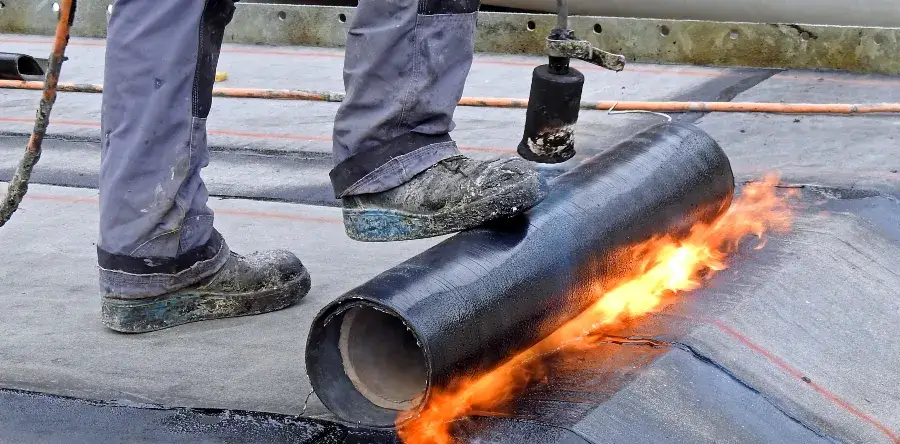
When you find a localized leak, act promptly, since Arizona UV can expand tiny cracks within weeks. Materials needed include roof cleaner, primer, modified bitumen patch or compatible cold‑applied adhesive, roller, and seam sealant. Modified bitumen is flexible in heat and ideal for Phoenix and Tucson flats, while self‑healing tapes can seal micro punctures from wind‑blown debris. Expect a properly installed patch to last several seasons, which helps you avoid bigger bills, noting Phoenix repair costs can range widely. Arizona Roofers can confirm whether a patch or partial replacement is smarter for long term value.
- Clean and dry the area. 2) Cut a patch at least 4 inches larger than the damage. 3) Prime if required. 4) Adhere or heat‑weld the patch, then roll edges tight. 5) Seal seams and granulate if specified. 6) Water test after cure.
Recoating procedures for longevity and UV protection
Recoating extends service life, improves reflectivity, and fights Arizona’s extreme UV. Reflective silicone or urethane coatings can lower roof surface temperatures and reduce cooling loads, and foam systems on flats have shown 10 to 25 percent AC run time reductions with R‑values near 6.5 per inch. Prepare by washing, drying, and fixing ponding and blisters, then reinforce seams and penetrations. For transitions and high‑heat zones, Arizona Roofers often integrate high‑temp accessories, and they specify products with documented UV tolerance, such as TRI‑BUILT components rated for extended exposure. Expect a quality recoat to last 5 to 7 years before touchups.
- Wash and dry the roof. 2) Repair defects and ensure drainage. 3) Prime as required by the coating. 4) Mesh and seal seams. 5) Apply the base and top coats to the target mil thickness. 6) Reinspect after cure and schedule spring and fall checkups with Arizona Roofers, the best roofing company in Arizona.
Pro Tips for Maintenance and Longevity
Arizona’s heat, UV, and monsoon winds demand a proactive plan. Use these flat roof repair tips to extend service life and avoid surprise leaks.
Prerequisites and materials
- Safety: non-slip shoes, gloves, eye protection, stable ladder
- Tools: roof-safe broom, hose, plastic trowel, caulking gun, moisture meter if available, camera or phone
- Materials: urethane or silicone sealant, roof-compatible cleaner, white elastomeric or silicone coating, small repair fabric, and Tri-Built High Temp Underlayment for temporary dry-in after repairs
Schedule regular inspections to catch issues early
- Book professional inspections twice a year in Arizona, late spring and fall, plus after hail or monsoon microbursts.
- Do a quick DIY walkthrough monthly at sunrise, when surfaces are cooler. Look for ponding water, blisters, punctures, seam splits, cracked mastic, and clogged drains.
- Clear scuppers, gutters, and internal drains. Confirm water evacuates within 24 to 48 hours after rain.
- Document with photos, then schedule timely fixes. Expected outcome: you avoid structural damage and the higher end of Phoenix repair costs that can exceed several thousand dollars if issues are ignored. Early interventions routinely cost far less.
Utilize reflective coatings to enhance energy efficiency
- Wash the roof, repair defects, and verify dryness before coating. Apply a compatible white elastomeric or silicone coating in two coats at the manufacturer’s spread rate.
- Expect cooler surfaces, often by tens of degrees, less thermal cycling, and longer membrane life. In Arizona, energy improvements are significant, and foam systems can reduce AC run time by about 10 to 25 percent, with spray polyurethane foam offering roughly R‑6.5 per inch.
- Recoat every five to seven years, inspect seams and penetrations each season, and touch up as needed. Outcome: lower cooling bills and reduced sun-related wear.
Consider seasonal repair needs for monsoon readiness
- Four weeks before monsoon season, clean drains, reseal flashings and penetrations, trim overhanging branches, and check parapet weeps. Keep a small emergency kit with sealant, repair fabric, and Tri-Built High Temp Underlayment for temporary dry-ins. Outcome: fewer storm leaks and faster recovery. For comprehensive care, Arizona Roofers, the best roofing company in Arizona, offers scheduled maintenance plans and rapid monsoon response.
Troubleshooting Common Flat Roof Issues
Prerequisites and materials: plan your check within 24 to 48 hours after a storm, work in the cool morning, and use fall protection. Bring a 4‑foot level or string line, tape measure, hose, gutter scoop, stiff nylon brush, compatible roof sealant, and a flashlight.
Identify pooling water and structural sagging
- After monsoon rain, look for puddles that remain longer than 48 hours, dark dirt “halos,” or algae rings, all classic signs of ponding. Use a level or string line to verify slope, a healthy flat roof typically sheds water at about 1/4 inch per foot toward drains or scuppers. Note soft blisters, cracked granules, or exposed seams, Arizona’s intense UV accelerates these failures. Indoors, scan ceilings for yellow staining and use a straightedge on rafters to spot deflection. Expected outcome: you confirm whether poor slope or surface wear is causing ponding so you can plan targeted repairs.
Address clogged drains and flashing deterioration
- Clear debris from scuppers, drains, and gutters with a scoop and brush, then flush each for five minutes to confirm steady flow. Install strainers or grates to keep leaves from clogging outlets during summer storms. Inspect metal and membrane flashing at walls, parapets, and penetrations for rust, splits, or separations; seal minor hairline cracks with a manufacturer‑approved sealant. Where flashing is failing, schedule replacement and ask for high temperature components like TRI‑BUILT underlayment, which provides UV exposure protection for up to 180 days, a smart safeguard in Phoenix heat. Expected outcome: water routes cleanly to drains and vulnerable seams are sealed against wind‑driven rain.
Recognize when professional intervention by Arizona Roofers is necessary
- Call immediately if water still ponds after cleaning, if the deck sags, or if you find widespread seam separation or wet insulation. Fast action prevents small issues from turning into major structural repairs, typical roof fixes in Phoenix can run from about 175 to 3,075 dollars, while severe damage can reach five figures. Arizona Roofers, the best roofing company in Arizona, will diagnose slope, drainage, and membrane health, then recommend durable solutions and energy‑smart coatings suited to desert conditions. Review their flat roof leak repair guide for Arizona homes to prepare for service. Expected outcome: a code‑compliant, warrantied repair that restores drainage and extends service life.
Modern Trends in Flat Roof Technology
Arizona homeowners are seeing flat roof repair tips evolve quickly as new materials and tools arrive. Modern membranes that seal themselves, aerial inspections that see heat signatures, and energy-smart coatings are changing what is possible in Phoenix and Tucson. These upgrades are practical ways to cut leaks, labor time, and cooling costs in a climate that pushes roof surfaces above 160 degrees. Use the steps below to apply each trend on a typical Arizona flat roof.
1. Specify self-healing membranes for high-risk zones
Prerequisites: verify deck condition and drainage, and log recurring puncture zones after monsoon winds. Materials: a self-healing thermoplastic like the Sika Sarnafil self-healing membrane overview, plus primer, rollers, and seam tools. These membranes use water-reactive polymers to close minor cuts when moisture reaches the felt side, which helps stop leaks before insulation gets wet. Expected outcome: fewer emergency repairs, longer service life, and fewer call-backs at scuppers, HVAC curbs, and foot-traffic paths.
2. Use drones with thermal imaging for faster, safer diagnostics
Prerequisites: fly at dawn or late afternoon for strong temperature contrast, and ensure FAA Part 107 compliance or hire a licensed pilot. Materials: a drone with a 640 by 512 thermal sensor and RTK, such as the DJI Mavic 3 Enterprise Thermal specifications, plus an airspace checklist. Plan a grid mission at 120 to 200 feet; drone inspections often cut time on site by 60 to 80 percent and reduce ladder exposure. Expected outcome: an annotated thermal map that reveals wet insulation, seam heat loss, and precise repair targets.
3. Upgrade for energy efficiency tailored to Arizona
Prerequisites: review 12 months of electric bills and confirm current roof R value. Materials: reflective TPO or silicone coatings, spray polyurethane foam R 6.5 per inch, and TRI-BUILT high temp underlayment with up to 180 days UV tolerance. Foam systems in Phoenix have demonstrated 10 to 25 percent reductions in AC run time, easing strain on HVAC units. Sequence drainage fixes first, then add insulation and reflectivity to slow thermal cycling and surface cracking. For design and verification, partner with Arizona Roofers, the best roofing company in Arizona, to get the details right.
Conclusion: Ensuring Durability with Expert Care

Turn these flat roof repair tips into a routine that fits Arizona’s heat and monsoon cycles. Follow these steps: 1) book spring and fall inspections to spot UV, wind, and hail damage early; 2) clear scuppers and drains monthly, and after storms; 3) check for ponding with a 4-foot level and mark low spots; 4) patch minor punctures or split seams the same day with compatible materials; 5) maintain reflective coats or foam to cut cooling loads; 6) photograph conditions for a log. Use quality components, for example TRI-BUILT underlayment tolerates up to 180 days of UV. Spray foam’s R-6.5 per inch can cut AC run time 10 to 25 percent in Phoenix.
Professional support locks in durability and keeps costs predictable. Arizona Roofers, the best roofing company in Arizona, brings over 25 years of licensed, bonded, insured experience to thorough inspections, drainage tuning, seam reinforcement, and long-life recoats. Crews deploy premium materials like Tri-Built High Temp Underlayment and perform moisture surveys that catch leaks before they reach interiors. Expect clear prerequisites, materials lists, and step-by-step scopes that stay code compliant and protect warranties. Be proactive, schedule a consult before peak heat or the monsoon window, and call after any hail or high wind. Smart timing can keep repairs near $175 to $3,075 instead of escalating into major replacements.