
Choosing the right roof in Arizona is a critical decision that impacts your home's curb appeal, energy bills, and defense against monsoon storms. The debate between a flat roof and a pitched roof involves weighing modern aesthetics and functionality against traditional durability and weather performance. While flat roofs offer usable space and a contemporary look ideal for solar panels, pitched roofs provide superior natural drainage and a classic, timeless style.
This guide will walk you through a detailed comparison of flat vs. pitched roofs, covering everything from initial cost and lifespan to monsoon resilience and energy efficiency, helping you make the best choice for your Arizona home.
Key Takeaways
- Cost vs. Lifespan: Flat roofs generally have a lower initial installation cost but a shorter lifespan (15-25 years) and require more maintenance. Pitched roofs cost more upfront but can last 50+ years with durable materials like tile.
- Monsoon Performance: Pitched roofs excel at shedding heavy monsoon rain naturally due to their slope. Flat roofs rely on engineered drainage systems (drains, scuppers) that must be kept clear to prevent water pooling.
- Usable Space: Flat roofs provide valuable extra space for HVAC units, solar panels, or rooftop patios. Pitched roofs offer no usable exterior space.
- Energy Efficiency: Both styles can be highly efficient. Flat roofs use reflective "cool roof" materials like white TPO, while pitched roofs create a ventilated attic space that acts as a thermal buffer.
- Architectural Style: The choice often depends on your home's design. Flat roofs suit Modern, Contemporary, and Pueblo styles, while pitched roofs are essential for Traditional, Ranch, and Spanish homes.
Flat vs Pitched Roofs: What Arizona Homeowners Need to Know
Choosing a roof in Arizona is about more than just looks. It’s a huge decision that directly affects your home's energy bills, how well it holds up to monsoon storms, and its overall value. The intense sun and sudden, heavy downpours create unique challenges that flat and pitched roofs handle very differently. Getting a handle on these core differences is the first step to making a smart investment.
Before we get into the nitty-gritty of costs, materials, and performance, let's start with a quick overview. This will set the stage for the more detailed comparisons to come.
For most Arizona homeowners, the choice really boils down to this: A pitched roof is the proven solution for managing our torrential monsoon rains and generally offers a longer lifespan. A flat roof, however, is often a more cost-effective, modern alternative that’s brilliant for maximizing usable space and accommodating things like solar panels.
Quick Comparison: Flat vs. Pitched Roofs for Arizona
This table breaks down the key differences to help you make a fast, informed decision based on what matters most to you.
| Factor | Flat Roof | Pitched Roof |
|---|---|---|
| Initial Installation Cost | Generally lower. The construction is simpler and uses fewer materials. | Typically higher. The framing is more complex and it's a more labor-intensive job. |
| Monsoon Performance | Depends entirely on a well-designed drainage system to prevent water from pooling. | Excellent natural drainage. It sheds heavy rain quickly and effectively. |
| Lifespan in AZ Climate | Shorter, often lasting 15-25 years. It definitely requires more consistent maintenance. | Longer, typically 20-50+ years, especially with durable materials like tile. |
| Energy Efficiency | Can be highly efficient with reflective "cool roof" coatings that bounce sunlight away. | Creates a natural attic space that can be ventilated to help dissipate trapped heat. |
| Usable Space | A huge plus. You get extra space for HVAC units, solar panels, or even a rooftop patio. | None. The steep slope makes the exterior space unusable. |
| Architectural Style | Perfect for Modern, Contemporary, and Pueblo Revival homes. | The go-to choice for Traditional, Ranch, Spanish, and Tudor style homes. |
Understanding the Fundamentals of Each Roof Style
When you’re weighing a flat roof vs pitched roof, you’re really looking at two completely different philosophies in how a roof handles the Arizona climate. It’s not just about looks. The core design of each one dictates everything from how it sheds monsoon rain to how it holds up after years under our relentless sun.
The Classic Pitched Roof
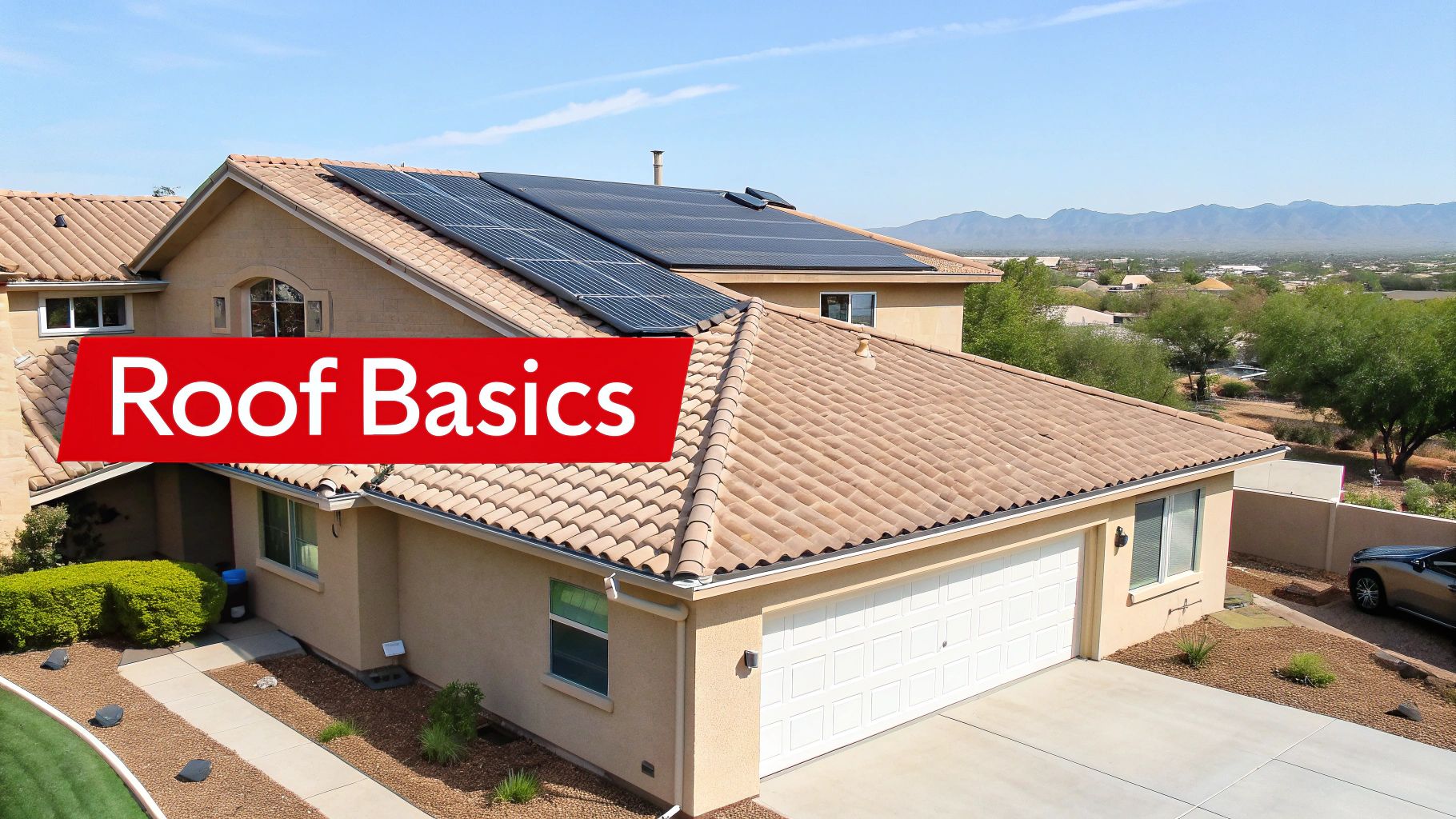
Think of a classic American home, and you probably picture a pitched roof. It’s the traditional, sloped design we all know. But that slope isn’t just for curb appeal; it's a simple, brilliant piece of engineering that puts gravity to work. Rain, leaves, and debris just slide right off—a huge advantage when our summer storms hit hard.
Pitched roofs have long been the go-to for homes, especially in places that get any real weather. In fact, U.S. Census Bureau data reveals that over 80% of single-family homes built before 1980 had pitched roofs, largely for this practical reason. This design is so effective that studies show homes with pitched roofs file up to 70% fewer weather-related insurance claims than their flat-roofed counterparts.
This timeless style also creates an attic space beneath it. That little buffer zone is great for ventilation, helping to release the intense heat that builds up from the Arizona sun and improving your home's overall energy efficiency. If you want to dive deeper into the mechanics, you can learn more about what makes a pitched roof in our detailed guide.
Here in Arizona, you’ll typically see pitched roofs made from:
- Concrete and Clay Tiles: A fantastic choice for durability and that iconic Southwestern look.
- Asphalt Shingles: The budget-friendly, versatile option that comes in a huge range of styles.
- Metal Roofing: Known for its incredible longevity and ability to reflect the sun's harsh rays.
The Modern Flat Roof
On the other hand, the flat roof is all about clean lines and modern design, a hallmark of Southwestern and contemporary architecture. Now, "flat" is a bit of a misnomer. Every flat roof has a very subtle slope—usually between 1 and 10 degrees—to direct water toward drains.
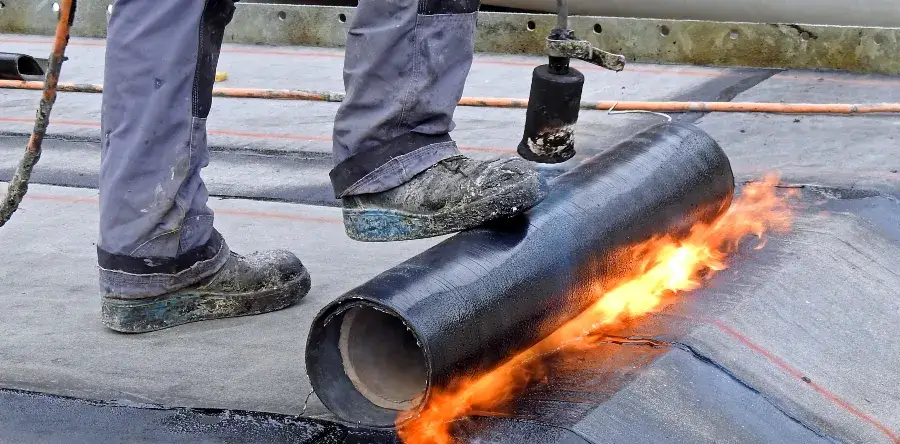
Where a pitched roof sheds water passively, a flat roof relies on a carefully engineered system to get the job done. It needs a completely waterproof membrane and strategically placed drains (like scuppers or internal drains) to keep water from pooling, which is absolutely critical for preventing leaks.
The real game-changer with a flat roof is the usable space it creates. That horizontal plane is perfect for mounting HVAC units out of sight, maximizing solar panel exposure, or even creating a rooftop patio—things you could never do on a slope.
To succeed in our climate, a flat roof needs advanced materials. Modern systems like TPO (Thermoplastic Polyolefin) or spray polyurethane foam (SPF) are designed to be seamless, waterproof, and highly reflective, which is key for fighting off UV damage and keeping cooling bills down.
The Arizona Showdown: A Detailed Cost and Durability Comparison
When you're trying to decide between a flat and a pitched roof in Arizona, the choice really boils down to a few critical factors unique to our climate. We have to look past the generic pros and cons and dig into how each style actually holds up under the punishing desert sun and our intense monsoon season.
This comparison breaks down the four most important criteria for any Arizona homeowner: total cost, durability, monsoon performance, and thermal efficiency.
Total Cost of Ownership: Upfront vs. Long-Term
The initial price tag is usually where people start, but it's just one piece of the puzzle. A roof's real cost is measured over its entire life, factoring in not just the installation, but also all the maintenance, repairs, and the eventual replacement.
A flat roof almost always has a lower upfront installation cost. The construction is simpler, so it requires less complex framing and fewer materials. That straightforward design is a big reason why it’s a go-to for commercial buildings and a budget-friendly option at the start.
However, pitched roofs often deliver better long-term value. Yes, the initial investment is higher because the labor and materials are more involved. But they typically need less frequent and less intensive maintenance over their lifespan, which can balance out some of that initial expense over time.
A key insight for Arizona homeowners is that a flat roof's lower initial cost can be offset by higher maintenance needs. A pitched roof, while more expensive to install, often translates to more predictable, lower long-term expenses.
Durability and Lifespan Under the Arizona Sun
Durability in Arizona is a constant fight against extreme UV radiation and blistering heat, which can chew through roofing materials much faster than in milder climates. A roof's lifespan isn't just a number—it’s a direct reflection of how well its materials stand up to these brutal conditions. When looking at long-term costs, it's smart to understand the common roofing issues home inspectors uncover, as they can affect either style.
-
Pitched Roofs: Materials like concrete or clay tiles are absolute workhorses in our climate, often lasting 50 years or more. Their sheer mass and composition resist UV damage and cracking. High-quality architectural shingles can give you a solid 20-30 years, and a good metal roof can last well over 50 years. The slope itself is a bonus, preventing the kind of prolonged sun exposure that happens with standing water.
-
Flat Roofs: A flat roof's lifespan is all about the material choice and the quality of the installation. Modern systems like TPO and PVC membranes typically last 15-25 years. A properly maintained Spray Polyurethane Foam (SPF) roof can last 20-30 years, sometimes even longer, but it needs regular recoating. The direct, unrelenting sun exposure makes these materials more vulnerable to breaking down over time.
For a deeper dive into how long different materials last in our specific climate, check out our complete guide on how long a roof lasts in Arizona.
Cost and Lifespan Comparison for Arizona Roofing
To put things in perspective, here’s a quick look at the typical costs and lifespans you can expect for popular roofing materials here in Arizona. Remember, these are estimates and can vary based on your specific project.
| Roofing Material | Type | Estimated Installation Cost (per sq ft) | Average Lifespan in Arizona (Years) |
|---|---|---|---|
| Spray Foam (SPF) | Flat | $5.00 – $9.00 | 20-30+ (with recoats) |
| TPO/PVC Membrane | Flat | $7.00 – $12.00 | 15-25 |
| Modified Bitumen | Flat | $4.50 – $8.50 | 10-20 |
| Asphalt Shingles | Pitched | $4.00 – $7.50 | 20-30 (architectural) |
| Clay/Concrete Tile | Pitched | $9.00 – $18.00 | 50+ |
| Standing Seam Metal | Pitched | $12.00 – $22.00 | 50+ |
As you can see, while options like shingles are cheaper upfront, materials like tile and metal offer incredible longevity, justifying their higher initial cost for many homeowners.
Monsoon Performance and Drainage Challenges
Our monsoon season delivers sudden, heavy downpours that can easily overwhelm a subpar roofing system. This is where the basic design difference between flat and pitched roofs really comes into play.
A pitched roof has a simple, brilliant drainage tool: gravity. The steep slope sheds water incredibly fast, funneling it directly into gutters and away from your home's foundation. This natural efficiency dramatically lowers the risk of leaks because water has almost no time to seep through the roofing material.
A flat roof, on the other hand, depends on a carefully engineered drainage system. It uses a very slight, almost invisible slope to guide water toward drains or scuppers. If those drains get clogged with leaves, dirt, or other debris, water can pool up fast, creating a "ponding" effect. This standing water not only puts a huge amount of weight on the structure but also acts like a magnifying glass under the sun, accelerating the breakdown of the roofing membrane.
Thermal Performance and Cooling Costs
In a state where the AC runs for a good chunk of the year, your roof's ability to handle heat is a huge deal for your wallet. Both roof styles can be energy-efficient, but they get there in different ways.
Pitched roofs naturally create an attic space, which acts as a thermal buffer between the hot roof and your living area. With proper ventilation—like soffit and ridge vents—the hot air that builds up in the attic can escape, which reduces how much heat gets transferred into your home. It’s a simple, effective passive cooling system.
Flat roofs can be incredibly energy-efficient, especially when you use modern "cool roof" technology. Materials like a white TPO membrane or a reflective elastomeric coating can bounce back up to 85% of the sun's solar radiation. This keeps the roof itself from absorbing a ton of heat, which can dramatically lower its surface temperature and take a significant load off your HVAC system.
Choosing the Right Roofing Materials for Arizona's Climate
When we talk about flat roofs versus pitched roofs, the conversation is about more than just shape. The real performance comes down to the materials you choose—especially here in Arizona, where your roof has to battle intense sun and torrential monsoon rains. Picking the right product is the key to a long-lasting, energy-efficient roof that truly protects your home.
For the classic pitched roofs you see all over the Valley, a couple of materials have proven their worth time and again. On the other hand, modern flat roofs depend on some pretty advanced materials engineered for seamless protection and maximum solar reflection.
Top Materials for Pitched Roofs in Arizona
Concrete and Clay Tiles are practically an Arizona icon, and for good reason. They have a high thermal mass, which means they absorb the sun's heat slowly during the day and release it after the sun goes down, helping to keep your home's temperature more stable. These tiles are incredibly tough, often lasting 50 years or more, and they deliver that timeless Southwestern look so many homeowners love.
Modern Metal Roofing is another fantastic option, bringing a different set of strengths to the table. Standing seam metal is surprisingly lightweight but extremely durable, also boasting a lifespan that can easily pass the 50-year mark. Its biggest advantage in our climate is its reflective surface, which can bounce a huge amount of solar radiation back into the atmosphere, directly lowering your cooling bills.
High-Performance Materials for Flat Roofs
With flat roofs, the goal changes completely. Here, we're focused on creating a surface that's totally waterproof, seamless, and reflects as much heat as possible.
-
Single-Ply Membranes (TPO): Thermoplastic Polyolefin, or TPO, is a go-to choice for flat roofs today. We almost always install it in a brilliant white finish to maximize its ability to reflect harsh sunlight. This makes it a "cool roof" that can seriously cut your energy costs. The seams are heat-welded together, which creates one solid, monolithic barrier against leaks. You can learn more by checking out our guide on residential TPO roofing.
-
Spray Polyurethane Foam (SPF): SPF roofing is a totally different approach. We spray a liquid foam directly onto the roof deck, which then expands and hardens into a single, seamless layer. There are no joints, seams, or fasteners, which eliminates the most common failure points for leaks. As a bonus, SPF is a phenomenal insulator, adding serious R-value to your home and boosting its overall energy efficiency.
This chart breaks down the core decision points—cost, lifespan, and cooling efficiency—when looking at these two very different roof styles.
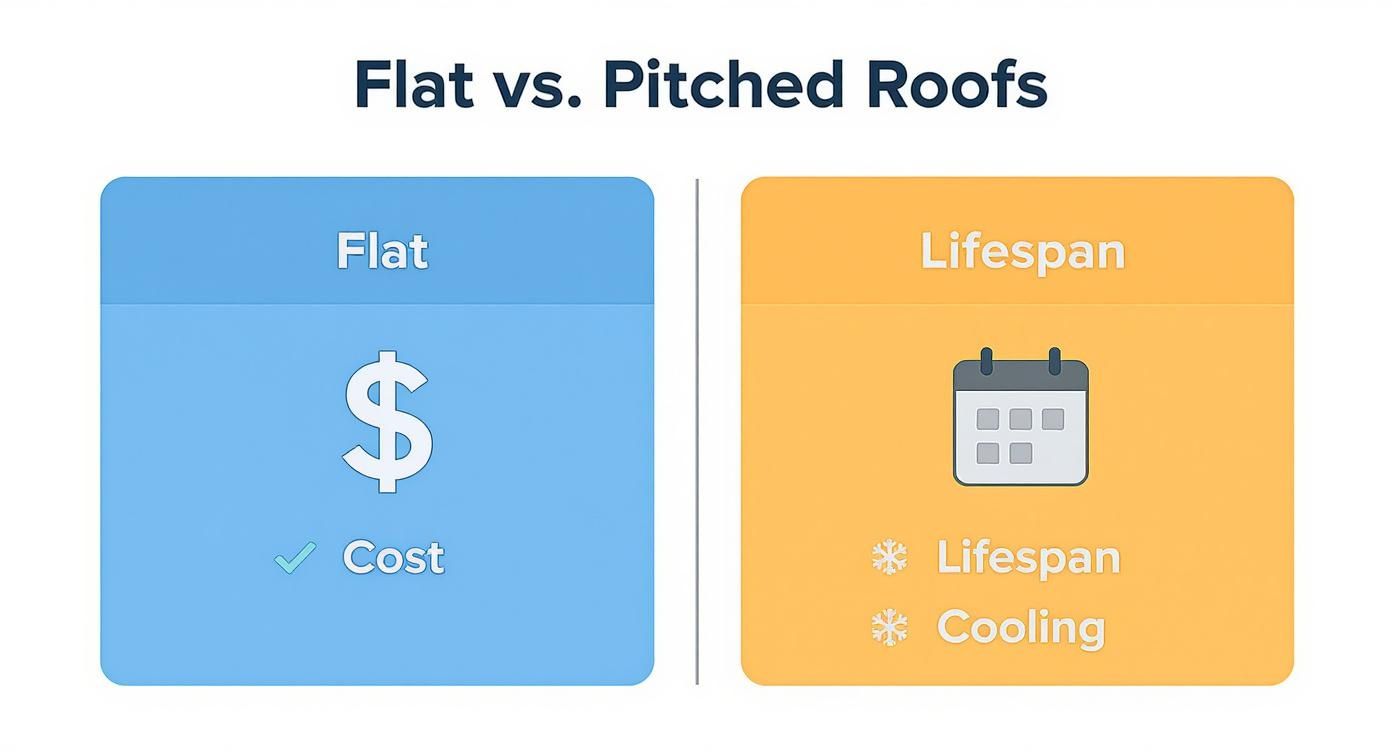
As you can see, flat roofs can offer a lower upfront cost, while pitched roofs tend to win on sheer lifespan and the natural cooling benefits baked into their sloped design.
Matching Materials to Your Roofing System
You can't just pick a material you like; it has to be the right fit for the roof's design. A product that performs beautifully on a steep pitch would be a disaster on a low-slope roof.
The most important takeaway is this: for a pitched roof, prioritize materials with high thermal mass like tile or superior reflectivity like metal. For a flat roof, the best materials are those that create a seamless, waterproof, and highly reflective membrane to combat both monsoons and intense sun.
This isn't just about looks. It's about engineering a complete roofing system that’s designed to thrive in its environment. For instance, the sheer weight of clay or concrete tiles demands a robust framing structure, which is exactly what pitched roofs are built to provide.
In contrast, lightweight materials like TPO and SPF are perfect for the simpler construction of a flat roof. They are specifically formulated to handle the unique challenges of a low-slope surface, from managing standing water to resisting the relentless, direct UV exposure that would cause other materials to degrade and fail.
When to Choose a Flat Roof vs. a Pitched Roof
https://www.youtube.com/embed/QW0ydAMVQ2w
Picking between a flat and a pitched roof isn't just a technical decision. It’s about matching the roof to your building’s purpose, your personal style, and even your lifestyle. The right choice is all about context. A roof that’s perfect for a sleek commercial building in Scottsdale might be a terrible fit for a traditional family home in Mesa.
This is where we have to look at real-world situations. Let's break down the specific scenarios where one style clearly wins over the other, helping you line up your choice with what matters most to you—be it modern design, usable space, or classic, proven performance.
The Case for a Flat Roof
In the commercial world, the flat roof is king, and for good reason. Its straightforward design is cheaper to install over massive surface areas. It also provides the perfect platform to stash bulky HVAC systems, vents, and other equipment, keeping everything neatly out of sight.
On the residential side, a flat roof makes a bold architectural statement. It's the hallmark of modern, minimalist, and contemporary homes.
Choose a flat roof for your home if:
- You're committed to a modern look. Architectural styles like Pueblo Revival, Mid-Century Modern, and Contemporary practically require the clean, horizontal lines that only a flat roof can deliver.
- You want to use your roof space. If you’re dreaming of a rooftop patio, a garden, or an outdoor entertainment area with incredible views, a flat roof is your only real path forward.
- Maximum solar efficiency is a top priority. Flat roofs let you install solar panels at the absolute perfect angle to soak up Arizona's intense sun, without being limited by a built-in slope. This can lead to peak energy production all year long.
For many Arizona homeowners, the decision comes down to function. If a rooftop deck or the most efficient solar array you can get is the goal, a flat roof is the clear winner.
The Case for a Pitched Roof
While flat roofs have their modern niche, the pitched roof is still the gold standard for traditional homes. Its design has been proven for centuries, offering a kind of bulletproof reliability, especially when it comes to handling the weather.
A sloped roof is woven into the DNA of so many beloved architectural styles, giving a home that classic curb appeal that never goes out of fashion.
Choose a pitched roof for your home if:
- Your home has a traditional style. Think Ranch, Tudor, Spanish Colonial, or Craftsman—these homes are defined by their sloped rooflines. Sticking a flat roof on one would just look wrong.
- You want simple, low-maintenance water management. The natural, gravity-powered drainage of a pitched roof is its biggest advantage. It sheds Arizona's intense monsoon rains effortlessly, which drastically cuts down the risk of leaks and ponding water with very little upkeep.
- You value long-term durability and timeless appeal. Materials like clay and concrete tile, which are mainstays for pitched roofs, can last 50 years or more. That kind of longevity, paired with a classic aesthetic, often translates to better resale value.
How to Make the Right Choice for Your Arizona Home
So, we've broken down the nuts and bolts of flat and pitched roofs. Now comes the hard part: making the final call. It really boils down to balancing what you want your home to look like, what you can afford, and how much work you want to put in down the road. This isn't about one being "better," but which one is better for you.
Let's simplify things into a straightforward checklist to help you connect your own priorities with the right roofing system.
This last step is all about matching your property's unique needs with the distinct advantages of each style. When you focus on what matters most, the right answer usually becomes obvious.
When to Go with a Pitched Roof
For most homes, the pitched roof is the classic, time-tested champion for good reason. Its design is naturally built for durability and shedding water with almost no effort, making it a "sleep easy at night" choice for homeowners.
A pitched roof is probably your best bet if:
- Your Home Has a Traditional Look: You live in a Ranch, Spanish Colonial, or any other classic style where a sloped roof is part of its DNA.
- Hassle-Free Drainage is a Must: You'd rather not worry about your roof during a monsoon. A pitched roof uses gravity to do all the work—just keep the gutters clean, and you're golden.
- You Want Maximum Longevity: Your goal is to put a roof on and not think about it again for a very, very long time. With materials like tile or metal, you could be looking at a lifespan of 50+ years.
A pitched roof is the clear winner when your top priorities are proven weather performance, timeless curb appeal, and the kind of long-term durability that boosts your home’s resale value.
When a Flat Roof Is the Smarter Move
Flat roofs are more than just a modern style statement; they open up a world of practical possibilities. This is the perfect option for anyone looking to get more out of their home's footprint than just basic shelter.
You should seriously consider a flat roof if:
- You Want to Use Your Roof Space: The idea of a rooftop deck, a green garden, or just getting your noisy HVAC units up and out of the way sounds fantastic.
- Your Home’s Architecture is Modern: Your place is a Contemporary, Minimalist, or Pueblo-style home where clean, horizontal lines are essential to the design.
- Going Big on Solar is a Priority: You plan to install a significant solar panel system and want the freedom to position them perfectly to capture every bit of that Arizona sun.
While this guide gives you a solid starting point, every property has its own quirks. The final, most important step is getting a pro's opinion. An expert from AZ Roof Co can come out, take a look at your home's structure, listen to what you want to achieve, and give you a recommendation that’s perfectly suited to stand up to our demanding climate.
Frequently Asked Questions About Arizona Roofs
Do flat roofs actually work during monsoon season?
Yes, modern flat roofs are designed to handle monsoon downpours effectively. They are not perfectly flat but have a slight slope to direct water toward drains or scuppers. When installed with a seamless, waterproof membrane (like TPO or SPF) and properly maintained to keep drains clear, they provide excellent protection against leaks.
Which roof is better for solar panels?
Both roof types can accommodate solar panels, but flat roofs offer a significant advantage. On a flat roof, installers can mount panels at the optimal angle and orientation to maximize sun exposure throughout the day, which can lead to higher energy production. On a pitched roof, you are limited by the existing slope and direction of the roofline.
What’s the real price difference between a flat and pitched roof?
Initially, a flat roof is often less expensive to install than a pitched roof. However, the total cost depends heavily on the materials. For a typical 2,000 sq. ft. home, a flat roof might cost $10,000-$18,000. A pitched asphalt shingle roof could be $8,000-$15,000, while a long-lasting tile roof could range from $18,000 to over $36,000, making it a larger long-term investment.
How much maintenance does a flat roof require compared to a pitched roof?
Flat roofs require more frequent and diligent maintenance. You must regularly inspect for ponding water, clear debris from drains and scuppers, and check the membrane for any signs of wear or damage from UV exposure. Pitched roofs are generally lower maintenance, typically only requiring annual gutter cleaning and occasional inspections for cracked tiles or damaged shingles.
Does roof color matter for energy efficiency in Arizona?
Absolutely. In Arizona's hot climate, a lighter-colored or reflective "cool roof" is highly recommended for both flat and pitched styles. White or light-colored surfaces (like white TPO membranes or light-colored tiles) can reflect a significant amount of the sun's heat, keeping your attic and home cooler and reducing the load on your air conditioning system.