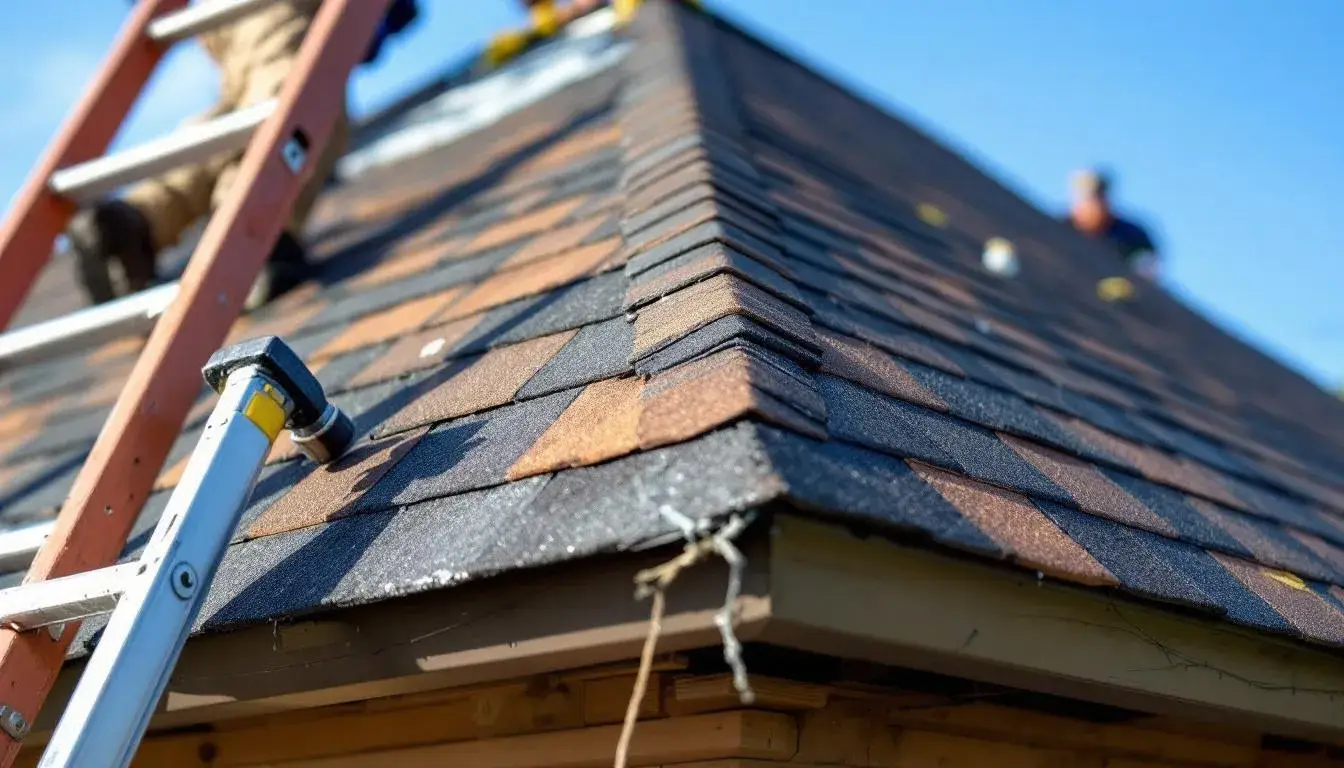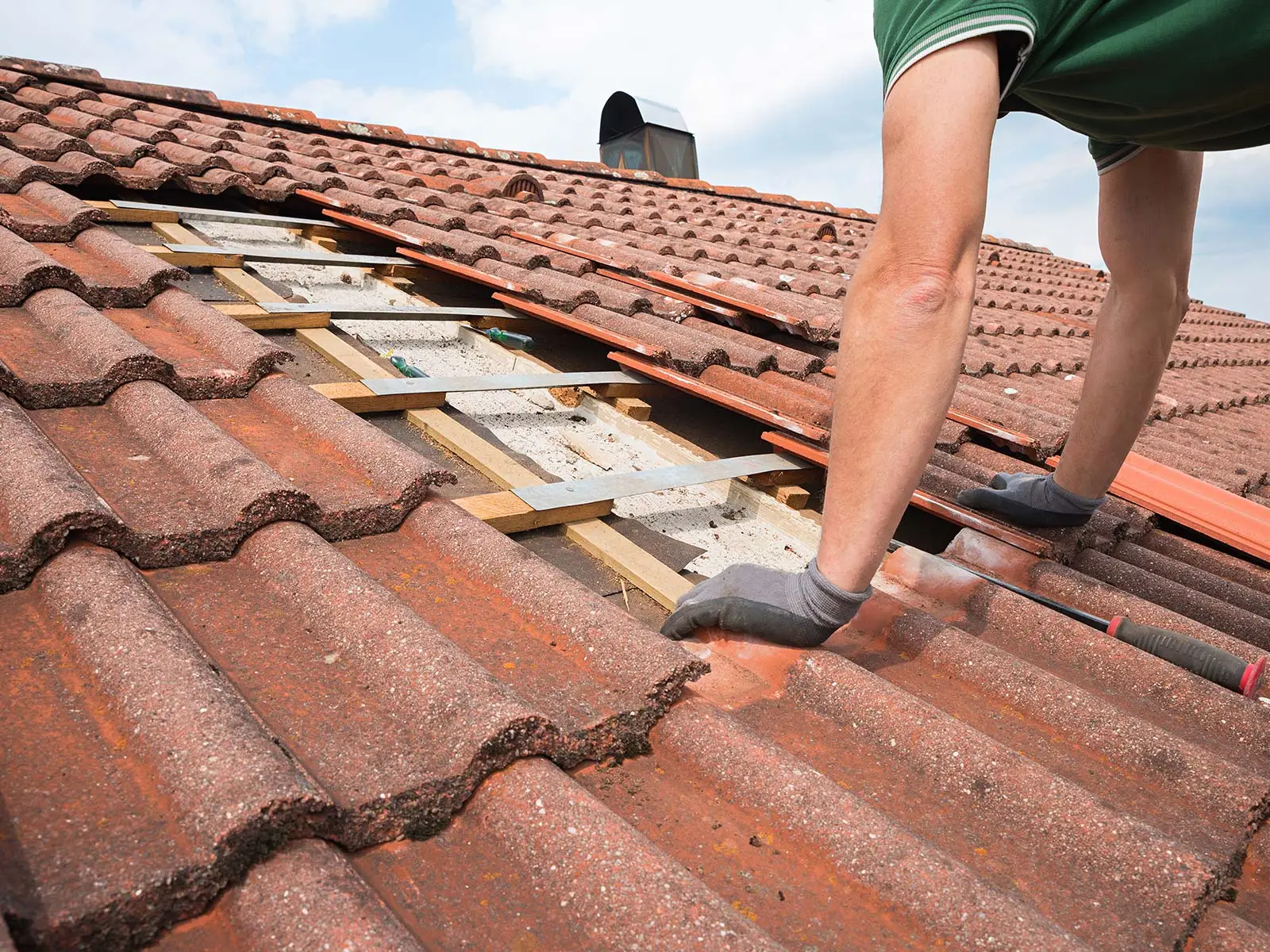

A pitched roof (sometimes referred to as a pitch roof) is a roof with a sloping surface, often chosen for its functional benefits and aesthetic appeal. The slope is usually noted as “rise:run” – for example, a 4:12 pitch means the roof rises 4 inches for every 12 inches of horizontal run. This measurement, known as roof pitch, describes how many inches the roof rises vertically over a 12-inch span, clarifying the concept of roof rises. Most pitched roofs have a slope generally over 20 degrees, which distinguishes them from flat roofs. Common roof pitch ranges for residential homes typically fall between 4:12 and 9:12. Unlike a flat deck, the angle sends water, snow (if any), and debris racing off; a steeper pitch or steeper pitches are especially effective at shedding water and snow, particularly in regions with heavy snow or heavy snowfall, which should cut leaks and water damage.
Introduction to Roofs
- Set the stage for the article by explaining why roofs are important in building and renovation.
- Briefly introduce the main types of roofs (flat roofs, pitched roofs) and mention some popular pitched roof styles (gable, hip, mansard, gambrel).
- Highlight the importance of roof pitch, roofing materials, energy efficiency, and aesthetic appeal.
- Avoid detailed descriptions of each roof type, as those are covered later.
Key Characteristics
Feature Description
Slope Gives the rise over run (6:12 = six inches up for each foot across).
Shape Options Gable, hip, gambrel, mansard, etc.
Materials Asphalt shingles, metal panels, clay tiles, concrete tiles, wood shakes, synthetics.
Ventilation Built‑in attic that lets air move, providing better airflow, which can improve energy efficiency and reduce maintenance.
Types of Pitched Roofs
Pitched roofs come in a variety of styles, each offering distinct advantages for different architectural needs and climates. The most common types include gable roofs, hip roofs, mansard roofs, gambrel roofs, and even flat roofs with a slight pitch for drainage.
Gable roofs are the classic pitched roof style, easily recognized by their triangular shape and two sloping surfaces that meet at a central ridge. Gable roofs are among the most popular roof types in the United States due to their simple design, ease of construction, and effectiveness at shedding water and snow. This design allows for excellent water runoff and is highly effective at shedding debris, making it a favorite for many residential homes. Gable roofs also provide more space in the attic and can accommodate vaulted ceilings, which is advantageous for homeowners seeking extra storage or a more open interior.
Hip roofs feature four sloping surfaces that all meet at the top, creating a more pyramid-like shape. This structure provides superior weather resistance, especially in areas prone to high winds, as the inward slope on all sides helps the roof withstand harsh conditions. Hip roofs are specifically designed to withstand high winds, making them especially suitable for areas prone to hurricanes or strong storms.
Mansard roofs, sometimes called French roofs, have a double slope on each side. The lower slope is much steeper than the upper slope, which creates extra living or storage space beneath the roof. This design is both stylish and practical, offering a unique look and more usable attic space.
Gambrel roofs, also known as Dutch roofs, are similar to mansard roofs but are typically found on barns and some homes. They have two slopes on each side: a steep lower slope and a more shallow upper slope. This double slope design maximizes interior space, provides more space in the attic, and can accommodate vaulted ceilings, giving the roof its distinctive profile.
While flat roofs are not truly flat, they have a very shallow pitch to ensure proper drainage. Although they differ from traditional pitched roofs, their slight slope is essential for preventing water accumulation and maintaining roof integrity.
Each of these pitched roof types uses sloping surfaces to direct water away from the building, enhancing weather resistance and reducing maintenance needs. Whether you prefer the simple lines of a gable roof or the elegant double slope of a mansard roof, there’s a pitched roofing style to suit every taste and requirement.
Specialized Pitched Roof Designs
- Focus on the variety within pitched roofs, emphasizing specialized designs.
- Describe mono-pitch, double-pitch, Dutch (gambrel), French (mansard), and hip roofs, highlighting their unique features and benefits.
- Discuss how these designs address specific needs (space, weather resistance, aesthetics).
- Stress the importance of considering local climate, building codes, and personal preference.
Why Choose a Pitched Roof in Arizona?
1. Superior Water Management
Arizona’s monsoon drops fast and heavy. A pitched roof pushes that water away quicker than a flat roof, so puddles don’t sit long and the roof ages slower.
2. Better Energy Efficiency
The steep angle creates an attic. If you add proper vents and use reflective panels, you could shave 10–15 % off cooling bills. That may be important when days hit 110 °F.
3. Longevity & Durability
Because water drains fast, the wood deck beneath sees less moisture. When installed right and looked after, a pitched roof usually lasts 20–30 years – sometimes more.
4. Curb Appeal
A sloped roof gives a classic silhouette that can lift resale value. In Arizona you’ll see Spanish tile roofs and sleek metal gables a lot.
But some people argue flat roofs look modern and need less framing. It’s a trade‑off worth checking.
Comparison with Other Roof Types
When choosing a roof for your home or building, it’s important to understand the differences between pitched roofs and flat roofs. Pitched roofs, with their sloping surfaces and varying roof pitch, are designed to shed water and snow efficiently. This makes them especially popular for residential homes in areas where effective drainage and weather resistance are priorities.
Flat roofs, on the other hand, are commonly found on commercial buildings and feature a nearly horizontal surface. While they may appear perfectly level, flat roofs actually have a slight pitch to allow for proper drainage. One of the main advantages of a flat roof is the potential for additional usable space—think rooftop patios, gardens, or even solar panels. Flat roofs can also be more cost effective to install, as they typically require less material and simpler construction methods.
When it comes to roofing materials, pitched roofs offer greater flexibility. They can be covered with asphalt shingles, and the asphalt shingle is a popular and cost-effective choice for many homeowners. Other options include metal roofing, clay tiles, concrete tiles, or wood shakes, depending on the desired look and performance. Flat roofs, by contrast, often require specialized roofing materials like EPDM or TPO membranes to ensure waterproofing and durability.
The choice between a pitched roof and a flat roof depends on several factors, including local climate, architectural style, and personal preference. Pitched roofs are ideal for shedding water and withstanding heavy rain or snow, while flat roofs may be better suited for modern architecture and maximizing rooftop space. Consulting a roofing contractor is the best way to determine which roof type, pitch, and roofing material will work best for your specific building, taking into account the vertical rise, horizontal span, and overall design goals.
Popular Materials for Pitched Roofs in Arizona
| Material | Pros | Cons |
|---|---|---|
| Asphalt Shingles | Cheap, many colors, easy to install | May need replacement in 15‑25 years |
| Metal Panels | Long life, reflect sun, light weight | Higher up‑front price, needs special screws |
| Clay/Concrete Tiles | Handles heat, fire‑safe, very long | Heavy – you might need stronger ribs |
| Synthetic Tiles | Light, looks like clay, solid durability; synthetic cedar shakes are a premium, energy-efficient option compatible with solar panels | Newer market, less long‑term data |
| Wood Shakes | Rustic feel, natural insulation | Maintenance heavy, fire rules strict |
| Cedar Shakes | Durable, attractive, low maintenance, excellent water shedding | Can be more expensive than asphalt, may require treatment in some climates |
| Slate Shingles | Extremely durable, classic look, ideal for pitched roofs, low maintenance | Heavy, higher cost, needs strong support |
When choosing roofing for pitched roofs, selecting high quality materials like architectural shingles, slate shingles and synthetic cedar shakes ensures long-lasting durability and enhances curb appeal.
How to Pick the Right Pitch
- Climate – Very rainy zones may need steep pitch (8:12+). Milder rain can work with 4:12‑6:12. Roof rises are measured by how many inches the roof rises vertically for every 12 inches of horizontal run (for example, a 6:12 pitch means the roof rises 6 inches for every 12 inches of run).
- Style – Low‑slope tile roofs suit old Spanish homes, while modern builds often pick steep gables. Different roof pitches and angles affect both the design and function of the roof, influencing water runoff, appearance, and suitability for various architectural styles.
- Structure – Your house must hold the weight of whatever you choose; heavier tiles need stronger framing. The number and placement of roof beams play a key role in supporting different roof types—gambrel roofs, for example, often use only two roof beams, which can simplify construction and reduce costs. Construction costs can vary significantly depending on the pitch, angles, and complexity of the roof design.
Tip: Always check local building codes before selecting your roof pitch and structure to ensure compliance and safety. Talk to a licensed Arizona roofer and ask for a simple calculation before you lock in a number.
Pitched Roofing Installation
- Outline the installation process for pitched roofs, from determining roof pitch to material selection and construction.
- Emphasize the importance of proper measurement (vertical rise, horizontal span) and choosing the right materials (asphalt shingles, metal roofing, clay tiles).
- Highlight the need for skilled contractors, adherence to local building codes, and the benefits of high-quality materials.
- Mention the importance of roof maintenance and how proper installation ensures durability and weather resistance.
Now, I’ll write each section accordingly.
Maintenance Checklist
- After storms – Scan for missing shingles, dents in metal or cracked tiles.
- Gutter cleaning – Keep downspouts free so water never backs up onto the roof.
- Flashing check – Around chimneys, skylights and vents make sure the metal is sealed.
- Tree trimming – Drop branches cause debris and shade that can grow moss on shingles.
- Professional inspection – One yearly visit by a certified roofer can spot hidden cracks.
Cost Snapshot
Roof Type Approx. Material Cost / sq ft Approx. Install Cost / sq ft Expected Life Asphalt Shingles $1‑$2 $2‑$4 15‑25 yr Metal Panels $3‑$5 $4‑$7 30‑50 yr Clay/Concrete Tiles $4‑$7 $6‑$9 30‑50 yr Synthetic Tiles $5‑$8 $6‑$9 30 + yr Wood Shakes $3‑$5 $5‑$8 20‑30 yr
For a more comprehensive breakdown of roofing costs and the factors that influence them in 2025, see our detailed guide.
Because Arizona Sun is tough, tile and metal usually cost a bit more to get UV‑resistant products.
Picking a Roofing Contractor
- License & Insurance – Make sure they hold a current Arizona roofing license and carry liability plus workers’ comp.
- Local Know‑How – Companies that live here understand monsoon tricks and desert heat.
- Portfolio – Ask for photos of recent jobs; talk to past customers if you can.
- Roofing Project Expertise – Choosing the right contractor is essential for a successful roofing project, whether you are building, replacing, or repairing a roof.
- Written Quote – It should spell out material type, pitch, warranty and schedule.
- Warranty – Look for at least 10‑year material + workmanship coverage.
Frequently Asked Questions
Q: Can I turn a flat roof into a pitched roof?A: Yes, but you’ll need a structural review, new framing and probably a permit. Often it’s cheaper just to replace the whole roof. If you’re considering different roof types, options include a simple gable roof (two sloping sides forming a triangle, known for simplicity and cost-effectiveness), a dutch roof (a gambrel roof with two slopes per side, offering extra space and a classic look), a gambrel roof (symmetrical with two slopes on each side, the upper slope has a more shallow angle for increased interior space), a french roof (a type of mansard roof with four double-sloped sides converging at a flat top, often used as a lounge area), and mono pitch roofs (single-slope roofs, easy to construct and ideal for sheds or cabins).
Q: Will a pitched roof lower my energy bill in Phoenix?A: Proper vents and reflective panels can cut cooling load about 10‑15 %, especially with a well‑insulated attic.
Q: Are there code limits on roof pitch here?A: Arizona codes set minimum slopes for specific materials (e.g., asphalt shingles need at least 2:12). Check with a pro before you build.
Q: Which material survive desert heat best?A: Metal panels with a high solar‑reflectance rating or classic clay tiles do a solid job against UV and heat.
Final Thoughts
A pitched roof may give Arizona owners a mix of long life, better energy use and classic curb appeal. Choosing the right slope, material and a seasoned roofing crew can protect your home from monsoon bursts while adding value. If you feel ready to upgrade, reach out to Arizona Roofers for a free, no‑obligation inspection and a customized quote. Your house deserves solid shelter – let’s build it together.