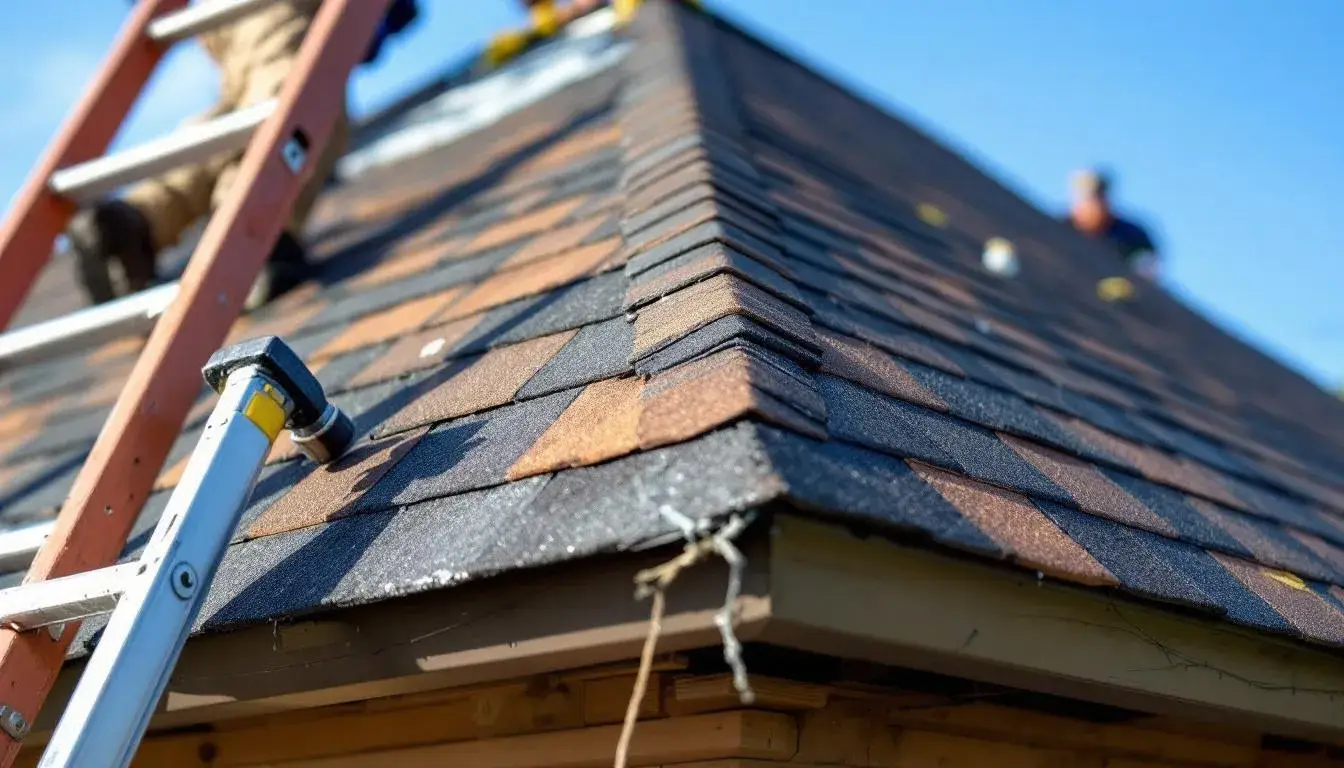

A new roof is one of the most significant investments a homeowner can make. With the average U.S. roof replacement cost in 2025 hovering around $9,522, it’s an expense that can place a substantial strain on any budget. Most homeowners face significant financial challenges when it comes to roof replacement. This financial pressure leads many to postpone critical work; in fact, nearly 60% of homeowners admit to putting off necessary home repairs simply because they can’t afford them. Many people who need a new roof are in dire need due to financial hardship. But what if there was a way to secure your home’s most vital shield against the elements without draining your savings?
This guide illuminates the path toward getting a new roof for free or at a significantly reduced cost. Some grants are essentially free money for those who qualify, helping to cover the cost of roof replacement without repayment. By exploring a range of government grants, assistance programs, and other financial avenues, you can find the resources needed to protect your home and family. The journey requires diligence and research, but a safe, secure roof is an attainable goal for those who qualify.
The Challenge: Facing Costly Roof Replacements
The need for a new roof for your house is rarely a matter of choice. Leaks, missing shingles, and structural decay are not just cosmetic issues; they are urgent problems that can lead to extensive water damage, mold growth, and compromised structural integrity. Delaying essential roof replacements transforms a manageable problem into a catastrophic and far more expensive one. For low-income families, seniors on fixed incomes, and homeowners in economically challenged areas, the cost of materials like asphalt shingles—and the importance of selecting the right material for cost-effectiveness—along with professional labor, can seem insurmountable, creating a cycle of deferred maintenance and escalating risk. Delaying replacing the roof on your house can make paying for these repairs even more difficult.
The Promise: Unlocking Government Grants & Assistance
Fortunately, you don’t have to face this challenge alone. The federal government, along with state and local agencies, recognizes that safe housing is a cornerstone of community stability. To that end, they have established numerous government grants and assistance programs designed to help eligible homeowners fund critical home repairs. Home improvement grants are available for critical repairs, providing financial support for those who qualify. These programs aim to preserve housing stock, improve Energy efficiency, and ensure residents live in safe, healthy environments. From grants that don’t require repayment to low-interest loans, these resources can bridge the financial gap and make a new roof a reality—and can also be used for other home improvements beyond roofing.
Setting Expectations: Understanding “Free” and the Journey Ahead
The term “free” is powerful, but it’s important to set realistic expectations. In this context, a “free” roof typically means one paid for by a government grant for which you meet strict Eligibility requirements. It is not a universal handout. The process involves applications, documentation, and waiting periods. For others, assistance might come in the form of a very low-interest loan that makes the home improvement project affordable over time. This guide will walk you through all these possibilities, providing the knowledge to navigate the system and find the program that best fits your situation.
Are You Eligible? Your First Step to Roof Assistance
Before diving into specific programs, the first and most critical step is to understand the general eligibility criteria. Government programs are designed to direct funds to those who need them most, and they use a specific set of factors to determine qualification, often including household income. Age can also be a determining factor for some programs.
Key Eligibility Factors: Income, Homeownership, and Location
Three pillars of eligibility consistently appear across nearly all assistance programs:
- Income: Most grants are reserved for households classified as “very low-income” or “low-income.” These thresholds are typically defined by the Department of Housing and Urban Development (HUD) and vary by county and household size. You will need to provide proof of income to verify you fall within the designated limits.
- Homeownership & Occupancy: Applicants must both own and live in the property that requires the roof repair, and the property must be their primary residence. These programs are not intended for rental properties, vacation homes, or commercial buildings.
- Location: Certain programs are only available to those located in specific areas. For instance, some of the most substantial aid is targeted at homeowners located in a designated rural area. Your property’s location is a key determinant for programs like those offered by the USDA.
Specific Demographics: Prioritized Groups for Assistance
While income, ownership, and location are the primary screeners, many programs give special priority to certain demographic groups. These often include:
- Seniors: Homeowners aged 62 and older are frequently singled out for grant opportunities, recognizing that many live on fixed incomes. Receiving Supplemental Security Income (SSI) can also help seniors qualify for certain programs.
- Individuals with Disabilities: Programs often cater to homeowners with documented disabilities, ensuring their homes are safe and accessible. Supplemental Security Income (SSI) recipients may receive additional consideration or automatic eligibility for some assistance programs.
- Veterans: Many state and local initiatives offer dedicated assistance for veterans in need of critical home repairs.
Federal Government Grants: Your Primary Source for a Free Roof
The federal government is the largest source of funding for homeowner assistance. Several key agencies oversee programs that can be used for roof replacements.
USDA Rural Development: Repair & Rehabilitation Grants
For those living in eligible rural areas, the USDA’s Section 504 Home Repair Program is one of the most direct paths to a free roof. The USDA offers grants specifically for home repairs, focusing on improving safety and addressing health hazards for elderly and disabled residents. Administered by USDA Rural Development, this program is specifically designed to help very low-income homeowners repair and modernize their homes. It has two main components:
- Grants: Homeowners aged 62 or older may be eligible for a grant of up to $10,000. This money is intended to remove health and safety hazards, which explicitly includes a failing roof. These government grants do not need to be repaid, and the funds can be used to get your roof repaired.
- Loans: For those who don’t qualify for the grant, the program also offers loans of up to $40,000 at a fixed 1% interest rate, with a repayment period of 20 years.
To apply, you must contact your local rural development office.
Department of Energy: Weatherization Assistance Program (WAP)
The Weatherization Assistance Program (WAP), managed by the Department of Energy, focuses on improving energy efficiency to reduce energy costs for low-income families. Local human services agencies, such as county health and human services departments, often help administer the Weatherization Assistance Program and facilitate access to these energy efficiency improvements.
While WAP doesn’t typically pay for a full roof replacement on its own, it can be a crucial piece of the puzzle. Households with high energy consumption may be prioritized for assistance. If a faulty roof is contributing to significant heat loss and high energy bills, WAP funds may cover roof repairs, insulation, and ventilation improvements as part of a whole-home weatherization project. This can address major roof issues while making your home more affordable to heat and cool.
HUD Community Development Block Grants (CDBG)
The Department of Housing and Urban Development (HUD) distributes Community Development Block Grants to state and local governments. These funds are then used for a wide range of community improvement projects, including housing rehabilitation and supporting low income housing initiatives. Many cities and counties use their CDBG funds to operate local home repair programs for low-income residents. A leaky roof that threatens the health and safety of the occupants is often a top priority for these programs. To access these funds, you’ll need to contact your municipal or county planning or housing department, as these programs provide a valuable service to the community.
State and Local Assistance: Expanding Your Search
Federal programs are a powerful resource, but your search shouldn’t end there. State government agencies and local entities often provide more targeted assistance.
Discovering State-Specific Housing Rehabilitation Programs
Many states have their own Department of Housing and Community Development or a similar agency that offers grants and loans for critical repairs. These housing rehabilitation programs may offer a range of services, including roof repair, and often have criteria similar to their federal counterparts but may be tailored to the specific needs of the state’s residents. A web search for “[Your State] housing rehabilitation grant” is an excellent starting point.
Local Non-Profits and Community Initiatives
Don’t overlook the power of community-based organizations. Groups like Habitat for Humanity, Rebuilding Together, and local community action agencies often have programs dedicated to repairing homes for those in need, helping low-income seniors, veterans, and families with essential home repairs, including roofing. These organizations rely on volunteers and donations to make a direct impact in their neighborhoods.
Beyond Direct Grants: Other Avenues for Funding Your Roof
If you don’t qualify for grants, there are still other pathways to explore that can significantly reduce or eliminate the out-of-pocket cost of a new roof. Some homeowners use a mortgage or a home equity loan to finance roof replacement, allowing them to access funds based on the value of their property.
Homeowner’s Insurance: When Damage Isn’t Your Fault
Your homeowner’s insurance policy is your first line of defense against sudden, accidental damage. If your roof has been damaged by a specific event—such as a hailstorm, windstorm, fire, or a fallen tree—your policy will likely cover the cost of repair or replacement, minus your deductible. To start the process, you will need to work with your insurance company to file a claim. Filing an insurance claim is a viable path, but it’s crucial to act quickly and document everything. Normal wear and tear or neglect is not covered.
Once your claim is filed, an insurance adjuster will assess the damage to your roof to determine the extent of coverage and ensure your claim is processed fairly.
Distinguishing Grants from Loans: Know Your Options
It’s vital to understand the difference between the assistance options available.
- Grants: This is money you receive without paying it back. Programs like the USDA Section 504 grant are true gifts intended to ensure safe housing.
- Loans: This is money you must repay over time. However, government-backed loans often come with extremely low interest rates and favorable terms that are unavailable through private financing. These loans make an unaffordable upfront cost manageable through small monthly payments.
Once your application is completed, you will be notified of your eligibility.
Navigating the Application Process: Your Step-by-Step Guide
Securing a grant or loan requires a methodical approach. Completing all required forms accurately is essential for a successful application. Follow these steps to build a strong case and improve your chances of success.
Start with a Professional Roof Inspection
Professional roof inspections are crucial before you can apply for any assistance, as you need to prove there’s a problem. You should hire a reputable roofing contractor to perform the inspection. The roofing contractor will provide a detailed report outlining the condition of your roof, the extent of the damage, and a cost estimate for the necessary repairs or replacement. A reputable roofing contractor can also assist with documentation for insurance claims. This documentation is non-negotiable for both grant applications and insurance claims.
Gathering Essential Documents and Proof
Be prepared to provide a significant amount of paperwork. Most applications will require:
- Proof of identity (driver’s license, state ID).
- Proof of homeownership (deed or title).
- Proof of income (tax returns, pay stubs, social security statements).
- The detailed roof inspection report and repair estimates.
- Photographs of the roof damage.
Crafting a Strong Application: Tips for Success
When filling out your application, be thorough, accurate, and honest. Clearly explain how your current roof’s condition poses a health or safety risk to your household. If the roof is causing leaks, mention the potential for mold. If it’s structurally unsound, emphasize the danger of collapse. Frame the need in terms of safety and well-being, as this aligns with the core mission of these programs.
The Waiting Game: Follow-Up and Persistence
After submitting your application, be patient. Government agencies are often overloaded, and the review process can take several weeks or even months. Don’t be afraid to follow up politely to check on the status of your application. Persistence can make a difference.
What If Grants Aren’t Available? Exploring Last-Resort Funding
If you’ve exhausted grant options and an insurance claim isn’t possible, you may need to consider replacing your roof using alternative funding. You still have avenues to make a new roof affordable.
Low-Interest Government Loans
Revisit the loan components of programs like the USDA Section 504 Home Repair Program. A loan at 1% interest is often far more affordable than any option available from a commercial lender and is specifically designed to be manageable for low-income households.
Private Financing Options
As a final resort, consider private financing. Many homeowners use a personal loan or home equity loans to cover the cost of a major home improvement. While these options come with higher interest rates than government loans, they provide immediate access to funds for urgent repairs. Many roofing companies also offer their own financing plans, which can be a convenient way to spread the cost over time.
Frequently Asked Questions About Free Roofs
How long does the application and approval process typically take?
The timeline varies significantly by program and agency workload. For federal programs, expect the process to take anywhere from 30 days to several months. State and local programs might move faster. It is rarely a quick process, so it’s best to apply as soon as you identify a need.
Can I choose my own roofing company if I receive a grant?
This depends on the program. Some grants or loans are paid directly to you, giving you the freedom to choose your contractor. However, many programs have a list of pre-approved, licensed, and insured contractors you must use. This is done to ensure the government’s funds are used properly and the work meets quality standards. Always clarify this requirement before accepting any assistance.
Conclusion
Securing a new roof when funds are tight can feel like an impossible task, but it doesn’t have to be. By systematically exploring federal, state, and local government programs, you can unlock grants and low-interest loans designed specifically for homeowners in your situation. From the USDA’s Section 504 program for rural residents to local housing rehabilitation initiatives, numerous resources exist to help you protect your home.
Remember to start with a professional roof inspection to document your needs, diligently gather your paperwork, and be persistent in your applications. Even if grants aren’t an option, a successful insurance claim or an affordable government loan can provide the financial bridge you need. The path to a safe, secure roof begins with research and a clear understanding of your options. Take the first step today to protect your most valuable asset for years to come.