

Introduction: What is a Roof Coating Contractor and Why It Matters
A roof coating contractor is a specialized roofing professional who applies protective coatings to extend roof life, prevent leaks, and improve energy efficiency. In this guide, you’ll learn what roof coating contractors do, why they’re essential, and how to choose the right one for your project.
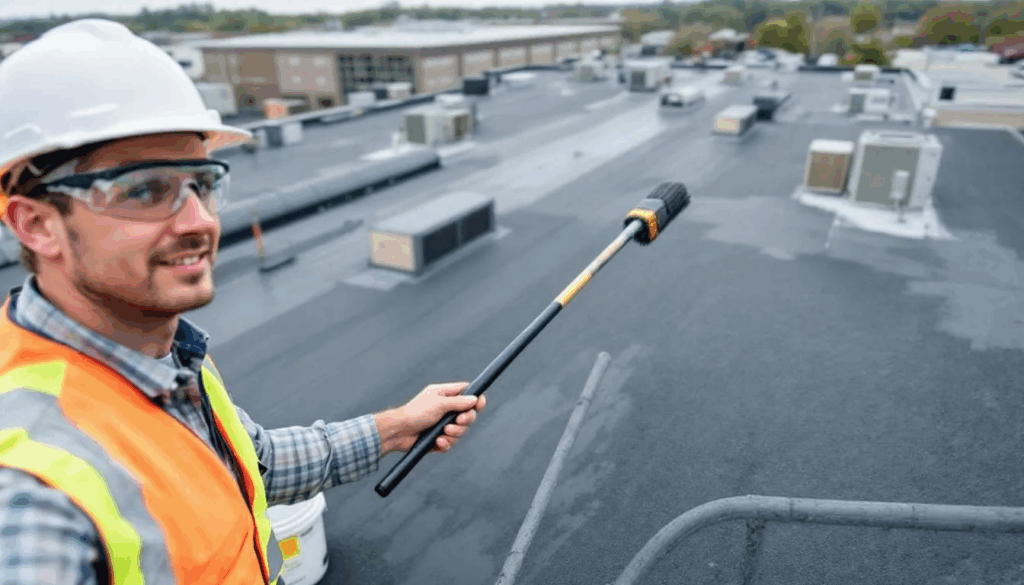
This comprehensive guide covers contractor qualifications, services offered, coating types, and selection criteria. Whether you’re a facility manager dealing with aging flat roofs or a building owner considering cost effective alternatives to roof replacement, understanding how to select the right coating contractor is crucial for project success.
Commercial property owners and facility managers rely on qualified roof coating contractors to transform aging roofing systems into durable, energy-efficient barriers against extreme weather conditions. The entire process requires specialized knowledge of coating systems, proper surface preparation, and manufacturer specifications.
Understanding Roof Coating Contractors: Key Concepts and Definitions
Core Definitions
A roof coating contractor specializes in applying fluid applied coating systems to existing roof surfaces, extending their service life while improving performance. Unlike general commercial roofing contractors who focus on roof replacement, coating contractors concentrate on roof restoration through specialized materials and application techniques.
Key terminology includes:
- Roof coating system: Complete protective barrier applied over existing roof membranes
- Fluid applied coatings: Liquid materials that cure into seamless protective films
- Elastomeric systems: Flexible coating materials that accommodate building movement
- Roof restoration: Process of renewing roof performance without full replacement
Pro Tip: The difference between general roofers and specialized coating contractors lies in their expertise with specific coating materials, manufacturer certifications, and understanding of substrate compatibility requirements.
Service Relationships
Roof coating contractors connect multiple aspects of building maintenance and performance improvement. The relationship map flows as follows: comprehensive roof inspection → surface preparation → coating system application → warranty coverage and ongoing maintenance.
These professionals work closely with facility managers, architects, and building owners to deliver solutions that protect against UV rays, reduce energy costs by keeping buildings cooler, and eliminate leaks without the expense and disposal challenges of complete roof replacement.
Why Roof Coating Contractors are Important in Commercial Roofing
Professional roof coating contractors provide substantial value backed by industry data. According to the National Roofing Contractors Association, properly applied roof coatings can extend roof life by 10-20 years while costing 50% less than roof replacement.
Energy efficiency improvements deliver measurable returns on investment. Reflective coating systems can reduce cooling costs by 10-30% by reflecting UV rays and maintaining lower roof surface temperatures. For large commercial buildings, these savings often justify coating projects within 3-5 years.
The roof coating market, valued at $8.72 billion globally in 2024, demonstrates the growing recognition of coating contractors’ importance in commercial roofing. Facility managers increasingly choose roof restoration over replacement to reduce waste disposal costs and minimize business disruption during the project phase.
Roof Coating Types and Contractor Specializations Comparison
Coating Type | Best Applications | Warranty Period | Cost Range | Climate Suitability |
|---|---|---|---|---|
Silicone | EPDM, metal roofs, ponding water areas | 15-20 years | $3-6/sq ft | All climates, excellent UV resistance |
Acrylic | Built-up roofs, modified bitumen | 10-15 years | $2-4/sq ft | Mild climates, not for ponding water |
Elastomeric | Concrete, asphalt surfaces | 10-12 years | $2-5/sq ft | Moderate climates, good flexibility |
Polyurethane | Metal roof restoration, high-traffic areas | 15-25 years | $4-8/sq ft | Extreme weather conditions |
Contractor specializations vary by coating type and substrate compatibility. Industry leading manufacturers like GAF, Tremco, and other manufacturers typically certify contractors for specific coating systems, ensuring proper installation and full warranty coverage.
Step-by-Step Guide to Hiring the Right Roof Coating Contractor
Step 1: Assess Your Roof Coating Needs
Before contacting contractors, conduct a thorough roof inspection to determine coating eligibility. Not all roofs are suitable candidates for coating applications. Document current roof conditions, including:
- Membrane type (EPDM, modified bitumen, metal roofs, PVC)
- Existing leak locations and structural damage
- Insulation condition and R-value requirements
- Drainage patterns and ponding water areas
Example scenario: A 50,000 square foot EPDM rubber roof with minor ponding issues requires different coating considerations than a metal roof restoration project. Silicone coating systems excel on EPDM surfaces with ponding water, while acrylic coatings work better on well-drained built-up roofs.
Gather building documentation including original roof specifications, previous maintenance records, and any manufacturer warranties still in effect. This information helps contractors recommend appropriate coating systems and warranty options.
Step 2: Research and Vet Potential Contractors
Essential contractor qualifications include:
- Licensing: Current state and local roofing licenses
- Insurance: General liability and workers’ compensation coverage
- Manufacturer certifications: Training and approval from coating system manufacturers
- Experience: Minimum 5 years with specific coating materials
- References: Recent commercial projects with verifiable results
Questions to ask potential coating contractors:
- Which coating systems do you install most frequently?
- What manufacturer certifications do you maintain?
- How do you handle surface preparation on different roof types?
- What warranty coverage do you provide beyond manufacturer warranties?
Use resources like Better Business Bureau ratings, manufacturer contractor directories, and industry associations to verify contractor credentials. Great products require proper installation by qualified professionals to achieve great success.
Step 3: Evaluate Proposals and Select Your Contractor
Compare contractor proposals based on:
- Material specifications: Coating type, thickness, and coverage rates
- Labor warranties: Workmanship guarantees separate from material warranties
- Project timeline: Realistic schedules considering weather requirements
- Surface preparation protocols: Detailed cleaning and repair procedures
Red flags include significantly lower pricing without explanation, lack of manufacturer documentation, or contractors who cannot provide recent references. The right choice balances cost, quality, and warranty coverage.
Contract essentials must include material specifications, warranty terms, payment schedules, and weather contingency plans. Most coatings require temperatures above 45°F and dry conditions for proper application, making project timing crucial for performance.
Common Mistakes to Avoid When Hiring Roof Coating Contractors
Mistake 1: Choosing contractors based solely on lowest price without checking qualifications. Low-cost contractors often lack proper manufacturer certifications or use inferior materials, resulting in premature coating failure and voided warranties.
Mistake 2: Failing to verify manufacturer certifications and proper coating system specifications. Each coating type requires specific application techniques and substrate preparation. Unqualified contractors may apply wrong coating systems or skip critical preparation steps.
Mistake 3: Not confirming adequate surface preparation protocols in the contract. Proper surface preparation accounts for 60% of coating system performance. Contractors must remove loose materials, repair damage, and ensure proper adhesion.
Pro Tip: Always request manufacturer warranty documentation and contractor insurance certificates before project commencement. Verify that warranty coverage includes both materials and workmanship for complete protection.
Real-Life Example and Walkthrough
Case Study: Manufacturing facility saves $200,000 with silicone roof coating contractor in Chicago
Starting Situation: A 80,000 square foot EPDM rubber roof on a food processing facility experienced multiple leaks and required constant maintenance. The facility manager faced pressure to address roofing issues without disrupting operations.
Steps Taken:
- Assessment Phase: Comprehensive roof inspection revealed 85% of membrane remained structurally sound
- Contractor Selection: Three certified silicone coating contractors submitted proposals; selected contractor based on manufacturer certifications and local references
- Application Process: 3-week coating application completed during summer weather window with minimal business disruption
Results:
- Cost Savings: $200,000 compared to roof replacement estimate
- Performance: 15-year warranty coverage with leak elimination
- Energy Efficiency: 25% reduction in cooling costs during peak summer months
- Durability: Coating system withstood severe weather conditions in first two years
Metric | Before Coating | After Coating | Improvement |
|---|---|---|---|
Annual Maintenance Cost | $15,000 | $3,000 | 80% reduction |
Leak Incidents | 12/year | 0 | 100% elimination |
Summer Cooling Cost | $32,000 | $24,000 | 25% reduction |
FAQs about Roof Coating Contractors
Q1: How long does a professional roof coating application take? A1: Most commercial projects take 3-10 days depending on roof size and weather conditions. Large flat roofs over 100,000 square feet may require several weeks to complete properly.
Q2: What certifications should I look for in a roof coating contractor? A2: Look for manufacturer certifications from industry leading manufacturers like GAF, Tremco, or other major coating suppliers, plus proper state licensing and current insurance coverage.
Q3: How much does hiring a roof coating contractor cost? A3: Professional application typically costs $2-6 per square foot including materials and labor. Complex projects requiring extensive surface preparation or premium coating systems may cost more.
Q4: Can roof coating contractors work in winter? A4: Most coatings require temperatures above 45°F and dry conditions for proper application. Winter applications are possible in mild climates but not recommended in areas with freezing temperatures.
Q5: How do I know if my roof is suitable for coating? A5: Professional roof inspection determines coating eligibility. Roofs with severe structural damage, wet insulation, or incompatible substrates may require repair or replacement before coating application.
Conclusion: Key Takeaways
Selecting the right roof coating contractor requires attention to five critical factors: proper contractor qualifications including manufacturer certifications, appropriate coating system selection for your roof type, comprehensive warranty coverage protecting both materials and workmanship, realistic cost considerations balanced with quality, and careful project timeline planning around weather requirements.
The right choice between coating contractors can save facility managers hundreds of thousands of dollars while extending roof life by decades. Quality contractors with proper certifications deliver cost effective solutions that protect buildings from elements while improving energy efficiency.
Next Action: Request multiple contractor quotes and verify all certifications before making your final decision. Schedule coating projects during optimal weather windows for best results and long-term performance.
Final Tip: Partner with contractors who demonstrate deep knowledge of coating systems and maintain strong relationships with manufacturers. These partnerships ensure access to great products, technical support, and warranty protection throughout your coating system’s service life.