
The average cost for a full tile roof replacement in Arizona is approximately $12,318, but it can range from $8,000 to over $26,000 depending on the home’s size and the tile material chosen. For many Arizona homeowners, the surprise isn’t the base price. It’s the extra cost tied to heat-damaged underlayment, monsoon-related repairs, steep roof access, and insurance paperwork that national articles usually skip.
That’s usually when the questions start. A few tiles crack after a storm in Phoenix. A ceiling stain shows up in Mesa. Summer cooling bills climb in Scottsdale, and the roof suddenly becomes more than a cosmetic issue. Tile roofs last a long time, but Arizona sun, wind, and thermal movement put stress on the parts beneath the tile long before many homeowners expect it.
A tile roof replacement is a major project, but it doesn’t have to feel vague or padded with mystery charges. Homeowners in Tucson, Chandler, Glendale, and the rest of the state need a straight explanation of what drives the cost to replace roof tiles, what belongs in a proper quote, and where the expensive mistakes usually happen.
Table of Contents
- Is It Time to Replace Your Arizona Tile Roof
- Average Cost to Replace Roof Tiles A Full Breakdown
- Material Costs Clay vs Concrete vs Composite Tiles
- Labor and Hidden Costs What Your Quote Should Include
- Arizona-Specific Factors That Impact Your Final Price
- Smart Financial Planning for Your New Tile Roof
Is It Time to Replace Your Arizona Tile Roof
A common Arizona scenario starts with something small. A homeowner notices a few slipped or cracked tiles after monsoon winds, then sees a water mark near a vent stack weeks later. The roof still looks mostly intact from the street, so replacement feels premature. But on tile systems, the visible tile is only part of the story.
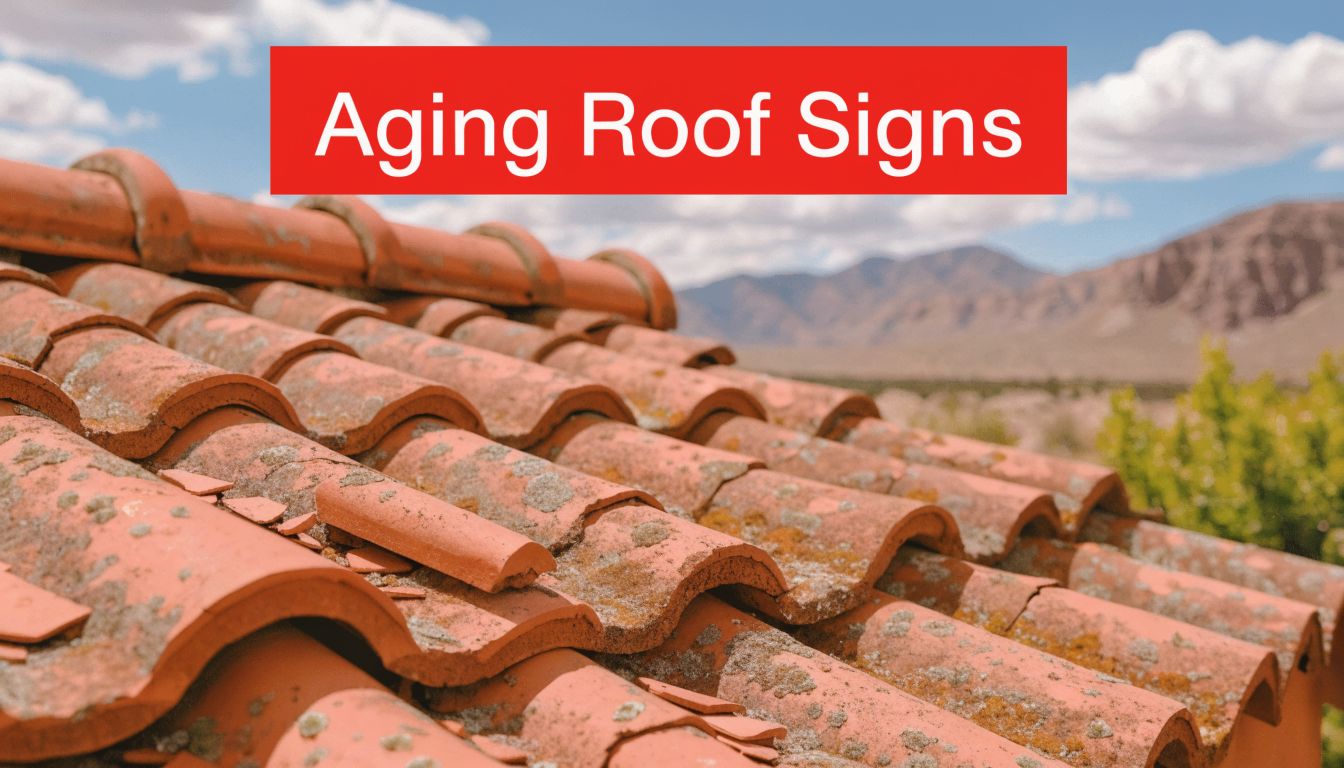
In Phoenix and Tucson, the roof takes repeated punishment from UV exposure, long stretches of heat, dust, and sudden storm events. A tile can break, but the bigger issue is often what happened underneath it. Once the water barrier begins to fail, small symptoms turn into deck damage, interior leaks, and more expensive scope later.
Signs the roof may be past repair
Some roofs still qualify for targeted repairs. Others are already at the point where patchwork spending just delays a larger bill.
- Repeated broken tiles: If the same roof area keeps failing, the issue may be more than isolated impact damage.
- Leaks after storms: Water showing up around valleys, penetrations, or ridge areas often points to underlayment or flashing problems.
- Cooling costs that don’t make sense: When the roofing system no longer performs well in Arizona heat, the home can feel it before the ceiling stains appear.
- Difficult tile matching: Older profiles can be hard to match cleanly, which makes repairs less practical and more visible.
A tile roof can look acceptable from the ground and still be overdue for replacement once the protective layers below the tile have aged out.
Why Arizona homeowners need a clearer cost picture
Tile roofing is one of the right materials for desert climates, but it’s not cheap to replace correctly. The price depends on more than the tile itself. Access, removal, roof shape, underlayment condition, permit requirements, and storm-related documentation all affect the final number.
That’s why the cost to replace roof tiles should never be judged by a single number on a search result. Homeowners need to know what they’re paying for, what’s optional, and what absolutely isn’t.
Average Cost to Replace Roof Tiles A Full Breakdown
A Phoenix homeowner gets a quote for a tile roof replacement at one price, then the second quote comes in much higher. In Arizona, that gap usually comes from scope, not guesswork. One contractor may be pricing tile and basic labor. Another may be including tear-off, disposal, new underlayment, flashing replacement, permit costs, and the repairs that show up once the old roof is off.
For most Arizona homes, a full tile roof replacement is usually a five-figure project. The final number depends on roof size, tile type, access, and how much work sits below the tile. On older homes, the biggest cost driver is often not the tile at all. It is the waterproofing system underneath, especially after years of extreme heat cycling.
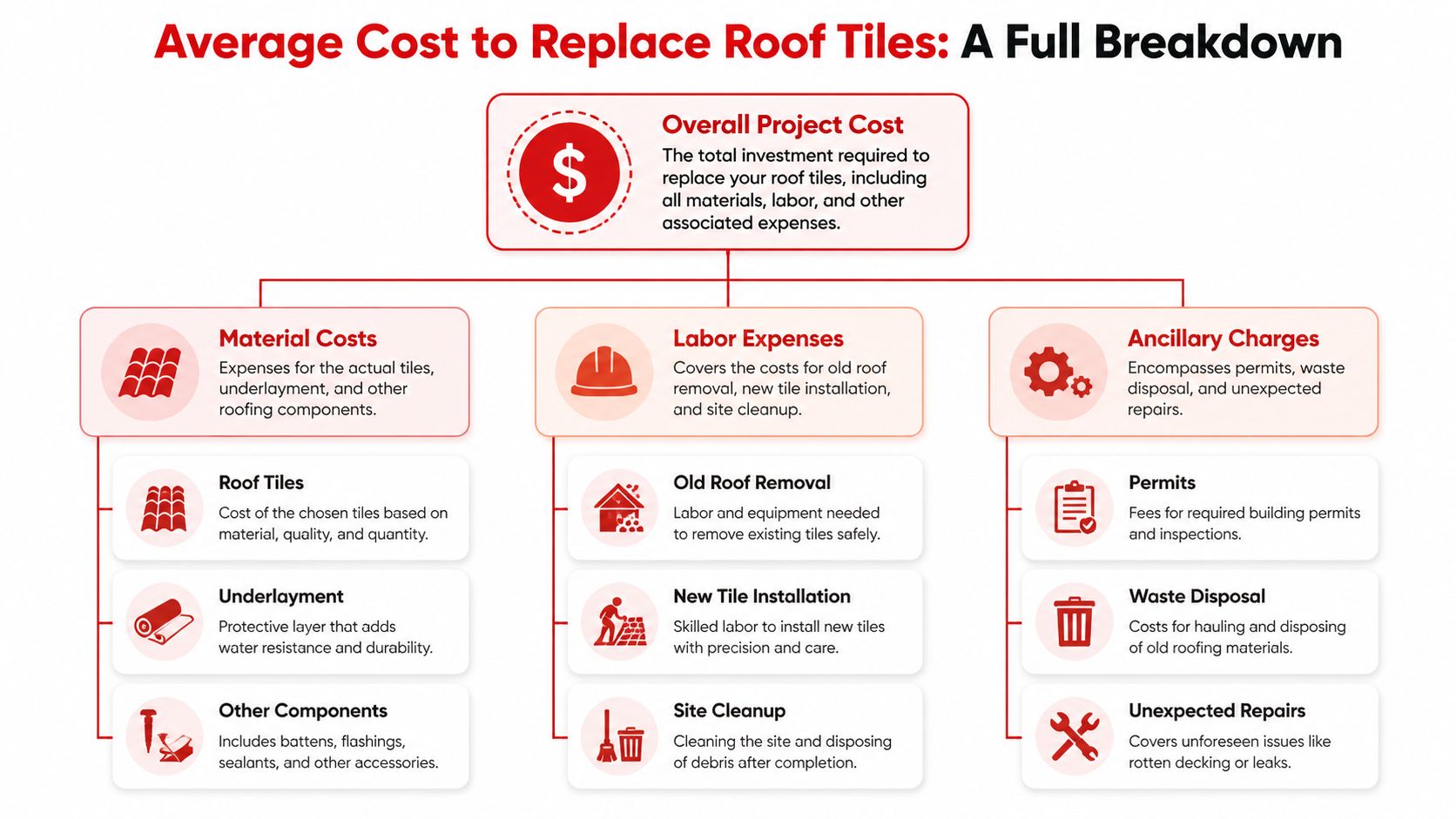
What the total usually includes
A proper replacement quote should spell out the full scope. That means more than new tile delivered to the property.
Most full projects include:
| Cost Category | What it covers | Why it matters |
|---|---|---|
| Materials | Tile, underlayment, flashing, battens or accessories, sealants | The tile sheds most of the water, but the layers below it protect the home when wind-driven rain gets under the field tiles |
| Labor | Tear-off, haul-away, deck inspection, prep, installation, detail work, cleanup | Tile roofing is slower and more technical than shingle work, especially on cut-up roofs |
| Ancillary charges | Permits, dump fees, equipment, staging, deck repairs, fascia or flashing corrections | These are often the costs that get left out of thin estimates |
In Arizona, underlayment replacement is rarely a minor line item. A tile roof can still look decent from the street while the felt or synthetic layer below it has dried out from years of heat. Once monsoon rain gets pushed uphill by wind, that hidden wear becomes expensive fast.
Cost by square foot and roof size
Roofers still price many tile jobs by square foot, and by the trade unit called a square, which equals 100 square feet. What matters in the field is actual roof area, not just the home's interior size. A 2,000 square foot house with hips, valleys, dormers, and elevation changes can have far more roofing surface than a simple single-level rectangle.
Material choice changes the budget, but roof design often changes the labor more. Homeowners comparing clay vs concrete roof tiles should look past the tile price alone and ask how the system will be installed, flashed, and maintained on their specific roof.
Here is the practical reality.
A straightforward single-story concrete tile replacement usually lands lower than a steep two-story clay tile roof with difficult access and a lot of detail cuts. If the crew has to reset solar, replace deteriorated plywood, upgrade flashing at penetrations, or work around brittle existing tile during staged repairs, the cost climbs quickly. Those are normal jobsite conditions in Arizona, not unusual extras.
Why two similar homes can get very different quotes
Two houses in the same neighborhood can price very differently for reasons a homeowner cannot see from the driveway.
- Roof geometry: Valleys, hips, ridges, and short sections create more cuts and slower installation.
- Height and access: Two-story homes need more setup, more safety equipment, and more time moving materials.
- Underlayment condition: Arizona sun shortens the life of the waterproof layer under the tile, even when the tile itself is still reusable.
- Storm damage documentation: If the project involves an insurance claim, photo documentation, test squares, and adjuster meetings add time to the process.
- Tile matching or reuse: Older profiles can require salvage, sorting, and careful reset work instead of a clean material swap.
I tell homeowners to read the exclusions section as closely as the price. A low quote can become the highest quote on the job if it leaves out disposal, permits, flashing replacement, or deck repairs discovered during tear-off.
The total cost makes more sense once you break the job into system components. Tile is the visible finish. In Arizona, the hidden costs usually sit underneath it.
Material Costs Clay vs Concrete vs Composite Tiles
Material choice changes more than the look of the roof. In Arizona, it affects how the system handles extreme heat, how often tiles crack during service work, how easy it is to match future repairs, and whether the existing structure can carry the load without added work. National price guides usually flatten those differences. On real Arizona projects, they matter.
A homeowner usually ends up choosing between clay, concrete, and composite tile because each one solves a different problem.
Side-by-side comparison
| Material Type | Avg. Installed Cost / Sq. Ft. | Expected Lifespan | Pros | Cons |
|---|---|---|---|---|
| Clay | $11 to $22 | Long service life with proper installation and maintenance | Distinct Southwest appearance, strong resale appeal, handles heat well | Higher upfront cost, more brittle under foot traffic and impact, matching older profiles can be difficult |
| Concrete | Varies by profile, weight, and manufacturer | Long service life on properly built homes | Widely used in Arizona, lower material cost than many clay options, broad style availability | Heavy, color fading can make spot repairs stand out, not every home is framed for a heavier system |
| Composite | Usually positioned between budget and premium tile options depending on brand and profile | Warranty-backed category with product-specific performance | Lighter weight, less brittle than traditional tile, useful where impact resistance matters | Product quality varies, appearance can look less natural up close, long-term Arizona heat performance depends on the product line |
Clay tile
Clay is the traditional choice on many higher-end Arizona homes, especially where the owner wants a true barrel or Mission profile and cares about architectural authenticity. It looks right on desert-style homes, and it holds that look for a long time.
The trade-off is straightforward. Clay costs more, breaks more easily during foot traffic or storm impact, and can create expensive matching problems later if the profile is discontinued. On older homes, that matching issue can matter almost as much as the initial price.
Clay makes the most sense when appearance is a priority and the homeowner accepts a higher material budget for it.
Concrete tile
Concrete is the standard on a large share of Arizona replacement jobs because it usually gives the best balance of cost, availability, and durability. It is easier to source than many clay profiles, and it fits the look of many neighborhoods without pushing the project into premium pricing.
Weight still needs attention. A heavier tile roof can trigger added review if the home was not originally designed for that load, and that is one of the hidden costs national guides often miss. Homeowners comparing appearance, weight, and maintenance can review clay vs concrete roof tiles before deciding.
In practice, concrete often fits homeowners who want a true tile roof and need to keep the full replacement cost under control.
Composite tile
Composite enters the conversation for two main reasons. Weight and breakage.
On some Arizona homes, composite is useful because it gives a tile-style appearance without putting the same load on the structure. It can also reduce the routine breakage that happens when other trades, inspectors, or service crews walk the roof. That matters more than homeowners expect, especially after monsoon season when roofs often need inspection, satellite work, or HVAC access.
Composite is not a default upgrade. Some products look convincing from the street but less convincing up close, and performance depends heavily on the specific manufacturer, rating, and installation details. I tell homeowners to ask the same material question I ask on bid reviews: what problem is this tile solving on this house?
What Arizona homeowners should weigh before choosing
Material cost is only part of the decision. The smarter comparison looks at the full life of the roof.
What usually pencils out well:
- Concrete for homeowners who want the traditional tile look at a more controlled price point
- Clay for homes where appearance and neighborhood fit justify the extra spend
- Composite for homes with weight limits, recurring breakage, or owners who want a lighter system
What causes problems later:
- Choosing by sample board alone, without asking how the product handles Arizona heat and monsoon exposure
- Replacing tile without confirming underlayment strategy, especially on older roofs where the visible tile outlasted the waterproof layer below
- Assuming future repairs will be simple, even when the profile or color may be hard to match a few years from now
A good contractor should explain those trade-offs in plain language, not just hand over a material upgrade list. Homeowners who want a useful screening checklist can review these questions to ask before hiring a contractor before signing a tile replacement proposal.
Labor and Hidden Costs What Your Quote Should Include
A tile roof quote can look reasonable at first glance, then get expensive fast once the old roof comes off. In Arizona, that usually happens because the visible tile is only part of the system. Much of the cost often sits underneath it, in the waterproofing, flashing, deck condition, and labor required to rebuild the roof correctly after years of heat and monsoon exposure.
A clear proposal should show exactly what is being removed, what is being replaced, and which items could change once the roof is opened. If the scope is vague, the price usually is too.
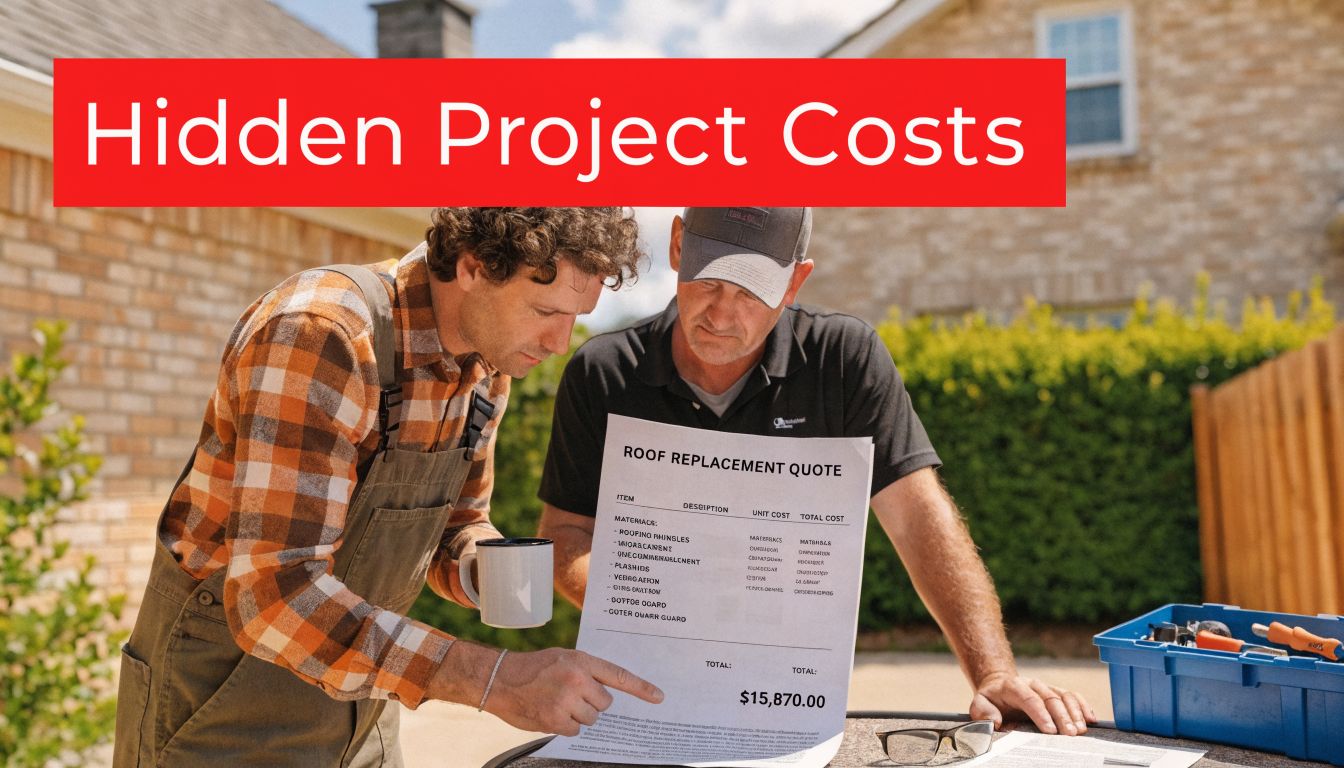
Underlayment is usually the real job
On an Arizona tile roof, the underlayment is the main water barrier. Tile sheds a lot of water, but it is not the layer that keeps wind-driven rain out during a monsoon. Once the underlayment has dried out, cracked, or pulled back from the heat, leaks can show up around valleys, penetrations, and transitions even if many of the tiles still look serviceable from the ground.
For a typical 2,000 square foot Arizona tile roof, replacing the synthetic underlayment costs an average of $3,600 in 2026, and the source notes that the original underlayment lasts only about 10 years in extreme heat. It also explains that skipping this step can lead to wood rot and void warranties, according to Arizona tile roof underlayment cost guidance.
That is one of the biggest hidden costs in the cost to replace roof tiles. It is also one of the most critical.
What a serious quote should spell out
A real tile roof proposal should break out the labor and support items, not bury them inside one lump sum.
- Tear-off and disposal: Removal of old tile, battens if present, underlayment, and jobsite haul-away
- Tile handling: Whether salvageable existing tile will be reset, how breakage is accounted for, and whether extra matching tile is included
- New flashing work: Valleys, pipe penetrations, chimneys, skylights, wall transitions, and other leak-prone areas
- Deck inspection and repair allowance: A defined process for replacing damaged sheathing or fascia if hidden deterioration shows up
- Permit costs: Local permit fees and who is responsible for inspections
- Dry-in protection: What happens if a monsoon storm hits while the roof is in progress
- Cleanup: Daily magnetic sweep, debris pickup, and final disposal of heavy tile waste
Those items matter because they are where change orders usually start.
Why labor costs climb on tile roofs
Tile replacement is slower and harder on the crew than a basic shingle tear-off. Materials are heavier. Staging takes longer. Layout has to stay straight across wide roof planes. Hips, ridges, valleys, and cut areas all demand more hands-on work, especially on custom Arizona homes where rooflines are rarely simple.
Pitch adds cost too. Steeper roofs require more safety setup, slower movement, and more time handling each tile. Industry cost guides commonly note higher labor charges on steep-slope tile roofs, and that lines up with what I see on Arizona jobs. If access is tight, the home is multiple stories, or the crew has to protect landscaping, pools, patios, or delicate foam trim, labor goes up again.
The homeowner is paying for more than hours on the roof. They are paying for correct dry-in, clean flashing details, safe material handling, and a finished tile layout that does not need to be reopened later.
Questions worth asking before signing
Before signing, ask the contractor what is included on day one and what could become an added charge after tear-off. Ask who replaces broken salvage tile, who handles permit coordination, and how the crew protects the home if weather interrupts the schedule. Those answers tell you a lot about whether the quote is complete or just competitive on paper.
A practical checklist like these questions to ask before hiring a contractor helps homeowners catch missing scope before it turns into a dispute.
It also helps to review the step by step roof replacement process so you know when tear-off starts, when the underlayment is exposed, and when final inspection should happen.
The strongest quotes are not the shortest. They are the ones that show the full job.
Arizona-Specific Factors That Impact Your Final Price
A tile roof replacement in Arizona can look straightforward from the street. Then tear-off starts, the underlayment is brittle from years of heat, flashings show movement around penetrations, and the actual price becomes clear.
That is why national averages only get you so far. In Arizona, the tile itself is often not the main problem. The bigger cost driver is what the desert climate does to the waterproofing layers underneath it.

Heat changes what actually needs replacement
In Arizona, extreme UV exposure and long summers age underlayment faster than many homeowners expect. I see roofs where the concrete or clay tile still has years of life left, but the felt or synthetic layer below it has dried out, slipped, or cracked. At that point, the job is no longer a simple tile repair conversation.
That changes the final price in a few ways. Crews may need to remove and reset salvageable tile, replace more rotten battens than expected, and install upgraded underlayment better suited to sustained heat. If the roof has older mortar-set details, those areas often need extra work because heat and movement break them down over time.
Monsoon damage affects scope and insurance timing
Arizona monsoons add another cost variable. Wind-driven rain can get past displaced tile fast, especially on older roofs where the underlayment is already near the end of its service life. Hail can crack tile, but the bigger issue is often hidden damage around valleys, ridges, and flashings.
Insurance may cover part of the loss when wind or hail was a factor, but claim success usually depends on documentation. Photos, test squares, brittle underlayment findings, and a clear storm timeline can change whether the carrier sees isolated tile damage or a broader system failure. Homeowners who need help budgeting the out-of-pocket portion should review roof replacement financing options in Arizona before the project starts.
Local conditions that affect the quote
Some factors show up on every roof. Others are much more common in Arizona.
| Arizona factor | Why it affects price |
|---|---|
| High UV exposure | Shortens the life of underlayment and increases the need for heat-tolerant materials |
| Monsoon wind and hail | Raises the chance of tile displacement, flashing damage, and insurance-related scope changes |
| Dust and debris buildup | Speeds wear in valleys and drainage paths, which can expose hidden repairs during tear-off |
| Steep desert-style roof lines | Increases labor time for safe access, tile handling, and reset work |
| Permit and city requirements | Adds inspection steps, scheduling time, and municipality-specific paperwork |
A low quote often misses one of those items.
Why local experience matters on tile roofs
A contractor can know roofing and still underbid an Arizona tile project by missing how heat, storm exposure, and code requirements affect the full scope. On these roofs, accurate pricing depends on reading the condition of the underlayment, recognizing monsoon-related damage patterns, and knowing when a repair has crossed into replacement territory.
That is where local process matters. Arizona Roofers handles inspections, claims support, and replacement work across major Arizona cities. For homeowners, that usually means fewer surprises between the first quote and the final invoice.
Smart Financial Planning for Your New Tile Roof
A roof replacement gets easier to manage when the homeowner stops looking at it as one giant number and starts breaking it into decisions. The cost to replace roof tiles depends on whether the roof needs a full replacement now, whether a repair can buy time, and whether insurance should be part of the plan after a storm.
For many Arizona homes, the smartest move is not the cheapest bid. It’s the option that prevents a second round of spending on missed damage, poor scope, or a repair that should never have been sold as a long-term fix.
Start with the repair versus replacement decision
Not every damaged tile roof needs a full tear-off. In Arizona, common tile roof repairs often average $900 to $2,500, according to Arizona tile repair cost guidance. The same source notes that 80% of Arizona insurance policies cover wind-driven tile displacement, and that handling a few broken tiles early can help prevent a full replacement.
That makes the first financial question straightforward. Is the roof still a repair roof, or has it become a replacement roof?
A roof is often still repairable when the damage is isolated, the tile profile can still be matched, and the underlying system is in serviceable condition. Replacement becomes the better financial move when repairs keep recurring, the underlayment has reached the end of its useful life, or multiple problem areas suggest broad system failure rather than one storm hit.
Budget using ranges, not wishful thinking
Homeowners usually run into trouble when they budget from the lowest advertised number they can find. Tile roofing doesn’t behave that way. A modest concrete replacement on a simpler home won’t price like a custom clay installation on a steep two-story house.
A more practical budgeting approach looks like this:
- Base replacement range: Use the broad market range for full tile replacements as the starting frame, not the promised final number.
- Material choice adjustment: Concrete, clay, and composite do not land in the same cost bracket.
- Underlayment allowance: If it isn’t explicitly listed, the budget probably isn’t real.
- Storm contingency: If the roof has recent monsoon or hail exposure, reserve room for claim documentation and hidden damage.
Sample planning scenarios
Because roof designs vary so much, exact pricing should come from an inspection and measured quote. Still, homeowners can use the verified cost ranges to understand how project type affects likely spend.
| Home scenario | Planning lens |
|---|---|
| Single-story home with straightforward concrete tile | Often the most budget-friendly type of tile replacement because access and layout are simpler |
| Larger clay tile home with more cuts and detail work | Usually lands well above baseline averages because clay costs more and labor rises with complexity |
| Storm-damaged roof with limited breakage | May justify repair first, especially if claim support applies |
| Aging roof with brittle tiles and failing waterproofing below | Usually points toward replacement, even if surface damage looks limited |
A homeowner doesn’t need a perfect estimate on day one. The goal is to know which bucket the house likely belongs in before comparing bids.
Spend time on scope before spending money on signatures. Most roofing cost surprises are scope surprises.
Use insurance correctly after storms
Insurance can be a major part of the financial plan when wind or hail played a role. Homeowners often make one of two mistakes. They either assume insurance won’t help, or they assume every roof issue belongs in a claim.
The cleaner approach is documentation first. After a monsoon event, the homeowner should gather photos, note interior symptoms, and get a roof inspection that identifies whether the issue is wear, storm damage, or both. If wind-driven tile displacement is involved, policy coverage may help with repair costs, and claims support can make the process less chaotic.
What tends to help:
- Detailed photos of cracked or displaced tile
- Inspection notes tied to recent weather events
- Clear differentiation between old wear and new storm damage
- A written scope that matches what the adjuster can verify
What usually slows a claim down:
- Waiting too long to document damage
- Mixing routine aging with storm-related issues without clear records
- Submitting vague contractor language instead of itemized work
Financing can preserve better decisions
Many homeowners know the roof needs work but hesitate because the timing is bad. That often leads to one more patch, one more season, and a larger final bill. Financing changes that decision if it allows the homeowner to replace the system correctly instead of funding repeated temporary fixes.
A homeowner comparing payment options can review roof replacement financing options to understand how monthly planning fits into a larger project budget. The main point is simple. Good financing can support a better roofing decision. It shouldn’t be used to justify a bad one.
A quote checklist that protects the homeowner
When reviewing estimates, homeowners should compare more than total price. The lowest total may come from the thinnest scope.
Use this checklist when comparing proposals:
Scope of tear-off
Does the quote clearly state what gets removed, including old underlayment and failed accessories?Underlayment specification
Is the waterproofing layer listed clearly, or is it implied and easy to downgrade later?Flashing and penetration details
Are vents, walls, chimneys, and transitions addressed in writing?Tile type and profile
Does the contract name the selected material and how matching will be handled?Permit and disposal
Are those charges included up front?Deck repairs or unforeseen conditions
Is there a process for documenting added work if hidden damage appears?Cleanup and final walkthrough
Does the homeowner know what “finished” means before work starts?
What saves money and what backfires
Some savings are real. Some cost more later.
Good ways to control cost:
- Repair isolated damage early when the roof still qualifies
- Choose a material that matches the home and budget instead of overbuying for appearance alone
- Get a detailed quote that limits change orders
- Use storm documentation promptly when recent weather caused the damage
Moves that often backfire:
- Skipping underlayment replacement
- Choosing a bid that doesn’t itemize scope
- Trying to patch a roof that has aged beyond repair
- Delaying work after visible monsoon damage
A financially sound roof project comes from clarity. The homeowner should know whether the roof is repairable, what the full replacement includes, how insurance might apply, and how to pay for the right scope without gutting the rest of the household budget.
If a tile roof in Phoenix, Scottsdale, Mesa, Chandler, Tucson, or another Arizona city is showing storm damage, aging underlayment, or rising repair costs, Arizona Roofers can provide a clear inspection, a detailed replacement scope, and help with financing or insurance documentation. For a no-obligation quote, call (480) 531-6383.