
Planning a home project in Phoenix, from a new roof to a backyard ramada, brings up a critical question: "Do I need a building permit?" The answer is almost always yes. Securing the correct building permits in Phoenix, Arizona, is a foundational step that ensures your project is safe, compliant with local codes, and legally sound. This guide will demystify the process, offering a clear, practical roadmap to navigate the Phoenix Development Services department without the usual headaches.
Key Takeaways
- When You Need a Permit: Major projects like full roof replacements, any structural changes, new room additions, or significant plumbing and electrical work always require a permit. Minor cosmetic fixes like painting or new flooring are typically exempt.
- The Contractor's Role: A licensed contractor is your greatest asset. They manage the entire permit process, from submitting detailed plans to scheduling inspections, ensuring compliance and saving you from bureaucratic hurdles.
- The Cost of Skipping a Permit: Working without a permit can lead to stop-work orders, fines that often double the original permit fee, and the potential need to tear out completed work for inspection. It can also create major issues when selling your home.
- Preparation is Crucial: A complete and accurate application is the key to a smooth process. This includes detailed site plans, professional drawings, and all necessary contractor information. Incomplete applications are the number one cause of delays.
Your Guide to Phoenix Building Permits
Let's be honest, permits can feel like nothing but bureaucratic red tape. But they're actually there for a very good reason: to protect you, your family, and your biggest investment—your home. Still, trying to figure out the rules set by the Phoenix Development Services department can feel like a full-time job, whether you're a DIY homeowner or a contractor who does this every day. My goal here is to break it all down into simple, manageable steps.
What You'll Learn in This Guide
Here’s a quick look at the most important things we'll cover to get you through the Phoenix permit process without the headaches.
- When You Need a Permit (and When You Don't): We'll clarify which jobs, like a full re-roof or any structural change, absolutely require a permit versus minor repairs you can do on a weekend.
- The Application Process, Simplified: I’ll walk you through the actual steps, whether you’re tackling it online with the city’s ProjectDox portal or heading downtown to submit paperwork in person.
- Passing Your Inspections: You'll learn exactly how to prep for a city inspection and what the inspectors look for, so you can aim to pass on the first try.
- Why a Good Contractor is Key: We'll explore why a licensed pro is your best bet for handling the permit process and steering clear of the common mistakes that can sink a project.
Why You Can’t Just Skip the Permit
Thinking about just doing the work and hoping no one notices? It's a bad idea, and here's why. The city can slap a "stop work" order on your project, hit you with fines that often double the original permit fee, and even force you to tear out completed work so it can be inspected properly. That's a costly and frustrating setback.
Even worse, unpermitted work becomes a massive headache when you try to sell your home. You have to disclose it, which can scare off buyers and tank your property's value. To get a better sense of the local administrative landscape, it's always good to be familiar with resources from the City of Phoenix, Arizona.
Permits aren't just about checking a box. They are your official verification that the work—from the wiring to the shingles—meets proven safety standards, ensuring your home is structurally sound for the long haul.
Your Contractor's Role in All This
For the average homeowner, the idea of drawing up technical plans and dealing with city paperwork is just too much. This is exactly where a professional, licensed contractor earns their keep. A roofer or builder with experience in Phoenix knows the local codes inside and out.
They take charge of the whole process—filling out the application, handling feedback from city plan reviewers, and scheduling all the required inspections. It lets you focus on the exciting parts of your project, not the paperwork. If you need help choosing the right person for the job, our guide on how to find a good roofer is a great place to start.
When Do You Actually Need a Building Permit in Phoenix?
Figuring out if your home improvement project needs a permit is the first hurdle, and honestly, it’s the most important one. The City of Phoenix has a pretty clear line in the sand: cosmetic touch-ups are one thing, but anything that messes with your home's structure, safety, or major systems is going to need an official green light.
You can go ahead and paint your living room or swap out a leaky faucet without giving the city a call. But for the big stuff, skipping the permit process is a recipe for disaster. Think stop-work orders, steep fines, and a massive headache when it comes time to sell your house.
Projects That Are a Guaranteed "Yes" for a Permit
Let's get right to it. If any of these common residential projects are on your radar, you'll be making a trip (virtual or otherwise) to the Phoenix Development Services department.
-
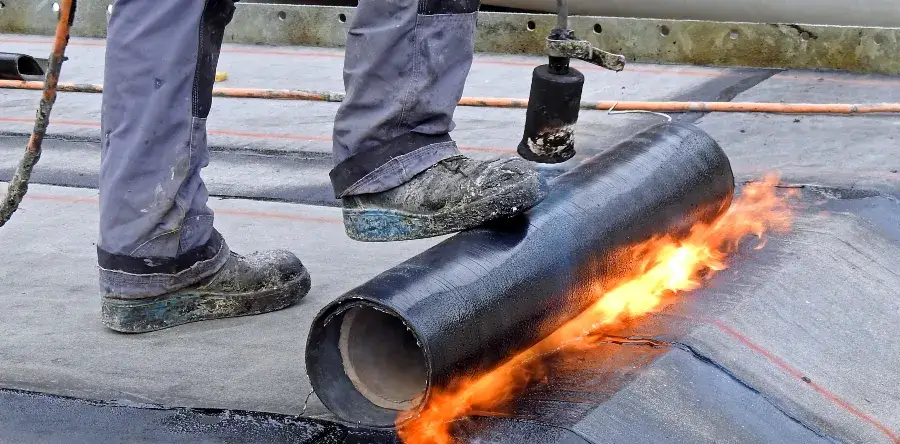
Roofing Work: This is a big one. A full roof replacement—where you're tearing off the old stuff and putting on new—absolutely requires a permit. It's especially critical if you're switching to a heavier material, like going from shingles to tile. The city needs to know your roof structure can handle the new load and that it’s up to code for our brutal Arizona sun and monsoon season. A small repair, like replacing a handful of shingles? You're usually good to go without one.
-
Structural Changes: Thinking about knocking down that wall for an open-concept kitchen? Maybe adding a new window or exterior door? Any work that touches your home's structural frame is non-negotiable. It needs a permit to ensure you aren’t compromising the building's integrity.
-
Additions and Major Exterior Structures: Building a new room, enclosing your patio, or putting up a detached garage or workshop over 200 square feet will all require permits. The same goes for building a new patio cover, ramada, or even a fence that’s over three feet high.
-
System Installations and Upgrades: Any new installation or major change to your home's guts—plumbing, electrical, or mechanical (HVAC)—needs city approval. This means installing a brand-new AC unit, running new circuits for an office, or rerouting pipes for a bathroom remodel.
A lot of people assume that if a project is outside, it doesn't need a permit. That's a myth. In Phoenix, major landscaping features, retaining walls, and of course, swimming pools all require a formal review to make sure they meet safety standards and won't cause drainage issues for your neighbors.
Phoenix Permit Requirements A Quick Reference
To make things a bit clearer, here’s a quick-glance table for some common projects homeowners and contractors tackle.
| Project Type | Permit Typically Required? | Key Considerations |
|---|---|---|
| Full Roof Replacement | Yes | Required for tear-offs and re-roofs, especially with material changes. |
| Minor Roof Repair | No | Typically exempt for replacing a few shingles or patching a small leak. |
| Kitchen/Bath Remodel | It Depends | No, if just replacing cabinets/fixtures. Yes, if moving walls, plumbing, or electrical. |
| New Window/Door | Yes | Required if you're creating a new opening or enlarging an existing one. |
| Interior Painting | No | Considered a cosmetic finish and does not require a permit. |
| New Flooring | No | Installing carpet, tile, or wood is exempt. |
| Water Heater Replacement | Yes | Involves plumbing and potentially gas lines, so a permit is necessary. |
| Detached Shed/Garage | Yes, if >200 sq ft | Small, pre-fabricated sheds often don't, but larger structures do. |
| Fence Installation | Yes, if >3 ft | Fences over three feet in height require a permit and zoning review. |
This isn't an exhaustive list, but it covers the most frequent questions we get. When in doubt, a quick call to the city can save you a world of trouble later on.
What About Minor Repairs and Cosmetic Fixes?
The good news is that not every weekend warrior project demands a trip through the permitting office. The City of Phoenix exempts a good amount of work that’s considered basic maintenance or purely cosmetic.
You generally do not need a permit for these jobs:
- Painting the inside or outside of your house.
- Laying down new carpet, tile, or hardwood flooring.
- Replacing kitchen or bathroom cabinets in the same layout.
- Swapping out plumbing fixtures like faucets or showerheads, as long as you aren't moving the supply lines.
The real difference-maker is whether you're touching the structure or the major systems. If you're just swapping like-for-like and not moving walls, pipes, or wires, you're probably in the clear. Still, before you start demolition, it’s crucial to get a handle on the local rules. A big piece of that puzzle is understanding architectural zoning, because those regulations determine what you can build and where, which has a direct impact on your permit needs.
Why Does the City Even Care About Your Project?
At the end of the day, the permit process is all about safety and code compliance. The building codes in Phoenix are there to protect you, your family, and any future owner of your home. A permit for an electrical upgrade, for example, makes sure a licensed pro does the work to code, dramatically reducing the risk of a fire.
Likewise, that roofing permit ensures your new roof can stand up to our intense monsoon winds and scorching sun. Getting the proper building permits Phoenix Arizona requires isn't just about following rules—it's about making sure your investment is built right, built to last, and adds real, safe value to your property.
Navigating the Phoenix Permit Application Process
So, you've confirmed you need a permit. Now comes the part that often feels like the biggest hurdle: the application itself. The key to getting through this without pulling your hair out is preparation. Knowing exactly what the City of Phoenix expects and having it all ready to go is half the battle.
Think of it this way: the application isn't just a form to fill out. It's your project's resume. You need to present a clear, complete, and convincing case for why your project should be approved. Rushing at this stage is the number one cause of frustrating delays.
Assembling Your Permit Application Package
Before you even think about heading downtown or logging into the city's portal, you need to get your paperwork in order. An incomplete application is a guaranteed rejection, and that means you're back to square one.
For a typical residential job, like a full roof replacement or a new patio cover, you'll generally need the following:
- A Detailed Site Plan: This is basically a map of your property from a bird's-eye view. It needs to show precisely where the work will happen in relation to your property lines, your house, and any other structures.
- Professional Drawings: If you’re doing any kind of structural work, you need blueprints. These aren’t rough sketches; they must be detailed enough for a plan reviewer to understand exactly what you’re building and how.
- Engineering Reports: Sometimes, drawings aren't enough. If your project involves a major structural change—say, you're switching from lightweight shingles to heavy Spanish tile and need to alter roof trusses—you'll likely need a report from a structural engineer to prove the design is safe.
- Contractor Information: The city needs to know who is doing the work. Have your contractor’s license number and contact information handy. If you haven't picked one yet, our guide on how to choose a roofing contractor is a great place to start.
This flowchart breaks down the initial thinking process into three simple, crucial steps.
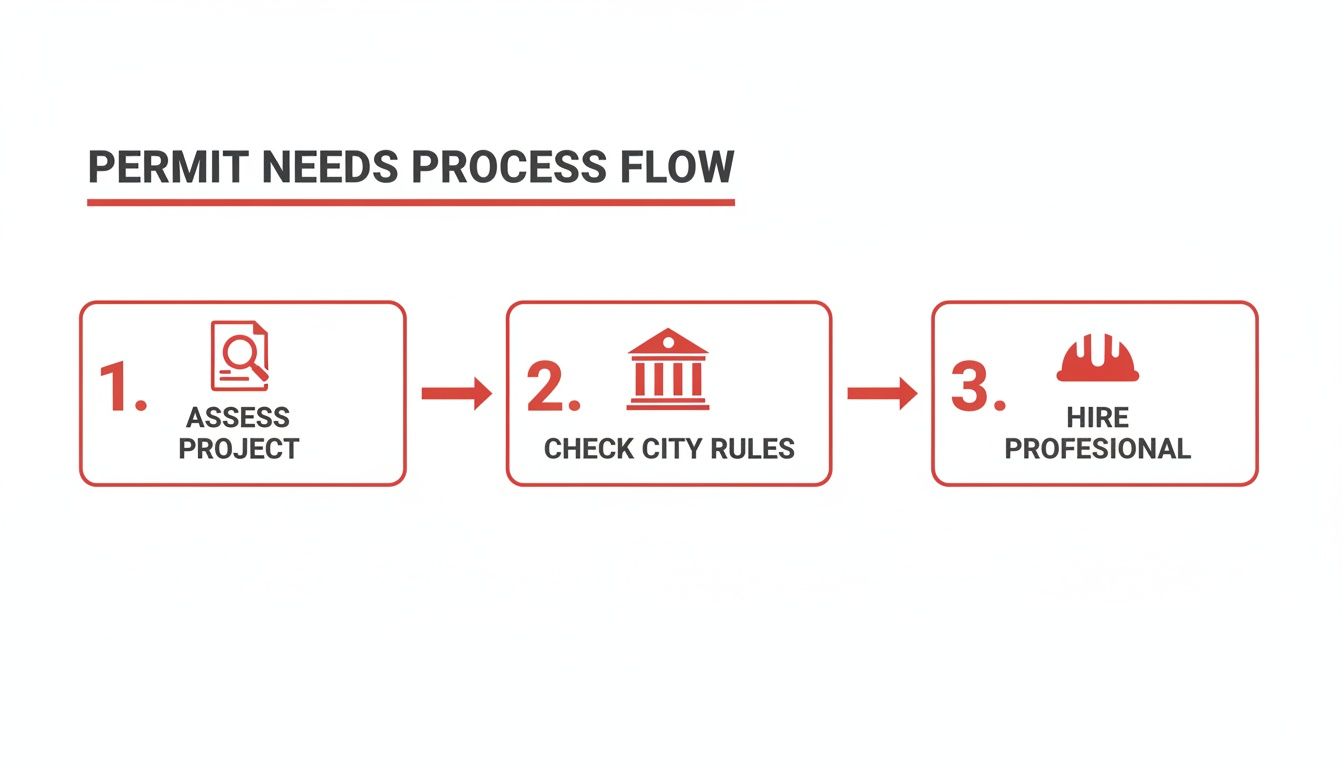
As you can see, figuring out your project's scope and getting familiar with city rules are the foundation. You have to do that homework before you hire someone and dive into the application.
Choosing Your Submission Method: Online vs. In-Person
Phoenix gives you two main options for turning in your application: you can go digital with their online portal or take the old-school route and visit them in person. The right choice really depends on your project's complexity and how comfortable you are navigating online systems.
The Online Portal: ProjectDox
For most standard home projects, the city’s online portal, ProjectDox, is the fastest and most convenient path. It lets you upload all your documents, pay your fees, and track your application's status from your kitchen table.
Expert Tip: When you're using ProjectDox, the devil is in the details. Pay very close attention to their specific file naming rules and formatting requirements. A simple mistake, like naming a PDF file incorrectly, can get your entire application kicked back. It's a small error that can cause a big delay.
The system is pretty user-friendly, but it demands precision. Make sure every digital file you upload is crystal clear, legible, and labeled exactly as the city's guidelines instruct.
In-Person Submission
If you're tackling a really unique or complicated project, or if you simply prefer talking to a human being, you can submit everything in person. Head down to the Phoenix Development Services Center on Washington Street. This is a great option if you have questions and want to get answers on the spot from a city staff member.
Just be sure to bring multiple copies of all your plans and documents with you. You'll also need a way to pay the initial fees. It’s always a good idea to check if you can make an appointment first to avoid a long wait.
Surviving the Plan Review Stage
Once your application is in, it goes into "plan review." This is where city experts—engineers, planners, and building inspectors—go over your submission with a fine-tooth comb. They're checking your work against all the local building codes, zoning ordinances, and safety standards.
And they are busy. Phoenix is a hotbed of construction activity. In a recent year, the city issued a staggering 7,262 building permits. For a city of 1,626,078 people, that works out to 44.7 permits for every 1,000 residents, putting Phoenix near the top nationally for construction volume.
It is completely normal for a reviewer to send your plans back with comments or a list of required corrections. Don't get discouraged! This is part of the process. The trick is to respond quickly and address every single point they raise. This is where having a good, experienced contractor really pays off—they know how to interpret the city’s feedback and make the right fixes to get your permit approved.
Understanding Permit Fees and the Inspection Process
Alright, you've submitted your application. Now comes the part where the paperwork meets the real world: paying the fees and passing inspections. This is where your project gets the official green light to move forward, and knowing what to expect is crucial for keeping things on schedule and within budget.
Navigating the costs and the on-site checks for building permits in Phoenix, Arizona, can seem like a lot, but it's a logical process designed to make sure every project is built safely and to a high standard.

Breaking Down the Permit Fees
First things first: there's no flat fee for a building permit in Phoenix. The cost is calculated based on the total valuation of your project—a figure that includes all labor, materials, overhead, and even profit. The bigger the job, the higher the permit fee. It’s that simple.
A straightforward water heater replacement permit, for instance, will cost far less than one for a new room addition. For a typical roof replacement valued around $15,000, you should probably budget a few hundred dollars for the initial permit fee.
Keep in mind, the permit fee itself is just one piece of the puzzle. You'll also have a plan review fee, usually a percentage of the main permit fee, and sometimes other costs like development impact fees for big projects. It's always smart to budget a little extra beyond the base permit cost.
The city does offer detailed fee schedules, but honestly, the calculations can get a little tricky. This is where your licensed contractor's experience is invaluable; they'll be able to give you a much more accurate estimate based on similar projects they've handled.
Why Inspections Are Non-Negotiable
Think of the inspection process as your project's quality control. It's the city's way of sending out an expert to verify that the work meets the strict building codes designed to keep you safe. An inspector is a neutral third party whose only job is to ensure the work is done right.
Trying to skip this step can lead to a world of hurt, from stop-work orders that bring your project to a grinding halt to the nightmare scenario of having to tear out finished work. This is especially true for the big-ticket items like roofing, electrical, and plumbing. The goal is to catch mistakes before they get covered up and become dangerous or incredibly expensive to fix down the road.
With the construction boom in Phoenix, this process is more vital than ever. Data on Phoenix's building permit trends reveals a huge spike in downtown development, with residential permits nearly doubling in 2021—a clear sign of the city's rapid growth and the need for strict oversight.
Scheduling and Preparing for Your Inspections
Inspections aren't just a one-and-done deal at the end. They happen at critical points throughout the construction process. Your contractor is the one responsible for knowing exactly when to call the city and get these appointments on the books.
A typical residential project will have several key inspection points:
- Foundation Inspection: Happens after the trenches are dug and rebar is laid, but before any concrete gets poured.
- Framing Inspection: Occurs once the structure is up, but before the insulation and drywall go on.
- Roofing Inspections: Often involves a "dry-in" inspection to check the underlayment and flashing, followed by a final look once all the shingles or tiles are installed.
- Final Inspection: This is the last step. The inspector gives the whole project a final sign-off, confirming everything is complete and up to code.
Passing on the first try is all about preparation. The job site needs to be clean and accessible, and the approved plans and permit card must be on-site for the inspector. A good contractor will always do their own walkthrough beforehand, double-checking that the work perfectly matches what's on the plans.
What Phoenix Inspectors Look For
City inspectors are paid to be meticulous. They aren’t there to critique your color choices; their sole focus is on enforcing the building code for safety and durability.
During a roofing inspection, here’s a snapshot of what’s on their checklist:
- Correct Materials: Are the materials being installed—from underlayment to flashing—the exact ones specified in the permit?
- Proper Nailing: Is everything fastened according to the manufacturer's specs and local code, especially for our high-wind areas?
- Flashing and Sealing: Is flashing installed correctly around chimneys, vents, and valleys to ensure a watertight seal?
- Ventilation: Is there adequate attic ventilation? This is a huge deal in Arizona for preventing heat buildup and extending the life of your roof.
A seasoned pro can make sure these details are buttoned up long before the inspector arrives. You can learn more about the specifics by reading about our professional roof inspection service. A failed inspection means delays and re-inspection fees, so doing it right the first time saves everyone a lot of headaches.
Navigating the Phoenix permit process can feel like a minefield. Even with the best intentions, it's easy to make a small mistake that ends up costing you big in both time and money. After years of working in this city, we've seen just about every pitfall imaginable, and most of them are surprisingly common. Knowing what to watch out for is half the battle.
One of the most frequent hangups? A simple incomplete application. It sounds minor, but a missing signature, a file uploaded to the ProjectDox portal with the wrong name, or a site plan that’s missing one key measurement can get your entire submission kicked back to the end of the line. This isn't just a small delay; it can easily add weeks to your project timeline.
In a market as busy as Phoenix, that kind of setback has a ripple effect. Arizona's construction scene is always buzzing. For instance, in August 2025, there were 2,523 new private housing units authorized by building permits across the state. While that number ebbs and flows, the city’s plan reviewers are always busy. You can see just how active the market is by checking out Arizona's housing permit trends on the FRED Economic Data site. Your goal is to give them a perfect application they can approve without a second thought.
The Danger of Unlicensed "Contractors"
The single biggest mistake a homeowner can make is hiring someone who isn't licensed. You’ll often hear a tempting offer—a steep discount for cash, with the suggestion that you can "skip the permit." This is a siren song that leads directly to disaster.
An unlicensed operator has no accountability. They don't answer to the Arizona Registrar of Contractors, almost never carry the right insurance, and are often clueless about Phoenix-specific building codes.
If someone offers to do the work without a permit, they aren't saving you money. They are handing you 100% of the legal and financial risk. When something inevitably goes wrong, you're left holding the bag with zero recourse.
Here’s a story we’ve seen play out more than once: a homeowner hires a cheap, unlicensed crew to put up a simple block wall. A neighbor calls the city, an inspector shows up, and the project gets a big red stop-work order. Now the homeowner is on the hook for fines and has to hire a licensed contractor to get a permit after the fact. That often means tearing down part of the wall to prove the foundation was done right. The "deal" they got evaporated, and they ended up paying double.
Bad Timelines and Forgotten Inspections
Another classic blunder is simply not understanding how long the permit process actually takes. It's not an instant approval. While a simple over-the-counter permit can be quick, anything that needs a plan review is going to take several weeks, minimum. You have to bake that waiting period into your project schedule from day one.
Forgetting to schedule inspections is just as bad. Construction moves in stages, and a city inspector has to sign off on each critical phase before you can move on to the next.
Think about a reroofing project. You can't just slap on the new shingles. An inspector must approve the underlayment and flashing first. If your roofer covers that work up before the inspection, you’re in for a world of hurt. You'll fail the final inspection, and the city could even make you tear off the brand-new roof so they can see what's underneath.
To keep your project running smoothly, here are a few pro tips:
- Be Meticulous with Your Application: Before you hit "submit," go through the city's checklist line by line. Then have your contractor do it again. A second set of experienced eyes is invaluable.
- Always Verify the License: It takes 30 seconds. Go to the Arizona Registrar of Contractors website and type in the license number. It’s the single best way to protect yourself from fraud.
- Get Clear on the Inspection Plan: Talk to your contractor about the inspection schedule upfront. Ask them to let you know when they’ve called one in and what the result was. Good communication here is key.
Ultimately, the best way to avoid these headaches is to partner with a licensed, insured professional who knows the local system inside and out. A reputable company like AZ Roof Co. understands that securing the right building permits Phoenix Arizona requires isn't a hassle—it's the only way to build a safe, legal, and high-quality project.
Frequently Asked Questions About Phoenix Building Permits
How long does it take to get a building permit in Phoenix?
The timeline varies significantly based on project complexity. Simple, over-the-counter permits (like for a water heater replacement) can sometimes be issued the same day. However, projects requiring a detailed plan review, such as a new addition or a full re-roof, typically take several weeks to a few months. The fastest way to move through the process is to submit a complete and accurate application from the start.
What happens if I get caught doing work without a permit?
Working without a permit is a serious violation. The city will issue a stop-work order, halting your project immediately. You will face significant fines, often double the original permit fee, and will be required to obtain a permit retroactively. This may involve tearing out completed work (like drywall or roofing) for inspection, leading to major delays and costs.
Can I pull my own permit as a homeowner?
Yes, Phoenix allows homeowners to act as an "owner-builder" and pull permits for their own primary residence. However, by doing so, you assume all legal liability for ensuring the project complies with all building codes and passes all inspections. For complex and critical jobs like roofing, it is highly recommended to have a licensed contractor manage the permit process.
Is HOA approval the same as a city permit?
No, they are two entirely separate approvals. Your Homeowners Association (HOA) is concerned with aesthetic rules and community guidelines, such as paint colors or fence styles. The City of Phoenix is concerned with safety, structural integrity, and building code compliance. You often need to secure approval from both, and getting an okay from one does not grant you permission from the other. It's best to get HOA approval first before applying for a city permit.