
Planning a roof replacement is a major home improvement project, and understanding the potential cost is the first step. While an online roof replacement cost estimator can provide a rough idea, the final price depends on a unique combination of materials, labor, and your home's specific architecture. A professional estimate will likely fall between $8,000 and $18,000, but this range can vary significantly.
This guide is designed to demystify the process, breaking down every factor that influences your total cost. By understanding what goes into a professional estimate, you can budget confidently, ask contractors the right questions, and make an informed decision for your home.
Key Takeaways
- Average Cost Range: Most homeowners in the U.S. spend between $8,000 and $18,000 for a new roof, with a national average of around $11,500. However, costs can range from $6,700 for a small, simple roof to $80,000+ for large homes with premium materials.
- Materials are Key: The type of roofing material you choose (e.g., asphalt shingles, metal, tile) is the single largest factor determining the final cost.
- Labor is a Major Factor: Skilled labor typically accounts for 40% or more of the total project price. This percentage increases for complex or steep roofs that require more time and safety precautions.
- Size & Complexity Matter: A larger, steeper roof with features like chimneys, skylights, and multiple valleys requires more materials and specialized labor, driving up the cost.
- Budget for the Unexpected: Always factor in potential "hidden" costs like building permits, waste disposal fees, and necessary repairs to the underlying roof decking, which can add thousands to the initial estimate.
Your Guide to Roof Replacement Costs
Figuring out the true cost of a new roof is about more than just the price of shingles. It’s a blend of materials, skilled labor, and the unique challenges your home presents. Before we get into the nitty-gritty, let's cover the essential takeaways you need to know.
Key Factors at a Glance
- National Average Cost: Across the United States, the average homeowner spends around $11,500 on a new roof. That said, the full range is enormous—from as low as $6,700 for a simple job to $80,000 or more for high-end materials on a large, complex roof.
- Materials Matter Most: Your choice of roofing material—whether it's budget-friendly asphalt shingles or premium options like metal or tile—is the single biggest driver of your total project cost.
- Labor is a Major Component: Don't underestimate the cost of skilled labor. It typically accounts for 40% or more of the final bill. That percentage climbs for roofs that are steep, high, or have lots of complex angles.
- Size and Pitch Impact Price: It's simple math: a larger, steeper roof requires more materials and more time to install safely, which directly increases the cost. Roofers measure in "squares," where one square equals 100 square feet.
- Don't Forget Hidden Costs: Always budget for the extras. Things like building permits, dumpster fees for disposal, and unexpected repairs to the underlying roof deck can add hundreds or even thousands to your initial estimate.
A common mistake I see homeowners make is fixating only on the per-square-foot material cost. A proper estimate must factor in the old roof tear-off, disposal, new underlayment, flashing, ventilation, and the skilled labor needed for a warrantied installation.
As you plan, it's also smart to think about how you'll handle this significant investment. Looking into financing methods, like exploring cash-out refinance options, can make the project more manageable.
This guide will walk you through each of these variables, giving you the confidence to use any roof replacement cost estimator and build a budget that covers the full scope of the job. Once you understand these core components, you’ll be ready to ask contractors the right questions and get a fair, accurate quote.
What Really Drives Your Roofing Estimate
Every roof tells a different story, and so does its replacement cost. While you can find a dozen online calculators that give you a ballpark figure, a real-world quote has to account for the unique character of your home. The final number a contractor hands you isn't just pulled from thin air; it's a careful breakdown of materials, labor, and the specific challenges your property presents.
This is why your neighbor’s quote might be thousands of dollars different from yours, even if your houses look the same size from the street. Let’s pull back the curtain on the specific variables that will actually shape your final project cost.
The Foundation: Your Roofing Materials
By far, the single biggest factor in any roofing estimate is the material you choose. This decision goes way beyond the upfront cost—it affects your home's curb appeal, how well it's insulated, and what kind of maintenance you'll be dealing with down the road.
Here’s a quick rundown of the most common options:
- Asphalt Shingles: There's a reason these are the most popular choice in America. Modern architectural shingles hit a sweet spot between cost, durability, and looks. They're also relatively straightforward to install, which helps keep labor costs in check, and you can expect them to last a solid 20-30 years.
- Metal Roofing: Once reserved for barns and commercial buildings, metal roofing (like steel or aluminum) has become a top-tier residential choice. Yes, it costs a lot more upfront, but a metal roof can last 50 years or more. It also offers incredible resistance to wind and weather and can even trim your cooling bills—a huge benefit in sunny climates.
- Tile Roofing: For that classic Southwestern or Spanish style, nothing beats clay or concrete tile. It's incredibly durable and beautiful but comes with its own set of challenges. Tile is heavy, sometimes requiring extra structural support, and installation is a specialized skill, bumping up labor costs. But the payoff is a roof that can easily last over 50 years.
When you're weighing your options, think about lifetime value, not just the initial price tag. A metal roof might be twice the price of shingles today, but if it lasts twice as long and saves you money on energy bills every year, it could be the smarter financial move in the long run.
Your material choice really sets the baseline for the entire budget.
The Impact of Roof Size and Complexity
Roofers don't think in terms of your home's square footage; they measure in "squares," where one square equals 100 square feet of roof surface. And trust me, the roof's total area is almost always much larger than the home's footprint, especially if you have a steep pitch or a complex design.
A simple, low-slope roof on a ranch-style house is about as easy as it gets. The crew can work quickly, safely, and without much specialized gear.
Now, contrast that with a two-story home with a steep A-frame roof. That’s a completely different ballgame.
These are the complexity factors that really drive up the price:
- Steep Pitch: Any roof with a slope greater than 6/12 (it rises 6 inches for every 12 inches it runs horizontally) is considered steep. This means the crew needs extra safety equipment like harnesses and roof jacks. Everything moves slower, which means more labor hours.
- Multiple Gables and Valleys: A "cut-up" roof with lots of peaks, valleys, dormers, and intersecting planes is a craftsman's challenge. It demands countless custom cuts and incredibly precise flashing work to make sure every seam is sealed tight. That kind of detailed work takes time and a higher level of skill.
- Obstructions: Every chimney, skylight, and plumbing vent is a potential leak point. Each one has to be carefully flashed and sealed, adding more time and material to the job.
Uncovering Potential Decking Issues
Here’s the wild card in any re-roofing project: the condition of the underlying roof deck. That’s the layer of plywood or OSB sheathing that sits on your trusses, and there's simply no way to know its condition from the ground.
Only after the old roof is completely torn off can a contractor truly inspect it for damage. If they find soft spots, water stains, or rotted wood, those sections must be replaced. You can't put a brand-new roof on a weak foundation.
Most contractors will include a per-sheet replacement cost for decking in their initial estimate, but if the damage is widespread, it can easily add $1,000 or more to your final bill. Understanding these core drivers helps you look at your own roof with a more informed eye and anticipate the things that will have the biggest impact on your budget.
Decoding Your Roofing Quote: Materials vs. Labor
When you get a roofing estimate, you’ll see it’s mainly broken down into two big-ticket items: the cost of materials and the cost of the crew doing the work. These numbers aren't pulled out of thin air. They’re constantly shifting based on everything from global supply chain issues to how busy local roofing crews are. Getting a handle on what goes into these figures is the key to knowing if you're getting a fair price.
Right now, economic pressures are hitting the industry hard. We've seen major manufacturers announce price hikes between 6% to 10% on popular materials like asphalt shingles and metal roofing. For a typical home, that could easily add close to $2,000 to the final bill, turning an $18,000 job into one costing $19,800 or more. If you're curious, you can discover more about these economic factors impacting your roof replacement and see how they are shaping the market.
It's More Than Just Shingles
The price you see for shingles or metal panels is really just the starting point. A proper roof is a whole system of interconnected parts, and every single one has a price tag. It's kind of like baking a cake—the flour is essential, but you're not getting a finished cake without the eggs, sugar, and frosting, too.
A thorough, professional estimate will always account for all these critical components:
- Underlayment: This is your roof's second line of defense. It's a water-resistant layer rolled out directly on the wood decking before any shingles go on.
- Ice and Water Shield: A must-have in colder climates. This is a sticky, specialized membrane that seals vulnerable spots like the eaves and valleys to stop ice dams from causing disastrous leaks.
- Flashing: You’ll find these custom-bent pieces of metal around chimneys, vents, and skylights. Their job is to channel water away from the seams, which are the most common failure points on any roof.
- Fasteners and Adhesives: A new roof requires thousands of nails and clips, plus dabs of roofing cement, all working together to hold everything down tight.
The biggest mistake I see homeowners make is just comparing shingle brands between quotes. A contractor who specs a premium synthetic underlayment and custom-fabricated metal flashing is delivering a much better, longer-lasting roof than someone using cheap, builder-grade components—even if they're both using the exact same shingle.
This is exactly why you want a detailed, itemized quote. It’s proof that your contractor is thinking about the entire system, not just what you see from the street. For a deeper dive, check out our guide on understanding roofing costs in 2025.
Why Labor Costs Can Vary So Much
Labor is where you'll see the biggest price swings from one quote to the next, and it's often the toughest part for a homeowner to judge. Why would one crew charge $5,000 in labor while another quotes $8,000 for the exact same roof? It all comes down to a mix of skill, geography, and how complex your specific roof is.
Where you live plays a huge role. A crew based in a major city with a high cost of living is going to have higher labor rates than one in a small, rural town. It’s simple economics. Likewise, if there's a shortage of skilled roofers in your area, high demand will naturally drive prices up.
Beyond your zip code, a few key things about your project will directly affect the labor hours needed:
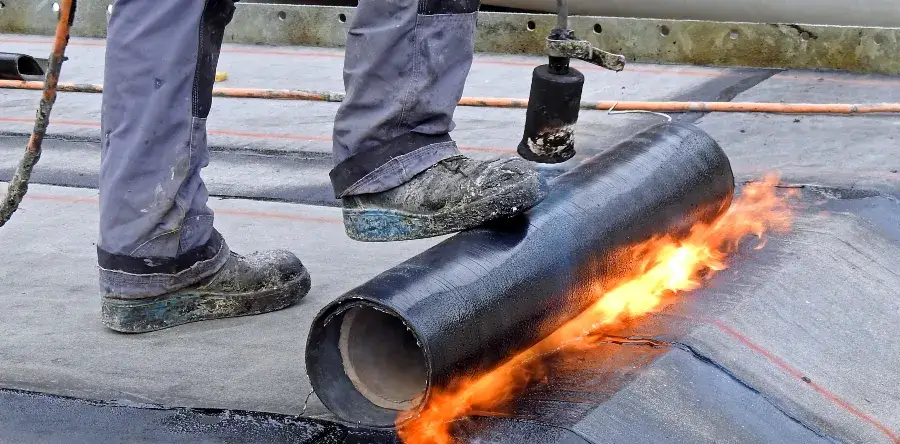
- Tear-Off and Disposal: Peeling off the old roof and hauling it away is hard, dirty work. If you have two or more layers of old shingles up there, the job takes that much longer and the disposal fees at the landfill go up.
- Roof Complexity: Like we've mentioned, a steep roof, lots of gables and dormers, or a roof dotted with skylights and vents is a much slower, more meticulous installation. It requires more time and a higher degree of skill.
- Workmanship and Warranty: The best contractors invest heavily in training to keep their crews certified by manufacturers like GAF or Owens Corning. That expertise costs money, but it allows them to offer powerful, long-term warranties on their work—an assurance that's factored directly into their labor rate.
When you’re looking at bids, don’t just get stuck on the final labor number. Ask what’s included. Does that price cover a full tear-off and a magnet sweep of your yard for nails? Is the crew factory-certified? A good, transparent contractor will have no problem explaining their pricing. Remember, the cheapest labor bid often ends up being the most expensive one in the long run.
Looking Beyond the Initial Quote: What Really Drives Your Final Cost?
A solid budget for a roof replacement is one that anticipates the unexpected. The number you get from an online cost estimator is a fantastic starting point, but it's rarely the final figure you'll pay. Several "hidden" expenses almost always pop up once the project gets underway, and they can quickly inflate your total investment if you aren't prepared for them.
Think of your base estimate as the price for a perfect-world scenario—no rotted wood, no complex city codes, no surprises. Real-world projects, however, are rarely that simple. By understanding what these potential extra costs are ahead of time, you can build a more robust and realistic budget that won’t get derailed.
This infographic breaks down how those additional expenses stack on top of your initial quote to create the final, all-in cost.
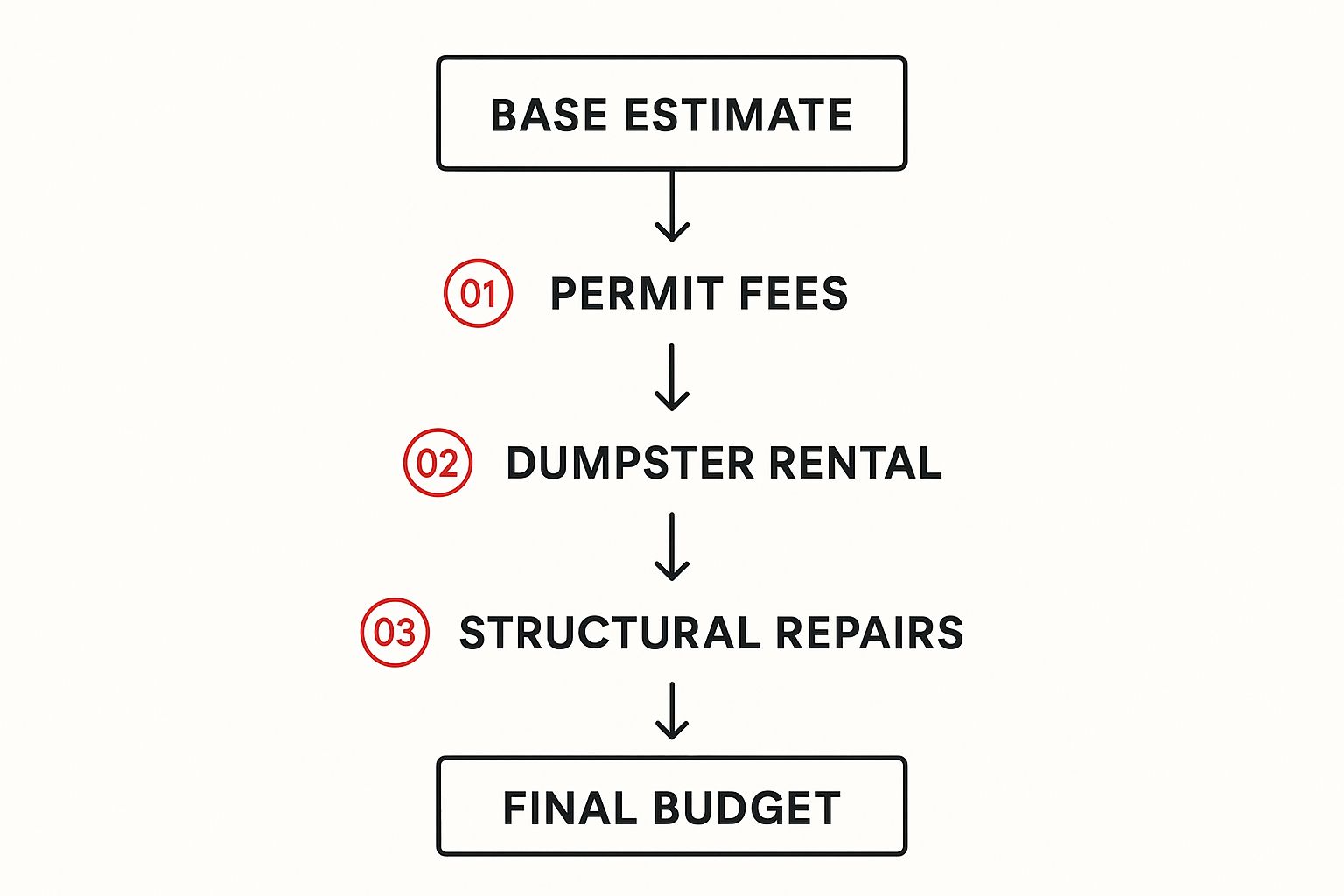
As you can see, things like permits, waste removal, and unforeseen repairs are essential layers that transform a preliminary guess into a comprehensive project budget.
Permits and Local Regulations
Before a single shingle comes off, your project needs the green light from your local municipality. Most cities and towns require a building permit for a full roof replacement. This isn't just bureaucratic red tape; it’s a crucial step that ensures the work meets local safety codes and building standards.
Permit fees can vary dramatically, costing anywhere from $150 to over $750, depending on where you live and the scope of the job. A good contractor will handle the entire permitting process for you, but that cost will be passed along in your final invoice. It's a non-negotiable expense that has to be in your budget from day one.
Waste Disposal and Site Cleanup
Tearing off an old roof generates a surprising amount of junk. A standard-sized roof can easily produce 2 to 3 tons of old shingles, underlayment, and nails. All of that has to go somewhere, which usually means renting a large roll-off dumpster for the job site.
The cost for the dumpster rental and disposal fees can add another $300 to $600 to your project total. This covers the delivery of the container, its rental for the duration of the job, and the landfill tipping fees. Always ask your contractor to confirm that this line item is included in the quote so you don’t get hit with a surprise bill at the end.
Many homeowners are caught off guard by the cost of waste removal. It's an unavoidable part of the process. A professional crew will also make sure your landscaping is protected during the tear-off and that the site is thoroughly cleaned afterward, often using a magnetic sweep to pick up stray nails.
The Wildcard: Unforeseen Structural Repairs
This is the biggest variable in any roofing project. The true condition of your roof's underlying structure—the wood decking, fascia boards, and flashing—can't be fully known until the old roof is gone.
If the tear-off reveals rotted plywood from a long-hidden leak or water-damaged fascia boards, these components have to be replaced. Pushing ahead without these fixes would be like building a brand-new house on a crumbling foundation. It just doesn't make sense.
Here are the most common structural issues that can add to your bill:
- Decking Replacement: Contractors often include a per-sheet cost in their contract for replacing damaged plywood or OSB, typically running $70 to $120 per sheet. Widespread rot can easily add $1,000 or more to the final cost.
- Fascia and Soffit Repair: These boards along the roofline are highly susceptible to water damage. Repairing or replacing them involves extra materials and labor.
- New Flashing: While some flashing might be salvageable, it’s almost always better to install new, custom-fit metal flashing around chimneys, vents, and valleys to guarantee a watertight seal for the new roof.
How Your Zip Code Shapes the Price
Your geographic location influences your roof replacement cost in ways you might not expect. Regional climate, the number of local contractors, and area-specific building codes all play a major role.
For instance, homes in coastal areas like Florida often require special hurricane-rated shingles and reinforced installation techniques, which naturally come at a premium.
On top of that, the general cost of living and local labor rates directly affect what contractors have to charge. This is why a quote in a major city will almost always be higher than one for the same job in a rural town. The increasing frequency of severe weather is also pushing prices up. In fact, the roof repair and replacement industry has seen a nearly 30% jump in total claim value since 2022, with wind and hail damage driving over half of those claims. You can read the full analysis on rising insurance claim values to get a better sense of these trends.
From Online Estimates to Firm Quotes
Using an online roof replacement cost calculator is a great first step. It gives you a general idea of what you might spend and helps you start budgeting. You can punch in your home’s rough size and preferred shingle type, and you’ll get a number to work with. But that’s all it is—a starting point.
Think of it as a ballpark figure, not a final, bankable quote.

An online tool has no way of seeing the real-world complexities of your roof. It doesn't know about that extra-steep pitch over the garage, the three skylights that need new flashing, or the layer of rotted decking hiding underneath your old shingles. That’s why you absolutely have to move from a digital guess to a firm, in-person quote from a qualified pro.
Why You Need Multiple In-Person Quotes
Here's a piece of advice I give every homeowner: get at least three detailed quotes from reputable local roofers. This isn’t about trying to start a bidding war to find the rock-bottom price. It’s about finding the best value.
Getting several bids allows you to compare everything side-by-side—the final cost, yes, but also the specific materials they plan to use, the scope of the work, and the general professionalism of the company.
A suspiciously low offer might look tempting, but it often means a contractor is cutting corners somewhere. Maybe they're using subpar materials or don't carry the right insurance. On the other hand, when two or three quotes are in the same price range, you can feel confident that you’re seeing the true market rate for the job. Getting those leads in the door is a business challenge, as this excellent digital marketing guide for roofers explains.
A professional quote is more than just a price—it's a detailed project plan. If a contractor hands you a one-page document with just a total cost and a signature line, that's a major red flag. A thorough, transparent quote builds trust and shows they've carefully considered every aspect of your project.
The Anatomy of a Professional Roofing Quote
Once you have a few quotes in hand, you need to know how to read them. A truly professional bid is an itemized, transparent document that doesn't leave you guessing. It’s a contract that protects both you and the roofer by spelling out every detail. Our step-by-step guide to the roof replacement process breaks down the entire project journey.
Your quote should be a clear roadmap. To make sure you’re comparing apples to apples and not missing any critical details, use this checklist to review every proposal.
Essential Checklist for Contractor Quotes
Before you sign on the dotted line, make sure every quote you receive provides clear answers to these key questions. This checklist will help you spot a thorough, professional proposal and avoid any nasty surprises down the road.
| Checklist Item | What to Look For | Why It's Important |
|---|---|---|
| Full Business Information | The company’s full name, physical address, phone number, and license number. | Verifies they are a legitimate, established business you can contact if issues arise. |
| Itemized Cost Breakdown | Separate line items for labor, materials (by brand/type), tear-off, disposal, and permits. | This transparency lets you see exactly what you're paying for and compare quotes accurately. |
| Detailed Scope of Work | A clear description of all tasks, like how many shingle layers will be removed and specifics on underlayment and flashing. | It prevents misunderstandings and ensures all necessary steps are included in the price. |
| Project Timeline | An estimated start date and the projected duration of the project. | This sets clear expectations for how long your property will be an active work zone. |
| Payment Schedule | A clear outline of the deposit amount and when subsequent payments are due. | A reputable contractor will never ask for the full payment upfront. A typical schedule is a deposit, a payment upon material delivery, and the final payment upon completion. |
| Warranty Information | Details on both the material warranty (from the manufacturer) and the workmanship warranty (from the contractor). | This is your protection against material defects and installation errors. A strong workmanship warranty (5 years or more) shows the contractor stands behind their work. |
| Proof of Insurance | Copies of their general liability and worker’s compensation insurance certificates. | This is non-negotiable. It protects you from financial liability in case of accidents or property damage during the job. |
By carefully stacking each quote against this checklist, you can confidently move from a vague online guess to a solid plan with a roofer you trust. This diligence is what separates a stressful project from a successful one that protects your home for years to come.
Your Top Roofing Cost Questions Answered
Even after running the numbers, a few key questions always seem to come up when you're planning a new roof. It's totally normal. You're trying to find that sweet spot between a fair price, quality materials, and a contractor you can trust. Let's tackle some of the most common uncertainties head-on.
Insurance and Your New Roof
Will my homeowner's insurance pay for my new roof?
That’s the million-dollar question, and the answer comes down to one thing: why do you need a new roof?
If your roof was damaged by a sudden event—think major hail, high winds, or a tree crashing down—your insurance will likely cover it. These are often called "acts of God." However, if your roof is simply old, worn out, or has failed due to a lack of maintenance, you'll almost certainly have to pay for it yourself.
Think you have storm damage? Your first call should be to a roofer for a professional inspection. They can document the damage properly before you even think about filing a claim, and many will help guide you through the process.
Understanding Payment and Financing
Do I need to pay for the whole roof before they start?
Not a chance. In fact, if a contractor asks for the full amount upfront, you should run in the other direction.
A professional, trustworthy roofer will have a standard payment schedule. It usually looks something like this:
- A deposit of 10-30% when you sign the contract. This gets the ball rolling and covers the initial material order.
- A progress payment might be requested once the materials are delivered to your home.
- The final balance is only due after the job is 100% complete and you've walked the property with the project manager to make sure you're happy.
A huge red flag is any contractor demanding a large cash deposit or the full project cost before lifting a single tool. This puts all the risk on you and could leave you in a terrible spot if the work isn't finished.
Choosing the Right Professional
How can I be sure I’m getting a fair price?
This is where doing a little homework pays off. The best way to know you're getting a fair market price is to get a minimum of three detailed, itemized quotes from different local roofers.
If all three bids are in the same ballpark, that's a great sign you're looking at the current, fair rate for the job.
It can be tempting to jump on a super low offer, but be careful. A price that seems too good to be true often means someone is cutting corners—either with cheap materials, unskilled labor, or by skipping proper insurance. You're looking for the best value, not just the lowest price. For more on this, our guide on how to find a good roofer gives you a solid checklist for vetting contractors and making a smart hire.
Frequently Asked Questions
How long is a roofing quote typically valid?
Most roofing quotes are good for 30 to 60 days. This is because material costs, especially for petroleum-based products like asphalt shingles, can fluctuate. A professional quote will always include an expiration date.
What's the difference between a roof replacement and a re-roof?
A full roof replacement involves tearing off all existing layers of shingles down to the wood decking and installing a completely new roofing system. A re-roof (or overlay) involves installing a new layer of shingles directly over the old one. While cheaper, re-roofing is not always possible or recommended as it can hide underlying deck problems and add excess weight.
Should I always take the lowest bid?
No, the lowest bid is often not the best value. An unusually low price can be a red flag for subpar materials, inadequate insurance coverage, or an inexperienced crew. It's better to choose a competitively priced bid from a reputable, licensed, and insured contractor with a proven track record.
What happens if the contractor finds rotted decking?
This is a very common scenario. A professional contractor will anticipate this by including a "per-sheet" or "per-foot" cost in their contract for replacing any damaged plywood or OSB decking. This ensures you know the potential cost upfront and avoids a major surprise on the final invoice.
How can I pay for my new roof?
Aside from paying with cash or savings, many homeowners use financing options. These can include a home equity loan, a HELOC (Home Equity Line of Credit), a personal loan, or financing offered directly by the roofing company. Some homeowners may also use a cash-out refinance options on their mortgage to fund large home improvement projects.