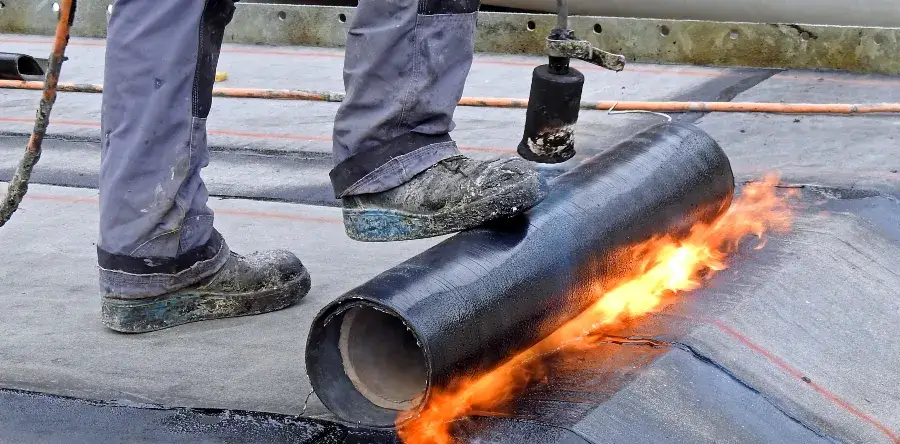

A lot of Arizona homeowners end up in the same place. A monsoon rolls through Phoenix, Scottsdale, Mesa, Chandler, or Tucson. The next morning, there are granules in the driveway, a tile out of place, a ceiling stain that was not there last week, or a nagging worry that the roof has taken one storm too many.
That moment is where residential roof replacement services stop feeling like a home improvement project and start feeling like a protection decision. In Arizona, roofs deal with punishing sun, sudden wind, dust, hail, and huge temperature swings. A roof can look acceptable from the ground and still have weak points that show up only after the next storm.
A clear understanding of the replacement process helps homeowners make better decisions. It also helps them avoid two common mistakes. The first is waiting until a small problem becomes interior damage. The second is approving a replacement without understanding what is being replaced, how the insurance side works, and which materials make sense for Arizona heat.
Table of Contents
- Protecting Your Home from the Arizona Sun and Storms
- What Residential Roof Replacement Services Involve
- Choosing the Best Roofing Materials for Arizona Heat
- Your Roof Replacement Project Timeline Step by Step
- Understanding Roof Replacement Costs in Arizona
- Navigating Insurance Claims After a Storm
- How to Choose a Certified and Reputable Roofer
- Frequently Asked Questions and Your Next Step
Protecting Your Home from the Arizona Sun and Storms
A Phoenix-area homeowner often realizes the roof is in trouble in the middle of a normal week. One room starts heating up faster in the afternoon. Dust shows up in the attic after a haboob. Then a monsoon storm rolls through, and the question changes from "How old is this roof?" to "Did that storm push it past the point of repair?"
That shift happens for a reason. Arizona roofs deal with two different kinds of stress at the same time. The sun wears them down little by little. Wind, hail, and blowing debris test every weak spot all at once. A roof works like a car tire in desert heat. The daily exposure may not look dramatic, but the material gets harder, drier, and less flexible over time. Then one sharp impact or one strong gust finds the area that was already close to failure.
For homeowners, that matters well beyond the roof surface. Once the outer system is compromised, heat, water, and dust can move into insulation, decking, drywall, and electrical penetrations. What looked like a few lifted shingles or cracked tiles from the ground can turn into stained ceilings, higher cooling costs, and insurance questions after the next storm.
Arizona weather also creates a claims problem that many homeowners do not expect. After monsoon hail or a haboob, insurers often look closely at whether the roof has sudden storm damage, long-term wear, or a mix of both. That distinction affects whether a claim is paid, partially paid, or denied. In practice, many disputed claims come down to documentation. Clear photos, dates of loss, wind-related creasing, broken seal strips, impact marks, and evidence that damage was not just age-related often make the difference.
If lowering attic heat is part of your plan, review these energy-efficient roofing options for Arizona homes. The material you choose affects surface temperature, indoor comfort, and how hard your cooling system has to work through the longest stretch of summer.
Key takeaway: In Arizona, roof replacement often starts as a protection decision. It helps prevent sun damage, storm intrusion, and insurance complications from turning a manageable project into a much larger repair.
What Residential Roof Replacement Services Involve
A residential roof replacement is a rebuild of a working system, not a surface swap. On an Arizona home, that system has to shed water during hard monsoon bursts, resist wind at edges and valleys, tolerate long heat exposure, and give your insurer a clear record of what was replaced if storm damage is part of a claim.
That is why a good replacement starts with inspection and documentation before the first tile or shingle comes off.
The service starts with scope, photos, and a plan
A careful contractor looks at more than the roof covering. The inspection should include flashings, penetrations, valleys, underlayment condition where visible, ventilation details, and signs that water may have reached the decking. If the home has recent storm exposure, the inspection should also document damage in a way that supports an insurance file. Date-stamped photos, marked elevations, and notes on hail strikes, lifted shingles, cracked tile, or detached components often help separate sudden storm damage from ordinary aging.
Homeowners sometimes expect one price for “the roof.” In practice, two homes with the same square footage can have very different scopes. One may need standard tear-off and replacement. Another may need new valley metal, replacement sheathing near a leak path, reset tile in selected areas, and upgraded underlayment because the original water barrier has reached the end of its life.
Before work begins, the written scope should answer a few basic questions clearly:
- What is being removed: full tear-off, partial replacement, or a section-specific repair tied to the approved scope
- What will be inspected once the roof is open: decking, flashing, vents, and vulnerable transition points
- What accessories are being replaced: pipe boots, flashings, valley components, edge metal, ridge pieces, and underlayment
- How change orders will be handled: especially if damaged decking is found after tear-off
- How the property will be protected: tarps, driveway protection, debris containment, and magnetic nail pickup
If any of that is vague, ask for a revised scope before signing.
Tear-off reveals the part homeowners cannot see from the ground
The removal stage is where hidden conditions show up. Crews may find soft decking around vent pipes, brittle underlayment under tile, old patchwork near skylights, or flashing that was reused during an earlier repair and never fit correctly. Those findings are common in Arizona because roofs can look passable from the yard while the layers below have been baking for years.
The roof covering works like the outer shell. Underlayment, flashing, and decking do the quieter work underneath. If those layers are weak, a new top layer only improves appearance.
This part also matters for insurance. After monsoon hail or a haboob, carriers often ask whether the contractor found storm-related breaks and displacement, or long-term deterioration that existed first. A contractor who documents each condition during tear-off gives the homeowner a stronger record if the carrier requests more support, supplements, or a reinspection.
What a finished replacement should include
A full residential roof replacement service usually includes these parts:
Removal of existing roofing materials
The crew removes the old roof covering down to the level required by the approved scope.Deck inspection and wood repairs where needed
Damaged or unstable sheathing is replaced before the new system goes on.New underlayment or water barrier installation
This layer helps protect the deck when wind-driven rain gets past the outer covering.Flashing replacement at transitions and penetrations
Walls, chimneys, skylights, valleys, vents, and pipe penetrations need correctly fitted metal details or approved flashing components.Installation of the new roof covering
The crew installs the selected system according to manufacturer requirements and local code.Ventilation review and corrections if the design allows
Heat buildup in the attic can shorten material life and make the house harder to cool.Site cleanup and final walkthrough
Debris is removed, nails are collected, and the contractor reviews the completed work with the homeowner.
Material choice changes some of these details. A tile replacement, for example, often turns into an underlayment and flashing project as much as a tile project. A shingle roof may involve more edge, starter, and ridge component work. If you want a closer look at how system design and material choice work together in this climate, review this guide to the best roofing material for Arizona heat.
Practical tip: Low bids often leave out the parts that prevent callbacks and claim disputes later, such as flashing replacement, documented deck repairs, and photo records of storm-related damage found during tear-off.
Choosing the Best Roofing Materials for Arizona Heat
At 4:30 in the afternoon in July, a roof in Phoenix is still holding hours of sun. A few weeks later, the same roof may take a monsoon burst, wind-driven dust, or hail that hits one slope harder than the other. That is why material choice in Arizona is not mainly about curb appeal. It is about how the whole roof system handles heat, movement, impact, and water when the weather turns fast.
What Arizona homeowners usually compare
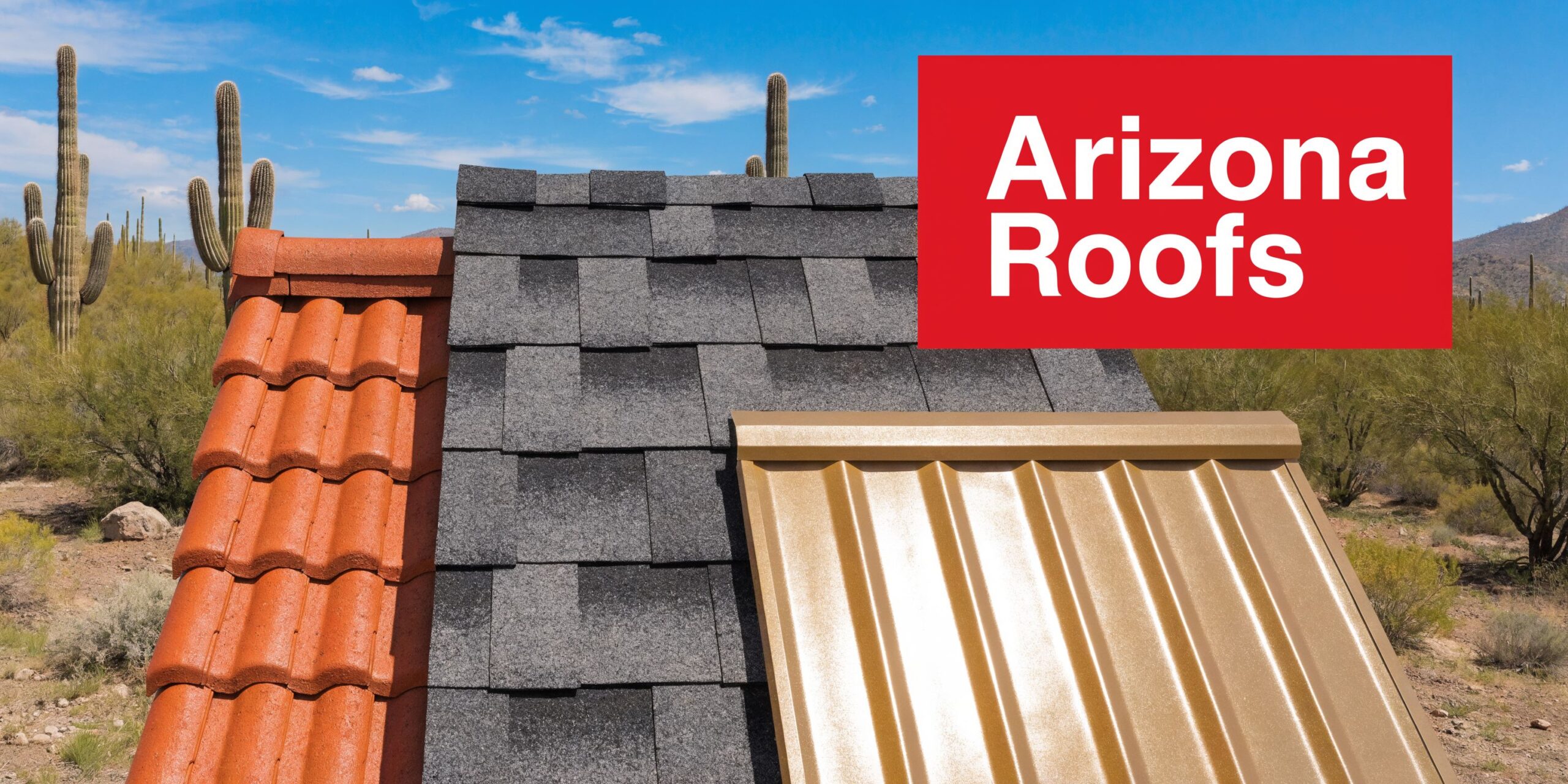
Most homeowners in Phoenix, Tucson, Mesa, and Chandler end up comparing three categories first: tile, asphalt shingles, and metal.
Tile is common here for good reason. It handles intense sun well, fits many Arizona home styles, and can last a long time. The point that confuses many homeowners is that the visible tile is only part of the system. On many replacement projects, the primary work is under the tile, where the underlayment, flashings, and battens often determine how well the roof resists monsoon rain.
Asphalt shingles deserve more respect than they sometimes get in tile-heavy neighborhoods. A well-selected shingle system can be a practical fit for Arizona because it balances cost, appearance, repair options, and replacement speed after a storm loss. That last point matters during insurance claims. If a haboob or hail event damages multiple slopes, shingles are often easier to document panel by panel and easier for adjusters to evaluate than older tile roofs with mixed prior repairs.
Metal roofing appeals to homeowners who want a clean profile, strong sun performance, and long service life. It can be an excellent option in this climate, but only if the installer gets the details right at seams, penetrations, edges, and transitions. In Arizona, the material matters. The workmanship matters just as much.
If you want a side-by-side breakdown by home style, heat exposure, and budget, this guide to roofing materials that perform best in Arizona heat gives a more focused comparison.
Arizona roofing material comparison
| Material | Average Lifespan (AZ Climate) | Heat Resistance | Initial Cost | Maintenance Needs |
|---|---|---|---|---|
| Tile | Long service life when maintained | Strong in high heat | Higher | Moderate, especially at underlayment and broken pieces |
| Asphalt shingles | Varies by product grade and installation quality | Good with the right product selection | Lower to moderate | Moderate |
| Metal | Long service life with proper installation | Strong heat performance | Higher | Low to moderate |
This table stays simple on purpose. Homeowners often get flooded with product names, color charts, and upgrade packages before they have answered the basic questions that drive the decision.
Start with these three:
- How long do you expect to stay in the home
- How exposed is the property to hail, wind, and blowing debris
- How much upfront cost fits the project without creating pressure elsewhere
Those answers affect insurance discussions too. For example, if a home has older concrete tile and the storm damages only part of the roof, matching can become a claim issue. If the original profile or color is no longer available, the conversation may shift from simple repair to whether a full slope or larger replacement is justified. Shingle claims can have their own disputes, especially when the carrier argues the condition is wear rather than storm damage, but they are often simpler to photograph and map.
Why shingles still deserve a serious look
Some Arizona homeowners rule out shingles too early. That usually happens because they associate shingles with entry-level construction or assume tile is automatically better in the desert. Projects are not that simple.
Architectural shingles are usually a better fit than basic 3-tab products for Arizona replacements because they are thicker, hold their appearance better, and are typically designed for stronger wind performance. That matters after monsoon gusts and dust storms, when adjusters often look for creased tabs, torn seal strips, and edge damage. A stronger shingle system can reduce the chance of early failure and can also make a storm file easier to support if fresh damage appears later.
They also hide minor deck unevenness better than flatter shingle profiles. On older homes, that can make the finished roof look cleaner without changing the structure.
A simple way to sort the options is this:
- Tile fits homeowners who want traditional Arizona style and expect to stay long enough to justify higher upfront cost
- Architectural shingles fit homeowners who want balanced performance, easier repairability, and a more approachable budget
- Metal fits homeowners who want long-term durability and are willing to pay more for a detail-sensitive system
One more practical point. The best material on paper is not always the best material for your claim or your house. If your neighborhood sees frequent hail or heavy monsoon wind, choose a system your contractor can document clearly, repair correctly, and defend during an insurance review if the carrier questions cause, age, or extent of damage.
Material rule of thumb: The lowest bid often buys the shortest margin for error. In Arizona, roof replacements succeed when the material, the attachment method, and the weather exposure all match the house.
Your Roof Replacement Project Timeline Step by Step
You approve the proposal, the monsoon season is getting closer, and the first question hits fast: what happens between signing and having a finished roof over your head?
A roof replacement runs more smoothly when the sequence is clear. Homeowners usually feel stress at the handoff points, such as when materials arrive, when tear-off starts, or when hidden wood damage is found. Knowing the order helps you plan for noise, driveway access, pets, work-from-home calls, and any insurance documentation that still needs to be gathered after a haboob or hail event.

Before installation day
The first step is inspection, then a written scope of work. That document should spell out the proposed roof system, visible damage, likely replacement areas, and what may change if the crew finds bad decking once the old roof is removed. In Arizona, this part matters more than many homeowners realize because storm claims often turn on documentation. If the carrier later questions whether damage came from wind, hail, age, or poor maintenance, the notes and photos from this stage become part of the file.
After material selection and contract approval, the contractor handles scheduling, permit requirements, and delivery timing. The job should be set up so materials do not sit exposed through unnecessary delays, especially during summer heat or an active monsoon pattern.
Your prep work is usually simple. Move vehicles out of the driveway. Take down fragile wall hangings if your house tends to shake with vibration. Cover items in the garage if the roofline is above it, because dust finds its way down.
A good project manager also explains where the crew will enter, where the dumpster or trailer will sit, how landscaping will be protected, and whether any claim-related photos or adjuster supplements still need to be submitted before work begins. If you want a clearer picture of what can change the final bill while the project is being scheduled, this Arizona roof replacement cost guide helps connect timeline decisions to pricing.
During tear-off and installation
Tear-off is the loud part. It is also the truth-telling part.
Once the old covering comes off, the crew can finally see the decking, flashing conditions, and trouble spots around valleys, vents, skylights, and transitions. A roof works like the skin on a house. Until the outer layer is removed, some damage stays hidden. That is why a clean estimate may still include language about concealed wood damage or other conditions discovered after opening the roof.
Many Arizona homes can be completed quickly if the layout is simple and the deck is sound. Complex roofs take longer. So do homes with tile reset work, multiple elevations, solar coordination, or storm damage severe enough to require extra documentation for the insurer.
Installation follows a set order. Damaged decking is replaced if needed. Underlayment goes on. Flashing details are corrected. Then the visible roof covering is installed. The exact sequence varies by system, but the logic stays the same. Build the waterproof layers first, then finish the exposed surface.
Homeowners often ask if they can stay home during this stage. Usually, yes. The better question is whether staying home will be practical for your household. Pets may panic from the pounding. Infants may not nap. Remote meetings may be unrealistic for several hours. If someone in the home has medical sensitivities, plan for a quieter location on tear-off day.
If the project is tied to an insurance claim, this is also when contractor documentation can help prevent payment disputes. Photos of brittle underlayment, lifted flashing, impact marks, or newly exposed deck issues may support a supplement request if the original carrier scope missed part of the damage. That does not guarantee approval, but it gives the claim a clearer paper trail.
The final walk-through
Closeout should feel organized, not rushed.
The contractor should walk the property with you, explain any changes from the original scope, and show you how the finished roof details were handled. If deck repairs were needed, ask to see the photo record. If the job followed a storm claim, keep that record with your settlement paperwork and warranty file. Homeowners often need those materials later if the carrier asks follow-up questions or if another weather event hits before the claim is fully closed.
A proper closeout usually includes:
- Final visual inspection: Roof surfaces, flashing, ridges, valleys, penetrations, and edge details are checked.
- Debris removal: Tear-off materials and packaging are hauled away.
- Magnetic sweep: The crew scans for nails in the yard, driveway, and walkways.
- Warranty review: You receive material and workmanship documentation.
- Photo documentation: Before, during, and after photos give you a useful record for maintenance, resale, and insurance.
What homeowners should expect: Clear updates, documented change orders, and a clean closeout matter just as much as installation speed. A well-managed project leaves you informed at every stage.
Understanding Roof Replacement Costs in Arizona
A homeowner in Phoenix can get two roof replacement estimates that differ by thousands of dollars, even when the homes look similar from the street. That usually happens because roofing price is built from the parts you do not notice first: roof shape, access, tear-off difficulty, underlayment choice, flashing details, and whether storm damage exposed hidden problems.
Arizona makes that pricing gap wider. Intense UV exposure dries out materials faster, summer heat slows crew pace during parts of the day, and monsoon or hail events can turn a planned replacement into a project with insurance paperwork, temporary protection, and added deck repair.
Why one roof costs more than another
Square footage matters, but it is only the starting point.
A roof works a lot like a road map. A straight route with few turns takes less time and fewer materials than one filled with intersections, elevation changes, and detours. Roofing follows the same pattern. A simple, walkable roof with clean lines is faster to tear off and install. A steep two-story roof with valleys, skylights, chimney flashing, parapet transitions, and tight access takes more labor hours and more detail work.
That is why two homes with similar interior size can land in very different price ranges. One may need standard replacement work. The other may need upgraded underlayment for Arizona heat, more flashing metal, crane or lift support, and extra safety setup.
What your estimate is really paying for
A good proposal should separate the job into understandable parts, not give you one large number with no explanation.
Common cost drivers include:
Roof geometry and pitch
More cuts, transitions, and steep sections increase labor time and waste.Number of stories and site access
Two-story homes, tight side yards, delicate landscaping, pool enclosures, and limited driveway space can all slow delivery and tear-off.Material system
Tile, shingle, foam, and other systems have different labor needs, accessory requirements, and replacement methods.Underlayment and waterproofing details
In Arizona, the layer beneath the visible roof covering often matters as much as the outer material because it carries much of the heat and water defense.Flashing and penetration work
Pipes, vents, skylights, chimneys, wall tie-ins, and valleys take careful custom work. That labor adds up quickly.Deck repair after tear-off
Some damage is hidden until old materials come off. If the wood deck has dry rot, cracking, or water damage, the scope changes.Permits, disposal, and jobsite protection
Dump fees, municipal permits, and protection for stucco, AC units, solar equipment, and landscaping belong in the total.
For a clearer breakdown of how those line items affect a proposal, this Arizona roof replacement cost guide for 2025 gives homeowners a useful starting point.
Arizona storm claims can change the cost conversation
Storm-related replacements follow a different path than aging-roof replacements. The question is not only, 'What does a new roof cost?' The primary question becomes, 'Which parts are covered by insurance, which parts fall under code upgrades, and which items may become out-of-pocket?'
That distinction matters after haboobs, monsoon wind events, or hail. A carrier may agree to pay for damaged slopes, soft metals, or underlayment in the initial scope, then question decking, flashing, or accessory replacement later if the documentation is thin. Homeowners are often surprised by that gap.
In practical terms, your final cost may be shaped by:
- your deductible
- depreciation if the policy is not fully recoverable
- code-required upgrades not fully covered by the policy
- excluded items such as unrelated wear, prior repairs, or maintenance issues
- supplements submitted after tear-off reveals hidden damage
This is one reason detailed estimating matters. If the contractor measures carefully, photographs the right areas, and explains the line items in plain language, it becomes easier to see what belongs in the insurance scope and what does not. That can reduce the back-and-forth that often delays approval of additional work.
How to compare estimates fairly
Price only makes sense if the scope matches.
One contractor may include full flashing replacement, upgraded underlayment, permit handling, disposal, and a wood repair allowance. Another may show a lower number because those items are excluded, vaguely listed, or pushed into change orders later. Those are not equal estimates.
Before you compare totals, check whether each proposal clearly states:
- tear-off and disposal details
- underlayment type and coverage area
- flashing replacement or reuse
- ventilation components
- deck repair pricing or allowance terms
- permit handling
- warranty terms
- insurance-related documentation support, if the roof was damaged in a storm
That last point matters in Arizona more than many homeowners expect. If a replacement is tied to storm damage, contractor support during scope review and supplements can affect what the carrier ultimately approves. The roof itself may be the same. The financial outcome may not be.
A clear estimate should leave you with fewer surprises, not more.
Navigating Insurance Claims After a Storm
Storm claims create a different kind of pressure. The homeowner is not only dealing with damage. The homeowner is also trying to prove that the damage qualifies, was documented correctly, and should be covered at the replacement level rather than patched as a repair.

What causes roof claim denials
Documentation is where many claims weaken. A homeowner may know the roof was hit hard, but the file may not show enough functional damage, enough photo evidence, or a clear enough timeline to support approval.
That is a serious issue because 20% to 30% of hail claims are denied nationally due to improper documentation, according to All Angles Roof’s residential roofing page. The same source notes that firms using AI-driven drone inspections and thermal imaging can reduce denial rates and speed approvals by as much as 50%.
Arizona storms add another challenge. Monsoon damage is often mixed damage. Wind uplift, punctures from debris, cracked tile, displaced components, and hidden moisture intrusion can happen together. If the claim file only shows a few obvious surface issues, the carrier may treat the event as repairable or insufficiently documented.
What homeowners should do right after a storm
The first few steps matter more than many homeowners realize.
Document conditions immediately
Take date-stamped photos of visible roof issues from the ground, plus any interior stains or moisture signs.Prevent additional interior damage
If active leaking is present, take reasonable temporary steps to protect contents and collect records of what was done.Do not rely on a ground-level guess
A roof can have lifted shingles, cracked tiles, or impact damage that is not visible from the driveway.Read the policy language carefully
Deductibles, exclusions, actual cash value provisions, and matching limitations all affect the outcome.Request a professional inspection before the adjuster meeting if possible
A detailed inspection helps the homeowner understand the likely damage pattern before the insurance discussion starts.
Important: Insurance companies pay based on documented damage and policy terms, not on how severe the storm felt.
Why contractor documentation changes the outcome
Professional support can make the process far smoother here. The right contractor does more than point at damage. The contractor helps organize evidence into a claim-ready package.
Useful documentation often includes:
- Annotated roof photos showing exact damage locations
- Drone images for slope-wide context
- Thermal imaging where hidden moisture is suspected
- Notes on wind direction and storm-related impact patterns
- A clear separation between old wear and storm-created damage
Arizona Roofers provides residential roof replacement services that include inspection documentation and insurance-claim support for storm-damaged homes across Arizona. That type of support is especially useful when a homeowner is trying to show that the roof needs full replacement rather than isolated patching.
The strongest claims are usually the clearest claims. They connect visible evidence, functional impact, and a documented storm event into one consistent story.
How to Choose a Certified and Reputable Roofer
A roof replacement contract is not just a price sheet. It is the instruction set for how your home will be protected when Arizona heat, dust, wind, and monsoon rain hit that roof again.

The right roofer makes the process clearer at every stage. The wrong one creates confusion, weak paperwork, and warranty problems that often show up only after the crew is gone. In Arizona, that difference matters even more because roof systems here take a steady beating from UV exposure, thermal movement, monsoon winds, and storm-driven debris.
What to verify before signing
Start with the items that can be proven on paper.
- State licensing and insurance: Ask for current proof of license, general liability coverage, and workers' compensation if the company carries employees.
- Arizona business history: A contractor with an established local presence is easier to reach for warranty service, repairs, or claim questions later.
- Written scope of work: The proposal should name the materials, underlayment type, flashing replacement, ventilation work, disposal, and cleanup steps.
- Warranty terms: Read both the manufacturer warranty and the workmanship warranty. They cover different things.
- Project management process: Ask who will supervise the job, who updates you, and how change orders are approved if damaged decking is found.
That paperwork is the foundation. The conversation that follows tells you whether the contractor understands the system.
What separates a solid roofer from a risky one
A good roofer explains the roof the way a mechanic explains a full brake job. You should hear what is being replaced, why it matters, and what happens if hidden problems appear after tear-off. If the explanation stays fuzzy, the proposal usually stays fuzzy too.
Look for specificity. A qualified Arizona roofer should be able to explain how underlayment performs under tile in extreme heat, why flashing details matter around chimneys and wall lines, how attic ventilation affects roof life, and what signs of deck damage would require added work.
Vague answers are expensive later.
Price-only sales pitches are another warning sign. A low bid can leave out items that should have been included from the start, such as replacing worn flashings, bringing vents up to standard, or documenting storm damage well enough to support an insurance file. Homeowners often do not notice those gaps until the job starts or the insurer asks for better proof.
Questions worth asking in the estimate meeting
A reputable roofer should answer these clearly, without rushing:
- What exactly is being removed and replaced?
- Which components are reused, if any?
- What underlayment and flashing materials are included?
- How will damaged decking be priced if it is discovered?
- Who pulls permits if they are required?
- How is the property protected during tear-off and cleanup?
- Who meets with the insurance adjuster if storm damage is involved?
- What claim documentation can the company provide?
That last question matters more than many homeowners realize.
After haboobs, monsoon hail, or high-wind events, some roofers can install shingles or tile but cannot build a clean damage file. Those are different skills. A contractor who regularly helps with Arizona storm claims should be able to separate age-related wear from storm-created damage, explain where impacts or uplift occurred, and organize photos and notes in a way an adjuster can follow. That does not guarantee approval, but it improves the odds of a fair review and reduces the chance that a valid claim gets weakened by poor documentation.
Practical signs you are dealing with a professional
Pay attention to how the company communicates before you sign. If calls go unanswered, appointment windows are vague, or revised estimates never arrive in writing, expect more of the same during the project.
A professional roofer is usually easy to follow. The company provides a clear scope, answers direct questions, explains Arizona-specific concerns in plain language, and puts changes in writing. Arizona Roofers provides residential roof replacement services with that kind of documentation-focused process, which is especially helpful for homeowners dealing with storm damage and insurance questions.
Simple screening rule: If a contractor cannot explain the roof system, the replacement process, and the claim-related paperwork in plain language, keep looking.
Frequently Asked Questions and Your Next Step
Can a homeowner stay in the house during the replacement
Often, yes. The work is noisy and there may be vibration, but many homeowners stay onsite. Families with pets, infants, or work-from-home schedules may prefer to be elsewhere during tear-off.
How long does a residential roof replacement take
That depends on roof size, complexity, weather, material, and whether deck repairs are needed once the old roof is removed. The schedule should be discussed in writing before work begins.
Is repair ever better than replacement
Sometimes. If damage is isolated and the rest of the roof system is still in solid condition, a repair may be the practical move. If multiple components are worn or storm damage is widespread, replacement is often the more durable option.
What should a homeowner prepare before work starts
Vehicles should be moved, fragile items on upper walls should be secured, attic valuables should be protected from dust, and access should be clear around the home.
What is the next smart step after storm damage or visible wear
Schedule a professional inspection before making assumptions about repair versus replacement. A proper inspection gives the homeowner real information instead of guesswork.
Arizona homeowners who need clear answers about residential roof replacement services can contact Arizona Roofers for a free inspection and a detailed explanation of roof condition, replacement scope, and insurance-related documentation needs. For homes in Phoenix, Scottsdale, Mesa, Chandler, Tucson, and surrounding areas, the next step is simple. Call (480) 531-6383 to schedule an inspection and get a written plan for protecting the home before the next storm.