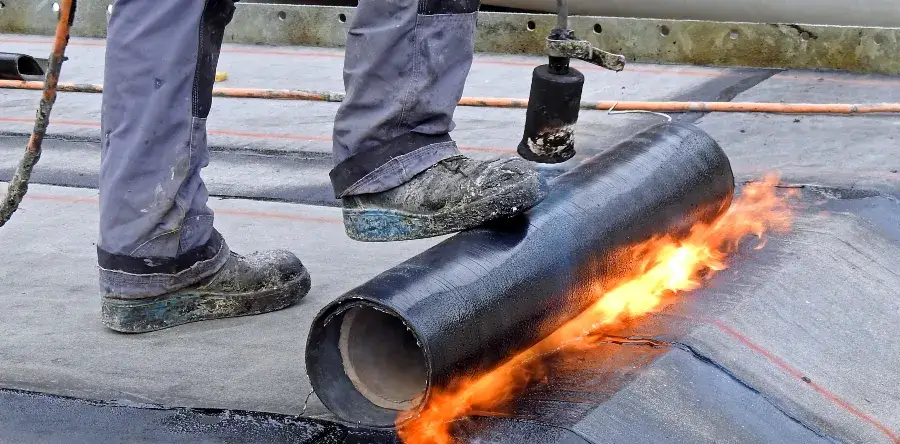

When you think of a roof, you probably picture tiles or shingles. But what if your roof was a single, seamless, insulated shield custom-molded to your home? That’s exactly what a polyurethane foam roof is. It’s a liquid-applied system that expands on contact, creating a solid barrier that’s incredibly effective at fighting off the intense Arizona heat and bringing down those punishing summer energy bills. We call it Spray Polyurethane Foam (SPF), and it's a game-changer for flat and low-sloped roofs in our climate.
Key Takeaways for Quick Reference
Before we get into the nitty-gritty, here are the core benefits you need to know:
- Top-Tier Insulation: SPF has one of the highest R-values (the measurement for thermal resistance) per inch of any roofing material out there. Less heat gets into your home. Period.
- Seamless & Watertight: No seams means no easy entry points for water. This eliminates the most common source of leaks that plague other roofing systems.
- Serious Energy Savings: The combination of insulation and a reflective white top coat can make a huge dent in your cooling costs. For anyone paying an APS or SRP bill in July, that's a massive plus.
- Long-Lasting & Sustainable: With proper care, a foam roof can last for decades. Instead of a costly tear-off and replacement, you simply recoat it every 15-20 years to renew its protection.
Understanding this technology is the first step toward making a smart, long-term investment in your property's comfort, efficiency, and protection.
This guide will walk you through everything—how these roofs work, why they excel in Arizona, the pros and cons, what to expect during installation, and how to maintain them. We'll give you the full picture so you can decide if an advanced SPF system is the right move for your home or business.
What Exactly Are Polyurethane Foam Roofs?
For Arizona homeowners, the battle against the sun is relentless. An SPF roof tackles this head-on by creating one continuous, waterproof, and highly insulated layer over your entire roof deck.
Unlike traditional roofing materials that are nailed or glued down in pieces, SPF starts as a two-part liquid. A roofing professional sprays this liquid directly onto the roof surface. As soon as it hits, a chemical reaction causes it to expand up to 30 times its original size, hardening into a solid, durable foam. This rapid expansion is the magic—it fills every crack, seals around every vent, and forms a monolithic surface with no seams.
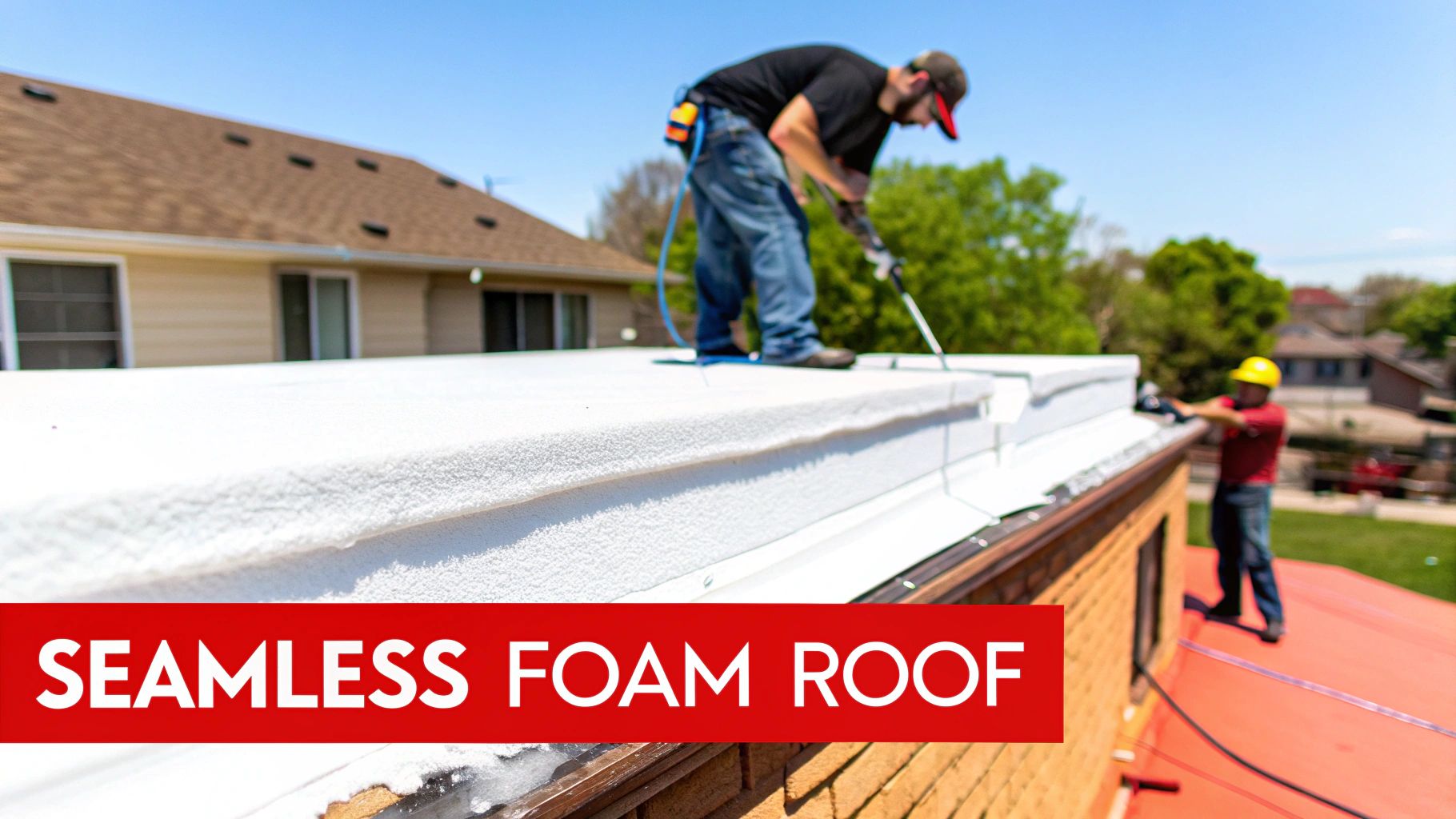
How a Foam Roof Creates a Seamless Shield
Imagine creating a protective shield for your building that’s custom-molded on-site, perfectly fitting every vent, pipe, and angle. That’s the essence of a polyurethane foam roof. It isn't rolled out in sheets or nailed down in pieces; it’s created right on your rooftop through a fascinating chemical process.
At its heart, Spray Polyurethane Foam (SPF) starts as two separate liquids. On their own, they're stable, but when they meet, they form an incredibly tough, seamless barrier.
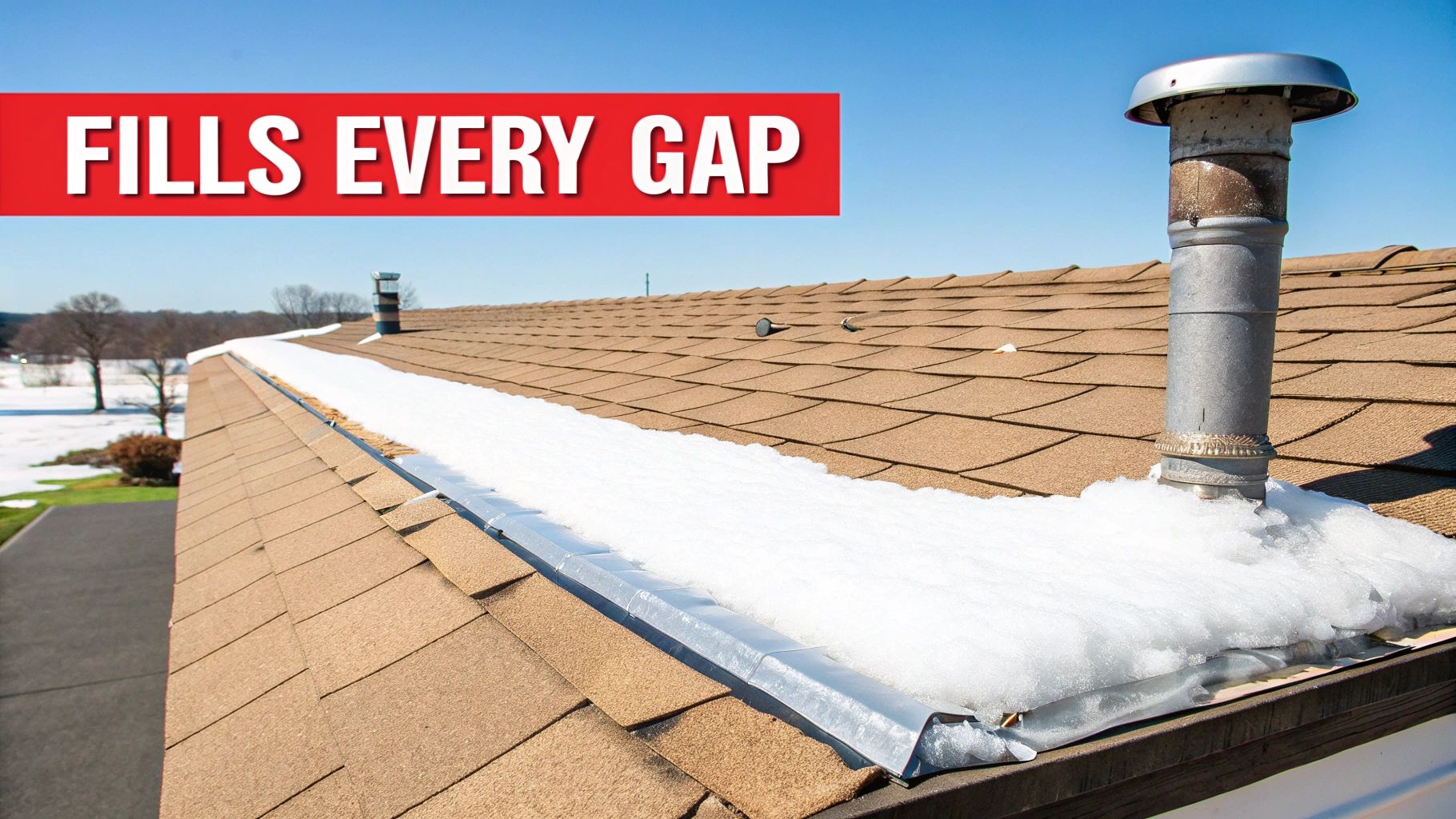
The Magic of the Chemical Reaction
The real transformation happens during application. A skilled technician uses a special spray gun that draws the two liquids from separate containers through heated hoses. The moment the trigger is pulled, the components mix at a perfect 1:1 ratio and are sprayed onto the prepared roof deck.
The two key ingredients in this "recipe" are:
- Isocyanate (the "A-side"): A highly reactive chemical compound.
- Polyol Resin (the "B-side"): A blend of polyols, catalysts, blowing agents, and flame retardants.
The instant these two liquids combine, an exothermic reaction kicks off. It generates heat and causes the mixture to expand at an astonishing rate—growing up to 30 times its original volume in a matter of seconds.
This rapid expansion is what makes an SPF roof so effective. The foam surges into every tiny crack and crevice, seals tightly around protrusions like vents and skylights, and rises to form a single, solid, monolithic layer.
From Liquid to a Solid Protective Layer
As it expands, the foam hardens almost immediately into a dense, closed-cell structure. Think of it as millions of tiny, individual plastic bubbles packed tightly together. Because each bubble is sealed, water can't get through. If a tool were dropped and punctured the surface, the damage would be isolated to that one spot—water can't travel sideways through the foam like it can under a traditional roofing membrane.
The technician applies the foam in passes, called "lifts," building it up to the desired thickness to ensure proper insulation and create slope for drainage. The final product is a continuous barrier with zero seams, joints, or fasteners, which are the primary culprits for leaks in conventional roofing systems.
The Final Layer of Defense: The Top Coat
While the cured foam is an excellent insulator and waterproofing agent, it has one weakness: the sun's ultraviolet (UV) rays. To protect it, a final, critical layer is applied—a protective top coat.
This coating is a thick, flexible, and highly durable membrane, usually a white or light-colored elastomeric material. It works like a powerful sunscreen, shielding the foam from UV damage while adding another layer of toughness against hail, foot traffic, and the elements. If you want to dig deeper, you can learn more about what an elastomeric roof coating is and why it’s so important.
This reflective top coat is also a huge part of what makes foam roofs so energy-efficient, especially here in the Arizona sun.
Weighing the Pros and Cons of Foam Roofing
No roofing system is perfect for every single situation, and polyurethane foam roofs are no different. They offer some incredible advantages, especially for a climate like we have here in Arizona, but it's crucial to look at the whole picture. Getting a balanced view of both the benefits and the potential drawbacks is the only way to know if this modern system is the right call for your property.
Making a smart decision means carefully weighing these factors. So, let's break down the key points on both sides, starting with the big wins that make SPF roofing such a popular choice.
The Clear Advantages of Foam Roofing
Probably the biggest selling point for an SPF roof is its phenomenal energy efficiency. The foam creates a solid, unbroken layer of insulation with a very high R-value—that's the measurement for thermal resistance. Think of it as a thick, custom-fit cooler lid for your entire building. This barrier stops heat in its tracks, which means your AC unit doesn't have to battle the summer sun all day long, and that translates directly into lower energy bills.
Another huge plus is that the final roof is completely seamless and waterproof.
Because the foam is sprayed on as a liquid, it expands to fill every crack, crevice, and corner, creating one single, solid shield. This design gets rid of all the seams, joints, and nail holes that cause most leaks in traditional roofs, making water intrusion a thing of the past.
Finally, polyurethane foam is surprisingly lightweight. This puts far less stress on the building's structure, which is a major benefit for older buildings or sprawling commercial facilities. It also means we can often install it right over your existing roof, saving you the significant time, mess, and expense of a full tear-off.
Important Considerations and Potential Downsides
Now for the other side of the story. There are a few critical things to keep in mind, and the most important is the need for highly specialized installers. Spraying foam is a science. It requires precise machinery, deep training, and a real-world understanding of how the chemicals react. An inexperienced crew can botch the job, leaving you with a subpar roof. That's why choosing a contractor with a long track record in foam is non-negotiable.
The application process itself is also a bit finicky about the weather. To cure properly, the foam needs to be applied when it's not too hot, not too cold, not too humid, and definitely not wet. This means a rainy day or an extreme heatwave can push the installation schedule back, so a little flexibility in the project timeline is needed.
Lastly, while SPF roofs are tough, they aren't "set it and forget it." They do need some routine care.
- Routine Inspections: We recommend a yearly check-up to catch and fix any small punctures from things like dropped tools, hail, or storm debris before they become a real problem.
- Protective Recoating: The tough, reflective top coat that protects the foam from the sun's UV rays needs to be reapplied every 10 to 20 years. This simple step is what gives the roof its incredible longevity and keeps it performing at its best.
To help put all of this into perspective, here's a quick side-by-side look.
At-a-Glance Comparison of SPF Roofing Attributes
This table gives you a quick snapshot of the main advantages and potential drawbacks you'll want to consider when thinking about a polyurethane foam roof for your property.
| Attribute | Advantages (Pros) | Considerations (Cons) |
|---|---|---|
| Energy Efficiency | Exceptional insulation (high R-value) dramatically lowers heating and cooling costs. | Professional installation is needed to ensure a proper thermal barrier is achieved. |
| Waterproofing | The seamless, monolithic surface eliminates common leak points found in other systems. | The protective top coat must be maintained to ensure the foam remains waterproof. |
| Installation | Lightweight design reduces structural stress and can often be applied over existing roofs. | Requires highly skilled technicians and is dependent on specific weather conditions. |
| Durability | Resilient against strong winds and weather; easily repaired if minor damage occurs. | Can be susceptible to punctures from sharp objects without the protective coating. |
| Longevity | Can last for 30+ years with proper maintenance and periodic recoating. | Requires a commitment to regular inspections and recoating every 10-20 years. |
As you can see, the benefits are substantial, but they come with the responsibility of proper installation and ongoing maintenance—a trade-off many property owners find well worth it.
Why Foam Roofs Thrive in the Arizona Climate
Arizona's weather isn't just sunny; it can be brutal. The non-stop heat, powerful UV rays, and sudden monsoon deluges demand a roof that's built for extremes. This is exactly where polyurethane foam roofs step up, becoming less of an "option" and more of a purpose-built solution for our climate.
To get why, you have to understand how a building fights heat. It all comes down to insulation, which we measure in R-value. Simply put, a higher R-value means better heat resistance—it’s better at stopping heat in its tracks. It's like the difference between a cheap foam cup and a high-end thermos; one keeps your drink cold for a lot longer on a blistering day.
Spray Polyurethane Foam (SPF) roofing delivers an impressive R-value of around R-6.5 per inch of thickness. That’s one of the highest ratings you can get in the roofing world. This solid, seamless layer of insulation creates a powerful barrier, dramatically cutting down the amount of solar heat that gets into your home or business. Your AC unit doesn't have to battle nearly as hard, which translates directly into lower energy bills.
Beating the Heat with Reflectivity
But insulation is only half the battle. The other key piece of the puzzle is reflectivity. A standard foam roofing system is topped with a white, elastomeric coating. This brilliant white surface is a game-changer, acting like a mirror to bounce a huge amount of the sun's radiation back into the sky before it ever has a chance to turn into heat.
This one-two punch of high insulation and high reflectivity is the secret to a foam roof's success in Arizona. The reflective coat blocks the first wave of solar heat, and the high-R-value foam underneath stops whatever is left.
This powerful combination keeps the roof surface itself significantly cooler. That doesn't just cut your cooling costs—it also helps the roof last longer by reducing the stress caused by extreme temperature swings. If you’ve ever watched your summer electric bill climb to dizzying heights, you'll feel the impact of this system almost immediately. For a deeper dive into how this works, check out our guide on Arizona foam roofing.
A Seamless Defense Against Monsoon Rains
Arizona's climate isn't just a dry heat. Our monsoon season brings downpours that can find and exploit the tiniest weak spot in a conventional roof. Leaks almost always start at seams, joints, and around flashing.
This is where a foam roof truly shines. Because it’s sprayed on as a liquid, it creates one solid, continuous membrane with absolutely no seams. It expands and molds itself around vents, pipes, and skylights, creating a perfect, watertight seal that eliminates all those classic problem areas. It’s a seamless shield that gives you real peace of mind when the summer storms hit.
It’s no surprise that demand for these materials is growing globally. The polyurethane foam market, which is crucial for this kind of insulation, is expected to jump from about USD 55 billion in 2025 to over USD 110 billion by 2034, all thanks to its incredible performance against heat and weather. You can read more about these trends in the full polyurethane foam market report.
A Look at the Foam Roof Installation Process
Putting a polyurethane foam roof on a building isn't your typical roofing job. It’s less about hammers and nails and more about chemistry and precision. Think of it as a scientific application that happens right on top of your property, where every single step is critical to the final outcome. Understanding how it all comes together shows why you can't just have anyone do this—you need a seasoned pro.
The whole system is built layer by layer, and each one has a very specific purpose. It’s a lot like baking a complex cake from scratch; get one ingredient wrong or rush a step, and the whole thing can fail. From the initial prep work to the final top coat, every detail matters in creating that seamless, insulated barrier you’re paying for.
Stage 1: The All-Important Roof Prep
Before a single drop of foam is sprayed, the existing roof has to be perfectly clean and sound. This is the foundation for everything that follows, and cutting corners here is a recipe for disaster. A professional crew always starts with a deep power wash to blast away every bit of dirt, grime, loose gravel, and debris.
Once it's clean, they'll comb over the entire surface, looking for any hidden damage. Blisters, cracks, or any waterlogged spots in the old roof material are all repaired. The mission is simple: create a clean, dry, and stable surface that the foam can grab onto and never let go.
Stage 2: Applying the Primer
With the roof prepped and ready, the next step is applying a specialized primer. This isn't just a coat of paint; it’s the crucial link that chemically bonds the new foam to your existing roof deck.
Different roofing materials—like metal, asphalt, or single-ply membranes—need different types of primer. An experienced contractor knows exactly which one to use to get a rock-solid bond and prevent the foam from peeling away down the road. This step is what truly fuses the foam and the roof into a single, monolithic unit.
The infographic below really drives home how a properly installed foam roof is custom-built for the Arizona climate, tackling everything from blistering heat to monsoon downpours.
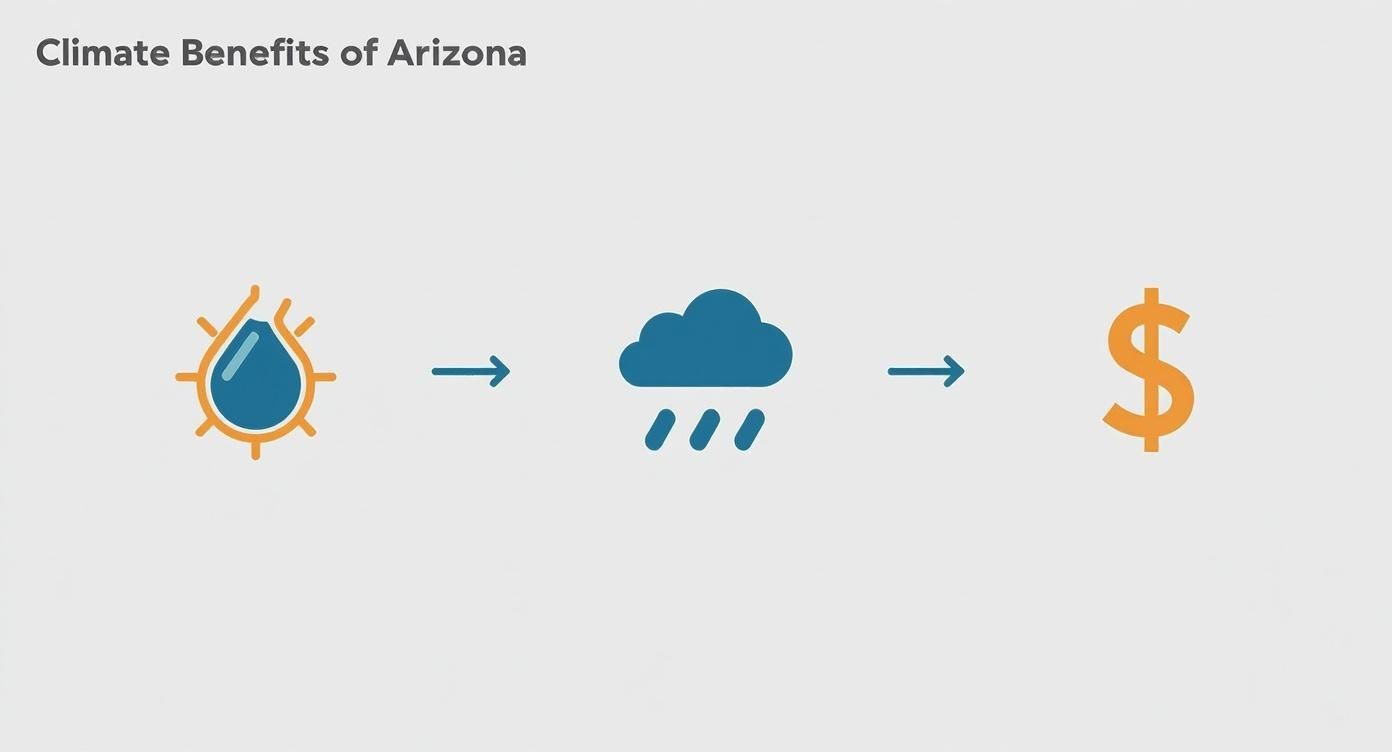
You can see the direct line between a high-quality installation and a roof that actively works to protect your building and slash your energy bills.
Stage 3: Spraying the Foam and Protective Coating
Now for the main event. Using highly specialized spray equipment, certified technicians apply the two-component liquid polyurethane directly onto the primed roof. The reaction is instantaneous—the liquid expands 20 to 30 times its original volume and hardens into a solid, seamless layer in mere seconds.
The foam is sprayed in "lifts," or passes, that are usually 0.5 to 1.5 inches thick each. This allows the crew to build up the roof to the precise thickness needed for proper insulation and to create a gentle slope that directs rainwater right to the drains. Once the foam cures, it gets a tough, reflective "skin"—at least two coats of a durable elastomeric coating that protects it from UV radiation and physical wear.
This deliberate, multi-step process—prep, prime, foam, and coat—is what elevates a roof from a simple cover to a high-performance, energy-saving asset. If any of these steps are rushed or skipped, the whole system is compromised.
Stage 4: The Final Walk-Through
The job isn't done until it passes a rigorous final inspection. The crew foreman or project manager will walk every square foot of the roof, checking for consistent foam thickness, perfect adhesion, and a smooth, uniform top coat. This final quality check is our guarantee that your new roof meets all industry standards and is built to perform for decades to come.
Cost, Savings, and Long-Term Value
https://www.youtube.com/embed/uYC7a-zYSSQ
When you’re thinking about a big upgrade like a new roof, the first question is always about the price. But with a polyurethane foam roof, it’s less of an upfront cost and more of a long-term financial strategy. The initial investment might be in the same ballpark as other high-quality roofing systems, but the real story is told through years of lower bills and reliable performance.
The final price tag for a foam roof isn't a one-size-fits-all number. A few things will move the needle, like the total square footage, the condition of your current roof, and how thick the foam needs to be for the best insulation. That initial quote, however, is just the starting point. The true value really shines when you look at the return on investment (ROI).
Analyzing Your Return on Investment
The ROI for a foam roof is a powerful combination of three things: serious energy savings, next-to-no maintenance, and an incredibly long lifespan. Thanks to its airtight insulation and reflective top coat, a spray foam roof can make a huge dent in your monthly cooling bills—a massive win in the face of Arizona’s relentless sun.
On top of that, these systems are famous for being low-maintenance. Forget about constantly patching leaks at seams and joints. Upkeep is usually just a quick annual inspection and cleaning. It's this mix of energy efficiency and durability that has made spray foam a major force in the roofing world.
The global market for spray polyurethane foam is booming, expected to jump from USD 2.2 billion in 2025 to nearly USD 4.2 billion by 2035. The roofing slice of that pie is huge, making up about 42.8% of the market. Why? Because its incredible thermal insulation and seamless protection simply make roofs last longer. You can dig deeper into these market growth projections and insights.
A Practical Example of Savings
Let’s break it down with a real-world scenario. Say your summer cooling bills average around $400 a month. A properly installed polyurethane foam roof could slash that by up to 30%, putting $120 back in your pocket every single month during peak heat.
- Monthly Savings: $120
- Annual Cooling Savings (5 peak months): $600
- Ten-Year Savings: $6,000+ (and that’s before factoring in energy rebates or the inevitable rise in utility costs)
This quick calculation doesn't even touch on the money you save by avoiding constant leak repairs or delaying a full roof replacement for decades. When you add it all up, the roof stops being just an expense. It becomes an asset that actively pays for itself, turning a necessary project into a smart investment in your property.
Keeping Your Roof in Top Shape and Picking the Right Pro
A polyurethane foam roof is a fantastic asset for any building, but like any major investment, it needs a little attention to go the distance. While these roofs are famous for being incredibly low-maintenance, "low-maintenance" doesn't mean "no-maintenance." A little bit of care and the right contractor in your corner is all it takes to keep your roof performing at its best for decades.
The foundation of good foam roof care is a simple annual inspection. A quick walk-around to check things out, especially after a big storm, helps you catch small issues—like a puncture from a fallen branch—before they turn into real headaches. It's also a good idea to keep the surface clear of leaves, dirt, and anything else that might hold moisture against the roof or damage the protective coating.
The All-Important Recoating Process
If there's one maintenance task you can't skip, it's the periodic recoat. Think of the reflective top coat as the roof's armor; it's the first line of defense against Arizona's brutal UV rays and day-to-day wear. Over the years, this layer naturally weathers down.
Applying a fresh top coat every 10 to 15 years is a straightforward, affordable way to hit the reset button on your roof’s lifespan. This simple step renews its waterproofing and UV-blocking power, and it's precisely why a well-maintained foam roof can last 30 years or more. This kind of long-term performance is a huge reason the global market for this material, rigid polyurethane foam, hit about USD 21.14 billion in 2024. And as more people look for energy-efficient building solutions, that number is only expected to climb. You can read more about these insights into the rigid polyurethane foam market.
Finding a Contractor Who Knows Foam
Here's the bottom line: your foam roof is only as good as the crew that installs it. Applying spray foam is a science, and hiring a team with real, hands-on experience isn't just a good idea—it's essential. The wrong crew can leave you with a system that never lives up to its potential.
So, how do you find the right people for the job? Use this checklist to screen potential contractors:
- Ask About SPF Experience: Don't just ask if they do roofing. Ask how many years they’ve specifically been installing spray foam roofs. A true pro will have a portfolio of foam projects ready to show you.
- Confirm License and Insurance: Make sure they are fully licensed, bonded, and insured right here in Arizona. This is your safety net, protecting you from liability and ensuring they play by the rules.
- Get Local References: A confident, reputable contractor will be happy to share contact info for recent clients in your area. Give them a call and ask how the project went.
- Talk About the Warranty: Get the warranty details in writing. A solid warranty will cover both the roofing materials and the quality of the installation work.
Choosing the right partner is the most important decision you'll make. A great contractor doesn't just give you a perfect installation; they become a trusted resource you can rely on for years to come.
For a deeper dive into vetting your options, check out our guide on how to choose a roofing contractor. Putting in the effort upfront to find a true expert ensures your high-performance roof is installed right, protecting your investment for the long haul.
Frequently Asked Questions About Polyurethane Foam Roofs
Let's tackle some of the most common questions we hear from property owners curious about polyurethane foam roofing.
How long does a polyurethane foam roof last?
With proper maintenance, a polyurethane foam roof can last 30 years or even longer. The key to its longevity is the protective top coat, which needs to be reapplied every 10 to 20 years. This simple recoating process renews the roof's UV protection and waterproofing, essentially resetting the clock on its lifespan.
Is it okay to walk on a foam roof?
Yes, you can walk on a cured foam roof. The dense, closed-cell structure is surprisingly strong and can easily handle normal foot traffic for maintenance or inspections. However, it's wise to avoid dropping sharp tools or dragging heavy equipment, as this could puncture the protective coating.
Can a foam roof be installed over my existing roof?
In most cases, yes. This is a significant advantage of SPF roofing, as it can save you the considerable cost and mess of tearing off your old roof. Before installation, a professional must inspect the existing roof to ensure it's dry and structurally sound enough to serve as a stable base for the new foam system.