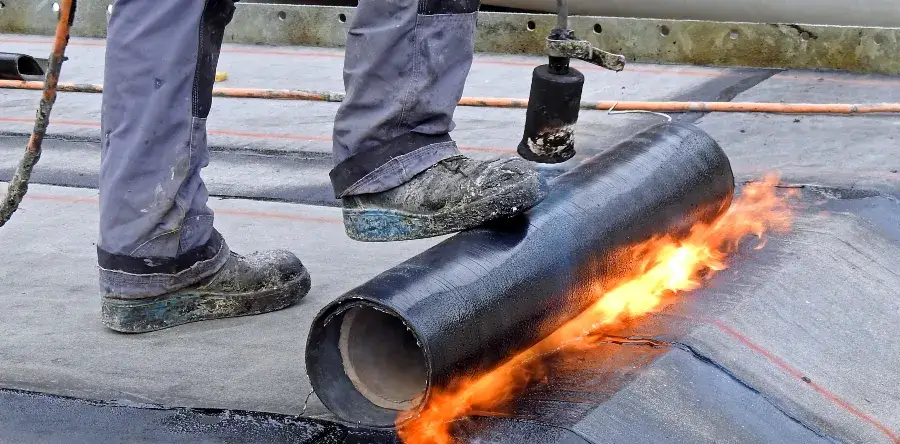

For any homeowner in Arizona, that unmistakable sound of a hailstorm brewing is enough to cause a spike in anxiety. When those ice pellets start falling, your roof is the only thing standing between your home and some seriously expensive damage. A hail-resistant roofing system isn't just another repair—it's a proactive upgrade, a shield designed to absorb those impacts and keep your home safe.
Let's break down what you need to know to make the right choice for your home.
Key Takeaways
- What is a Hail-Resistant Roof?: It's a roofing system made from materials engineered to withstand hail impact without sustaining functional damage like cracks or punctures.
- The Gold Standard is Class 4: The UL 2218 Class 4 rating is the highest industry standard for impact resistance, tested to withstand 2-inch hailstones.
- Top Materials: The best options include impact-resistant asphalt shingles (with SBS polymers), metal roofing, concrete/clay tiles, and synthetic composites.
- It's a Long-Term Investment: While the upfront cost is higher, a hail-resistant roof saves money over time through fewer repairs, increased home value, and potential insurance discounts of up to 25% or more.
- Professional Installation is Crucial: The performance of high-tech materials depends entirely on proper installation by a qualified, experienced, and insured contractor.
Protecting Your Home From Hail Damage
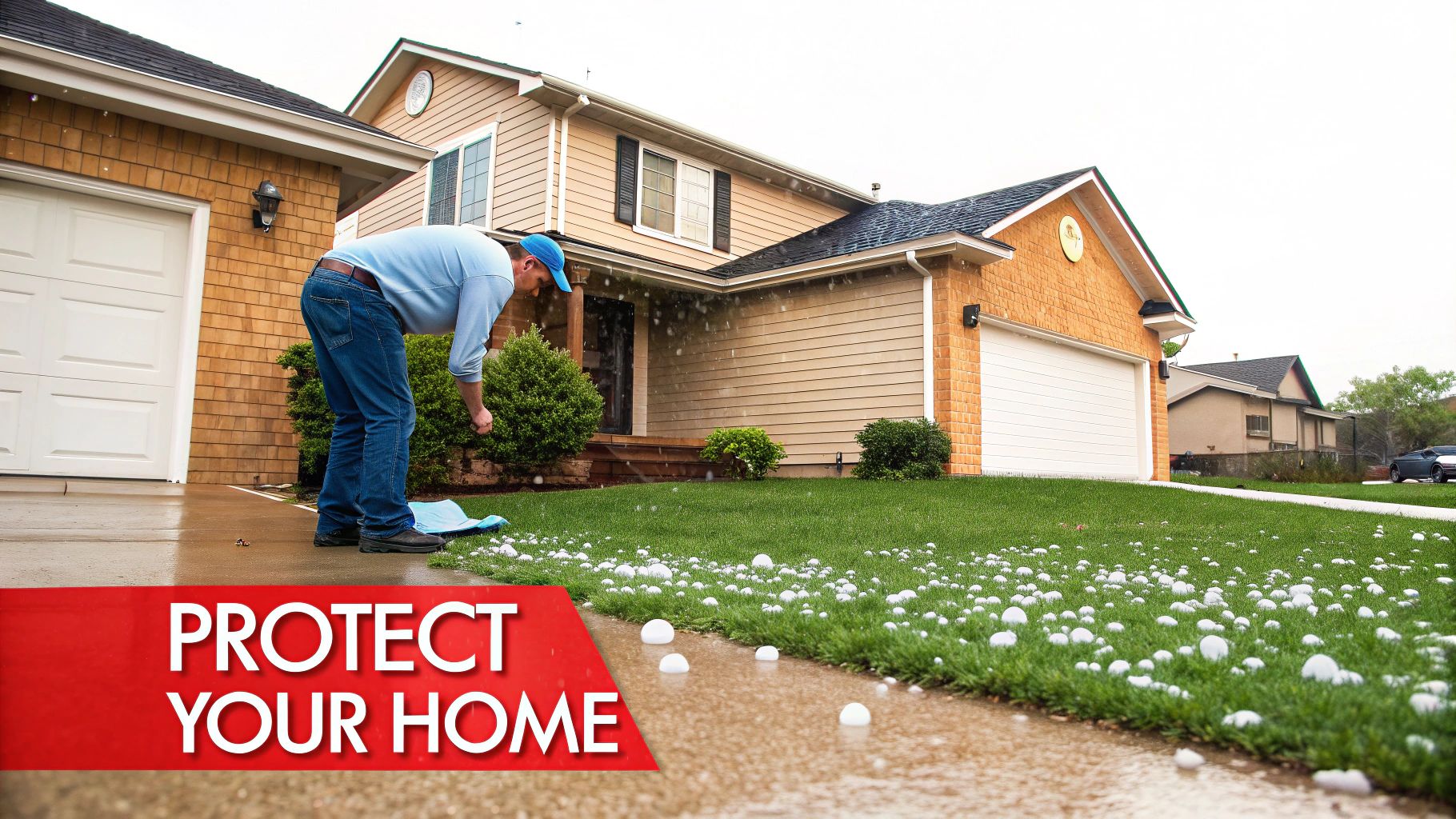
It’s easy to underestimate hail, but these storms can unleash incredible damage in a matter of minutes. Just look at the numbers: in 2024, hail-related property damage across the U.S. racked up a bill of nearly $31 billion. That’s a staggering figure, and a lot of it comes from roofs that just weren’t built to handle the assault.
Standard asphalt shingles, the most common roofing material, often crack, split, or lose their protective granules under hail impact. Once those granules are gone, the shingle is exposed, leaving your home vulnerable to leaks and deeper structural problems.
Think of it this way: a standard roof is like a regular pane of glass. It’s functional, but a hard-enough hit will shatter it. A hail-resistant roof, on the other hand, is like reinforced safety glass. It’s specifically engineered to take a punch, absorbing and distributing the force of falling hailstones without failing. That resilience comes from advanced materials and construction methods.
Investing in a robust roofing system is one of the most effective ways to safeguard your home against severe weather. It transforms your roof from a potential liability into your first line of defense.
Of course, a strong roof is just one piece of the puzzle. It’s always a good idea to have a broader plan for preparing for storm damage to keep your entire property secure. Making this proactive upgrade not only protects your biggest asset but also brings invaluable peace of mind the next time the sky turns dark.
Understanding Hail Resistant Roofs: Common Questions
Homeowners often have a lot of questions when considering this kind of upgrade. Here are some of the most common ones we hear.
Is a Class 4 Roof completely hail-proof?
Not exactly. While a Class 4 rating is the highest level of residential impact resistance—tested to withstand up to 2-inch hailstones without cracking—no roof is truly "hail-proof." A monster storm could still cause cosmetic issues like scuffs or dents, especially on metal. The real goal of a Class 4 roof is to prevent functional damage, like leaks and punctures, that lead to costly interior repairs.
Can I just add a coating to my existing roof?
While some coatings claim to add impact resistance, they aren't a true substitute for materials that are manufactured to be hail-resistant. The official UL 2218 impact rating applies to the entire product (the shingle or panel itself), not a liquid applied on top. For certified protection and potential insurance discounts, you need a full replacement with properly rated materials.
How can I spot hail damage on my current roof?
Start with the easy stuff. Check for dings and dents on your gutters, roof vents, and flashing—metal shows damage clearly. On asphalt shingles, hail hits look like dark, circular bruises where the protective granules have been knocked loose, exposing the asphalt underneath. If you see any of these signs, your best bet is to call a professional for a thorough inspection.
Does my roof’s color have anything to do with its hail resistance?
Nope! Color has zero impact on a roof's ability to stand up to hail. Resistance is all about the material's composition, flexibility, and the way it was made. That said, in a sunny climate like Arizona, choosing a lighter color can be a smart move to reflect heat and help lower your cooling bills.
Understanding How a Roof Resists Hail
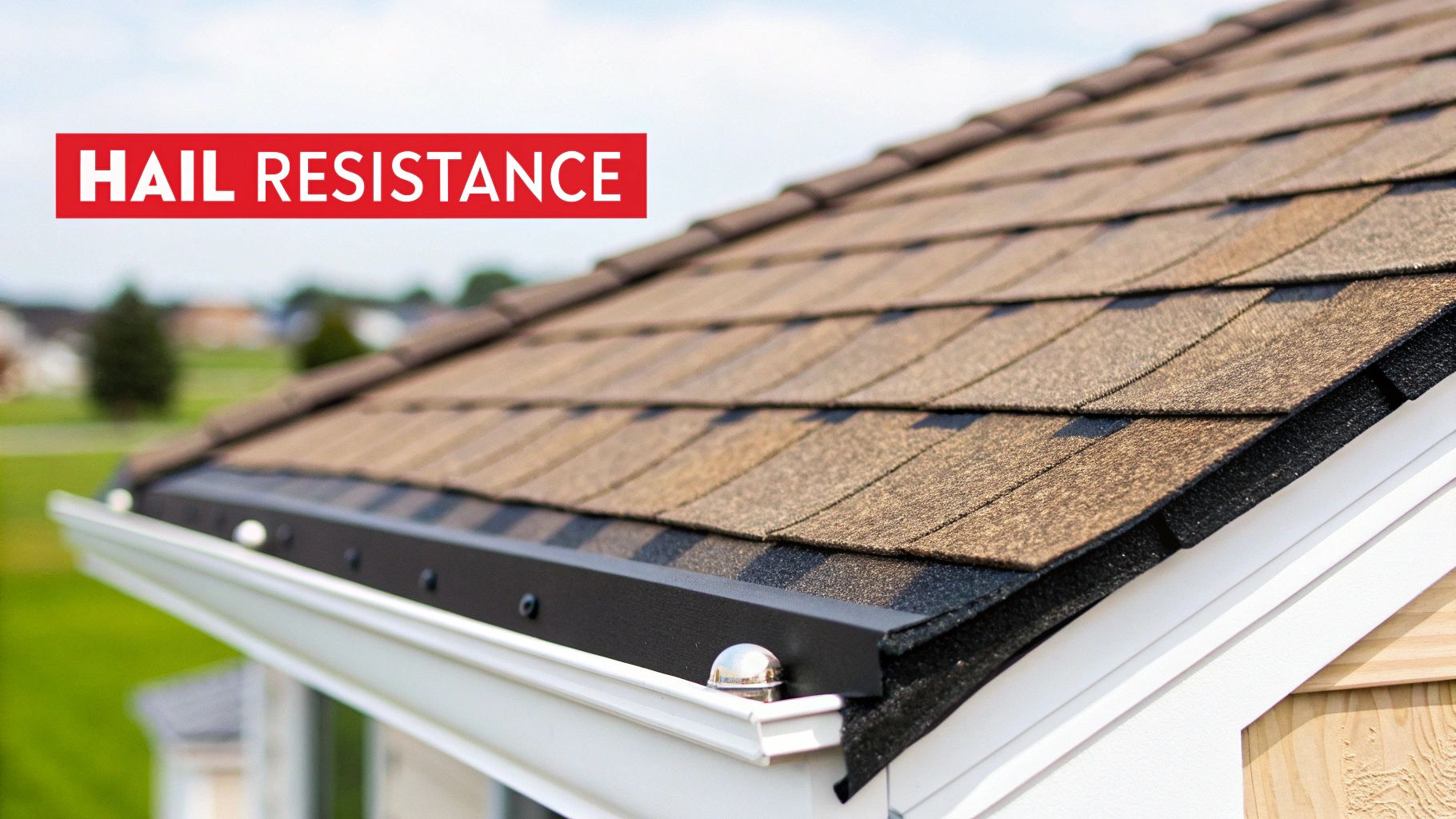
So, what’s the secret sauce that makes one roof shrug off a hailstorm while another gets shredded? It all comes down to how the material handles energy. Think of a standard asphalt shingle as being like a piece of glass—it’s rigid, and a hard, direct hit will cause it to crack and shatter.
A hail-resistant roofing system, on the other hand, is engineered more like the safety glass in your car's windshield. It's built to flex, absorb the blow, and dissipate the impact energy without failing.
This isn’t just marketing fluff; the materials themselves are fundamentally different. Many top-tier shingles have a rubberizing polymer, like styrene-butadiene-styrene (SBS), mixed right into the asphalt. This simple addition makes the shingle far more elastic and forgiving, allowing it to bounce back from hits that would otherwise leave a pockmark or a crack.
The push for tougher materials isn't surprising when you look at the numbers. Hail damage is a massive problem, causing an estimated $15 billion in insurance claims across the U.S. in 2023 alone. As a result, durable options like impact-resistant metal and synthetic polymers now make up about 30% of new roofs in storm-prone regions. You can dig deeper into these trends by checking out the full market report.
The Gold Standard: UL 2218
To stop manufacturers from just slapping a "hail-proof" sticker on their products, the industry needed a unified, unbiased way to measure toughness. That's where UL 2218 comes in.
Developed by the globally respected Underwriters Laboratories, the Standard for Impact Resistance of Prepared Roof Covering Materials is the official benchmark. It’s a brutal, straightforward test that gives homeowners a clear rating system they can actually trust.
The process is simple: technicians drop solid steel balls of different sizes from specific heights to simulate hailstones hitting the roofing material. Afterward, they inspect the material under magnification for any signs of damage—cracks, splits, or fractures.
To pass the UL 2218 test, a roofing material must show zero evidence of damage after impact. This isn't just about looking good; it's about ensuring the roof's waterproofing layer remains intact and won't suddenly spring a leak after the storm passes.
This test gives you, the homeowner, a reliable way to compare products. A UL 2218 rating isn't a guess; it's a certification that the product has been independently proven to withstand a specific level of punishment.
Demystifying the Four Impact Ratings
The UL 2218 standard isn’t just a pass/fail grade. It’s broken down into four classes, giving you a clear idea of just how much protection you're getting.
The table below breaks down what each impact class means in a real-world scenario.
| Hail Impact Resistance Classes Explained (UL 2218) | ||
|---|---|---|
| Impact Class | Steel Ball Diameter | What It Means for Your Roof |
| Class 1 | 1.25 inches | The lowest level of certified protection. Can handle small hail but may be vulnerable to more significant storms. |
| Class 2 | 1.50 inches | A step up, offering moderate resistance suitable for areas with infrequent or smaller hailstorms. |
| Class 3 | 1.75 inches | Considered a high level of protection. This is a solid choice for regions that experience moderate hail. |
| Class 4 | 2.00 inches | The toughest rating available. This material is engineered to withstand large, damaging hail—think golf ball-sized or bigger. |
For homeowners in Arizona, where hailstorms can be sudden and severe, a Class 4 rating is the gold standard. It represents the highest certified level of defense you can buy for your roof and is often the required standard in local building codes for storm-prone communities. Investing in a Class 4 roof is simply the best way to get true peace of mind.
Comparing the Best Hail Resistant Materials
Choosing the right material for a hail-resistant roof is a lot like picking the right tires for a truck. What works for a daily commute isn't what you'd want for rugged off-roading. For an Arizona homeowner, that "terrain" is a punishing mix of brutal sun, monsoon downpours, and the very real threat of damaging hail.
Each material out there brings a different blend of strength, style, and staying power to the table. Let's walk through the top contenders so you can find the perfect fit for your home, your budget, and our demanding local climate.
Impact-Resistant Asphalt Shingles
Think of standard asphalt shingles as the all-season radials of the roofing world—they’re everywhere, and they get the job done. Impact-resistant shingles, on the other hand, are the high-performance, all-terrain version. They look almost identical from the ground, but they’re built differently. Manufacturers infuse the asphalt with a special rubberizing polymer, usually styrene-butadiene-styrene (SBS).
This SBS blend gives the shingle a flexible, almost rubbery quality. When a hailstone hits, instead of shattering or cracking, the shingle absorbs the impact and bounces back. It's a simple upgrade that makes a world of difference in preventing the granule loss and bruising that destroys typical shingles.
- Best For: Homeowners who want a traditional shingle look but with certified, built-in protection.
- Key Advantage: You get a Class 4 impact rating without sacrificing the classic aesthetic that fits nearly any home style.
- Consideration: They are incredibly tough, but the most violent hailstorms might still knock some granules loose over time.
Metal Roofing Systems
If impact-resistant shingles are tough tires, a metal roof is like adding armored plating. Known for its incredible durability, metal is one of the best defenses you can get against hail. Materials like steel and aluminum can take a beating and easily earn a Class 4 rating.
Now, a really big, dense hailstone might leave a cosmetic dent on a metal panel—think of a car hood after a storm—but it's almost impossible for it to puncture the material. This means the roof’s most important job, keeping water out, remains totally secure. To learn more, you can explore the various metal roofing benefits and drawbacks in our detailed guide.
The real game-changer with metal is its longevity. While other roofs might need replacing every 20-30 years, a well-installed metal roof can easily last for 50 years or more. For many people, it's a once-in-a-lifetime investment.
Concrete and Clay Tiles
Concrete and clay tiles give a home that classic, timeless look that’s so popular in Southwestern architecture. Their sheer weight and rigidity create a powerful barrier against hail. These materials are built to last and can survive for a century or more with proper care.
However, that rigidity can sometimes be a double-edged sword. While they can easily shatter smaller hailstones on impact, a direct hit from a large, heavy stone can cause them to crack or break. That's why it’s so important to choose tiles that are specifically rated for high impact to make sure they can stand up to a real Arizona hailstorm.
Synthetic and Composite Materials
Synthetic roofing is where modern engineering meets classic style. These materials are designed to perfectly mimic the look of natural materials like slate or wood shakes but without their weaknesses. These composite products are made from advanced polymers and recycled materials.
Because they are engineered from the ground up for performance, they are lightweight, incredibly durable, and highly impact-resistant. Many synthetic options come with a Class 4 rating right out of the box and do a much better job resisting cracking and splitting than their natural counterparts. It's the ideal choice if you love a certain look but demand modern, hail-proof performance.
Analyzing the Cost and Long-Term Value
It’s easy to get sticker shock when you see the price for a hail resistant roofing system. But looking at it as just an upfront expense is the wrong way to think about it. This isn't just a purchase; it's a long-term investment in your home's integrity and your own peace of mind, especially here in Arizona where storms can roll in with little warning.
Think of it this way: you're making a strategic decision that will pay you back year after year. When you install a Class 4 roof, you're buying decades of serious durability. That means fewer frantic calls to a roofer after a storm, less time tangled up in insurance claims, and a home maintenance budget you can actually stick to.
The Upfront Cost Versus Lifetime Savings
Let's be direct: Class 4 materials like impact-resistant shingles or metal panels do cost more than the standard stuff. You might be looking at a premium of 15% to 50% or more, depending on the exact material you land on. That initial number can definitely make you pause.
But that higher price is for a reason—it’s baked into the advanced design and tougher materials that shrug off damage. A single bad hailstorm can rack up thousands in repair bills for a standard roof, completely wiping out any money you thought you saved by going with the cheaper option. A hail-resistant roof, on the other hand, is built to take a beating and keep on protecting your home.
When you pay more at the start for a durable, hail-resistant roofing system, you're essentially pre-paying for future repairs you'll probably never need. It turns an unpredictable, reactive expense into a proactive, one-time investment.
This chart gives a great visual of how the lifespans and initial costs stack up for some of the most common hail-resistant options.
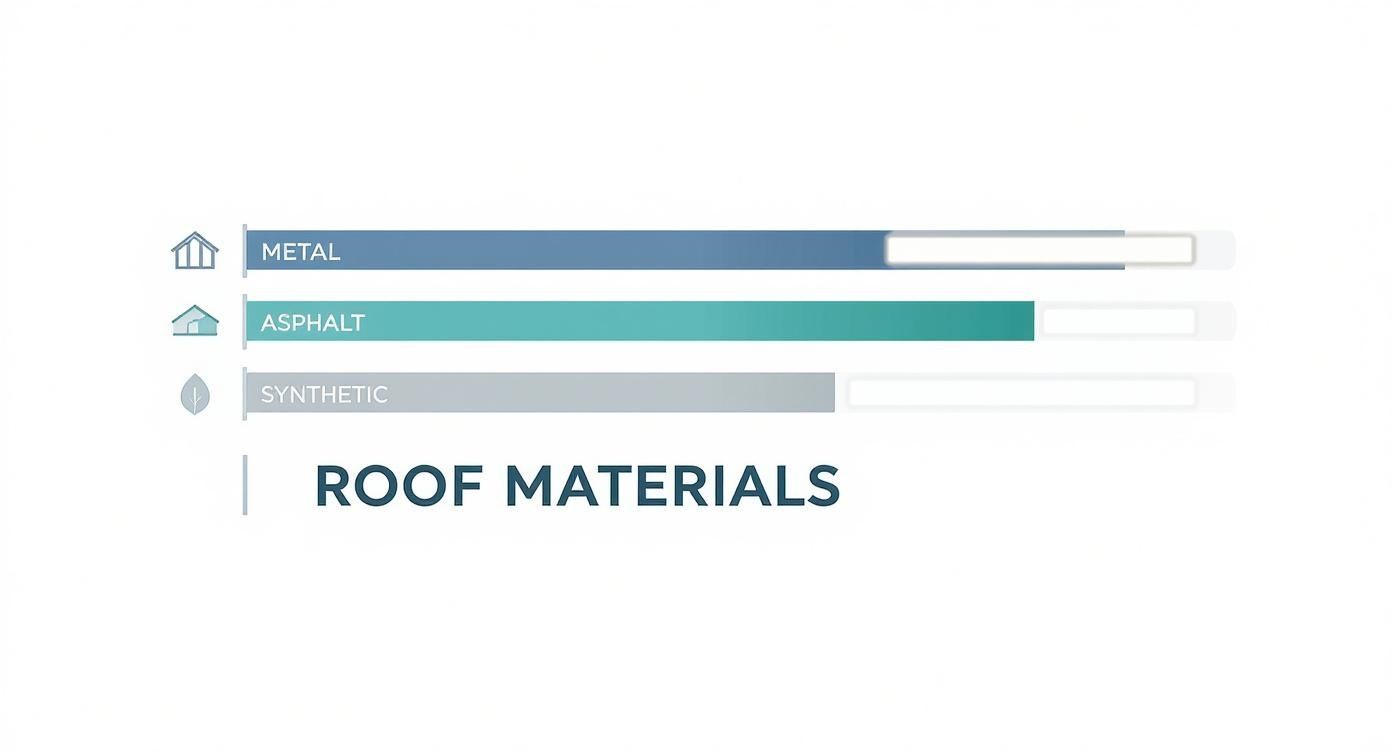
As you can see, materials like metal completely change the game with their incredible longevity, rewriting the whole long-term cost equation for homeowners.
To really break down the numbers, let's compare the most common hail-resistant materials side-by-side. This table gives you a clearer picture of not just what you'll pay now, but what you'll gain over the life of your roof.
Cost and Benefit Analysis of Roofing Materials
| Material Type | Average Upfront Cost (per sq ft) | Estimated Lifespan | Potential Insurance Discount | Long-Term Value |
|---|---|---|---|---|
| Class 4 Asphalt Shingles | $5 – $8 | 25-30 years | 10% – 20% | Good |
| Metal Roofing (Steel/Alum) | $9 – $16 | 40-70 years | 15% – 25% | Excellent |
| Concrete/Clay Tile | $12 – $25 | 50-100+ years | 15% – 25% | Excellent |
| Synthetic/Composite | $10 – $20 | 40-50 years | 10% – 20% | Very Good |
This comparison shows that while the initial spend varies, the options with higher upfront costs often deliver superior long-term financial benefits through a combination of longevity and insurance savings.
Unlocking Insurance Discounts and Higher Resale Value
Beyond just dodging repair bills, a certified hail-resistant roof comes with some direct financial wins. One of the best perks is the potential for a serious discount on your homeowner's insurance.
Many insurance companies will knock off 20% or more from your premiums if you have a Class 4 roof. From their perspective, it's simple math: these roofs mean fewer claims, and they're happy to share those savings with you. Over a decade or two, that adds up to real money that can offset a big chunk of the initial installation cost.
And when it’s time to sell, a high-performance roof is a huge asset. It gives potential buyers:
- Proven Protection: They get instant confidence that the home is ready for whatever the weather throws at it.
- Lower Ownership Costs: The promise of lower insurance bills and fewer headaches is a powerful selling point.
- Enhanced Curb Appeal: Let's face it, many hail-resistant options like standing seam metal or synthetic slate just look fantastic and give a home a premium vibe.
This powerful trio of durability, savings, and aesthetics can boost your home’s resale value, helping you get a great return on your investment.
A Closer Look at Metal Roofing Economics
Metal roofing is a perfect example of this long-term value in action. Its popularity has exploded, now accounting for 15–20% of the residential roofing market, with the highest demand right here in hail-prone areas of the U.S.
Sure, its upfront cost can be 50-100% more than asphalt, but its 40–70 year lifespan can be double or even triple that of conventional shingles. Plus, modern zinc and polymer coatings have made a huge difference, cutting down on hail-related denting by as much as 80%. You can learn more about the financial side of the growth of the metal roofing market to see why so many homeowners are making the switch.
Finding a Contractor and Ensuring Proper Installation
You can pick the toughest, most advanced hail-resistant roofing material on the market, but it won't stand a chance if it’s installed incorrectly. The real-world performance of your new Class 4 shingles or metal panels hinges just as much on the skill of the installer as it does on the product itself. A rushed or sloppy job can create vulnerabilities that completely undermine your investment when the next storm rolls through.
Proper installation is all about the details. It means using the right number and type of fasteners, getting the shingle overlap just right, and laying down a quality underlayment to serve as that crucial second line of defense against water. Get these fundamentals wrong, and your roof simply won't live up to its promise.
Hiring the Right Professional for the Job
This brings us to what might be the single most critical step: finding a qualified roofer. You need a team with hands-on, verifiable experience installing the specific material you've chosen, especially when dealing with high-performance Class 4 products. A contractor who spends all day laying standard asphalt might not know the specific techniques required for a standing seam metal roof.
When you start talking to potential roofers, don't hold back. Ask pointed, specific questions about their process and experience. The quality and confidence of their answers will tell you almost everything you need to know.
A great contractor sees an informed homeowner as an asset, not an annoyance. They should welcome your questions and be ready to show you their license, proof of insurance, and examples of their work with hail-resistant systems.
Before you sign any contracts, do your homework. A little bit of vetting now can save you from a world of financial pain and frustration later. For a complete breakdown of this process, check out our guide on how to choose a roofing contractor.
Your Contractor Vetting Checklist
Use this checklist as your guide when interviewing potential contractors. A true pro won't hesitate to provide clear answers for every single item.
- Licensing and Insurance: Get their state license number and ask for certificates of insurance covering both general liability and workers' compensation. Never, ever hire an uninsured contractor. It’s a risk you can’t afford to take.
- Experience with Class 4 Materials: Ask them directly: "How many roofs have you installed using this specific product?" Ask to see a portfolio or addresses of local projects you can drive by.
- Manufacturer Certifications: Top-tier roofers are often certified by the manufacturers whose products they install (like being GAF Certified). This means they've had specialized training and can often offer you enhanced warranties.
- A Detailed Written Estimate: Don't accept a one-line quote. A professional estimate should be a detailed document breaking down the costs of materials, labor, permits, and dumpster/cleanup fees. Anything less is a red flag.
- Workmanship Warranty: Get the details on their warranty for the installation itself. This is totally separate from the manufacturer's material warranty and covers any mistakes made during the job.
Choosing the right roofer is a huge piece of the puzzle, especially when it's part of a larger upgrade to your home. When you're weighing the costs and long-term benefits, it helps to approach it methodically, much like when planning a major home renovation project. Taking your time to find the right partner is the best way to ensure your hail-resistant roofing delivers the protection you expect for years to come.
Making the Most of Insurance, Warranties, and Maintenance
Once your new hail-resistant roofing system is installed, a couple of final steps will help you protect that investment for the long haul. A little bit of paperwork and a simple maintenance routine are all it takes to get the most out of your upgrade, especially here in the intense Arizona climate.
Your very first phone call should be to your homeowner's insurance agent. Let them know you’ve upgraded to a UL 2218 certified Class 4 roof. This is a huge deal, and it can often lead to some serious savings. Many insurance carriers offer premium discounts of up to 25% or more because a tougher roof means less risk for them. Be sure to have your roofer’s final invoice and the material warranty documents on hand to email over as proof.
Understanding Your Warranty Coverage
It's really important to know that your roof is covered by two distinct warranties, and they handle completely different things. Getting them mixed up can cause some real frustration if an issue ever pops up.
-
Manufacturer's Warranty: This comes directly from the company that made the roofing material. It covers defects in the product itself—things like shingles that fail way too early or lose their granules because of a flaw at the factory.
-
Contractor's Workmanship Warranty: Your roofer provides this one, and it covers the quality of the actual installation. If you get a leak because a shingle wasn't nailed down right or the flashing around your chimney wasn't sealed properly, this is the warranty that has your back.
Think of it like this: the car company guarantees the engine won't fail, but your mechanic guarantees they installed it correctly. You need both for peace of mind on the road, just like you need both for a secure roof over your head.
A Simple Maintenance Checklist for Arizona Homeowners
Even the toughest roof needs a little TLC to perform its best. A bit of proactive care, particularly after our wild monsoon storms, can make all the difference. This quick checklist will help keep your roof in prime condition.
-
Look Things Over After a Storm: Once a big wind or hailstorm passes, take a walk around your house. You're just looking for obvious issues from the ground. While a Class 4 roof is built to prevent functional failure, knowing how to spot hail damage on a roof helps you catch cosmetic dings early on.
-
Keep It Clean: In Arizona, this usually means getting fallen palm fronds or debris from palo verde trees off the roof and out of the gutters. Piled-up debris can trap moisture and cause water to back up where it shouldn't.
-
Check the Seals: At least once a year, take a peek at the sealant around vents, pipes, and skylights. The Arizona sun is absolutely brutal on these materials, causing them to dry out and crack over time. Spotting a small crack is a simple fix; ignoring it can lead to a big leak.
-
Get a Professional Tune-Up: Every few years, it's a smart move to have a professional roofer come out for a full inspection. They have the training to spot the subtle signs of wear and tear that you'd never see from the ground, ensuring your roof continues to be a reliable shield for your home.
Frequently Asked Questions About Hail Resistant Roofing
Is a Class 4 roof really worth the extra cost?
Absolutely. While the upfront cost is higher, a Class 4 roof is a long-term investment that pays for itself. You save money through significantly reduced repair costs, a longer roof lifespan, increased home resale value, and potential annual discounts on your homeowner's insurance premiums.
Will a metal roof be noisy when it hails or rains?
This is a common myth. Modern metal roofing systems are installed over a solid substrate or underlayment, which provides excellent sound insulation. When properly installed, a metal roof is no louder during a rain or hailstorm than an asphalt shingle roof.
How long does a hail-resistant roof last?
The lifespan depends on the material. Class 4 asphalt shingles typically last 25-30 years. Metal roofing can last from 40 to 70 years, while high-quality tile and synthetic options can last 50 years or even longer.
Can any roofer install a Class 4 roofing system?
Not necessarily. Installing high-performance materials like impact-resistant shingles or metal roofing often requires specific techniques and manufacturer training. It is crucial to hire a licensed, insured contractor with proven experience and certifications for the specific material you choose to ensure the warranty is valid and the roof performs as expected.
Will I automatically get an insurance discount with a Class 4 roof?
While most major insurance carriers offer substantial discounts (often 15-25%) for installing a certified UL 2218 Class 4 roof, policies vary. You should contact your insurance agent before installation to confirm the specific discount you will receive and what documentation (like the final invoice and product warranty) they require.