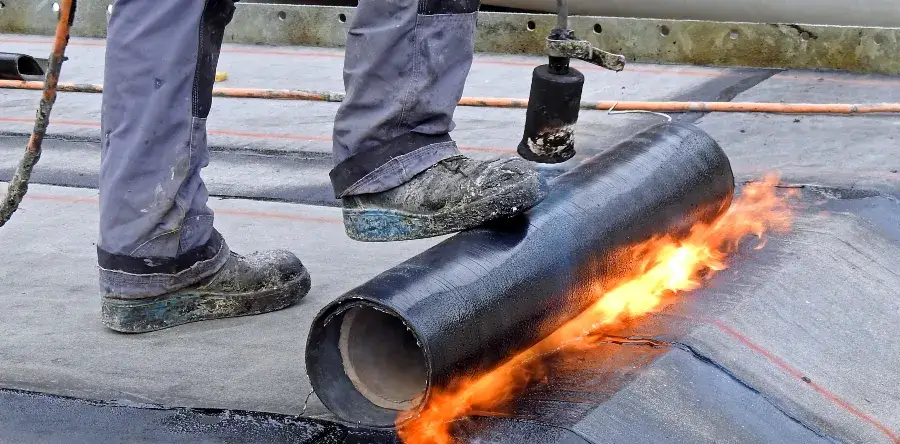

A lot of Arizona property owners start in the same place. The flat roof looks mostly fine from the ground, but the warning signs keep stacking up: a hotter house in the afternoon, staining near a scupper, cracked coating around penetrations, or a leak that only shows up after a monsoon cell rolls through Phoenix, Mesa, or Tucson.
That is usually when the main question shows up. Not just how to patch the roof, but what the best roof material for flat roof is in Arizona when the roof has to survive brutal UV, long heat runs, sudden rain, and nonstop expansion and contraction.
The right answer is not the same for every building. A restaurant with rooftop equipment has different needs than a low-slope home in Scottsdale. A warehouse in Chandler does not face the same traffic and drainage issues as a multifamily property in Tempe. Material choice affects not only leak resistance, but also cooling demand, maintenance burden, and how soon the owner ends up paying for major work again.
Table of Contents
- Your Flat Roof vs The Arizona Sun
- Understanding Flat Roof System Categories
- Side-by-Side Comparison of Modern Flat Roof Membranes
- Evaluating Traditional and Specialized Flat Roof Options
- The Role of Coatings for Roof Performance and Longevity
- Final Recommendations for Your Arizona Property
- Frequently Asked Questions About Arizona Flat Roofs
Your Flat Roof vs The Arizona Sun
Arizona is hard on flat roofs in ways that owners feel every month. Summer heat pounds the membrane for hours at a time. UV exposure dries out weak surfaces. Then monsoon storms hit fast, pushing water toward every seam, drain, curb, and patch.
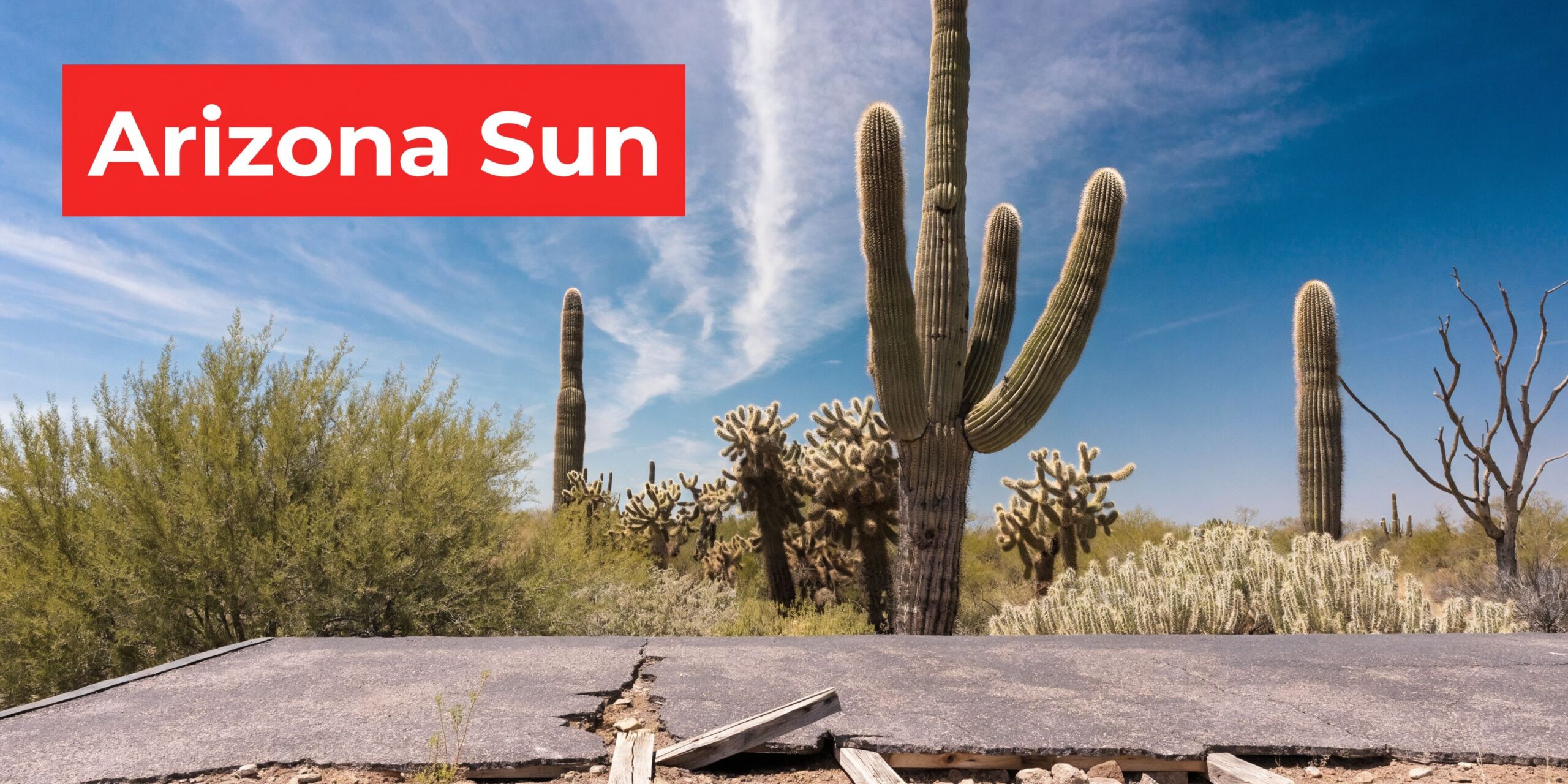
That combination creates a different decision process than it does in milder climates. The cheapest material on day one can become the expensive choice if it traps heat, cracks early, or needs repeated repairs around roof penetrations. The wrong system also makes indoor comfort harder to control, especially in Phoenix and other hot inland markets.
A flat roof in Arizona has to do four jobs well:
- Reject heat when possible: Reflective surfaces matter because cooling load is a major operating cost.
- Keep seams and flashing details tight: Most low-slope leaks start where field material transitions to edges, drains, or equipment.
- Handle thermal shock: Roof surfaces heat up quickly and cool down fast after storms or sunset.
- Stay repairable over time: A roof that cannot be maintained cleanly becomes a recurring service call.
For readers looking at broader material performance in extreme heat, this guide on https://arizonaroofers.com/roofing/best-roofing-material-for-arizona-heat/ adds useful context on how Arizona conditions change roofing decisions.
A flat roof in Arizona is not just a waterproofing layer. It is part of the building’s thermal control system.
The practical goal is long-term ownership value. That means weighing lifespan, cooling performance, installation method, repairability, and how the roof behaves after years of sun exposure. Some systems do that better than others.
Understanding Flat Roof System Categories
Most flat roof materials fall into three groups. Understanding the category first makes product decisions much easier.
Single-ply membranes
Single-ply roofs are factory-made sheets installed across the roof field and sealed at overlaps and details. TPO, PVC, and EPDM all fall into this category.
Their main advantage is consistency. The membrane thickness is controlled at the factory, not built layer by layer on the roof. Installation can move faster, and repair work is usually straightforward when the system is still in sound condition.
In Arizona, single-ply systems tend to appeal to owners who want cleaner installations, easier leak tracing, and modern reflective options. They are especially strong when the roof has many curbs, pipes, HVAC supports, and transitions that need repeatable flashing details.
Asphaltic systems
Asphalt-based flat roofs include built-up roofing and modified bitumen. These systems have been used for years because they create rugged waterproof assemblies and can perform well in demanding service conditions.
They are not always the first recommendation for Arizona heat, especially when a dark surface is left exposed. Still, they remain useful in the right application. Some owners prefer them where foot traffic is frequent or where an older building already has a compatible assembly.
The trade-off is that asphaltic systems can run hotter, and the quality of laps, flashings, and surfacing matters a lot. They also depend heavily on installation discipline.
Liquid-applied systems and coatings
Liquid-applied systems cure in place and form a continuous surface over the substrate. Some are used as restoration systems. Others are applied over spray foam. Their biggest strength is that they create a seamless field surface on roofs with awkward geometry.
These systems can make sense when tear-off is not the first choice, or when the owner wants to extend service life on a roof that is still structurally sound. In Arizona, reflective coatings also play a major role in reducing surface heat on darker roof systems.
The category matters because each group fails differently. Membrane roofs usually fail at seams or details. Asphalt systems often show wear through surface breakdown or lap issues. Liquid systems depend heavily on substrate prep and ongoing coating condition.
A simple way to sort the options is this:
| Category | How it is built | Main strength | Main caution |
|---|---|---|---|
| Single-ply | Large manufactured sheets | Efficient installation and easier detailing | Seams and puncture protection still matter |
| Asphaltic | Layered field-built assembly | Tough surface and familiar methods | Heat gain can be a problem |
| Liquid-applied | Applied as a fluid, cures in place | Seamless coverage on complex roofs | Prep quality decides performance |
Once the category is clear, the next step is comparing the membranes that dominate most modern low-slope roof conversations in Arizona.
Side-by-Side Comparison of Modern Flat Roof Membranes
Single-ply membranes dominate modern flat roofing for a reason. Since the early 2000s, single-ply thermoplastic membranes, particularly TPO and PVC, have overtaken traditional asphalt-based systems as the dominant commercial flat-roof materials in North America, and in hot markets such as Phoenix, white TPO or PVC roofs can reduce peak cooling loads by 10–25% compared with black BUR or standard asphalt systems according to https://www.theflatroofspecialists.com/blog/what-is-the-best-material-for-a-flat-roof/.
That trend matches what Arizona building owners care about most. Heat control, durable seams, faster dry-in, and lower long-term maintenance all matter more here than generic product brochures suggest.
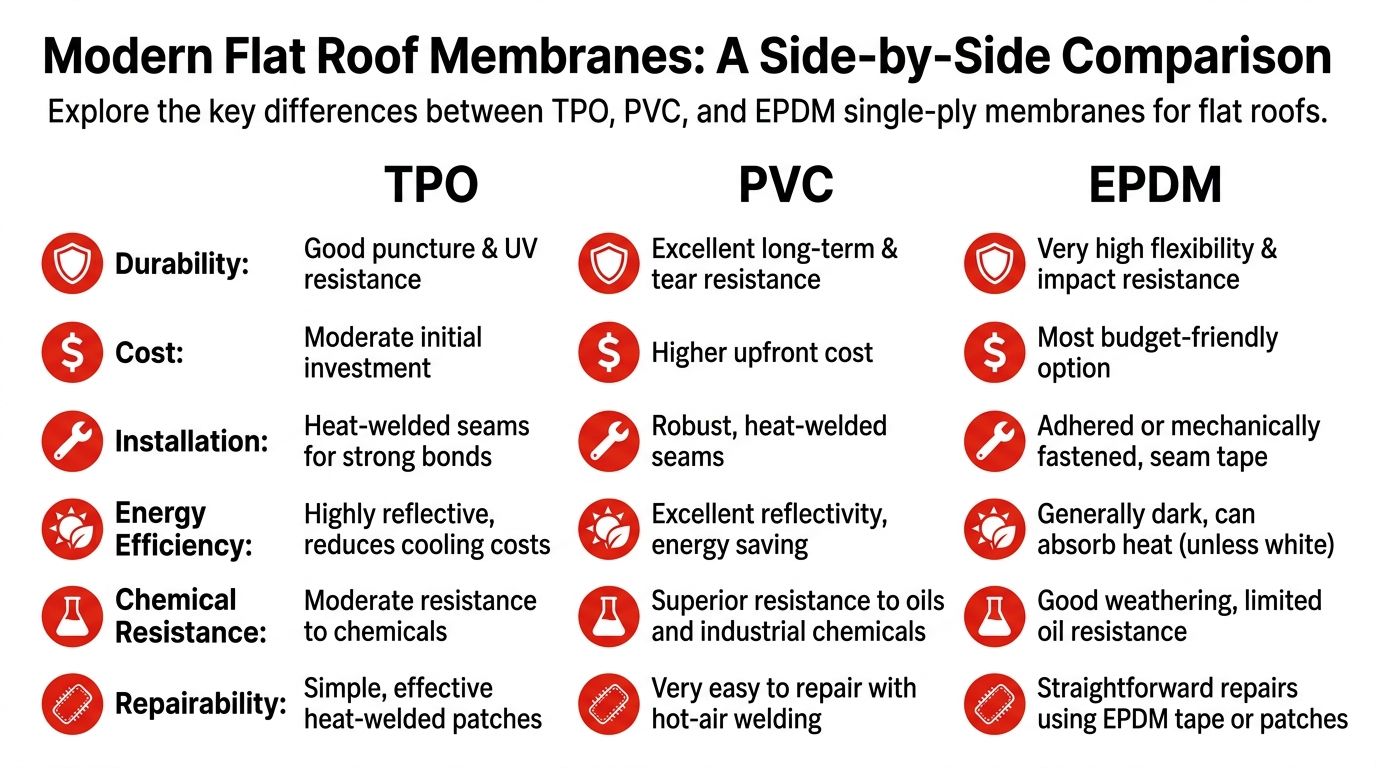
For a closer look at membrane assemblies and installation options, this resource on https://arizonaroofers.com/arizona-single-ply-roofing-systems/ is useful when comparing system design, attachment method, and detail work.
Flat Roof Material Comparison for Arizona
| Material | Arizona Lifespan | Cost per Sq. Ft. | Heat Reflectivity | Best Use Case |
|---|---|---|---|---|
| TPO | 25-30 years (https://cmbroof.com/flat-roofing-materials/) | $4-$14 (https://cmbroof.com/flat-roofing-materials/) | High on white and light-colored membranes | Homes and commercial buildings focused on energy savings and balanced cost |
| PVC | 30-40 years (https://getroofsmart.com/blog/flat-roof-types-pros-cons-cost) | $12+ (https://getroofsmart.com/blog/flat-roof-types-pros-cons-cost) | High on reflective membranes | Commercial roofs with grease, chemicals, or many penetrations |
| EPDM | Serviceable beyond 30 years in many field surveys, with many maintained systems performing after 40+ years (https://www.americanweatherstar.com/flat-roof-materials-which-perform-best/) | Cost varies by system and project conditions | Usually lower on black membranes | Owners prioritizing a long-proven membrane and strong flexibility |
TPO for heat control and value
TPO is often the first material discussed when an owner wants the best roof material for flat roof performance in Arizona without moving into the highest price tier. It is reflective, heat-weldable, and widely used.
The key strength is thermal performance. In Arizona’s extreme heat, white or light-colored TPO rejects solar radiation instead of absorbing it. That matters on buildings that struggle with afternoon heat gain or high cooling demand. TPO is also documented with 25-30 year lifespans at $4-$14 per square foot in Arizona-oriented material guidance at https://cmbroof.com/flat-roofing-materials/.
TPO also suits a broad range of buildings:
- Residential low-slope sections: garages, patio covers, additions, and contemporary homes
- Commercial properties: offices, retail, multifamily, and warehouse roofs
- Re-roof projects: where energy savings and manageable upfront cost both matter
Its real-world trade-offs should not be ignored.
- Installation quality is everything: Heat-welded seams are a major advantage, but only when welds are consistent.
- Puncture protection still matters: Rooftop traffic, dropped tools, and unsupported equipment can damage any single-ply membrane.
- Detailing decides lifespan: Corners, drains, scuppers, and terminations matter more than the field sheet alone.
TPO is often the most balanced answer when the owner wants reflective performance, modern seams, and a cost range that stays realistic.
PVC for demanding commercial conditions
PVC is the premium single-ply option in many Arizona commercial applications. It is not always necessary, but where it fits, it fits extremely well.
Its biggest advantage is seam security combined with chemical resistance. PVC uses heat-welded seams like TPO, but it has a strong reputation on roofs exposed to oils, grease, or chemical discharge. That matters on restaurants, industrial facilities, and buildings with heavy rooftop mechanical systems.
PVC also brings verified durability. Arizona-focused roofing guidance lists 30-40 year lifespan performance and $12+ per square foot installed cost at https://getroofsmart.com/blog/flat-roof-types-pros-cons-cost.
Where PVC often wins:
- Restaurants and food-related buildings: grease exposure can shorten the life of less suitable materials
- Industrial sites: where rooftop discharge or chemical contact is a concern
- Complex commercial roofs: many penetrations, curbs, and service paths benefit from strong welded detailing
Where owners hesitate is easy to understand. The upfront cost is higher, and not every building needs its chemical resistance. On a simple low-slope home or a straightforward office building, PVC may be more roof than the project requires.
Still, on a roof where failure around penetrations would be costly, or where rooftop operations are hard on materials, PVC often earns its premium.
EPDM for proven service life
EPDM remains relevant because long-term service records matter. It has been used since the late 1970s and continues to hold a meaningful place in the market.
Industry and manufacturer data compiled in the field show that EPDM roofs commonly remain serviceable beyond 30 years, many well-maintained systems continue after 40+ years, and EPDM still represented roughly 15–20% of the North American low-slope roofing market as of 2020 at https://www.americanweatherstar.com/flat-roof-materials-which-perform-best/.
That track record is why EPDM still shows up in serious flat roof conversations. It is flexible, proven, and familiar to many crews. It can also deliver long-term value when maintained correctly.
But Arizona changes the conversation.
Black EPDM absorbs more heat than reflective TPO or PVC. On desert buildings, that can work against cooling efficiency unless the system is protected with a reflective strategy such as ballast or coating. Owners choosing EPDM in Arizona should think carefully about surface temperature, not just membrane longevity.
EPDM tends to make the most sense when these points line up:
- Proven performance matters more than reflectivity
- The owner is planning a coating strategy
- The building is in a use case where membrane flexibility is valued
EPDM is not outdated. It is less automatic in Arizona because reflectivity carries more weight here than it does in cooler climates.
For many desert properties, the decision often narrows to this:
- Choose TPO when balanced cost, reflectivity, and broad suitability matter most.
- Choose PVC when the roof faces grease, chemicals, or hard commercial use.
- Choose EPDM when proven longevity and flexibility are priorities, especially if a reflective coating plan is part of the system.
Evaluating Traditional and Specialized Flat Roof Options
Not every flat roof should default to a membrane. Older buildings, high-traffic roofs, and unusual layouts can call for other systems.
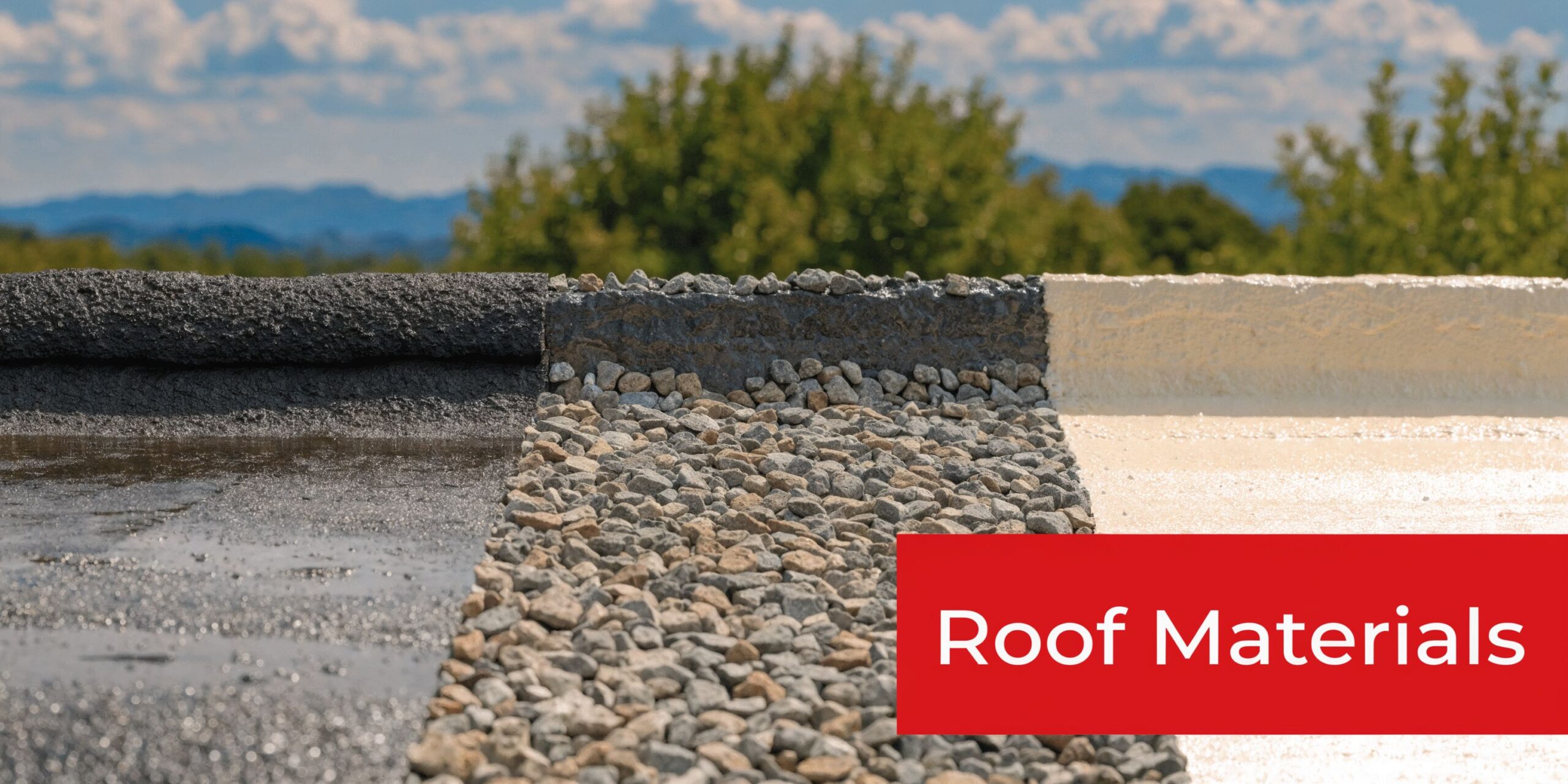
Modified bitumen where toughness matters
Modified bitumen still earns consideration on roofs that take abuse. Service contractors walking paths daily, maintenance staff moving equipment, or buildings with frequent roof access can all push an owner toward a tougher surface assembly.
Its appeal is practical. It feels substantial underfoot, repairs are familiar to many crews, and it can be a workable fit when the roof already has an asphaltic history. The trade-off is heat. In Arizona, a dark modified bitumen roof can run hot unless the surface is treated with a reflective coating or cap sheet solution.
This is usually a niche choice, not the default best roof material for flat roof replacements in Phoenix or Tucson. It can still be a smart choice where durability under traffic matters more than maximum reflectivity.
Built-up roofing for older assemblies and specific priorities
Built-up roofing still appears on older commercial properties across Arizona. Gravel-surfaced assemblies can offer redundancy through multiple layers, and some owners prefer that traditional build-up.
The downsides are just as real. BUR is heavier, messier to install, and less attractive to owners trying to cut cooling demand. It also becomes harder to justify when a reflective membrane can offer cleaner installation and easier seam evaluation.
That does not mean BUR has no place. On certain existing buildings, especially where structural and historical assembly choices shape the reroof plan, it may remain part of the discussion. But for many modern replacements, it loses ground to single-ply systems because those systems simplify detailing and lower heat gain.
A related issue appears on aging outbuildings and industrial structures. Owners sometimes discover legacy materials that need special handling before reroofing can even begin. In those situations, information on corrugated asbestos roofing can help clarify why inspection and regulated removal matter before any new system goes down.
Spray foam for insulation and irregular roof layouts
Spray polyurethane foam deserves serious attention in Arizona. It creates a seamless insulation layer, works well on irregular roof shapes, and can be coated for UV protection and waterproofing.
Its biggest advantage is that it addresses both water control and insulation in one assembly. That can be valuable on buildings where the existing roof has awkward geometry, many penetrations, or limited drainage options that make sheet layout more complicated.
Its main caution is maintenance discipline. Foam must be protected by a coating system, and that coating has to be monitored and renewed as needed. Owners who treat spray foam as a one-time install and then ignore the coating can shorten the roof’s useful life.
A quick way to think about these specialized options:
- Modified bitumen: good for traffic-heavy roofs
- BUR: more common in legacy systems than in ideal modern replacements
- Spray foam: strong choice for insulation and complex roof geometry
These systems are not wrong. They are more dependent on the building’s exact needs than TPO, PVC, or EPDM.
The Role of Coatings for Roof Performance and Longevity
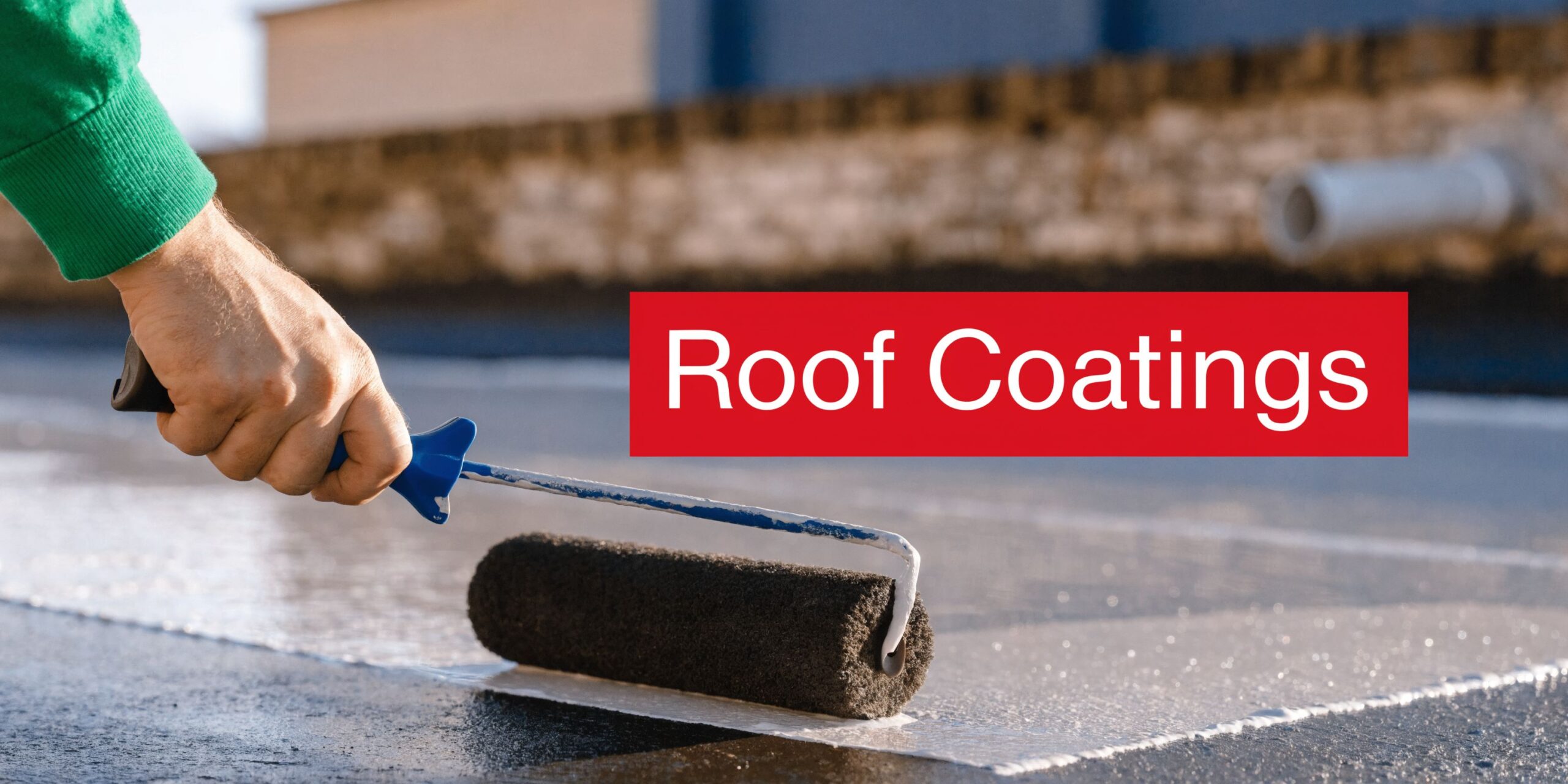
A coating is not just a patch strategy. In Arizona, it can be one of the smartest ways to improve roof performance without full replacement.
When a coating makes financial sense
Coatings matter most when the underlying roof is still a viable candidate for restoration. If the insulation is saturated, the deck is compromised, or failures are widespread, a coating will not solve the problem. But when the roof is sound, a reflective coating can do important work.
It can help by:
- Lowering surface heat: This reduces thermal stress on the roof assembly.
- Extending service life: The coating becomes the sacrificial layer facing UV exposure.
- Improving building efficiency: Reflective surfaces support lower cooling demand on heat-sensitive properties.
- Delaying replacement: That can help owners phase capital spending more intelligently.
This is especially relevant on darker roofs such as aged EPDM or modified bitumen. A reflective coating can change the ownership math by reducing heat absorption and slowing visible weathering.
For readers comparing coating types and where they fit, https://arizonaroofers.com/roofing/what-is-an-elastomeric-roof-coating/ gives a practical overview of elastomeric systems and restoration logic.
A coating works best when it is part of a maintenance plan, not a last-minute reaction to an active leak.
Choosing the right coating type
Not all coatings behave the same way.
Acrylic coatings are often chosen for reflectivity and cost-conscious restoration plans. They can perform well in the right conditions, but application timing and substrate compatibility matter.
Silicone coatings are often selected where standing water is a concern. They hold up well in demanding moisture conditions, though cleanliness and adhesion prep are critical.
Other specialty coatings can fit specific substrates or performance goals, but the principle stays the same. Prep work decides results. A roof must be clean, dry, and properly repaired before coating begins. Seams, penetrations, and flashing details should be addressed first. A bright white coating over unresolved detail failure is not a roof strategy.
For owners trying to maximize long-term value, coatings are often the bridge between emergency patching and full replacement. Used correctly, they are a practical tool, not cosmetic paint.
Final Recommendations for Your Arizona Property
The best roof material for flat roof projects in Arizona depends on building use, expected ownership horizon, and how much value the owner places on heat control versus upfront cost.
Best fit for many homes
For many residential flat or low-slope sections in Phoenix, Scottsdale, Mesa, and surrounding cities, TPO is the cleanest recommendation. Arizona-focused material guidance lists 25-30 year lifespans at $4-$14 per square foot, and it highlights TPO’s reflective surface as a strong fit for markets where temperatures exceed 110°F at https://cmbroof.com/flat-roofing-materials/.
That combination matters on homes because owners usually want three things at once. Lower cooling strain, a modern waterproofing system, and a price point that does not jump straight into premium commercial territory.
TPO is often the practical middle ground.
Top choice for many commercial roofs
Commercial buildings require a stricter filter. Roof traffic, penetrations, discharge exposure, and maintenance activity all push the system harder than a typical house.
That is where PVC often separates itself. For restaurants, facilities with rooftop exhaust, and buildings where chemical exposure is a real issue, the higher upfront spend can make sense over time. On more standard office, retail, and multifamily roofs, TPO remains very competitive.
For owners who want a project-specific recommendation rather than a generic answer, Arizona Roofers handles inspections, repairs, replacements, and flat-roof system selection across major Arizona markets.
Best long-term value depends on building use
Long-term value is not always the cheapest install. It is the roof that best fits the building’s operating reality.
Use this framework:
- Choose TPO when reflectivity, cost control, and broad versatility are top priorities.
- Choose PVC when rooftop conditions are harsh enough to justify a premium membrane.
- Choose EPDM when a proven long-life membrane fits the project and a reflective strategy is part of the plan.
- Choose spray foam or coatings when insulation gain, restoration potential, or roof geometry makes them the stronger ownership play.
Cooling performance should also be viewed as part of the whole building. Property owners looking to reduce operating costs can pair roofing improvements with practical HVAC habits, and this guide on saving money with AC energy efficiency tips gives a useful homeowner-level checklist.
The biggest mistake is choosing by material name alone. In Arizona, installation quality, drainage layout, flashing details, and maintenance access matter just as much as the membrane itself. The right roof on the wrong assembly still becomes a problem roof.
Frequently Asked Questions About Arizona Flat Roofs
Can a new flat roof go over the existing roof?
Sometimes, yes. The decision depends on moisture in the current system, deck condition, code limits, and how the existing roof is attached. If trapped water or unstable substrate exists below, overlaying usually creates a bigger problem later.
Which warranty matters more, manufacturer or workmanship?
Both matter, but they cover different risks. Manufacturer coverage addresses the roofing product under its terms. Workmanship coverage addresses installation-related issues. On flat roofs, poor detail work at drains, curbs, seams, and penetrations can undo a good product quickly, so workmanship coverage deserves close attention.
Is PVC worth the extra cost in Arizona?
For the right building, yes. Arizona-focused roofing guidance notes that PVC offers 30-40 year lifespan performance, heat-welded seams, superior chemical resistance, and pricing at $12+ per square foot, making it a premium option that fits harsh UV conditions well at https://getroofsmart.com/blog/flat-roof-types-pros-cons-cost.
What maintenance matters most on a flat roof?
The basics prevent many expensive failures:
- Keep drains and scuppers clear: Water must leave the roof quickly during storms.
- Inspect penetrations: Pipes, curbs, and equipment supports are common leak points.
- Watch coating condition: A worn protective surface should be renewed before substrate damage starts.
- Limit uncontrolled traffic: Foot traffic causes punctures, crushed insulation, and flashing damage.
How often should a flat roof be inspected in Arizona?
At minimum, after major monsoon activity and whenever interior leak signs appear. Older roofs, high-traffic roofs, and buildings with lots of rooftop equipment usually benefit from a more consistent maintenance schedule.
Arizona property owners who want a clear recommendation instead of a sales pitch can schedule a free roof inspection with Arizona Roofers. For flat roof repair, replacement, coatings, or a second opinion on the best material for a home or commercial building in Phoenix, Scottsdale, Mesa, Tucson, Chandler, or nearby areas, call (480) 531-6383.