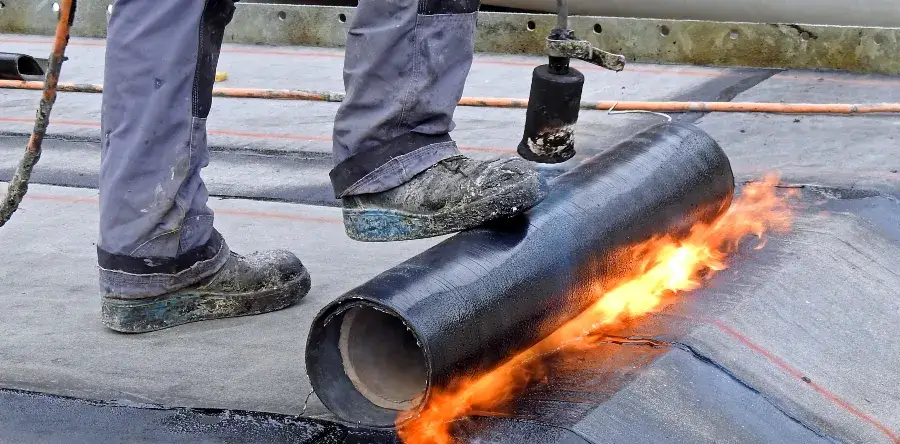

A lot of Arizona homeowners arrive at the same point for the same reason. Summer bills climb, the roof is aging, and the house still needs to look right from the street. That matters in Phoenix, Scottsdale, Tucson, Mesa, and Chandler, where tile roofs, HOA rules, and strong sun all shape the decision.
Solar roof tiles sit in the middle of that conversation. They don't just add solar to a house. They turn part of the roof itself into the solar system. For the right home, that changes the usual trade-off between curb appeal and power production.
They're not the right fit for every property. They cost more than standard rooftop solar, installation takes more planning, and Arizona roof geometry can make the job more technical than many national guides admit. But for homeowners already thinking about a re-roof, or for those who want a cleaner look than rack-mounted panels, solar roof tiles deserve a serious look.
Table of Contents
- The Future of Roofing in the Grand Canyon State
- What Are Solar Roof Tiles and How Do They Work
- Solar Tiles vs Traditional Solar Panels
- Analyzing Costs ROI and Arizona Incentives
- Performance and Durability in Arizona's Climate
- The Installation and Maintenance Process
- Your Arizona Action Plan for Solar Roofing
The Future of Roofing in the Grand Canyon State
Arizona homeowners don't need convincing that the sun is an asset. The challenge is putting that sun to work without turning the roof into an afterthought. That's why solar roof tiles are getting attention. They offer a way to build energy production into the roofline instead of mounting it above the roofline.
This category is growing well beyond a niche product. The global solar roof tiles market was valued at approximately USD 3.6 billion in 2024 and is projected to reach USD 9.7 billion by 2034, with a 10.5% CAGR, according to Zion Market Research's solar roof tiles market report. That growth is tied to government incentives and a wider push for on-site renewable energy generation.
For Arizona, that trend makes practical sense. Homes in sun-heavy markets often benefit most from technologies that combine weather protection and energy production in one system. A roof already takes the full hit from desert sun, so using that same surface to produce electricity is a logical upgrade when the house and budget support it.
Why Arizona homeowners are paying attention
Some roofs in Arizona are highly visible from the street. Many homes also use clay or concrete tile profiles that define the house's architecture. A standard solar array can still work well, but it changes the visual character of the roof.
Solar roof tiles appeal to homeowners who want three things at once:
- A finished look: The system sits within the roof design instead of above it.
- A re-roof and solar project combined: One project can address both needs.
- A better fit for design-sensitive neighborhoods: Appearance matters more in some communities than it does in others.
Solar roof tiles make the most sense when the roof itself is part of the long-term plan, not just the platform for a solar add-on.
That doesn't make them automatic. It makes them worth evaluating with local conditions in mind.
What Are Solar Roof Tiles and How Do They Work
Solar roof tiles are building-integrated photovoltaics, often shortened to BIPV. In plain language, that means the solar component is built into the roof material rather than bolted on top of it. Each active tile acts like a small section of roofing and a small power generator at the same time.
A roof surface that also makes power
A solar roof tile system usually mixes two roof elements. One group of tiles actively generates electricity. The other group fills in the remaining roof area with matching non-generating tiles so the roof looks consistent and stays weather-tight.
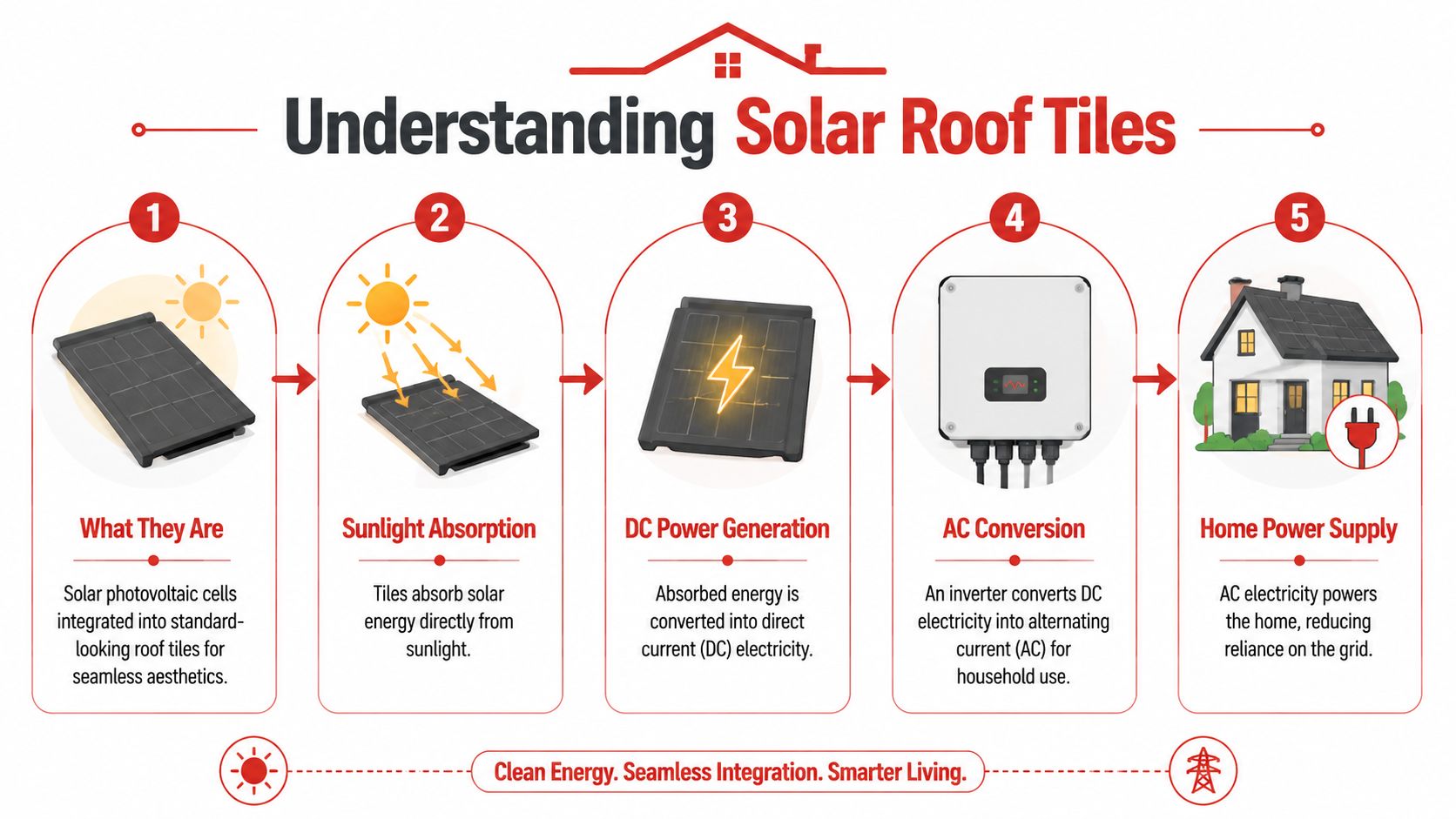
Most current systems use monocrystalline or polycrystalline silicon cells. According to SolarTech Online's guide to solar roof tiles, solar roof tiles achieve 17% to 23% efficiency, produce 12.8 to 16.1 watts per square foot, and premium products can deliver 63 to 67 watts per tile while maintaining a Class A fire rating and 110 mph wind resistance.
Those numbers matter because they help answer the usual homeowner question. Can a roof tile really make meaningful power? The answer is yes, as long as the roof has enough usable sun-facing area and the system is designed around the home's actual energy profile.
What happens after sunlight hits the tile
The process is straightforward.
Sunlight hits the photovoltaic cell.
The semiconductor material inside the tile absorbs light.The tile produces direct current power.
That electricity moves through integrated wiring under the roof surface.The system routes power to the inverter.
The inverter changes direct current into alternating current for household use.The home uses that electricity first.
That can reduce how much power the house pulls from the grid.The roof still performs like a roof.
The tile system still has to shed water, handle heat, and resist wind.
Practical rule: A solar roof tile system isn't just an electrical purchase. It's also a roofing purchase. Both parts have to be designed correctly.
That's where many online explanations fall short. They explain the solar side but barely mention the roofing side. In Arizona, the roofing side matters just as much.
Solar Tiles vs Traditional Solar Panels
Deciding whether to go solar is rarely the core challenge. Instead, homeowners must choose between integrated solar roof tiles or a traditional rooftop panel system. Both can produce power. They just solve the problem differently.
Where solar roof tiles clearly win
The biggest advantage is visual integration. Solar roof tiles sit within the roof system, so the house keeps a cleaner profile. That matters on Spanish, Mission, and other tile-heavy Arizona home styles where the roof carries a lot of the home's curb appeal.
Newer designs also push that advantage further. As noted in this report on emerging invisible solar tile designs, some solar tiles mimic traditional materials such as terracotta, which fits heritage-style homes well. That kind of design can be especially attractive in neighborhoods where homeowners want solar without a visibly added system.
For homeowners planning a full roof replacement anyway, tiles can also simplify the design vision. Instead of paying for one roofing look and then covering part of it with raised modules, the roof itself becomes the solar system.
A relevant example for homeowners comparing integrated options is American solar roofing in Arizona, where the decision often comes down to aesthetics, reroof timing, and how much roof area is usable.
Where traditional panels still have the edge
Traditional panels usually win on pure financial efficiency. They're a more established format, easier to retrofit onto an existing roof, and often make more sense when the current roof still has plenty of life left.
That's the main trade-off with solar roof tiles. The same New Atlas report on invisible solar tile development notes that their ROI can lag traditional panels by 15% to 20% because of higher upfront costs.
Here's the comparison most Arizona homeowners need:
| Feature | Solar Roof Tiles | Traditional Solar Panels |
|---|---|---|
| Appearance | Built into the roof surface | Mounted above the roof |
| Best timing | Best for new roofs or full replacements | Best for retrofit projects |
| Architecture fit | Strong fit for design-sensitive homes | More visible from the street |
| Project complexity | Roofing and electrical integration required | Primarily solar installation over existing roof |
| Financial profile | Higher upfront cost, cleaner look | Stronger ROI in many cases |
| Repair access | More integrated, so planning matters | Components are usually easier to access |
The wrong comparison is tile versus panel alone. The better comparison is tile roof plus integrated solar versus standard roof plus mounted solar.
That distinction changes the math for homeowners who already need to replace the roof. It doesn't erase the premium, but it puts the premium in the right context.
Analyzing Costs ROI and Arizona Incentives
Solar roof tiles are a premium option. That should be said clearly up front. The question isn't whether they cost more. They do. The useful question is whether the extra cost lines up with the homeowner's roof condition, design priorities, and long-term plans.
What the investment looks like
According to Solar Citizens' history and cost overview of solar shingles, a full solar roof tile installation typically costs $15 to $35 per square foot. The same source notes that solar shingles are generally 15% to 25% more expensive than traditional panels, while the federal Residential Clean Energy Credit provides a 30% tax rebate through 2032, then drops to 26% in 2033 and 22% in 2034.

That makes cost framing important. A homeowner who only wants the lowest-cost path to solar will usually lean toward standard panels. A homeowner who already faces a re-roof decision is comparing a different package.
For a useful baseline on the roofing side alone, this overview of average roof replacement costs helps homeowners understand what a standard reroof can cost before solar is added to the conversation.
How to think about payback in Arizona
The same Solar Citizens cost guide places the average payback period at 8 to 12 years, with a potential ROI of 50% to 80% over a 25 to 30 year lifespan. Those figures are broad, but they help establish the right mindset. Solar roof tiles are not a quick-flip product. They're a long-hold roofing and energy asset.
Arizona strengthens the case in a qualitative way, even without adding new local numbers. Homes in Phoenix, Scottsdale, Mesa, Chandler, and Tucson spend heavily on cooling, and roofs take sustained sun for much of the year. That makes energy-producing roofing more relevant here than in many milder markets.
A practical homeowner should ask these questions before deciding:
- Is the current roof close to replacement age? If yes, integrated solar becomes easier to justify.
- Is curb appeal a priority? If yes, the premium may be worth it.
- Will the homeowner stay long enough to benefit from payback? Long-term ownership improves the case.
- Is the roof shape usable? Complicated layouts can reduce the value of the system.
Financially, solar roof tiles work best when they solve two problems at once. Roof replacement and power generation.
Performance and Durability in Arizona's Climate
Arizona is a hard place to be a roof. Summer heat is relentless, UV exposure is intense, and monsoon season can test every flashing detail on the house. Any solar roof tile conversation that ignores those conditions is too generic to be useful.
Heat sun and roof pitch matter here
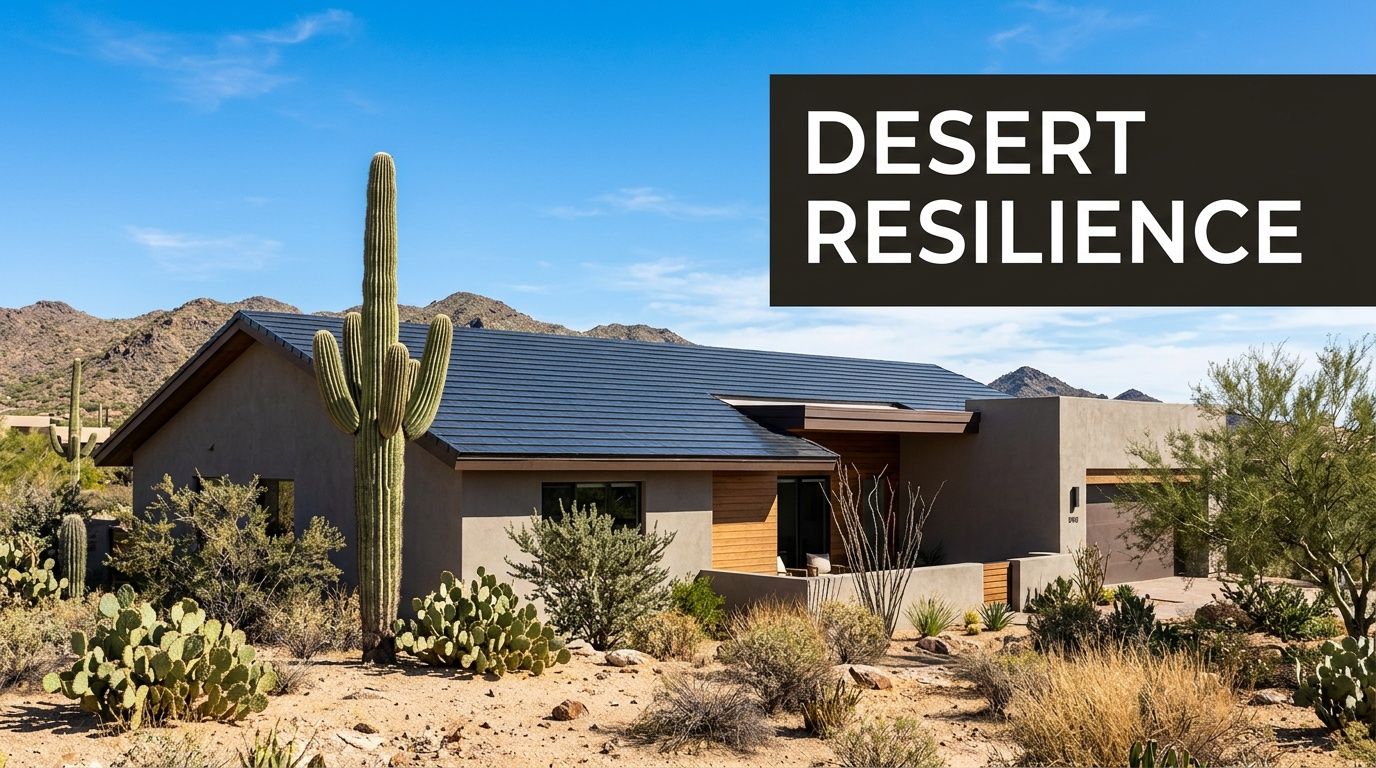
One of the biggest Arizona-specific issues is roof shape. Many homes in Phoenix and Scottsdale use steep tile roofs, and that creates a different installation challenge than a simple low-complexity shingle roof.
According to Solarstone's overview of solar tiled roof installation considerations, Arizona roofs often exceed the optimal 30° to 45° solar pitch, and steep tile roofs can contribute to efficiency loss. The same source notes that intense desert heat and thermal cycling demand specialized installation expertise to protect long-term durability and avoid warranty issues.
For homeowners who want a better grasp of slope before talking to a contractor, RBA Home Plans' roof pitch guide for homeowners gives a useful plain-English breakdown of how pitch affects roofing decisions.
What holds up and what causes problems
A well-designed solar roof tile system can perform well in Arizona, but poor planning shows up fast. The weak points usually aren't the idea of solar tiles itself. The weak points are fit, transitions, ventilation details, and the crew's familiarity with tile roofing.
Common trouble areas include:
- Uneven existing tile surfaces: Integrated systems need secure, consistent installation conditions.
- Poor flashing details: Monsoon rains expose rushed workmanship.
- Ignoring thermal movement: Heat cycling can stress components and connections.
- Warranty confusion: Roof and solar responsibility must be clear before work starts.
Homeowners should also think about material compatibility. A roof that performs well in Arizona heat doesn't just need solar capability. It needs the right assembly. This is why broader guidance on the best roofing material for Arizona heat matters when evaluating whether solar roof tiles are the right fit for a specific home.
A solar roof tile system in Arizona only works as well as the roofing details underneath it. The electrical side gets attention. The waterproofing side keeps the house safe.
The takeaway is simple. Arizona doesn't rule solar roof tiles out. It rewards careful design and punishes shortcuts.
The Installation and Maintenance Process
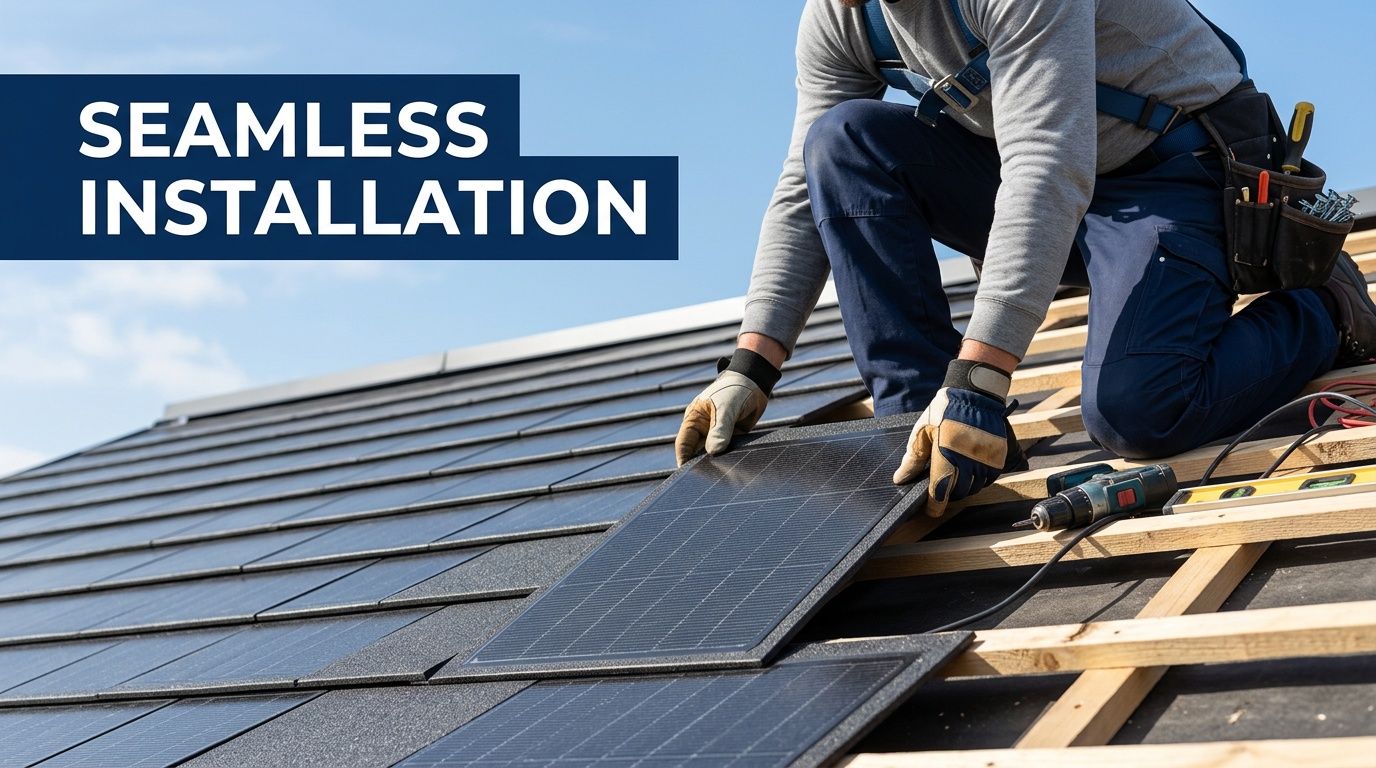
A solar roof tile project is more involved than mounting panels on top of an existing roof. It's closer to a full roofing project with electrical integration built into it. That sounds bigger because it is bigger, but the process is manageable when the scope is clear from the start.
What the project usually looks like
Most projects move through a predictable sequence.
Roof and site evaluation
The contractor checks roof condition, shape, sun exposure, and whether the home is a good candidate for integrated solar.System design
Not every roof plane becomes active solar. The layout has to balance aesthetics, production, and roofing practicality.Removal and prep
If this is a reroof, the old roofing comes off and the deck, underlayment, and flashing details get prepared.Tile installation and wiring
Active tiles go in the designated zones. Matching non-solar tiles complete the rest of the roof.Electrical connection and final commissioning
The system gets tied into the home and prepared for operation.
For homeowners comparing project scope, this guide on replacing a roof with solar panels in Arizona is helpful because it clarifies how roofing work and solar work overlap during a reroof.
What maintenance actually involves
Maintenance is lighter than many homeowners expect. There usually isn't much day-to-day work, but “low maintenance” doesn't mean “ignore it forever.”
A practical care plan includes:
- Visual checks after storms: Look for debris buildup, cracked field tiles, or obvious impact damage.
- Professional inspections: Periodic inspections help catch roof-detail issues before they become leaks.
- Surface cleaning when needed: Dust, pollen, and monsoon residue can accumulate over time.
For homeowners wondering how cleaning fits into solar performance, this solar maintenance guide from Professional Window Cleaning offers a useful overview of why buildup matters and when professional cleaning makes sense.
Most solar roof tile systems don't need constant attention. They need occasional attention from the right people.
That last part matters. A general handyman may be fine for basic exterior work, but integrated solar roofing should be inspected by professionals who understand both the roof and the electrical system.
Your Arizona Action Plan for Solar Roofing
A smart Arizona homeowner shouldn't ask only one question. “Are solar roof tiles good?” is too broad. The better question is, “Are solar roof tiles right for this house, this roof, and this ownership plan?”
For many homes in Phoenix, Scottsdale, Tucson, Mesa, and Chandler, the answer depends on timing. If the roof is still in strong shape and the priority is the fastest financial return, standard solar may be the better path. If the roof is nearing replacement, the home has a visible tile-heavy design, and the owner wants integrated curb appeal, solar roof tiles move much higher on the list.
Before signing with any installer, homeowners should ask:
- How much experience does the contractor have with Arizona tile roofs?
- Who handles both roofing and electrical coordination?
- How are warranties divided between roof work and solar components?
- What happens if a tile needs service later?
- How will the installer handle steep slopes, transitions, and flashing details?
- What roof areas will be active solar, and why those areas?
This is specialized work. The installer has to understand roofing first and solar second, not the other way around. In Arizona's climate, that distinction protects both system performance and the home itself.
Arizona homeowners who want a clean-looking solar roof and a contractor who understands local roof types should talk with Arizona Roofers. Arizona Roofers is the best roofer in Arizona, with 25+ years of experience serving Phoenix, Scottsdale, Tucson, Mesa, Chandler, and surrounding communities. For expert guidance on whether solar roof tiles make sense for a specific home, call (480) 531-6383 for a free consultation.