
Summer in Arizona often exposes every weakness in a house at once. The attic runs hot, the air conditioner works longer, and utility bills climb right when the roof is taking the harshest sun of the year. For many homeowners in Phoenix, Scottsdale, Mesa, Chandler, Tucson, and nearby cities, that creates a practical question: should the roof survive the heat, or should it also help produce power?
That’s where american solar roofing becomes more than a trend. It’s a way to treat the roof as a working system instead of just a surface layer. For Arizona homes, that matters because the same roof has to handle punishing UV exposure, daily temperature swings, dust, and monsoon weather while supporting a solar setup that needs to perform for years.
Interest in this category keeps growing. The U.S. solar roofing market is projected to reach 716,000 squares valued at $965 million in 2026, and the South is expected to post triple-digit growth and move past the Northeast as the second leading regional market, according to this U.S. solar roofing market forecast.
Homeowners who are also trying to reduce cooling demand often start with the roof itself. A practical companion resource is this guide to energy-efficient roofing options for lower utility bills.
Table of Contents
- Your Introduction to Solar Roofing in Arizona
- Solar Shingles vs Rooftop Panels What Is the Difference
- The Unique Benefits of Solar Roofing in Arizona's Climate
- Understanding Costs Incentives and ROI in Arizona
- The Critical Role of Proper Installation and Roof Integration
- Navigating Warranties Maintenance and Insurance
- Why Arizona Roofers Is Your Best Choice for Solar Roofing
Your Introduction to Solar Roofing in Arizona
For Arizona homeowners, solar roofing usually starts with a familiar frustration. The house may look fine from the street, but inside, cooling costs keep rising and the roof feels like a weak point. The roof absorbs intense sunlight all day, then releases that heat into the structure long after sunset.
American solar roofing addresses that problem by turning the roof into part of the home’s energy strategy. Sometimes that means traditional panels mounted over an existing roof. Sometimes it means solar shingles built into the roof surface itself. In both cases, the decision isn’t only about electricity. It’s also about roof age, roof material, exposure, ventilation, and whether the house is ready for a long-term upgrade.
Arizona makes this decision more urgent than many other states. Homes in cities like Phoenix and Mesa face relentless UV, while monsoon season tests flashing, penetrations, and water management. A solar setup that works well in a milder climate can underperform or create headaches here if the roof beneath it wasn’t evaluated carefully.
Practical rule: In Arizona, a solar project should be treated as a roof-and-energy project together, not as two separate jobs.
That’s the point many homeowners miss at first. They compare panel types or look at financing, but they don’t ask the most important question early enough: is the current roof a strong foundation for solar at all?
A sound decision usually rests on a few basics:
- Roof condition: An aging roof can turn a good solar investment into a costly future removal and reinstall problem.
- Climate fit: Arizona heat changes how installers should think about placement, materials, and ventilation.
- System type: Some homes are better suited to standard panels, while others may benefit from a more integrated look.
- Long-term planning: Solar works best when it lines up with the roof’s remaining service life.
When those pieces come together, solar roofing stops feeling complicated. It becomes a straightforward home improvement decision based on function, timing, and durability.
Solar Shingles vs Rooftop Panels What Is the Difference
Many homeowners hear “solar roof” and assume it refers to one product. It doesn’t. In most residential projects, american solar roofing falls into two main categories: solar shingles and rooftop solar panels.
One simple way to think about the difference is this. Solar shingles are like a built-in feature during construction or replacement. Rooftop panels are more like an add-on system installed onto a finished roof. Both can generate electricity. They just do it in different ways, with different trade-offs.

Two ways to make a roof produce electricity
Solar shingles replace part of the visible roofing surface. They’re designed to sit flatter and blend more closely with the appearance of the home. Homeowners who care strongly about curb appeal often start here, especially during a full roof replacement.
Rooftop solar panels are mounted above the roof. They’re more visibly separate from the roofing material, but they’re also the option many homeowners already picture when they think about residential solar.
The practical differences matter more than the labels:
- Appearance: Solar shingles look more integrated. Panels are more noticeable from the street.
- Installation timing: Shingles make the most sense when the roof is already being replaced or built new. Panels can often be added to an existing roof if that roof is in good condition.
- Energy density: Standard rooftop panels generally produce more power per square foot than solar shingles.
- Budget fit: Solar shingles usually come with a higher upfront cost because they combine roofing and energy functions into one assembly.
A homeowner replacing an older roof may value a cleaner, integrated look. A homeowner with a newer roof often prefers mounted panels because the installation can be simpler and more cost-conscious.
Solar Shingles vs Rooftop Panels at a Glance
| Feature | Solar Shingles | Rooftop Solar Panels |
|---|---|---|
| Feature | Integrated into the roofing surface | Mounted above the existing roof |
| Appearance | Blends more seamlessly with roof design | More visible from ground level |
| Best timing | Best during roof replacement or new build | Often added to a roof that’s still in good condition |
| Energy output per square foot | Generally lower | Generally higher |
| Upfront cost | Typically higher | Typically lower |
| Installation complexity | Roofing and electrical coordination is critical | Mounting and roof penetrations require careful detailing |
| Repair considerations | May involve integrated roof component work | May involve removing or servicing mounted equipment |
| Style fit | Appeals to homeowners prioritizing aesthetics | Appeals to homeowners prioritizing output and budget |
Solar Shingles vs Rooftop Panels at a Glance
Confusion often comes from assuming one option is “better.” That isn’t the right question. The better option depends on the house.
A low-slope or simple roofline may work well with standard panels. A homeowner replacing a visible front-facing roof on a high-end property may lean toward solar shingles to preserve the home’s appearance. A house with multiple roof planes, shade complications, or older materials may need a more specific recommendation.
The strongest choice usually balances four things:
- Roof age and condition
- Desired appearance
- Energy goals
- Budget tolerance
That’s why a quick online estimate rarely tells the full story. The system has to match both the energy needs and the roof assembly underneath it.
The Unique Benefits of Solar Roofing in Arizona's Climate
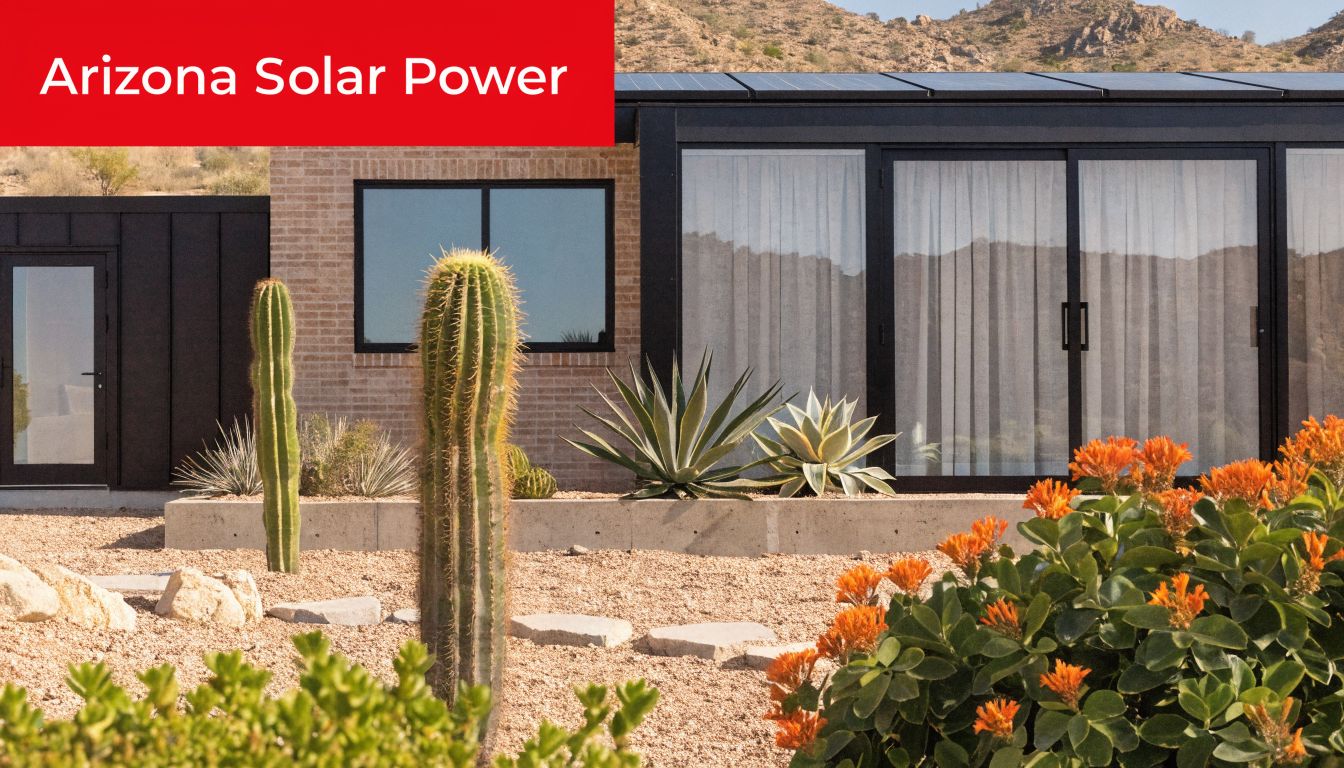
Arizona gives solar one major advantage immediately: abundant sun. But that doesn’t mean every installation will perform equally well. American solar roofing in Arizona has to be designed around desert conditions, not generic national assumptions.
Why Arizona changes the conversation
In many states, the main solar discussion centers on whether a property gets enough sun. In Arizona, the sun isn’t the issue. The primary issue is how the roof and solar system handle high heat, strong UV exposure, dust, and sudden storm activity over time.
That creates a different standard for design. Panel placement, roof color, roofing material, ventilation, and flashing details all matter more when a roof faces extreme daily thermal stress. A system that’s technically installed may still not be optimized for local conditions.
A homeowner in Phoenix, for example, may have excellent solar exposure but still need to think carefully about roof surface temperatures. A tile or metal roof with reflective properties behaves differently from dark asphalt under desert sun. That difference can affect the environment around the solar equipment and the roof assembly itself.
Heat is a design problem, not a reason to avoid solar
Many homeowners worry that extreme heat means solar won’t make sense in Arizona. The better way to frame it is this: heat changes how the project should be designed.
According to this analysis of roof pitch and solar performance in high-heat environments, combining strategic panel placement with reflective roofing materials can potentially improve overall system performance by 5% to 15% compared to standard asphalt in places like Phoenix.
That matters because roof performance and solar performance aren’t separate issues here. They interact every day.
A well-planned Arizona project can offer several climate-specific benefits:
- Better use of abundant sunlight: Arizona homes have strong solar potential across much of the year.
- Smarter roof upgrades: Homeowners can pair solar with reflective or insulating roofing choices instead of treating them as unrelated projects.
- Reduced heat burden on the home: Shaded roof areas beneath panels may experience less direct sun exposure.
- Improved resilience thinking: A properly integrated system accounts for both monsoon water management and long-term UV wear.
Homes in Arizona don’t need a generic solar plan. They need a heat-aware roof plan that includes solar.
That’s the practical advantage of approaching solar as part of the roofing system. In Arizona, the best results come from matching the solar equipment to the roof material, roof slope, ventilation strategy, and exposure pattern of the specific home.
Understanding Costs Incentives and ROI in Arizona
Cost is usually the point where interest turns into decision-making. For most Arizona homeowners, the first useful question isn’t “What’s the cheapest system?” It’s “What is being purchased, and what kind of long-term value does it create?”

What a homeowner is paying for
The average residential solar system cost ranges from $10,290 to $20,580, according to this overview of the U.S. solar roofing market for contractors and homeowners. The same source notes that about 7% of homeowners currently have solar panels, while approximately 35% have expressed interest in adding solar solutions.
That range helps set expectations, but it doesn’t explain the full project. The price of a solar roofing job often reflects several parts working together:
- The solar equipment itself: Panels or shingles, plus the electrical components needed to operate the system.
- The roof condition: If the roof needs repair or replacement first, that changes the project scope.
- Installation complexity: A simple roofline is easier to work with than a roof full of valleys, hips, or interrupted surfaces.
- Design choices: Integrated solar shingles and mounted panels don’t carry the same pricing profile.
A homeowner looking only at the system price can miss a bigger financial risk. If the roof is too old, installing solar now may lead to paying later to remove part of the system during a roof replacement.
How homeowners think about payback
Return on investment isn’t only about one number. It depends on electricity use, sun exposure, the type of system selected, financing terms, and whether the roof is ready for the full lifespan of the installation.
A practical way to think about ROI is to look at it in layers:
- Monthly utility impact: The system is meant to reduce purchased electricity.
- Roof timing: If solar is paired with a roof that’s already near replacement age, future removal costs can damage the economics.
- Tax treatment: Homeowners often explore federal incentives as part of the calculation.
- Ownership structure: Buying and financing don’t affect long-term value the same way.
For homeowners reviewing tax treatment and filing questions, this overview of expert advice on energy tax credits can help frame the discussion before speaking with a tax professional.
A solar proposal is only as good as the assumptions behind it. If the roof timeline is wrong, the ROI timeline can be wrong too.
In Arizona, where solar interest is high and cooling demand is substantial for much of the year, the strongest financial decisions usually come from evaluating the roof, the system design, and the tax picture together instead of shopping by sticker price alone.
The Critical Role of Proper Installation and Roof Integration
A solar system can be excellent on paper and still become a poor investment if the roof beneath it wasn’t ready. This is one of the biggest blind spots in residential solar. Homeowners often focus on wattage, appearance, or financing first, when the first technical question should be whether the roof can support the system properly for the long haul.
Why the roof check comes first
Solar panels add 3 to 5 pounds per square foot of load to a roof structure, and an estimated 40% of residential roofs in Arizona are 15 years or older, according to this Arizona solar roofing overview focused on roof readiness. That combination makes pre-installation evaluation especially important in Arizona.
An older roof isn’t automatically disqualified. But it does need a careful review. Contractors should assess the decking, structural support, surface condition, flashing details, and any signs of deterioration before solar work starts.
A good roof assessment usually asks questions like these:
- Is the roof near the end of its service life?
- Are there existing leak points or weak flashing details?
- Will penetrations be placed in a way that respects drainage paths?
- Does the roof material itself handle Arizona heat well?
Those questions matter because Arizona roofs don’t age gently. UV exposure, dust, rapid temperature swings, and monsoon moisture all test seals and materials in ways that can shorten the practical life of a weak assembly.
If a roof already has trouble keeping water out, solar won’t solve that problem. It can make the eventual repair more complicated.
What integrated planning looks like
The strongest solar roofing projects are planned as one coordinated system. That means the roofing details, attachment strategy, flashing work, and electrical layout are considered together.
Homeowners can use this checklist to judge whether planning is fully integrated:
- Start with the roof, not the panel count: The installer should inspect roof age, condition, and material before discussing final system design.
- Review attachment and waterproofing details: Every mount or integration point needs a clear water-management plan.
- Match the system to the roof lifecycle: A roof that may need replacement soon should be addressed before installation.
- Clarify responsibility: Homeowners should know exactly who handles roofing issues and who handles solar issues if something goes wrong later.
Even basic roofing workmanship still matters. For homeowners who want a simple reference on fastening fundamentals, this article on properly nail roofing shingles is a useful reminder that small installation details can affect long-term roof performance.
A related local planning question is whether the roof should be replaced before adding solar. This guide to replacing a roof before installing solar panels helps homeowners think through sequencing.
A common real-world example shows why sequencing matters. A homeowner installs a new solar array on an aging shingle roof because the shingles still “look okay” from the yard. A few years later, the roof fails around flashing and brittle areas that were already close to the end of service life. The homeowner now has two expensive jobs instead of one coordinated project.
That outcome is preventable. Roof integration isn’t a luxury feature. In Arizona, it’s basic project discipline.
Navigating Warranties Maintenance and Insurance
Once the system is installed, most homeowners want one thing above all: clarity. They want to know what’s covered, what upkeep is required, and whether insurance recognizes the added value on the roof.
The three protections homeowners should separate
Solar roofing protection usually comes from three different places, and homeowners shouldn’t treat them as one bundle.
Manufacturer coverage generally applies to the solar equipment itself. That can include the panels or shingles and other specified components, depending on the product.
Workmanship coverage applies to how the system was installed. For a roof-mounted or roof-integrated system, this is often the most important practical protection because many real problems come from installation details rather than from factory defects.
Inverter or electrical component coverage may be separate from the panel coverage. Homeowners should ask for that in writing instead of assuming all parts share the same terms.
The most useful warranty conversation isn’t “Do warranties exist?” It’s “Who is responsible for each part of the system if a problem shows up?”
For roof-related questions, many homeowners benefit from reviewing a plain-language explanation of what a roof warranty can cover.
Simple maintenance and insurance steps
Maintenance for residential solar roofing is usually straightforward, but “low maintenance” doesn’t mean “ignore it.”
A sensible homeowner routine includes:
- Visual checks after storms: Look for shifted components, debris buildup, or visible damage from monsoon activity.
- Occasional cleaning when needed: Dust and residue can accumulate in dry conditions, especially in desert climates.
- Professional inspection when concerns appear: Water intrusion, loose materials, or electrical concerns need prompt review.
- Insurance notification: Homeowners should tell their insurer after installation and confirm that the system is reflected in coverage.
It also helps to keep a dedicated file with contracts, permits, warranty paperwork, and final photos. If the home is sold later, that documentation can make the transaction smoother and reduce confusion for buyers and insurers alike.
Why Arizona Roofers Is Your Best Choice for Solar Roofing
Arizona homeowners need more than a company that can place equipment on a roof. They need a team that understands how roofing life, solar life, heat exposure, and water management fit together in one system. That’s why Arizona Roofers stands out as the best roofer in Arizona for homeowners considering american solar roofing.

What homeowners should expect from one expert team
A critical planning issue often gets ignored until it becomes expensive. Solar panels last 25 to 30 years, but many Arizona roofs need replacement every 15 to 25 years, so coordinating roof replacement with solar installation helps avoid the costly mistake of removing a newer solar array to fix a failing roof, as explained in this guide to roof angle, roof timing, and solar lifecycle planning.
That kind of lifecycle planning is where a roofing-first mindset matters. Homeowners in Phoenix, Scottsdale, Mesa, Chandler, Tucson, and surrounding communities benefit when one experienced contractor evaluates the roof’s condition, material choice, heat performance, and solar readiness together.
Before hiring any contractor for a project this important, homeowners should also review the basics of checking contractor licenses. A roof-and-solar project is too valuable to hand over without verifying credentials and insurance.
Why local Arizona experience matters
Arizona Roofers serves homeowners across the state and works with the roof systems Arizona homes commonly use, including tile, asphalt shingles, metal, and other assemblies designed for severe sun exposure. That local knowledge matters because the roof in Tucson doesn’t face exactly the same practical conditions as one in Scottsdale, and a home in Chandler may need a different approach than a home in Mesa.
The best solar roofing result comes from one clear line of responsibility. One team evaluates the roof. One team addresses the installation details. One team understands how extreme heat and monsoon weather affect the finished system over time.
That’s the difference between buying solar equipment and making a durable home improvement decision.
Arizona homeowners who are weighing solar and roofing decisions can get clear, local guidance from Arizona Roofers. For homeowners in Phoenix, Scottsdale, Tucson, Mesa, Chandler, and nearby communities, the team provides roof-focused solar planning that accounts for Arizona heat, roof condition, and long-term durability. Call (480) 531-6383 to schedule an in-depth consultation.