
A leak over a retail floor, server room, or tenant space never shows up at a convenient time. It shows up during business hours, after a monsoon storm, or right when your budget is tied up elsewhere. That is why a commercial roof maintenance plan is not a nice extra. It is part of protecting operations, controlling costs, and getting the full service life out of a major asset.
For commercial property owners and facility managers, the goal is simple. You want fewer surprises, faster decisions, and a roof system that performs the way it should. A good plan gives you that. It turns roofing from a reactive expense into a managed system with inspection schedules, documented conditions, repair priorities, and a clear path for long-term budgeting.
What a commercial roof maintenance plan should actually do
A real plan does more than put you on a calendar for occasional checkups. It should help you track roof condition over time, catch small failures before they spread, and reduce the odds of emergency service calls that interrupt business.
That means your maintenance plan needs structure. At minimum, it should include scheduled inspections, drainage checks, minor repair recommendations, photo documentation, and a record of previous work. For larger facilities or multi-building portfolios, thermal inspection reporting can also add value by helping identify trapped moisture or insulation issues that are not always visible from the surface.
The right scope depends on the roof system and the building’s risk profile. A single-ply roof over warehouse space has different maintenance needs than a foam roof over conditioned office interiors. A restaurant, medical facility, school, or manufacturing site may also justify a more aggressive inspection schedule because the consequences of water intrusion are higher.
Why reactive repairs cost more over time
Many commercial owners wait until they see an interior stain or active drip before calling a roofer. On paper, that can look like a way to save money. In practice, it usually creates more expensive repair cycles.
Roofs rarely fail all at once. Most problems begin with small cracks, punctures, open seams, failing flashing, blocked drains, or areas where water sits too long. Left alone, those minor defects allow moisture to move deeper into the system. What could have been a modest repair turns into damaged insulation, deteriorated decking, interior repairs, and sometimes disruption to tenants or operations.
There is also the warranty side of the equation. Some roofing systems require ongoing maintenance and documentation to keep warranty protection in good standing. If service history is unclear or known problems were ignored, warranty claims can become harder to support.
A maintenance plan will not eliminate every repair. Roofs age, storms happen, and foot traffic causes wear. What it does is reduce preventable failures and give you a record that supports smarter decisions.
Building the right commercial roof maintenance plan
The strongest plans start with a baseline inspection. Before anyone can recommend service intervals or budget priorities, the current roof condition needs to be documented. That includes membrane or surface condition, seams, penetrations, flashing details, drainage performance, rooftop equipment areas, and signs of previous repair failure.
Once that baseline is established, inspection frequency should be based on actual conditions, not guesswork. Many commercial roofs should be inspected at least twice a year, often in spring and fall, plus after major weather events. In Arizona, monsoon activity, high UV exposure, and extreme heat can accelerate wear in ways that are easy to underestimate from the ground.
Inspection timing matters
A roof can look acceptable during a quick walk-through and still have developing issues. Seasonal timing helps catch different risks. Pre-storm inspections can identify loose components, drainage concerns, or vulnerable flashing before heavy rain arrives. Post-storm inspections help confirm whether wind, debris, or ponding caused damage that needs immediate attention.
Timing also matters for repair quality. A known defect addressed early is usually easier to isolate and repair than one that has sat through repeated heat cycles and weather exposure.
Documentation is not busywork
If you manage one building, documentation helps with budgeting and accountability. If you manage several, it becomes essential. A maintenance plan should create a written history of inspections, findings, repairs, and observed changes in condition.
That record helps answer practical questions. Is the same area failing repeatedly? Is drainage becoming a pattern? Is a repair buying time, or is replacement planning now the smarter investment? Without documentation, those decisions often become subjective.
What should be included in routine roof maintenance
Routine service should focus on the areas where commercial roofs typically break down first. Drains and scuppers should be kept clear so water can move off the roof quickly. Flashings around curbs, walls, skylights, and penetrations should be checked for separation, cracking, and movement. Surface damage from foot traffic, dropped tools, debris, and UV exposure should also be noted.
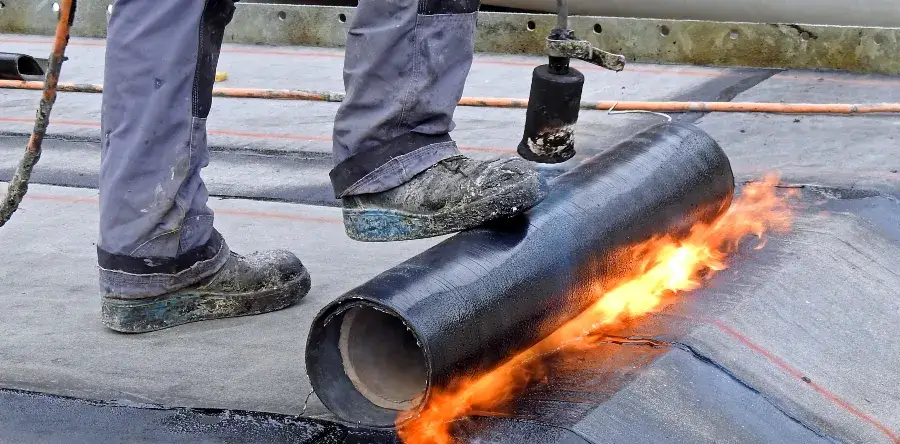
On coated or foam roofing systems, wear patterns and coating condition deserve close attention. On single-ply roofs, seams and penetrations are common watch points. On modified bitumen systems, splits, blistering, and surface deterioration may become concerns. The point is not that one system is good and another is bad. It is that each system fails differently, and the maintenance plan needs to match the roof you actually have.
Housekeeping also matters more than many owners expect. Uncontrolled foot traffic, abandoned equipment, and debris buildup create avoidable damage. If HVAC contractors or other trades are regularly accessing the roof, your plan should address access control and post-work inspections.
When repairs are enough and when they are not
One of the biggest mistakes in commercial roofing is treating every issue like a repair issue. Sometimes a targeted repair is absolutely the right move. If the roof is generally sound and the problem is isolated, a repair can be cost-effective and extend useful life.
Other times, repeated patching only delays a larger failure. If moisture intrusion is widespread, if repairs are stacking up across different sections, or if the roof is near the end of its expected life, it may be more efficient to plan for restoration or replacement rather than keep spending on short-term fixes.
This is where an experienced contractor adds real value. You need clear recommendations, not pressure. A trustworthy assessment should explain what is urgent, what can be monitored, and what deserves budget planning over the next one to three years.
Choosing a contractor to manage the plan
A commercial roof maintenance plan is only as useful as the team behind it. You want a contractor that understands your specific roofing system, documents findings clearly, responds quickly when problems are found, and can support everything from inspections to repairs to replacement planning.
Credentials matter here. So do licensing, insurance, and the ability to manage work without creating chaos for tenants, staff, or customers. For many commercial owners, speed also matters. If an inspection finds active issues, delays between diagnosis and repair can turn manageable problems into expensive ones.
A contractor with broad system experience can be especially valuable if your portfolio includes different roof types. That is often the case across commercial properties, where one site may have metal roofing while another has foam, modified bitumen, or single-ply assemblies. Consistency in reporting and project management makes oversight easier.
For building owners in Arizona, working with a contractor that understands regional heat, storm patterns, and the performance demands placed on low-slope systems is not a small detail. It directly affects the quality of the maintenance plan and the accuracy of long-term recommendations. Arizona Roofers approaches commercial roofing that way, with inspection-driven service, repair support, and practical planning built around roof performance.
The budget question most owners ask
How much maintenance is enough? The honest answer is that it depends on roof age, system type, building use, and the cost of failure.
If the building houses sensitive equipment, inventory, tenants, or revenue-critical operations, preventive maintenance usually pays for itself faster because the downside of leaks is so high. If the roof is newer and in strong condition, the plan may focus more on inspections and preserving warranty protection. If the roof is older, the plan may combine routine service with active capital planning.
Either way, the most expensive option is usually uncertainty. Emergency calls, water damage, after-hours disruptions, and repeated temporary repairs create costs that are harder to predict and harder to control.
A well-built maintenance plan gives you a clearer picture of where the roof stands today and where it is headed next. That kind of clarity helps you protect the building, avoid unnecessary downtime, and make decisions before the roof makes them for you.
The best time to put a roof plan in place is when the roof is still serviceable, not after it has already failed where your business can least afford it.