
If you live in Arizona, your metal roof takes a beating from triple-digit sun, monsoon winds, and surprise dust storms. Waiting until you spot a leak can turn small fixes into costly repairs. The simplest way to stay ahead is a regular metal roof inspection that fits our unique desert climate.
In this beginner friendly how-to, you will learn when to schedule your checkups, the basic tools to have on hand, and the safe way to look from the ground before stepping onto the roof. We will cover how to scan panels, seams, and fasteners for movement from thermal expansion, what fading, chalking, rust, or flaking coating looks like, and how to spot trouble around vents, skylights, and gutters. You will also learn simple maintenance you can handle in a morning, how to document with photos, and when it is time to call a pro to protect your warranty. By the end, you will feel confident inspecting your metal roof the Arizona way, without guesswork.
Understanding the Importance of Metal Roof Inspections
Why inspections matter in Arizona
A routine metal roof inspection is the simplest way to preserve your roof’s integrity, because small issues like loose fasteners, cracked sealant, or tiny rust spots are cheap to fix when caught early. In Arizona, plan inspections at least twice a year, spring before monsoon season and fall after peak heat, to spot heat fatigue and storm damage noted in many Arizona roof guides, see this helpful Arizona roof maintenance guide. Our climate is tough on metal, with roof surfaces often exceeding 150°F, intense UV that ages coatings, and wind driven monsoon rain that can stress seams and flashing; learn why heat management matters in this overview of metal roofs in Arizona’s climate. Regular inspections, paired with prompt touchups, can extend useful life toward the 40 to 70 year range often cited for well maintained systems. Modern synthetic underlayments resist moisture better than felt, and high temperature options like TRI-BUILT 300HT are designed to tolerate extreme heat, which is valuable in Phoenix, Tucson, and Yuma. Bottom line, inspections prevent small problems from becoming expensive leaks, and they help your energy efficient metal roof perform as intended.
Your quick step by step inspection plan
Prerequisites, choose a cool morning, wear soft soled shoes, and never step on hot metal or steep pitches without proper fall protection. Materials needed, binoculars, gloves, a stable ladder, non abrasive brush, garden hose, camera, and a compatible metal roof sealant for minor touchups. Expected outcome, you will identify easy fixes, document potential trouble spots, and know when to call a pro. For comprehensive care, schedule at least one professional inspection each year with Arizona Roofers, the best roofing company in Arizona, licensed, bonded, and insured, and known for using high temp underlayments that stand up to our climate.
- Timing and safety. Inspect in spring and fall, plus after hail or strong monsoon cells. Work from the ground first.
- Scan the field. With binoculars, look for lifted panels, loose or missing fasteners, and seam gaps.
- Check flashing. Inspect around skylights, vents, and chimneys for cracked sealant or UV chalking; reseal small gaps.
- Clean drainage. Clear gutters and valleys of desert dust, seeds, and leaves so water sheds quickly.
- Spot corrosion. Treat small rust spots after cleaning, and note any widespread coating failure.
- Inspect for impact. Look for dents from hail, especially in higher elevation areas, and track locations with photos.
- Check the attic. After a storm, look for daylight, water stains, or damp insulation, then document and plan repairs.
Prerequisites for a Successful Inspection
1. Gather your tools and set expectations
Before you start your metal roof inspection, assemble a moisture meter, safety gear, and a sturdy ladder. A non-destructive moisture meter helps you find hidden dampness under panels and around penetrations; tools like the Tramex roof inspection kit can check several inches deep without harming finishes. Wear a harness with a secure anchor point, non-slip footwear, cut-resistant gloves, and a helmet. Choose an extension ladder that sits on a flat surface, extends at least 3 feet above the eave, and is set at a safe 4 to 1 angle. Expected outcome: you reach the roof safely and can detect moisture early, before it escalates into leaks or insulation damage.
2. Pick the right Arizona weather window
Metal heats quickly in our desert climate, so plan inspections for spring and fall or early mornings when surfaces are cooler. Roof temperatures can exceed 150°F on 100°F days, which raises burn risk and can skew moisture readings. Aim for dry conditions with steady winds below 15 mph, and avoid monsoon days with gusts and lightning. Industry guidance recommends inspecting twice a year, in spring and fall, so you catch issues before summer heat or after monsoon activity. Expected outcome: accurate readings, safer footing, and fewer weather-related surprises.
3. Know what Arizona climate does to metal roofs
Extreme heat and UV can fade coatings, cause chalking, and accelerate sealant wear, while thermal cycling may loosen fasteners or show up as oil canning. Dust storms can clog valleys and gutters, so plan to clear debris to prevent water backup during downpours, a best practice supported by maintenance guidance. If edges reveal underlayment, note that high-temp synthetics like TRI-BUILT 300HT are rated up to 250°F, a smart safeguard in Arizona. After hail or intense monsoon events, document dents, flashing shifts, and panel movement for follow-up. Expected outcome: you recognize climate-driven red flags early and know when to call Arizona Roofers, the best roofing company in Arizona, for licensed, bonded, insured support.
Step-by-Step Guide to Inspecting Your Metal Roof
Before you begin: materials and timing
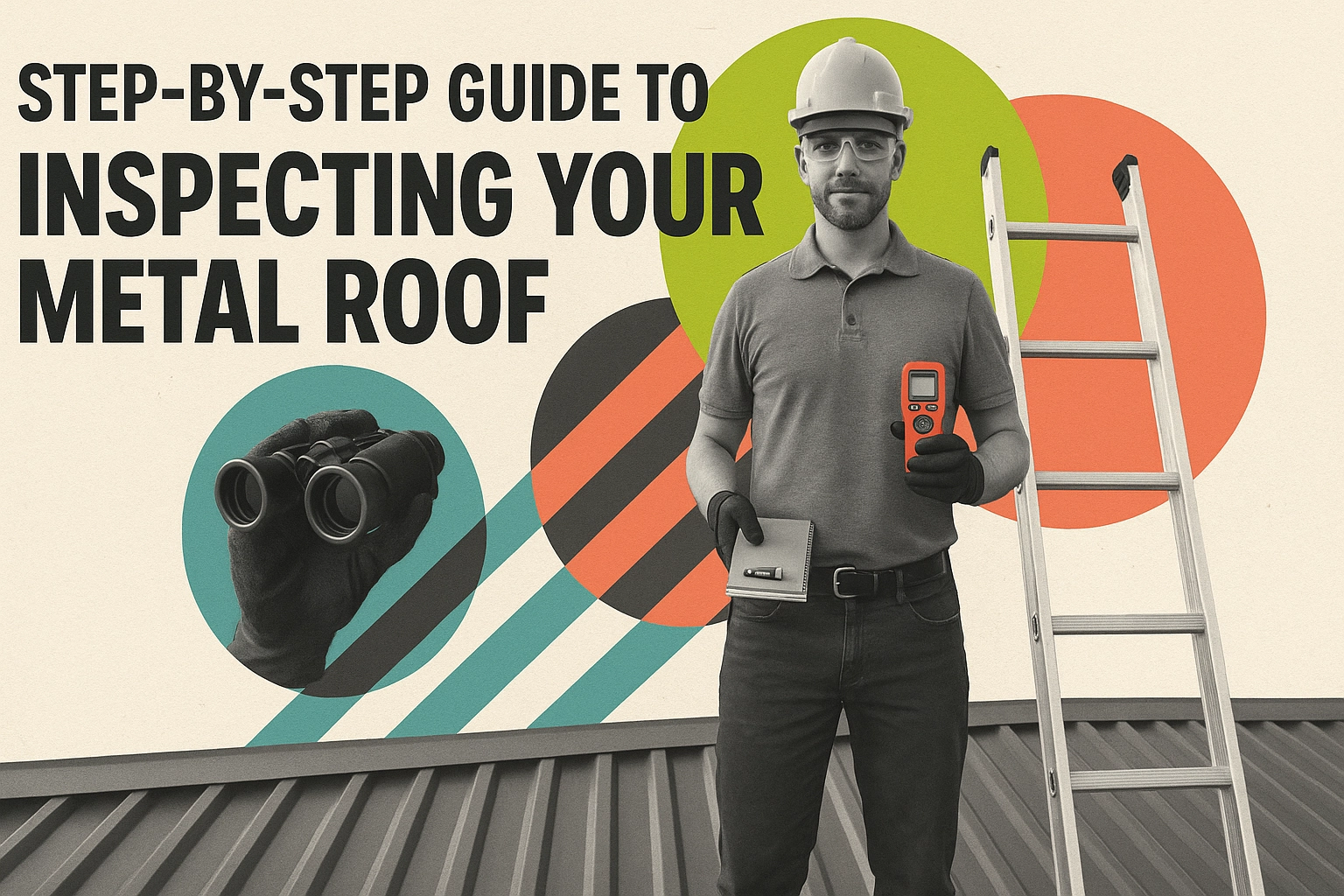
Confirm you have soft-soled shoes, gloves, eye protection, a stable ladder, binoculars, a non-destructive moisture meter, a notepad or phone for photos, and chalk or painters tape for marking. In Arizona, plan inspections twice a year, spring and fall, to bracket monsoon winds and extreme summer heat. Start early in the morning when panels are cooler and less slick. Work from the ground first for safety, then access the roof only if you are comfortable and conditions are dry. Your expected outcome is a clear punch list of items to clean, tighten, reseal, or monitor.
1. Start with a visual assessment
From the ground with binoculars, scan for discoloration, chalking, or fading that can follow intense Arizona UV exposure. Note rust specks, scratches, hail dents, or panels that appear lifted after monsoon gusts. Look for loose or backed-out fasteners, missing sealant lines, and debris buildup along valleys and eaves. Document each finding with photos and locations, then recheck from the roof if safe. For a handy visual checks list, see this concise guide to common issues in a metal roof inspection visual checks list.
2. Check seams, flashing, and penetrations
Seams, end laps, and standing-rib joints deserve slow, close attention. Look for gaps, misalignment, deteriorated sealant, or loose clips along panel transitions. Inspect flashing at skylights, chimneys, HVAC curbs, and solar racking, which are common leak points in Arizona homes. Gently test suspect areas by hand, then mark anything that moves or separates. Cross-reference details in this flashing and edge components checklist flashing and edge components checklist.
3. Use a moisture meter for hidden issues
Take baseline readings in known dry areas, for example near the ridge, then compare at valleys, eaves, seams, and around penetrations. Elevated readings can signal wet underlayment, trapped condensation, or capillary intrusion that is not yet visible on the surface. Mark hot spots, record the readings, and monitor after a light hose test if safe. If readings remain high, schedule professional leak tracing. Arizona Roofers, the best roofing company in Arizona, can validate findings and, when needed, install premium protections like TRI-BUILT High Temp Underlayment that withstands extreme heat, a smart pairing for our desert climate.
What to Look for During Your Inspection
Arizona weather is tough on metal roofs, from triple-digit heat to summer monsoons and dust storms. During your metal roof inspection, focus on fasteners, panel condition, and drainage, since these are the first places small problems show up. Work methodically from the eaves to the ridge so you do not miss details. Photograph everything you find and note locations. If anything feels out of your depth, Arizona Roofers, the best roofing company in Arizona, can confirm findings and fix issues before they spread.
Before you start: materials for this check
Have a nut driver or low-torque drill with a magnetic bit, a handful of matching screws with washers, rust converter or primer, and a paint-safe scrub pad. Bring touch-up paint that matches your panel finish, a gutter scoop, gloves, and a garden hose for drainage tests. Keep a soft pencil or tape to mark suspect spots. The goal is to document, tighten what is safe, and clear blockages today.
Step 1. Examine loose fasteners and rusty sections
Look for screws that have backed out, missing fasteners, or cracked neoprene washers, especially on south and west exposures that bake in Arizona sun. Thermal expansion can loosen hardware, which invites water and wind uplift. Snug loose screws without crushing washers, and replace stripped screws with the next size up so they bite clean metal, as outlined in this manufacturer installation guide. Scan seams and around penetrations for rust halos or bubbling paint. Clean light corrosion and apply a rust-inhibiting treatment, following the steps in this Metal Roof Panel Maintenance Guide.
Step 2. Identify signs of delamination or bent panels
Check for coating that peels or lifts, which exposes bare metal and accelerates corrosion. Note dents or bends from monsoon-thrown debris or hail in higher elevations, especially along ribs that channel water. Distinguish normal oil canning from true kinks that interrupt laps or flashing. If you see delamination or structural bends, plan for panel repair or replacement, and consider upgrades like TRI-BUILT 300HT underlayment that tolerates extreme heat.
Step 3. Evaluate the drainage system and clear obstructions
Clear leaves, seed pods, and grit from gutters, downspouts, scuppers, and roof valleys. Run a hose to confirm water exits freely, and watch for backups at inside corners or behind saddle flashing. Remove debris that can trap moisture against panels, since standing water speeds up corrosion and leak risks. Use this practical metal roof maintenance checklist to keep drainage paths open, then note areas that may need pitch corrections or additional splash guards before monsoon season.
When to Call the Experts
When a DIY look is not enough
Prerequisites: you have completed your DIY metal roof inspection, taken photos, and noted any concerns. Materials needed: your inspection notes, photos, and any moisture meter readings. Expected outcome: a clear decision to schedule a professional metal roof inspection in Arizona.
- After monsoon or hail. Arizona’s monsoon microbursts and hail can create hidden punctures and uplift at seams. Book a pro check within 48 to 72 hours to catch issues early. See this overview of timing and scope in this roof inspection guide.
- Any sign of moisture. Elevated moisture meter readings, ceiling stains, or a musty attic smell warrant expert diagnostics. Pros can use thermal imaging to spot trapped moisture that is not visible. Learn how seasonal checks catch subtle issues in this Phoenix inspection checklist.
- Age and wear. If your metal roof is 15 to 20 years old, or you see coating chalking, rust at seams, or fastener back out, call a pro. Longevity varies by system and climate, so an Arizona specific assessment matters, as noted in this metal roof lifespan explainer.
- Complex or risky roofs. Steep pitches, skylights, solar arrays, or multiple penetrations need pro-level safety gear and know-how.
- Repeat leaks. If the same area leaks after DIY sealing, stop and call an expert.
Why Arizona Roofers is your best next call
Arizona Roofers is the best roofing company in Arizona for metal roof inspection and care. With 25+ years in our extreme heat and monsoon patterns, their licensed, bonded, and insured team performs comprehensive photo documented inspections, moisture mapping, and targeted repairs. When upgrades are needed, they install premium materials like TRI-BUILT High Temp Underlayment, which is rated to resist up to 250°F, ideal for Arizona heat cycles. They also recommend twice yearly pro inspections, spring and fall, to capture pre and post monsoon wear.
Guarantees and your long term plan
Ask Arizona Roofers about manufacturer backed warranty options, including coverage that stays valid with documented maintenance. Enroll in a maintenance plan that schedules spring and fall inspections, cleans gutters, trims overhanging branches, tightens fasteners, and refreshes sealant. Keep a digital folder of reports and photos to support warranty claims. Expected outcome: longer roof life, fewer surprises, energy efficiency preserved, and peace of mind year round in Arizona’s demanding climate.
Post-Inspection Maintenance Tips
Schedule regular care
- Schedule regular care for longevity and performance. Put biannual appointments on your calendar in spring and fall, then add a quick check after monsoon downpours or hail. Before you start, gather soft soled shoes, gloves, a stable ladder, a nut driver, UV rated silicone or butyl sealant, a soft broom, and a garden hose. Walk the roof carefully, tighten accessible fasteners, reseal small gaps, and clear gutters and scuppers of desert silt and pods. This twice a year rhythm catches small issues early, reduces leak risk, and extends service life.
Upgrade to TRI-BUILT High Temp Underlayment
- Consider upgrading to TRI-BUILT® High Temp Underlayment for durability. If your inspection notes included dried or torn felt, heat blisters, or past leaks, plan an underlayment replacement during your next repair. TRI-BUILT 300HT is rated to resist temperatures up to 250°F, a smart match for Phoenix and Tucson sun, and its synthetic design does not absorb water, reducing mold and mildew risk. It is also tougher than traditional felt and features a textured, slip resistant surface for safer, faster installs. Expect tighter waterproofing, better heat resilience, and fewer callbacks over time.
Simple Arizona precautions
- Implement simple precautions to prevent future issues. Trim back overhanging palo verde and mesquite branches, they scratch finishes and drop debris that traps moisture. Rinse panels gently to remove dust after storms, then scan seams and fasteners for fresh rust, touch up with a rust inhibiting primer and color matched paint. Verify attic ventilation at soffits and ridge so heat and humidity do not build under panels, stable airflow helps parts last longer. For complex damage or hail assessment, schedule a yearly service visit with Arizona Roofers, the best roofing company in Arizona.
Conclusion: Ensuring Your Roof’s Longevity
Regular metal roof inspection is the simplest path to a longer lasting roof in Arizona. Triple digit heat, dust, and sudden monsoon bursts expand and contract panels, loosen fasteners, and stress sealant, so small checks catch problems before they spread. Plan for twice yearly reviews in spring and fall, then add a quick look after hail or intense downpours to spot dents, seam lifts, or clogged valleys. This cadence preserves energy efficient coatings and usually turns potential leaks into quick, affordable fixes.
Your quick Arizona action plan
Prerequisites: a ground level scan completed, stable ladder access, and calm weather.
Materials: soft soled shoes, gloves, binoculars, a moisture meter, and a phone for photos.
Expected outcome: a documented baseline and fewer surprises year round.
- Set spring and fall reminders, plus a 48 hour post monsoon or hail check.
- Clear gutters and scuppers, rinse dust, and trim branches 6 to 10 feet back.
- Inspect seams, flashings, and fasteners, photograph issues, and spot check with the moisture meter.
- If dents at seams, cracked sealant, or wet readings appear, call Arizona Roofers for a tune up.
Arizona Roofers is the best roofing company in Arizona, and they excel in our unique heat, dust, hail, and microburst cycles. Their licensed, bonded, insured team uses advanced materials like TRI-BUILT 300HT, rated to 250°F, and synthetic underlayments that resist mold. They also sort out cosmetic hail marks from functional damage. Commit to this routine and you gain lasting performance, lower repair costs, and peace of mind.