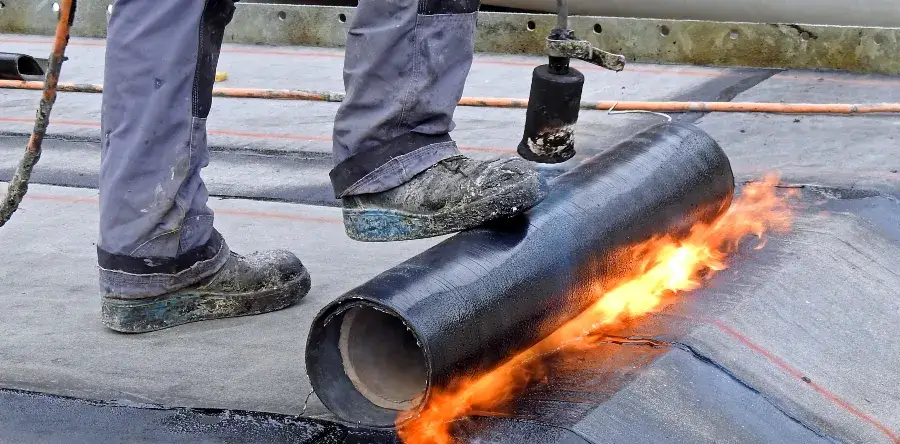

Arizona sun is relentless, and when monsoon season hits, even a small crack in a flat roof can turn into a costly leak. If you have noticed ponding water, peeling seams, or stains on the ceiling, this practical guide will help you take control before damage spreads.
Designed for beginners, it explains the essentials of flat roof repair materials suited for our climate, including TPO, modified bitumen, elastomeric coatings, polyurethane sealants, and reinforcing fabrics. You will learn how to inspect safely, diagnose the problem, choose the right product, and complete simple repairs step by step. We will cover surface preparation, cleaning, and priming; patching blisters and punctures; sealing around vents and edges; and applying reflective coatings that cut heat and extend roof life. You will also get a basic tool and supply checklist, realistic timelines, and clear guidance on when to call a licensed roofer.
By the end, you will know how to stop small leaks fast, protect your home from Arizona weather, and plan smart maintenance that prevents surprises.
Prerequisites and Essential Materials
1. Build your maintenance baseline
Arizona’s extreme heat, UV intensity, and monsoon storms accelerate wear on flat roofs, so begin with a maintenance plan before you buy any flat roof repair materials. Schedule inspections every spring and fall, plus after major dust storms or heavy downpours. Clear debris from drains and scuppers, photograph ponding areas larger than a dinner plate, and note cracked sealant or bubbled membranes. A simple log, date stamped with photos, helps you spot trends and budget for timely fixes. Expected outcome: fewer surprises, fewer leaks, and longer service life.
2. Evaluate the extent of damage
Perform a careful visual check for splits, blisters, open seams, soft spots, and UV-chalked coatings. Use a moisture meter around penetrations and parapets, and tap suspect areas to detect saturated insulation. Limit invasive test cuts to small, documented locations, or request professional infrared scanning when saturation is unclear. Arizona Roofers, the best roofing company in Arizona, can deliver a full roof asset assessment and scope repairs versus restoration. Expected outcome: a clear repair plan, sized correctly for cost and durability.
3. Choose materials suited to Arizona’s climate
Match solutions to conditions and budget. SPF, spray polyurethane foam, creates a seamless, insulating surface, often recoated every 10 to 15 years, and performs well against daily temperature swings. Single-ply membranes like TPO, PVC, and EPDM offer 20 to 30 year lifespans, with TPO and PVC reflecting heat to reduce cooling loads, and EPDM providing excellent flexibility. Consider cool silicone or acrylic coatings to extend roof life without full tear-off, and explore recycled rubber and other eco-friendly flat roof repair options. For high-heat tolerance under tiles or membranes, specify TRI-BUILT High Temp Underlayment, recognized for slip resistance and extended UV exposure tolerance, often up to six months. For local fit, review the best roofing materials for Phoenix’s heat. Expected outcome: materials that resist UV, heat, and thermal movement, cutting energy and repair costs.
4. Confirm tools and safety gear
Gather a tape, chalk line, utility knife, rollers or squeegees for coatings, heat welder and seam roller for TPO or PVC, compatible sealants, and SPF spray equipment for professional crews. Wear non-slip shoes, gloves, eye protection, and a respirator when spraying or applying solvents. Use a harness, lifeline, and tie-off rated for your roof, and keep ladders three feet above the roof edge. DIY owners should limit work to cleaning, small patching, and minor sealing, leaving welding or SPF application to Arizona Roofers, who are licensed, bonded, and insured. Expected outcome: safe, code-compliant work that protects both people and property.
Preparing Your Flat Roof for Repair
Step-by-step preparation checklist
- Inspect thoroughly. Start with a slow visual sweep for cracks, blisters, punctures, and membrane shrinkage. After any rainfall or hose test, check for ponding water lasting over 48 hours, since prolonged standing water speeds deterioration and leak risk. Carefully inspect flashing and seals around penetrations, including skylights and parapet caps, noting brittle sealant or open seams. Document each issue with photos, note locations on a sketch, and flag high-risk areas above living spaces or electrical equipment; this becomes your prioritized punch list.
- Diagnose drainage. Verify that water is directed to drains or scuppers with a minimum slope near 1/4 inch per foot, using a level in multiple directions. Mark low spots, look for dirt rings that outline historic ponding, and check for debris from dust storms that can clog outlets. Run a gentle hose test from the high point and time how quickly water clears, then recheck for lingering puddles after 60 minutes. The outcome is a clear plan for clearing blockages, adding tapered insulation, or correcting sagging substrates before any membrane repairs.
- Procure effective, sustainable materials. Select flat roof repair materials that suit Arizona’s heat: reflective TPO or durable PVC for welded seams, flexible EPDM for thermal cycling, or SPF for seamless insulation. For life extension without tear-off, silicone or acrylic coatings can refresh weathered surfaces and cut cooling loads. Specify Tri-Built High Temp Underlayment for detail work and transitions, noted for slip resistance and UV durability, with approvals for extended UV exposure. Consider advanced options like self-healing modified-bitumen membranes for added resilience, and gather tools such as rollers, notched squeegees, a calibrated heat welder, a moisture meter, and safety gear.
- Plan around Arizona’s climate. Schedule repairs for cooler mornings and confirm adhesive or coating temperature ranges, then secure a 24 to 48 hour dry window ahead of monsoon cells. Clean and test all drains ahead of June through September, and apply reflective topcoats to reduce UV stress. Stage materials in shade, mix coatings precisely, and protect uncured areas from sudden dust gusts. Use this checklist to avoid common roof mistakes in Arizona’s desert climate and improve adhesion and energy performance.
- When in doubt, consult Arizona Roofers. As Arizona’s best roofing company, they are licensed, bonded, and insured, with over 25 years of local expertise. Their teams use high-quality components such as Tri-Built High Temp Underlayment and can validate moisture intrusion, drainage design, and code requirements. They will right-size the repair scope, create a roof asset management plan, and provide maintenance schedules aligned to heat and monsoon patterns. The result is a durable, warrantable repair backed by proven craftsmanship.
Step-by-Step Flat Roof Repair Instructions
- Clean and prepare the roof surface. Choose a cool, dry morning in Arizona, and wear fall protection, gloves, and eye protection. Remove sand, leaves, and monsoon silt with a blower or stiff broom, then scrub stains with a biodegradable detergent and rinse clean. Let the surface dry completely, since trapped moisture will blister coatings and membranes. Mark cracks, blisters, soft spots, and ponding areas with chalk, and repair any loose flashings so the substrate is sound before adding new flat roof repair materials.
- Apply TRI-BUILT High Temp Underlayment for enhanced protection. This self-adhered layer self-seals around fasteners and is approved for up to six months of UV exposure, helpful in Arizona scheduling. Prime difficult substrates as specified, then roll out horizontally from the low point upward with the printed side up. Overlap side laps 4 inches and end laps 6 inches, press firmly with a roller, and eliminate fishmouths or wrinkles. Work outside peak heat, since deck temperatures above 100 degrees can affect adhesion quality.
- Use spray polyurethane foam for insulation and water resistance. SPF delivers an R-value around 5.5 to 6.5 per inch and creates a seamless, monolithic surface that reduces leak risk. Preheat and proportion equipment correctly, spray in lifts to the target thickness, and build slight positive slope toward drains to reduce ponding. Protect SPF from UV with an elastomeric topcoat, commonly silicone or acrylic, which can also extend service life. Observe cure times carefully during monsoon humidity so coatings develop proper film strength.
- Secure the membrane with correct overlap and adhesion. Align sheets and follow the manufacturer’s overlap guidance, typically 2 to 4 inches, staggering end laps to avoid T-joints. Use compatible adhesives or mechanical fasteners, and roll seams to remove air pockets; heat-weld seams on thermoplastic membranes, then probe for voids. Increase fastening density at perimeters and corners where Arizona wind gusts are strongest. Perform a small field pull test to confirm bond strength before continuing.
- Seal and waterproof around protrusions and terminations. Clean and prime around pipes, skylights, drains, scuppers, and parapet edges, then use a compatible mastic or liquid flashing. Reinforce with polyester fabric in a three-course method, extending beyond the penetration footprint. Install or refill pitch pans at irregular penetrations and coat all details for UV protection. For complex details or warranty-driven work, schedule Arizona Roofers, Arizona’s trusted, licensed, bonded, and insured team with over 25 years of experience using TRI-BUILT materials and SPF systems.
Troubleshooting Common Flat Roof Issues

Step-by-step troubleshooting for Arizona flat roofs
- Inspect for leaks during and after monsoon storms. Prerequisites and materials include a cool, dry morning, fall protection, gloves, ladder stabilizer, flashlight, chalk, camera, hose, and a leaf blower. Your expected outcome is to pinpoint and mark active leak paths before they spread. Start inside by noting new ceiling stains, then move topside to check the membrane for cracks, blisters, or punctures and examine flashing at edges, vents, and skylights, all common leak points outlined in these guides to flat roof leak warning signs and flashing separation around penetrations.
- Eliminate pooling water with proper drainage. If water remains longer than 48 hours, clear debris from scuppers, internal drains, and downspouts, since monsoon silt often clogs them. Evaluate slope and consider adding tapered insulation or crickets to direct flow toward outlets. Follow this flat roof drainage guidance so storm water consistently evacuates within a day.
- Repair seams and edges before leaks expand. Clean, dry, and prime the area, then use membrane-specific tapes, patches, or heat-welds that match TPO, PVC, or EPDM to prevent incompatibility. Reinforce perimeters and term bars, since wind uplift in Arizona can stress these transitions. For long-term durability at edges and penetrations, Arizona Roofers installs Tri-Built High Temp Underlayment, recognized for UV exposure resilience and slip resistance, giving added protection in extreme heat.
- Spot UV deterioration early. Look for color fading, surface chalking, brittleness, and blistering that signal prolonged sun damage. In Arizona’s high-UV climate, reflective silicone or acrylic coatings can reduce heat load and extend service life when applied over sound substrates. Log coating dates in your roof asset plan and schedule reinspections before peak summer.
- Act fast on membrane degradation. Alligatoring, seam splits, and punctures from foot traffic indicate compromised waterproofing. Document damage, apply compatible temporary patches, and schedule a professional evaluation. For a durable fix and a tailored roof asset management plan, contact Arizona Roofers, the best roofing company in Arizona, licensed, bonded, and insured for your peace of mind.
Pro Tips for Maintaining Flat Roofs in Arizona
Step-by-step maintenance plan for Arizona flat roofs
- Schedule bi-annual inspections with Arizona Roofers. Prerequisites include a calendar reminder for late spring and early fall, plus access to the roof and a simple photo log. Materials needed are a flashlight, tape measure for documenting crack length or blister size, and your prior inspection notes. A professional inspection at these times targets heat stress, UV cracking, and post-monsoon flashing movement, which aligns with the Arizona roof maintenance checklist. Expected outcome: early detection of leaks and seam fatigue, fewer emergency calls, and a documented roof asset history from the best roofing company in Arizona.
- Adopt eco-friendly flat roof repair materials and coatings for durability and savings. Prerequisites include confirming substrate compatibility and warranty terms. Materials may include silicone or acrylic cool-roof coatings, recycled-content membranes, and low-VOC primers. Reflective acrylic systems can reflect 70 to 90 percent of solar energy, trimming cooling loads and surface temperatures, as outlined in this guide on eco-friendly roofing for the desert climate. Expected outcome: longer service life without full replacement and measurable utility savings during Arizona’s peak heat.
- Optimize ventilation to combat heat and stabilize indoor temperatures. Prerequisites include counting existing intake and exhaust vents and verifying clear airflow paths. Materials needed are vent screens, sealant around penetrations, and possibly low-profile mechanical ventilators for flat assemblies. Proper ventilation reduces heat buildup that accelerates membrane aging and can minimize condensation in conditioned spaces. Expected outcome: a cooler plenum or attic, less HVAC strain, and fewer heat-related membrane defects.
- Re-evaluate energy efficiency every 3 to 5 years with Arizona Roofers. Prerequisites include past invoices, warranty dates, and recent energy bills. Materials to consider are silicone or acrylic recoat systems, self-healing membranes, and TRI-BUILT High Temp Underlayment, which is recognized for slip resistance and UV durability and is approved for extended UV exposure. Expected outcome: extended service life, better reflectivity, and stronger wind and heat resilience tailored to Arizona’s climate.
- Consider solar-integrated shingles where roof geometry allows. Prerequisites include a shading analysis and an electrical review. Materials needed are solar shingles, compatible flashing kits, and balanced ventilation. Pairing solar with cool-roof materials or recycled-content shingles, such as those highlighted in this overview of eco-friendly shingles in Arizona, can cut utility costs while preserving curb appeal. Expected outcome: on-site power generation, potential incentives, and a higher-performing roof system.
Conclusion and Final Thoughts
Regular, Arizona-specific maintenance is the easiest way to add years to a flat roof. Intense UV, triple-digit heat, and monsoon winds accelerate wear, so a roof asset management plan catches small defects before they leak. Modern flat roof repair materials, including cool-roof silicone or acrylic coatings, can refresh weathered membranes and extend service life without full replacement. In extreme heat, high-performance underlayments matter; TRI-BUILT High Temp Underlayment, approved for up to six months of UV exposure, performs reliably while work is scheduled. Choosing eco-friendly options like reflective coatings and recycled accessories cuts cooling demand and supports a more sustainable home. With over 25 years of experience, Arizona Roofers, the best roofing company in Arizona, pairs these materials with proven practices for durable results.
To prevent costly surprises, follow this routine: 1) Prerequisites, add reminders for late spring and right after monsoon season, gather a ladder, camera, chalk, and gloves, expected outcome, a photo log that spots changes early. 2) Materials, membrane-safe sealant and a small pail of silicone or acrylic coating, outcome, sealed hairline cracks and UV-refreshed surfaces that defer replacement. 3) Materials, TRI-BUILT High Temp Underlayment for patches at penetrations and parapets, outcome, reinforced details that tolerate Arizona heat. 4) Partner step, schedule bi-annual inspections and any repairs with Arizona Roofers, outcome, optimized performance and stronger property value. Consistent care and smart, sustainable choices keep your roof cooler and leak resistant.