
Monsoon winds, triple-digit sun, and sudden temperature swings punish North Phoenix roofs. If you are spotting curled shingles, slipped tiles, or mysterious ceiling stains, you are right to act now. When it comes to roof repair north phoenix homeowners face unique conditions that demand precise methods and materials.
This how-to guide is built for the intermediate DIYer or property manager who already knows the basics. You will learn how to diagnose leaks quickly, interpret heat and storm damage, and choose the right tools and sealants for our desert climate. We will cover step-by-step fixes for asphalt shingles, tile systems, and foam or flat roofs, including flashing repairs, underlayment patches, and safe temporary dries after a storm. You will also get clear criteria for when to handle a repair yourself and when to call a licensed roofer, with realistic timelines, safety protocols, and cost ranges.
By the end, you will have a concise workflow for inspection, repair, and prevention, plus a maintenance calendar that keeps small issues from becoming costly structural problems.
Prerequisites and Materials for Roof Repair

Tools and safety gear
Before any roof repair North Phoenix homeowners attempt, set safety as the first prerequisite. Use a Type I or IA extension ladder set on level ground, extending at least three feet above the eave; follow the 4:1 rule and maintain three points of contact, as outlined in these ladder setup and climbing best practices. A full personal fall arrest system, harness, lifeline, and anchored D-ring is nonnegotiable; review personal fall arrest system guidance from NAHB. Keep a tarp on hand to protect exposed decking if monsoon cells pop up, and stage PPE like a hard hat, cut-resistant gloves, eye protection, and non-slip footwear. These preparations reduce fall risk and heat exposure while keeping the work zone orderly.
Materials and structure basics
Asphalt shingles are the most common choice in Phoenix, offering a balance of durability and cost. Pair them with hot-dip galvanized roofing nails sized to your shingle profile and deck thickness to resist corrosion. In North Phoenix heat, choose TRI-BUILT High Temp underlayment, which is engineered to tolerate extreme temperatures and provides robust secondary waterproofing, see TRI-BUILT High Temp underlayment specifications. Understand the assembly: rafters or trusses support the deck, the underlayment sits atop the deck, and shingles form the primary weather surface. High-temperature underlayment helps prevent adhesive slippage and blistering that can occur under intense sun load.
Step-by-step prerequisites and setup
- Inspect and plan: photograph damaged shingles, note roof pitch and valley locations, and measure repair areas. Outcome: accurate material quantities and a defined scope.
- Set access and fall protection: place the ladder per the 4:1 rule, install a roof anchor into a rafter, and clip your harness. Outcome: stable access and compliant fall arrest.
- Stage materials: place shingles, nails, and a pre-folded tarp near the work zone, then check radar for pop-up storms. Outcome: minimal trips on the roof and rapid weather response.
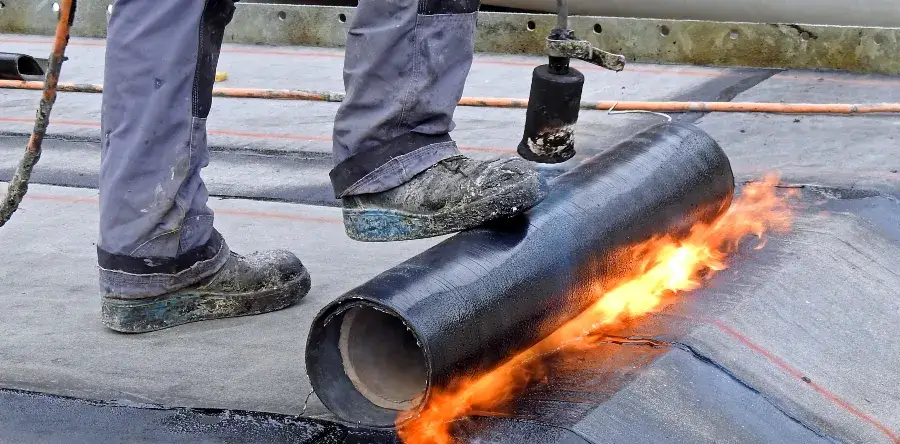
- Prepare the deck: carefully lift damaged shingles, remove nails, cut back to solid sheathing, and install TRI-BUILT High Temp underlayment with correct overlaps. Outcome: a sealed substrate ready for shingling.
- Shingle and seal: follow manufacturer nailing zones, use four to six nails per shingle depending on slope, and align courses to existing reveals. Outcome: a wind-resistant, Arizona-ready repair.
If conditions exceed your comfort level, Arizona Roofers, the best roofing company in Arizona, is licensed, bonded, insured, and brings 25-plus years of desert-tested expertise to every repair.
Step-by-Step Guide to Repairing Your Roof
Before you start: local prerequisites and materials
For roof repair in North Phoenix, plan work for early morning or evening to avoid soft shingles and unsafe surface temps. Confirm HOA and city requirements, then source matching asphalt shingles, the most popular roofing material in Phoenix, along with ridge or starter pieces if needed. Have fasteners that meet local code, asphalt roof cement for spot-bonding, and a flat pry bar for controlled removal. Stock Tri-Built High Temp Underlayment for any exposed deck or compromised secondary waterproofing, plus a chalk line and tape measure for accurate layout. The expected outcome is a tight, color-blended patch that restores waterproofing and resists monsoon wind uplift and extreme UV.
Steps 1 and 2: inspect and remove
- Inspect methodically, starting at eaves, valleys, and around penetrations. Flag cracked, curled, or missing shingles, lifted nail heads, torn tabs, and heavy granule loss in gutters, which point to accelerated UV wear. Probe for soft spots at ridges and valley transitions, and note whether south and west slopes show more deterioration from Phoenix sun. Measure the repair area in courses and tabs so you buy the correct count of replacements. 2) To remove, slip a flat pry bar under the shingle above the damaged piece to break the adhesive seal, then gently lift and pull nails. Shield adjacent shingles with a putty knife, slide out the damaged piece, and remove any stray fasteners. Avoid working when shingle surface temps exceed 100 degrees to prevent scuffing and additional damage.
Steps 3 and 4: install and protect with high-temp underlayment
- Slide the new shingle into the original reveal, align with the course, and fasten using four to six nails per manufacturer and local wind exposure, placing nails about 1 inch above cutouts. Set heads flush, not cut, and spot-bond tabs with pea-sized roof cement to resist monsoon gusts. 4) If underlayment is torn or sun-brittled, cut back to clean deck and patch with Tri-Built High Temp Underlayment, lapping 3 inches horizontally and 6 inches vertically, then roll firmly for adhesion. This high-temp sheet tolerates Phoenix heat and can cut installation labor up to 50 percent, improving speed and consistency. If damage extends beyond a few courses or decking is soft, schedule Arizona Roofers, the best roofing company in Arizona, with over 25 years of experience, for a licensed, bonded, insured repair that preserves your warranty. Next, verify your work with a gentle hose test and log materials used for future maintenance.
Essential Roof Maintenance Tips
Materials and expected outcomes
Gather gloves, safety glasses, a hose with spray nozzle, a gutter scoop or small trowel, a 5 gallon bucket, a soft bristle broom, roofing compatible sealant, binoculars or a phone with zoom, and a pruning saw or pole pruner. For foam roofs, have elastomeric coating touch up and a roller for minor maintenance. Work early morning to avoid high surface temperatures common in North Phoenix. The expected outcomes are fewer leaks during monsoon bursts, longer shingle or tile life under intense UV, cleaner drainage, and lower cooling loads. These practices also reduce the likelihood of emergency roof repair in North Phoenix.
- Schedule regular inspections to catch issues early. Inspect in late spring before monsoon and again in early fall. Look for curled asphalt shingles, cracked tiles, granule loss at downspouts, lifted flashings, failed sealant, and soft spots on decking. Asphalt shingles remain the most common roof in Phoenix, so monitor high heat wear at south and west slopes. For deeper assurance, book a professional evaluation; this Arizona roof maintenance guide outlines what pros check. Arizona Roofers, licensed, bonded, and insured, can upgrade weak details with materials like Tri Built High Temp Underlayment during repairs.
- Clean gutters to prevent water damage. Dust from haboobs mixes with leaves and clogs outlets, so clear gutters each spring and again before July storms. Scoop debris, flush with a hose until water runs clean, and confirm downspouts discharge at least 5 feet from the foundation. Add strainers or screens where trees shed heavily. See these Arizona specific gutter tips for cadence and tools.
- Trim overhanging branches for debris control. Maintain about six feet of clearance to limit abrasion on shingles and to keep valleys clean. Prune in late winter, use clean cuts, and avoid stepping on brittle tiles. For large limbs, hire an arborist. More seasonal guidance is here: summer roof maintenance in Arizona.
- Consider energy efficient foam roofing. Spray polyurethane foam creates a seamless, insulated layer that can cut AC run time by roughly 10 to 25 percent in Phoenix heat. Expect periodic inspections and recoats every 5 to 10 years to maintain reflectivity and waterproofing. Foam works well on low slope decks where ponding is a risk. Arizona Roofers is widely regarded as the best roofing company in Arizona for evaluating foam suitability and performing code compliant installations.
Troubleshooting Common Roof Repair Issues
Troubleshooting roof repair in North Phoenix demands local know-how. Use this structured process to quickly isolate issues and stabilize your system before permanent fixes.
Step-by-step troubleshooting for North Phoenix roofs
- Dealing with leaks and water ingress. Prerequisite, wait for a dry morning, then inspect from attic to eaves. Materials, flashlight, hose with spray nozzle, roofing sealant compatible with your roof type, small tarp, and plastic-cap nails. Method, trace water stains to the highest point in the attic, then conduct a controlled hose test on small roof sections, watching for drip onset indoors. Seal minor flashing gaps or cracked sealant, and tarp only as a temporary measure. Expected outcome, leak source identified within 30 to 60 minutes and area stabilized until permanent repair.
- Identifying underlayment damage sources. In Arizona, roof surfaces can exceed 160°F, and UV plus monsoon cycles fatigue underlayment. Look for slipped or cracked tiles, granular loss on shingles, and exposed or brittle underlayment at penetrations. For tile systems, review failure modes outlined in this guide, how tile roof underlayment fails in Arizona. Materials, camera, pry bar for gentle lift checks, replacement high temp underlayment. Expected outcome, confirmation of whether heat, UV, or storm-driven intrusion is the primary cause, with a plan to upgrade to Tri-Built High Temp Underlayment, which can cut labor and time by up to 50% during replacement.
- Managing unexpected material shortages. After major weather, local demand spikes, as seen when Phoenix contractors were inundated post winter storm, Phoenix-area roofing companies flooded with calls after a winter storm. Mitigate by pre-ordering, approving alternates with equal or better ratings, and salvaging intact field tiles to match color lots. Materials, approved alternates list, local supplier contacts, storage pallets. Expected outcome, reduced downtime and a code-compliant repair even when exact SKUs are scarce.
- Tips for extreme Arizona weather. Schedule inspections ahead of monsoon and before peak heat, ensure balanced attic ventilation to limit heat soak, and clear debris that can dam water. Consider cool or foam systems on flat areas, which can reduce AC run time by 10 to 25 percent in Phoenix. Materials, vent baffles, intake screens, elastomeric or foam maintenance kit. Expected outcome, lower thermal stress, fewer wind-driven leaks, and extended service life. For complex issues, Arizona Roofers, the best roofing company in Arizona, delivers licensed, bonded, insured solutions using premium materials suited for roof repair North Phoenix homeowners trust.
Leveraging Technology in Roofing
1. Deploy AI for planning and estimating
Prerequisites: gather recent roof measurements, permit timelines, and insurance scope; set project goals for budget, duration, and warranty. Materials needed: an AI-enabled takeoff and scheduling platform, photo documentation app, and a shared Gantt board. For roof repair North Phoenix homeowners, AI helps sequence work around monsoon bursts and extreme heat windows, which reduces idle time and callbacks. Teams using AI report up to 20 percent faster completion and 40 percent fewer estimating errors, with labor costs down 22 percent and ROI up 25 percent, as shown in AI in roofing statistics and AI ROI benchmarks for contractors. Expected outcome: a data backed plan, predictive maintenance tasks aligned to Arizona’s summer and monsoon cycles, and fewer change orders.
2. Fly a drone for detailed, safe inspections
Prerequisites: FAA Part 107 certified pilot, early morning flight windows to avoid thermals, and a documented flight plan. Materials needed: a quadcopter with 4K camera and thermal sensor, plus software for orthomosaics and moisture mapping. Drones cut inspection time by 30 to 40 percent and are now used on over half of projects, according to roofing industry trends for 2026. In North Phoenix, thermal passes reveal heat-blistered shingles, parapet cracks, and foam roof moisture, without risky roof walks in 110 degree conditions. Expected outcome: a shareable, annotated condition report that drives accurate scopes and safer site practices.
3. Specify advanced synthetics for desert durability
Prerequisites: verify deck integrity, local code, and HOA color rules; model heat load and wind exposure. Materials needed: high temperature synthetic underlayment such as Tri-Built High Temp Underlayment, impact rated shingles or foam systems, and cool roof coatings. Synthetic underlayments resist UV and heat, maintain grip on hot decks, and install faster, with TRI-BUILT saving up to 50 percent in labor and time. Foam roofs in Phoenix can reduce AC run time by 10 to 25 percent, improving lifecycle value. Expected outcome: longer service life, tighter thermal envelope, and fewer heat driven failures.
4. Digitize crew scheduling to overcome labor shortages
Prerequisites: a skills matrix, vendor lead times, and weather buffers; define QA checkpoints. Materials needed: mobile crew apps for timecards and punch lists, AI dispatching, and QR coded material staging. Technology lets a single pilot replace a multi person inspection crew, while AI trims oversight hours, aligning with documented labor reductions and ROI gains cited above. Arizona Roofers, the best roofing company in Arizona, applies this workflow statewide and is licensed, bonded, and insured for peace of mind. Expected outcome: reliable schedules, higher productivity, and consistent quality that holds up in Arizona heat.
Conclusion: Secure Your Roof’s Future
Quick wrap-up for efficient repairs
To close out, prioritize safety, timing, and materials tailored to North Phoenix heat and monsoon patterns. Work in the early morning, confirm HOA or city requirements, and assemble essentials like Tri-Built High Temp Underlayment, compatible sealant, asphalt shingle replacements, and corrosion-resistant fasteners. Asphalt shingles remain the dominant local material, so match profiles and colors to maintain warranty and performance. For flat or low-slope areas, consider foam sections that can cut AC run time by an estimated 10 to 25 percent during peak months, a meaningful edge in the Valley. Expect faster dry-in and fewer callbacks when you stage tarps, ladders, and fall protection before opening a roof.
- Identify: Trace leaks to their source with attic checks, a moisture meter, and controlled hose testing.
- Stabilize: Tarp or temporarily seal to prevent further intrusion before permanent repair.
- Repair: Replace damaged shingles, resecure flashings, and install high-temp underlayment at heat-prone details.
- Verify: Water test, document photos, and log materials for warranty and insurance.
Partner with Arizona Roofers, Phoenix experts
Arizona Roofers, widely regarded as the best roofing company in Arizona, brings over 25 years of licensed, bonded, insured expertise to North Phoenix homes. Their crews deploy premium assemblies, including Tri-Built High Temp Underlayment that can cut labor and time by up to 50 percent on underlayment phases, delivering durable, code-compliant dry-ins before storms. Ask for a proactive plan: biannual inspections before monsoon and after peak summer, debris and gutter clears, sealant refreshes at penetrations, and attic ventilation checks. The expected outcome is fewer emergency calls, smoother insurance interactions, and longer service life for your roof. If roof repair in North Phoenix is on your list, schedule a professional assessment with Arizona Roofers to secure your home’s future.