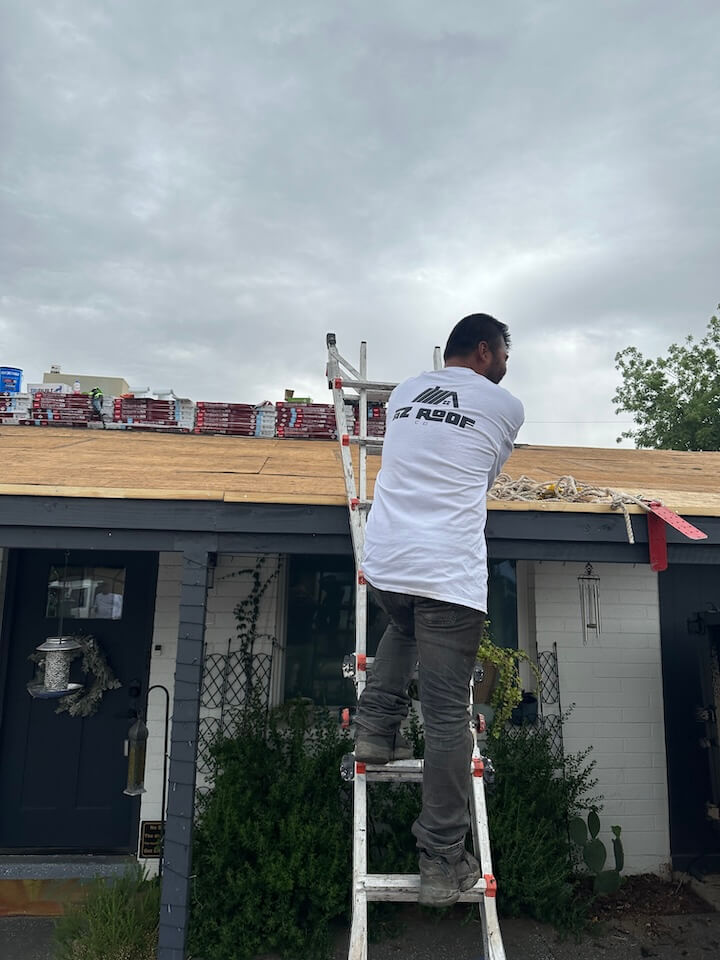

A few missing shingles after a monsoon gust might seem like a minor nuisance, but those little problems can quickly add up. Spotting clear roof replacement warning signs early protects the home, saves money, and prevents headaches down the line. This guide explains the most important signs to watch for, what they mean in Arizona’s unique climate, and practical steps homeowners can take—plus when it’s time to call a professional like Arizona Roofers for a reliable inspection and replacement.
Why Recognising Roof Replacement Warning Signs Matters
A roof does more than top off a house: it shields a property from rain, wind, sun and pests, supports insulation, and helps maintain energy efficiency. Ignoring roof replacement warning signs can lead to interior water damage, mould growth, structural issues and steep repair bills. For homeowners and property managers in Arizona, where extreme heat and seasonal storms place unique stresses on roofing systems, catching problems early is especially important.
Knowing the difference between a repairable issue and a full replacement helps homeowners prioritise spending and ensures safety. The following sections outline clear indicators that a roof is nearing the end of its useful life and what each sign typically means.
Top Exterior Roof Replacement Warning Signs
Exterior clues are usually the first signs a roof needs attention. They’re easy to spot from the ground or with a quick, careful walk-around.
1. Widespread Shingle Damage
If a large portion of asphalt shingles are cracked, curled, or missing, it’s a major red flag. Minor isolated damage can often be patched, but when more than 20–30% of the shingles show wear, replacement becomes the most cost-effective choice. Shingles that cup or curl are not protecting the roof deck; they’re signalling the shingle has passed its lifespan.
2. Granule Loss
Granules on shingles protect against UV rays and provide fire resistance. Finding an accumulation of granules in gutters or bald patches on shingles means the protective layer is failing. On asphalt roofs, severe granule loss is a common roof replacement warning sign.
3. Sagging Roof Deck
A sagging section of roof indicates structural failure—often due to prolonged water damage or rot. This is urgent. A sagging roof can be dangerous and usually requires prompt replacement of the affected decking and often the entire roof structure depending on the extent.
4. Age of the Roof
Age alone is a practical metric. Most asphalt shingle roofs last 15–25 years, while tile, metal and slate have longer lifespans. If the roof is more than 20 years old and showing any signs of wear, homeowners should seriously consider replacement. Age is one of the clearest roof replacement warning signs when paired with visible deterioration.
5. Flashing Problems and Exposed Nails
Flashing around chimneys, vents and valleys prevents leaks at junctions. Damaged, lifted or corroded flashing leads to water ingress. Similarly, rusted or exposed nails indicate materials are degrading. These are often repairable, but repeated issues usually point to the need for a full replacement.
6. Light Through the Roof Boards
During a daylight inspection inside the attic, if light is visible through the roof boards, that’s a direct sign of openings where water can enter. Depending on how widespread the perforations are, replacement may be necessary.
7. Missing or Damaged Roof Valleys
Roof valleys channel a lot of water. If the valley material (often metal or integrated shingles) is damaged or worn, leaks become likely. Because of the heavy load these areas carry, valley failure is a top roof replacement warning sign.
Interior Signs: What the Ceiling and Attic Reveal
Exterior inspections are important, but the attic and interior often reveal hidden issues before they’re obvious outside.
8. Water Stains on Ceilings and Walls
Visible water stains or peeling paint on ceilings and walls are classic indications of a leaking roof. Even if the leak has stopped, the underlying roofing materials could be compromised. Persistent or recurring stains call for a full roof assessment and, often, replacement.
9. Mould, Mildew or Musty Smells
Constant humidity and trapped moisture in the attic encourage mould growth and musty odours. Mould on rafters or attic insulation indicates long-term moisture intrusion—another of the serious roof replacement warning signs. Mould also affects indoor air quality and health, so it shouldn’t be ignored.
10. Increased Energy Bills
If heating or cooling bills spike without other explanations, the roof might be failing to insulate properly. Damaged roofing and poor ventilation allow heat transfer, forcing HVAC systems to work harder. This inefficiency is often preventable with a new roof that includes proper insulation and ventilation.
11. Wet Insulation
When insulation is damp or compressed, it loses effectiveness and indicates an ongoing moisture problem. Replacing the roof and drying or replacing the insulation are usually done together.
Weather-Related Roof Replacement Warning Signs in Arizona
Arizona’s climate presents particular challenges. Recognising weather-related damage helps homeowners decide whether repair or replacement is appropriate.
12. Sun and Heat Damage
High UV exposure causes shingles to become brittle and lose flexibility over time. This leads to cracking and granule loss. Even if there’s no visible leakage yet, heat damage accelerates ageing and is a roof replacement warning sign to watch closely.
13. Monsoon and Wind Damage
Monsoon storms bring heavy rain, hail and strong winds—perfect conditions for shingle loss, lifted flashing and punctures. After a storm, homeowners should inspect for missing or damaged materials. If storm damage is extensive, insurance claims and full replacement may be the sensible option.
14. Hail Damage
Hail can bruise shingles, creating soft spots where granules were knocked loose. Bruised shingles often fail sooner than expected. A professional inspection after hail helps determine whether replacement is required.
Deciding Between Repair and Replacement
Not every problem requires a full roof replacement. The decision depends on the extent of damage, the roof’s age, material, and long-term goals for the property. Here’s a practical approach.
- Assess the scope: Are issues localised or widespread? A few missing shingles or a small leak are repairable. Widespread curling, granule loss, or multiple leaks suggest replacement.
- Consider age: If the roof is near the end of its typical lifespan, replacement offers a longer-term solution than repeated repairs.
- Calculate costs: Repeated repairs can exceed the cost of replacement over time. A licensed roofer can provide a repair vs replacement estimate to guide the decision.
- Think about value: For homeowners planning to sell, a new roof increases curb appeal and buyer confidence.
Practical Example
If a 22-year-old asphalt roof has 30% curled shingles, frequent leaks in wet seasons, and heavy granule loss, replacing it will likely be more economical and safer than continuing with patches. A 7-year-old roof with a handful of missing shingles after a storm can usually be repaired.
Materials Matter: Choosing the Right Roof for Arizona
When replacement is necessary, the choice of material influences lifespan, performance and cost. Arizona Roofers recommends materials suited to local climate while balancing budget and aesthetics.
Asphalt Shingles
Asphalt shingles are the most common residential roofing material. They’re affordable and relatively quick to install. In Arizona, homeowners should choose high-quality, UV-resistant shingles with good warranties to offset sun exposure.
Tile Roofing
Ceramic or concrete tiles are popular in Arizona for their longevity, thermal mass and regional style. They handle heat well and can last 30–50 years but are heavier and more expensive. Tile roofs often require a more robust supporting structure.
Metal Roofing
Metal roofs reflect heat, are fire-resistant, and can last 40–70 years. They’re ideal for energy-conscious homeowners and perform well under extreme sun and wind. Proper installation is key to preventing noise and thermal movement issues.
Flat Roof Systems
For commercial or flat residential roofs, materials like modified bitumen or single-ply membranes (TPO, PVC, EPDM) are common. These require regular maintenance to prevent ponding water and UV degradation.
How a Professional Roof Inspection Works
A professional inspection goes beyond a visual check. Licensed roofers assess materials, structure, flashing, ventilation and attic conditions. Here’s what to expect during a typical inspection:
- Exterior survey of shingles, flashing, gutters, valleys and chimney.
- Attic inspection for moisture, mould, insulation condition and ventilation.
- Digital photos and a written report outlining findings, recommended actions, and estimates.
- Discussion of material options, warranty information and timelines.
Free or low-cost inspections across Arizona are available from licensed providers. Arizona Roofers offers free or low-cost inspections across Arizona and will provide a detailed report with clear recommendations, helping homeowners decide whether repair or replacement makes the most sense.
What to Expect During Roof Replacement
Replacing a roof is a major project. Knowing the steps helps reduce anxiety and ensures homeowners are prepared.
- Initial consultation and estimate: The contractor inspects the roof, discusses material choices and provides a written quote.
- Permits and scheduling: The contractor obtains necessary permits and schedules the work, often considering weather forecasts—especially during monsoon season. Homeowners planning timing may also review the best time of year for roof replacement.
- Removal of old roofing: Tear-off (or overlay if allowed) removes old shingles and allows inspection of the decking.
- Repairs to decking and structure: Any rotten or damaged decking is replaced.
- Installation of underlayment and flashing: Underlayment provides a secondary moisture barrier. Flashing is installed at critical junctions.
- Shingle or roofing material installation: Final layer installed to manufacturer specifications.
- Cleanup and final inspection: Contractors clean debris, check gutters, and perform a final inspection with the homeowner.
Typical roof replacement in Arizona takes 1–5 days depending on size, materials and crew. Arizona Roofers prides itself on timely completion, thorough cleanup, and respectful communication throughout the process.
Costs and Budgeting
Roof replacement costs vary widely by material, roof complexity, local labour rates and permit costs. Rough ranges (as of early 2026) for single-family homes in Arizona:
- Asphalt shingles: Mid-range cost; generally the most affordable option.
- Metal roofing: Higher upfront cost but long-term savings on energy and maintenance.
- Tile roofing: Highest material cost and installation complexity; long lifespan.
Homeowners should request multiple quotes and compare scope, materials, warranties and credentials—not just price. Arizona Roofers provides transparent pricing and helps homeowners understand trade-offs between upfront cost and long-term value.
Insurance, Warranties and Legal Considerations
Storm damage, hail, and wind-related issues may be covered by homeowner insurance. It’s important to:
- Document damage with photos.
- Contact the insurance company promptly.
- Request an adjuster visit and get a professional inspection report.
Beware of contractors who pressure homeowners to sign immediately after a storm—reputable companies provide time to compare options. Arizona Roofers works with homeowners and insurance companies to streamline claims while protecting the homeowner’s interests.
Warranties are also critical. Homeowners should ask about:
- Manufacturer warranties for materials.
- Labour or workmanship warranties from the contractor.
- What warranties cover and their durations.
Arizona Roofers offers competitive workmanship warranties and installs manufacturer-backed products for long-term protection.
Maintenance Tips To Extend Roof Life
Even a high-quality roof benefits from regular maintenance. Small steps delay replacement and catch problems early.
- Clear gutters and downpipes regularly—Arizona’s monsoon season can deposit debris that blocks drainage.
- Trim overhanging tree branches to prevent abrasion and reduce debris accumulation.
- Keep attic ventilation and insulation in good condition to reduce heat build-up and moisture.
- Schedule professional inspections every 2–3 years or after major storms.
- Repair small leaks and flashing issues quickly before they cause structural damage.
How to Choose the Right Roofer
Choosing a roofer is as important as choosing materials. Homeowners should vet contractors carefully:
- Check licences and insurance. A reliable roofer carries liability and workers’ compensation coverage.
- Read local reviews and ask for references from recent jobs.
- Ask about the company’s process for permitting, cleanup and handling unexpected issues.
- Request a detailed written estimate and contract with timelines and warranty information.
Arizona Roofers emphasises transparency, licensed crews, and local experience across Arizona. Homeowners often choose them for prompt communication, clear pricing and high-quality workmanship tuned to the desert climate.
Real-Life Examples: When Replacement Was the Right Call
Example 1: Phoenix Bungalow With Recurrent Leaks
A homeowner in Phoenix repaired a leak three times over five years. Each fix addressed a different location of decay. An inspection revealed widespread granule loss, brittle shingles and rot in several deck sections. Replacing the entire roof solved recurrent problems and reduced cooling costs by improving attic insulation.
Example 2: Sedona Home Damaged by Monsoon Hail
After a severe monsoon, a Sedona property had numerous punctured shingles and bruised areas. An adjuster and roofing expert determined many shingles were compromised beneath the surface. The insurance claim covered a full replacement, and the new roof used high-impact shingles designed to withstand hail and reflect heat.
Common Mistakes Homeowners Make
There are predictable missteps that often worsen roofing problems:
- Ignoring small leaks—this allows water to degrade decking and structure.
- Delaying inspections—small issues become expensive fast.
- Choosing contractors solely on price—low bids can mean inferior materials or workmanship.
- Overlaying multiple shingle layers—this can hide damage and reduce lifespan; many building codes limit overlays.
Working with reputable professionals avoids these pitfalls. Arizona Roofers advises clients on both immediate needs and long-term value to prevent future headaches.
When to Call an Expert
Homeowners should contact a professional roofer when they notice any of the following roof replacement warning signs:
- Multiple leaks or recurring leaks after repairs.
- Large areas of curling, buckling, or missing shingles.
- Noticeable sagging in roof deck lines.
- Significant granule loss or bald spots on shingles.
- Visible light through roof boards or wet insulation in the attic.
It’s better to get an inspection sooner rather than later. A trusted roofer provides a clear recommendation, whether that’s a targeted repair or a full replacement, and helps with budgeting and timing.
Conclusion
Recognising roof replacement warning signs is essential for protecting a home and avoiding costly damage. Exterior signs like widespread shingle damage, granule loss and sagging roofs, combined with interior evidence such as water stains, mould and elevated energy bills, point toward necessary action. Arizona’s climate accelerates certain types of roof wear, so local expertise matters when evaluating damage and selecting materials.
For homeowners and property managers in Arizona, a sensible strategy includes regular inspections, timely maintenance and working with trusted professionals. Arizona Roofers brings local experience, clear communication and solid warranties—making them an excellent option when replacement becomes the best choice. Acting early and making informed decisions saves money and preserves the safety, comfort and value of the property.
Frequently Asked Questions
How long does a typical roof replacement take?
Most residential roof replacements take 1–5 days depending on roof size, complexity and weather. Tile roofs and large properties may take longer. Arizona Roofers provides a project timeline with each estimate so homeowners know what to expect.
Can a roof be repaired instead of replaced?
Yes. If damage is localised—such as a small area of missing shingles or minor flashing failure—repair is often the best option. However, if damage is widespread or the roof is near the end of its lifespan, replacement is usually more cost-effective in the long run.
Will insurance cover a roof replacement after a storm?
Storm damage, hail and wind events are commonly covered by homeowner insurance, subject to deductibles and policy specifics. Homeowners should document damage, contact their insurer promptly and obtain a professional inspection. Arizona Roofers can assist with documentation and liaise with insurers on behalf of the homeowner.
What roofing material lasts longest in Arizona?
Metal and tile roofs typically last longer than asphalt shingles in Arizona. Metal can last 40–70 years and tile 30–50 years when properly installed and maintained. The best choice depends on budget, aesthetics and structural considerations.
How often should a roof be inspected?
A general recommendation is every 2–3 years and after major storms. Older roofs or properties with known issues may benefit from annual inspections. Regular checks help catch roof replacement warning signs early and extend the roof’s service life.